







Georgian Embroidery Art
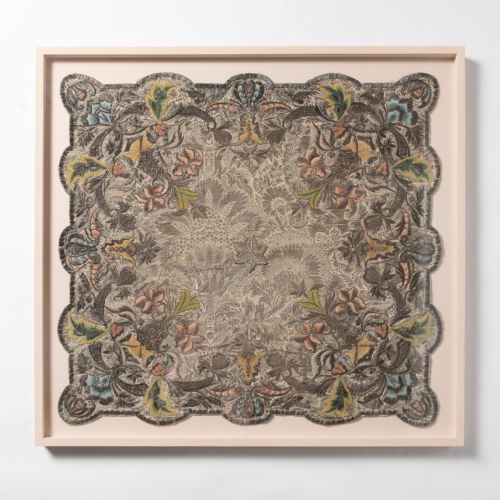
Georgian embroidery art encompasses needlework samplers and framed pictures that record the stitchwork, maps and pastoral scenes of the period.
Georgian Embroidery Art
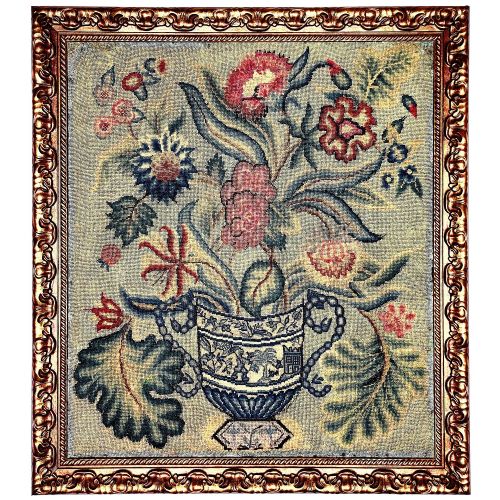
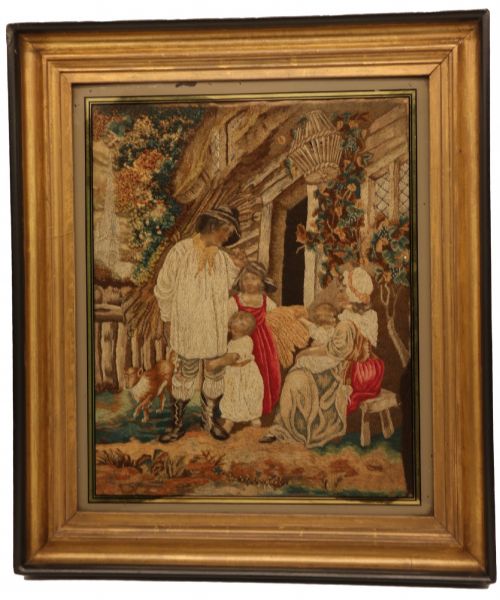
When you search for georgian embroidery art, you encounter needlework pictures, map samplers and alphabet pieces spanning the eighteenth and nineteenth centuries. These works include pastoral farming scenes, theatrical silkwork and religious panels.
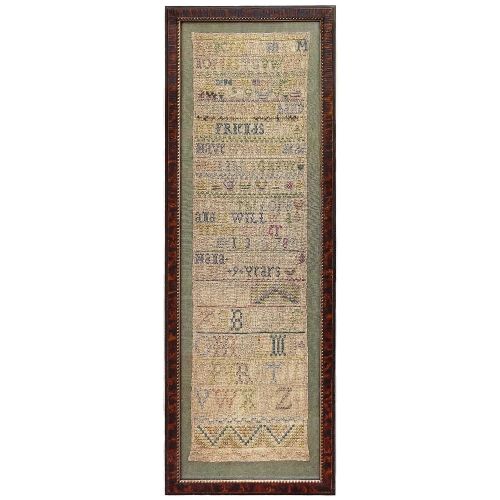
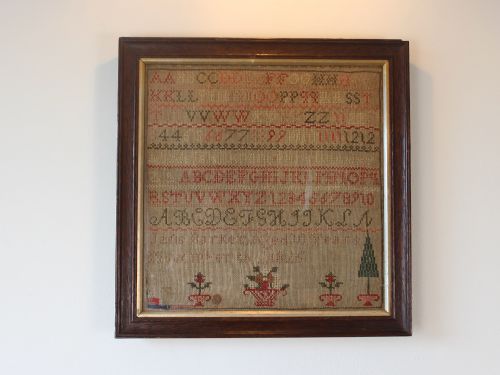
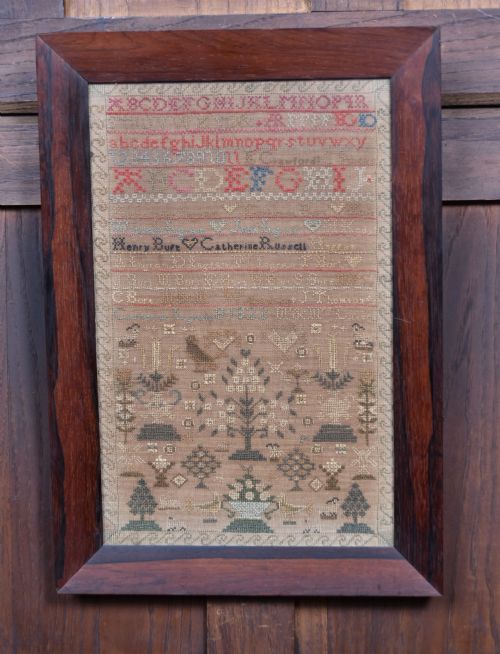
The version you are most likely to meet on this page is a framed sampler or silk picture bearing the maker's name and date. Such pieces often record personal milestones, such as a girl's age or a specific year of completion.
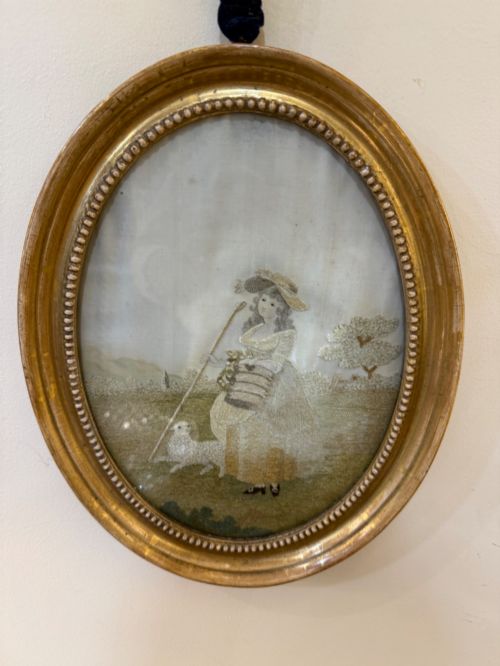
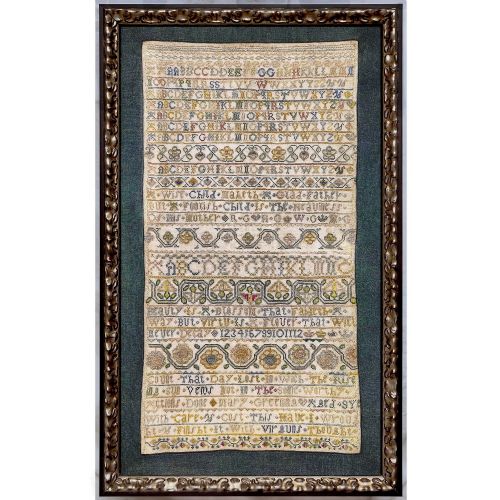
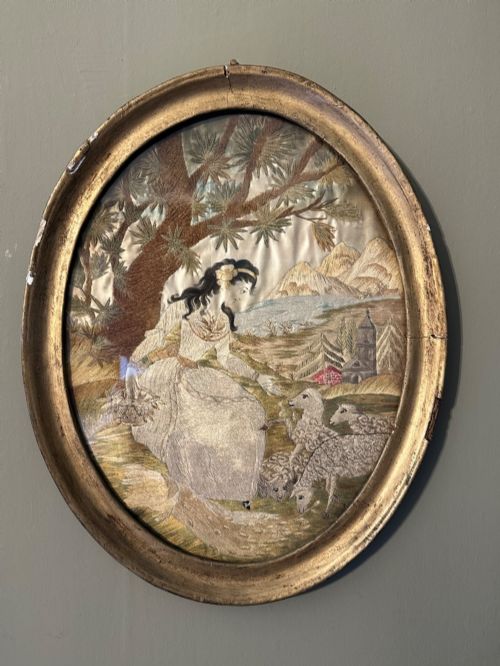
The forms range from English band samplers to Scottish needlework and oval woolwork pictures of girls in gardens. Many retain their original frames, including verre églomisé surrounds.
Assessing Quality and Execution
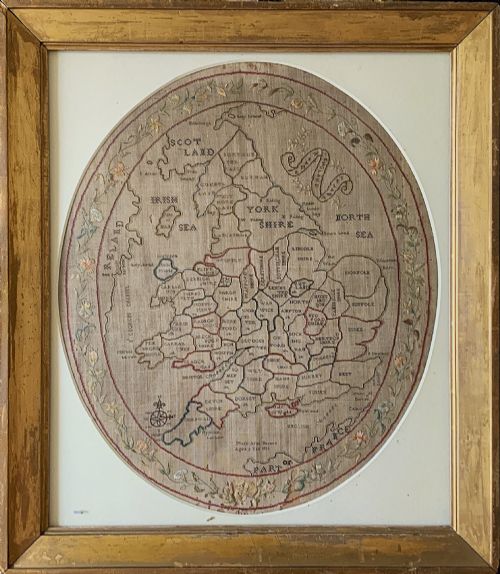
The distinction between ordinary and superior examples lies in the precision of the stitchwork and the complexity of the composition. Map samplers with detailed cartography and precise lettering command attention.
Condition plays a part in evaluation, particularly the preservation of the silk thread and the integrity of the painted background. Original frames enhance the completeness of a textile panel.
Georgian Embroidery Art Retail Price Guide 2026
Typical asking prices for georgian embroidery art among the pieces listed under this phrase on Sellingantiques today, from the lower quarter to the upper quarter. They describe what is for sale here now, not the wider market.
Listings include eighteenth-century band samplers, nineteenth-century map samplers and silk pictures worked on linen and wool.
Mary Banion·Mary Greening·Elizabeth Horn·Sarah Baker·Mary Mason·Ann B Gilies·Martha Hall·Mary Street
The Georgian Embroidery Art Glossary
- Sampler
- A piece of canvas or linen embroidered to demonstrate proficiency in various stitches and alphabets. These often include dates and maker names.
- Verre églomisé
- A process of applying gold leaf and painting on the reverse side of glass. This technique frames select nineteenth-century woolwork pictures.
- Crewel work
- Embroidery executed with wool yarn on a heavy linen foundation. It appears in early nineteenth-century decorative pieces.
- Silk floss
- Untwisted silk thread utilised for fine pictorial embroidery. It provides a glossy finish to figures and foliage.
Georgian Embroidery Art: Frequently Asked Questions
What is a georgian map sampler?
A map sampler is an embroidered representation of geography, most commonly England and Wales, worked by young girls as an educational exercise. These pieces often feature counties, towns and decorative cartouches.
They combine needlework skill with geographical instruction, occasionally bearing dates and the maker's age or name.
How do I date an antique sampler?
Many samplers include embroidered dates, alphabets or the maker's name and age, which provide a direct point of reference. Stylistic details such as framing materials and borders also assist in determining the period.
Needlework techniques evolved from early band samplers to pictorial landscapes and map designs across the eighteenth and nineteenth centuries.
How should I display framed textile art?
Framed needlework requires placement away from direct sunlight to prevent the fading of silk threads and hand-painted silk elements. Maintaining stable indoor humidity protects the linen and wooden frames.
Glass fronts protect the fragile embroidery from dust while allowing the detailed stitchwork to remain visible.
What subjects appear in these silk pictures?
Common subjects include pastoral farming scenes, literary narratives such as Jack and the Beanstalk, theatrical portraits and commemorative military pieces. Bird and garden motifs also recur in framed panels.
Makers translated these themes into silk floss and woolwork, often mounting the finished panels in period frames.