




Historic Textile Art
Historic textile art brings centuries of woven and stitched craft into modern spaces, offering tangible links to historical domestic and courtly life.
Historic Textile Art
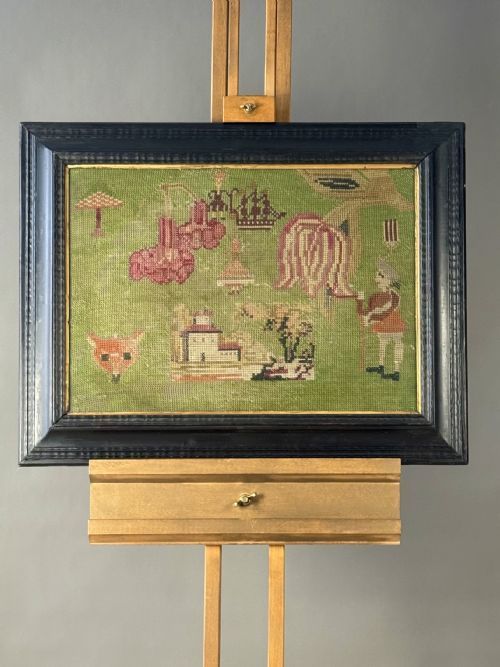
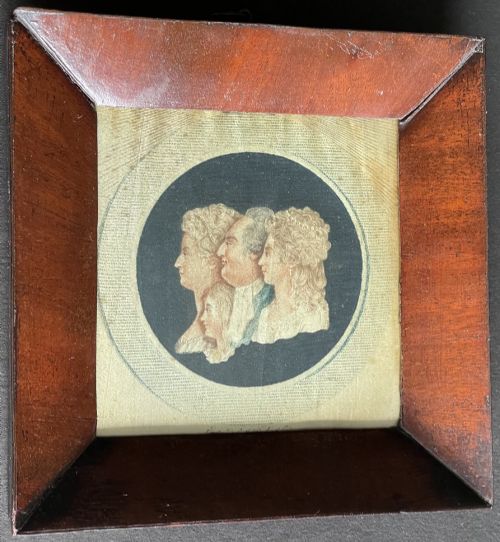
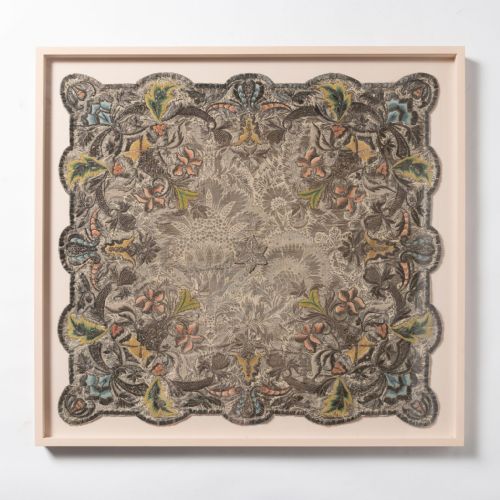
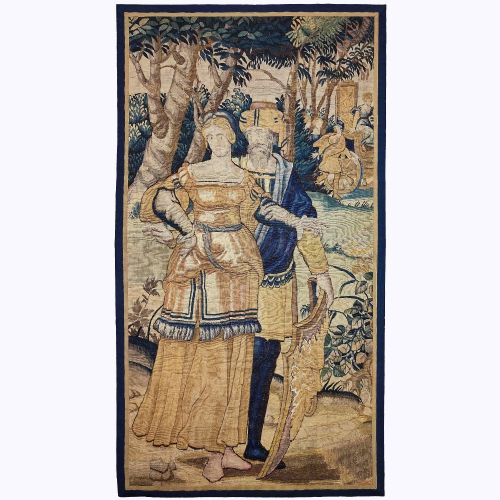
When you search for historic textile art, you encounter a diverse range of survival pieces spanning the sixteenth century through to the Victorian era. These works include large wall hangings, verdure tapestries, framed needlework panels, and detailed schoolgirl samplers.
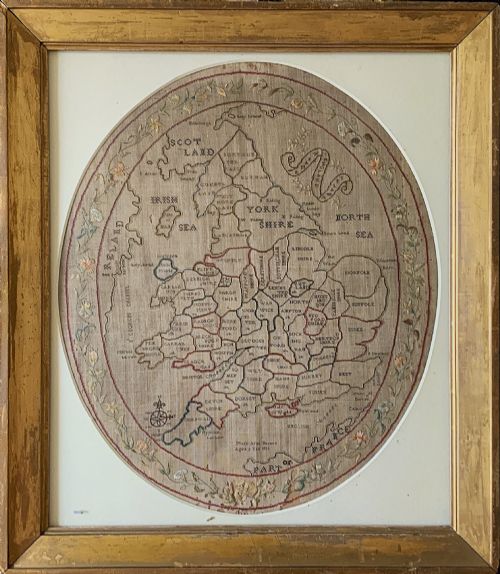
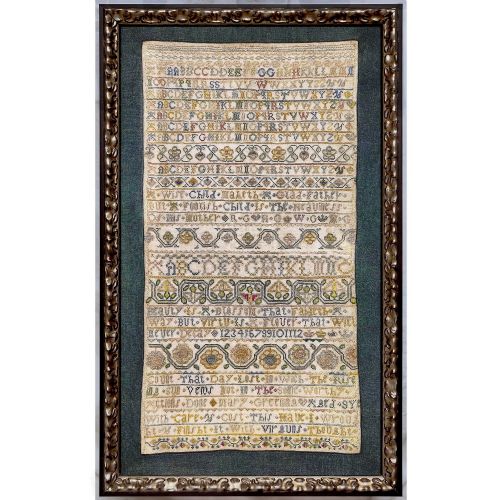
The version you are most likely to meet on this page is the needlework sampler or framed tapestry fragment originating from the seventeenth and eighteenth centuries. These textile works often display maps, biblical scenes, or botanical motifs worked in wool and silk on linen grounds.
Makers ranged from young girls completing domestic school exercises to master weavers in European workshops producing large scale Flemish and French wall hangings. Each piece serves as a physical record of period design, stitch technique, and contemporary education.
How they were made
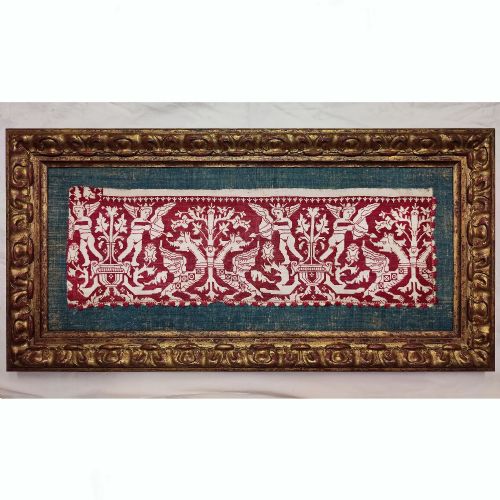
Makers utilised natural fibres including wool, silk thread, and linen, frequently mounting fragile antique textiles onto linen backing or framing them within wood and giltwood surrounds. Metal thread also appears in select European panels to add reflective detail to the woven design.
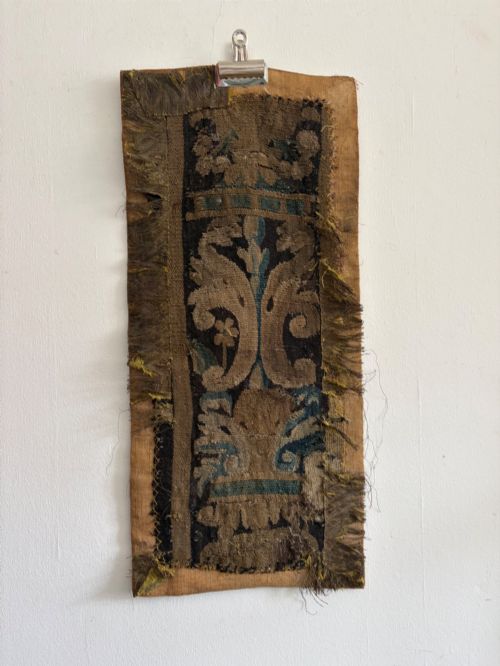
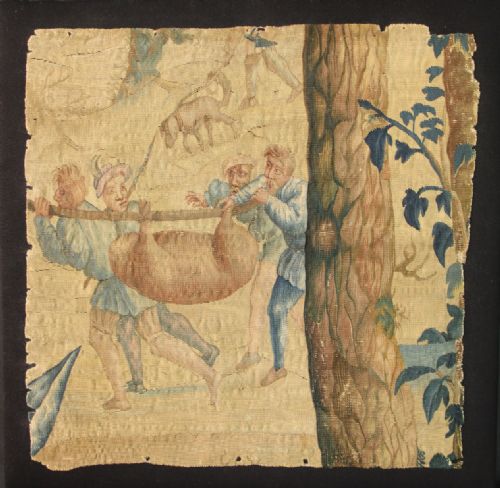
Construction techniques divide primarily between hand weaving on looms for tapestries and needlepoint embroidery for samplers and mounted picture panels. Fragments are often rescued from larger deteriorated hangings and professionally mounted for preservation.
The inventory records pieces originating from English, French, Flemish, Italian, and German workshops across multiple historic periods.
What varies in quality
The visual strength of a piece depends heavily on the fineness of the stitchwork and the preservation of the original dyestuffs within the wool and silk threads. Complex pictorial compositions and clear topographical details in map samplers demonstrate superior technical execution by the maker.
Condition and completeness separate standard examples from exceptional survivals, particularly in tapestries where full borders or intact panel dimensions remain unaltered. The quality of the mounting and the historical context provided by legible signatures or dates elevate individual items.
The Historic Textile Art Glossary
- Sampler
- A piece of needlework produced by a maker to demonstrate proficiency in various stitches and patterns. These often include alphabets, numbers, verses, and familial or school details.
- Verdure Tapestry
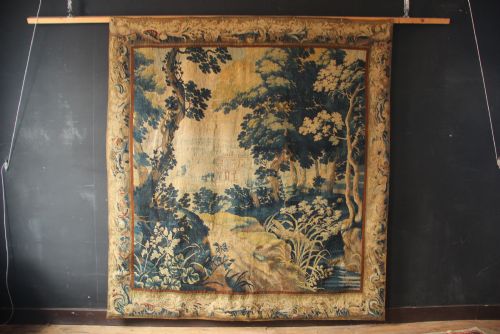
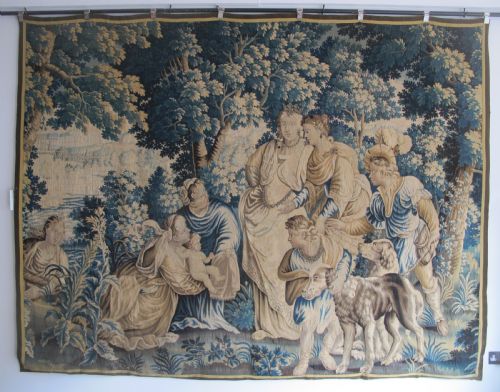
- A woven wall hanging dominated by landscape imagery featuring trees, foliage, and animals. These originated largely in Flemish and French workshops during the seventeenth and eighteenth centuries.
- Needlepoint
- Embroidery stitched onto a stiff open weave canvas or linen ground to cover the foundation entirely. This technique forms the pictorial surface of many framed panels and cushions.
- Band Sampler
- An early form of sampler featuring horizontal rows of distinct embroidery patterns arranged in bands. These were kept as pattern books by needleworkers.
- Metal Thread
- Thin strips of metal or metal wrapped core threads utilised in advanced embroidery and tapestries to introduce shimmering decorative accents.
Historic Textile Art: Frequently Asked Questions
What is historic textile art?
Historic textile art encompasses hand-stitched needlework, tapestries, and embroidered wall panels created across multiple centuries. These works reflect the domestic skills and artistic tastes of past European societies.
Surviving examples range from schoolgirl samplers dated to the Georgian period to large Flemish wall hangings from the seventeenth century.
How were old samplers used?
Samplers served primarily as educational exercises where young makers demonstrated their mastery of various embroidery stitches and lettering. They functioned as portable pattern references and decorative records of family trees or milestones.
Once completed, these textiles were frequently framed and displayed within domestic interiors as evidence of accomplishment.
What is a verdure tapestry?
A verdure tapestry is a specific style of woven wall hanging that focuses on lush botanical landscapes, trees, and foliage. Figures and animals occasionally appear, but the primary visual weight rests on plant life.
These pieces were woven in workshops across Flanders and France during the seventeenth and eighteenth centuries to insulate and decorate large stone rooms.
How do I care for textile art?
Historic textiles require protection from direct sunlight to prevent the fading of natural silk and wool threads. Maintaining stable indoor humidity levels also helps preserve fragile linen foundations and mounted panels.
Professional framing behind UV filtering glass ensures these works remain secure from physical handling and environmental dust.