



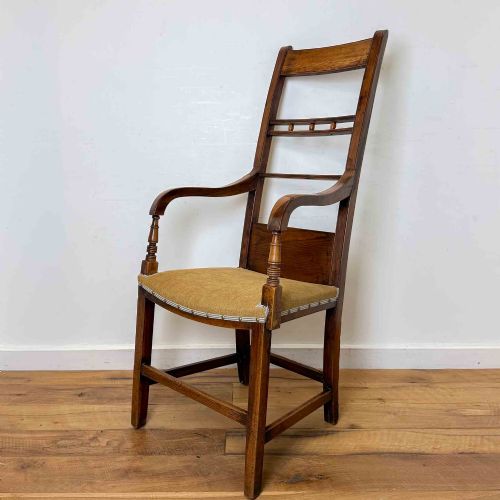
Georgian Elm Desk Chair
A georgian elm desk chair brings rugged vernacular character and warm timber tones straight into a modern study.
Georgian Elm Desk Chair
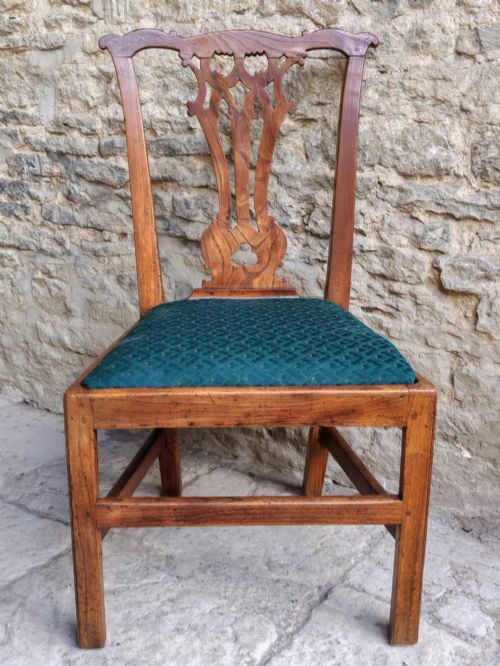
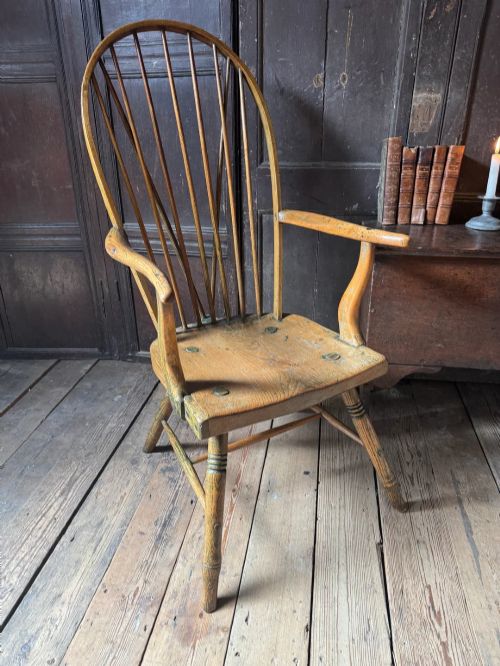
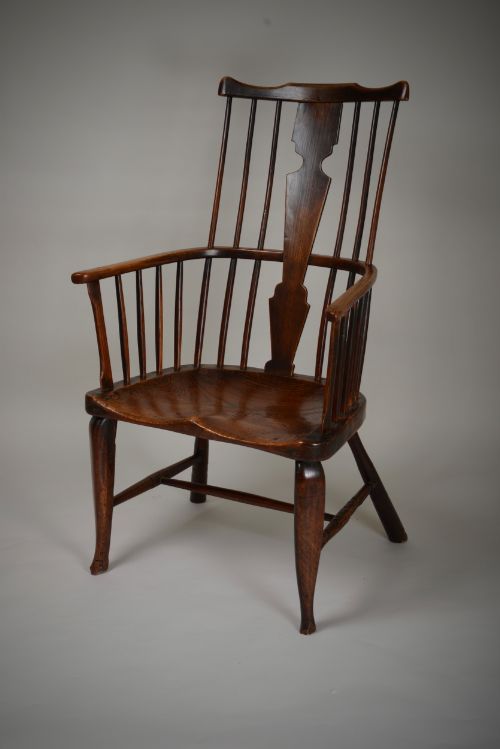
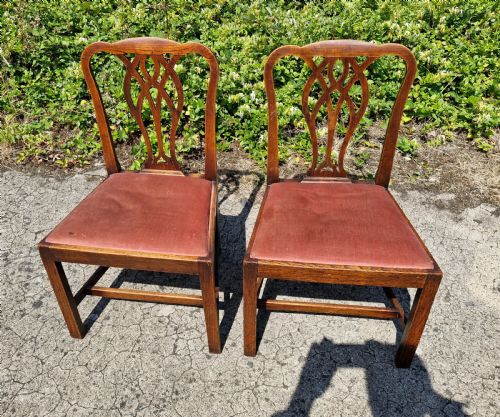
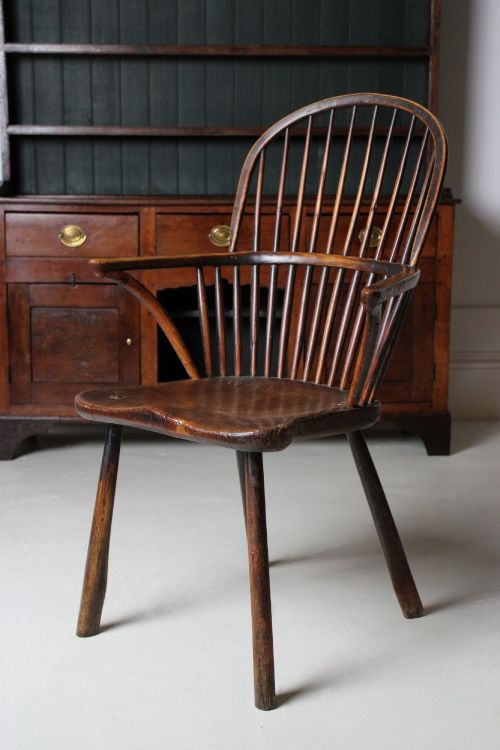
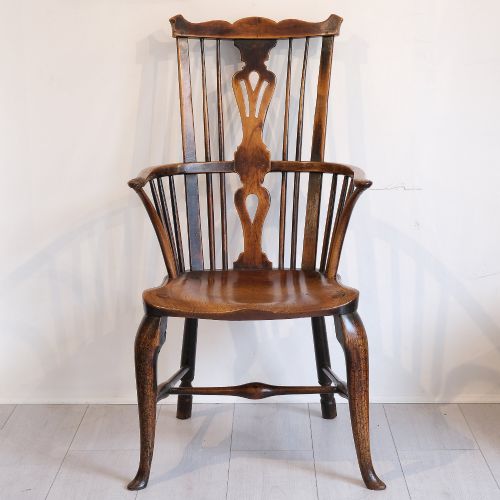
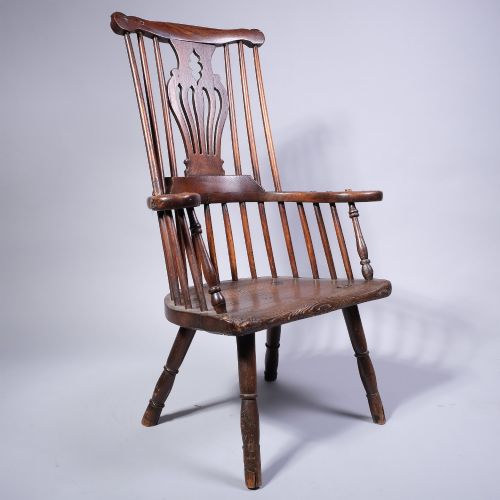
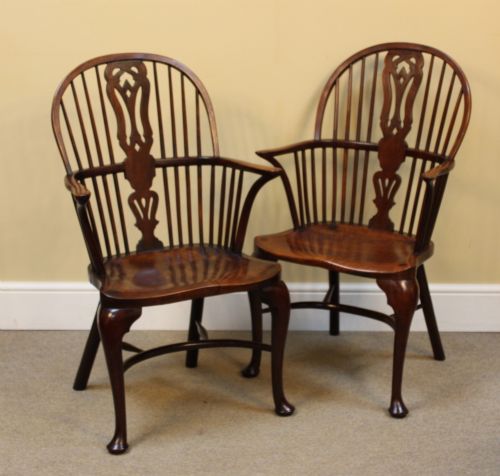
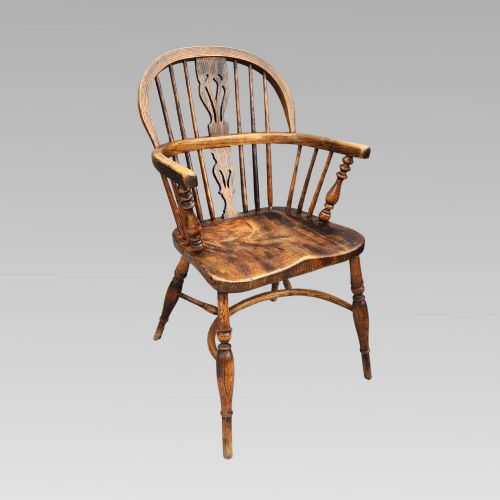
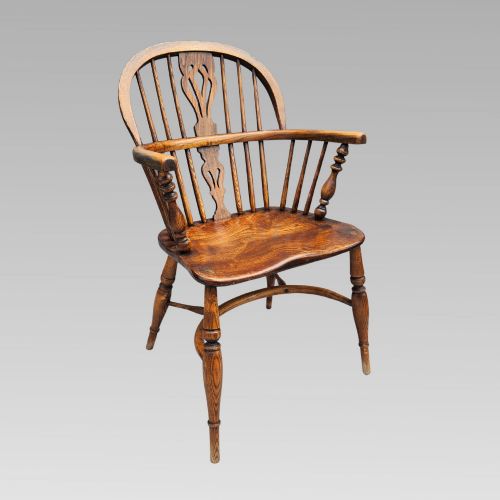
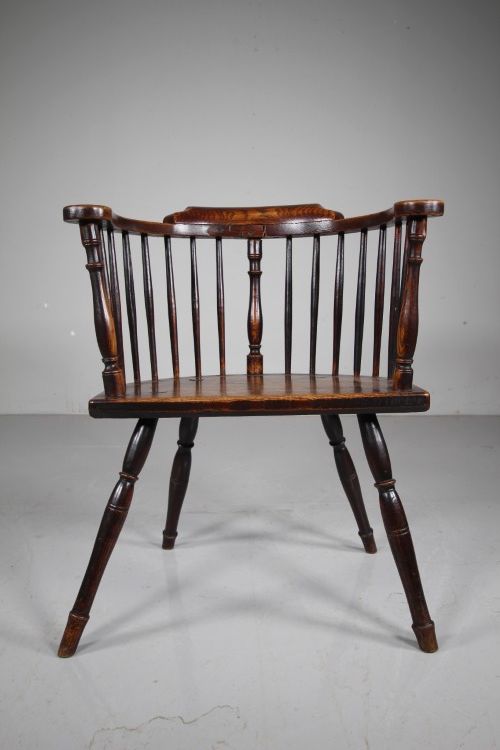
A georgian elm desk chair encompasses robust country house seating and sturdy office forms rooted in eighteenth and nineteenth century tradition. Buyers searching for a georgian elm desk chair typically encounter regional Windsor variations, comb backs, and low fiddle backs designed for heavy daily use.
The selections span English country vernacular styles, George III periods, and Regency pieces originating from rural workshops. Armchairs, carver chairs, and smaller side chairs dominate the selection, often combining elm with ash, yew, or fruitwood components.
Many examples double as study or office seating, reflecting the historical domestic workspace where timber strength mattered above all else. Regional English traditions dictate the specific back styles and stretcher arrangements found on these domestic items.
Materials and Methods
Craftsmen built these seats using a combination of elm for strong, figured seats and ash or yew for flexible spindles and bentwood hoops. Elm provides a tough, interlocking grain that resists splitting under pressure, making it ideal for solid saddle seats.
Makers utilised traditional green woodworking techniques, turning legs and stretchers on pole lathes before assembling the framework with tenons and wedges. Spindle backs and steam-bent armbows distribute weight evenly across the rigid timber structure.
Listings feature eighteenth and nineteenth century vernacular seating, incorporating regional ash, beech, and elm woods across Windsor and comb back forms.
Judging Quality
Quality rests in the depth of the timber grain, the tightness of the joint construction, and the integrity of the original surface patina. Superior examples display carefully sculpted saddle seats and well-matched timber figure rather than heavy repairs or replaced components.
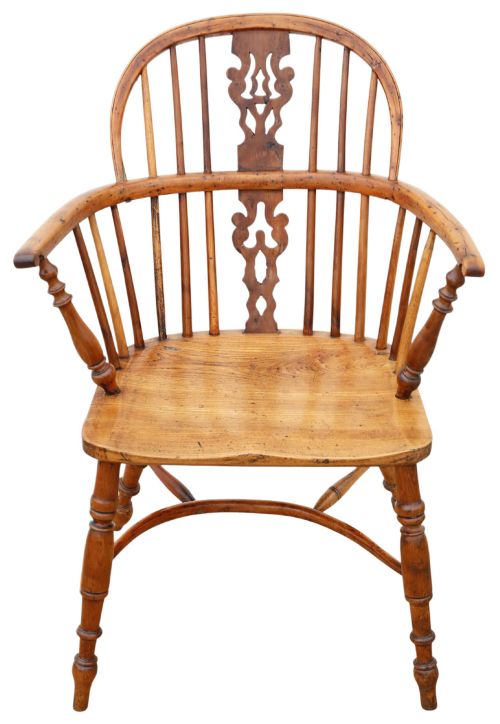
The balance of the proportions and the crispness of the turned stretchers differentiate fine vernacular pieces from utilitarian workshop output. Original structural bracing, such as crinoline stretchers, elevates the overall integrity of the seating.
The Georgian Elm Desk Chair Glossary
- Windsor chair
- A wooden chair featuring a thick solid timber seat into which the legs and back spindles are directly inserted. This construction method defines the majority of country seating.
- Comb back
- A Windsor chair design where the vertical spindles extend upward to support a horizontal crest rail resembling the teeth of a comb. It provides solid head and shoulder support.
- Crinoline stretcher
- An arched or bowed stretcher connecting the legs of a chair and reinforced by a secondary curved rail at the front. It adds significant lateral stability to the underframe.
- Vernacular
- Objects designed and built by local tradesmen using regional traditions and available materials rather than following rigid high-style pattern books. These pieces reflect local craftsmanship.
- Carver chair
- An armchair, frequently heavier and wider than a dining side chair, historically used by the head of the household at a desk or dining table.
Georgian Elm Desk Chair: Frequently Asked Questions
How do I spot a genuine Georgian elm desk chair?
Examine the seat construction for adze marks, deep colour patination, and timber shrinkage appropriate to eighteenth-century manufacture. Genuine examples show honest wear around the footings and joints rather than modern mechanical alterations.
Check the secondary timbers, such as ash or yew spindles, to ensure they match the regional characteristics of English country workshops. Period nails and wedged tenons further confirm authentic historic construction methods.
Were these chairs actually used at desks?
Historic domestic inventories frequently place robust armchairs and elbow chairs in studies, libraries, and estate offices for administrative tasks. Their sturdy elm seats and supportive spindle backs suited long hours of writing and daily business.
Over time, many country houses adapted these versatile armchairs from dining rooms to writing desks as domestic layouts evolved.
How should I care for elm timber furniture?
Maintain a stable indoor humidity level away from direct heat sources to prevent the elm seat boards from splitting or warping. Natural beeswax applied sparingly preserves the historic surface finish without building up unwanted residue.
Avoid harsh chemical cleaners and simply dust the spindles and carved details regularly with a dry, soft cloth.
What is a crinoline stretcher?
A crinoline stretcher is a curved wooden brace running between the legs of a chair, reinforced by an outward-sweeping front bow. This specific bracing style strengthens the entire underframe against outward pressure.
Cabinetmakers utilised this design frequently on eighteenth and nineteenth-century Windsor forms to increase durability.