




George III Elm Chairs
George iii elm chairs bring robust vernacular character into a room, combining native hardwoods with the unpretentious skill of regional cabinet-makers.
George III Elm Chairs
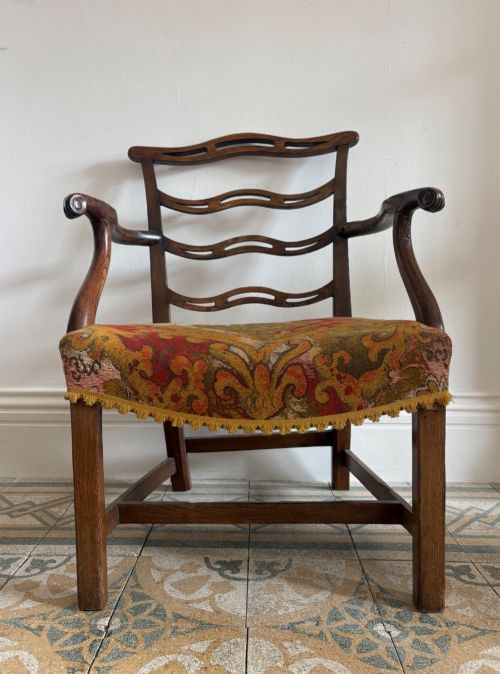
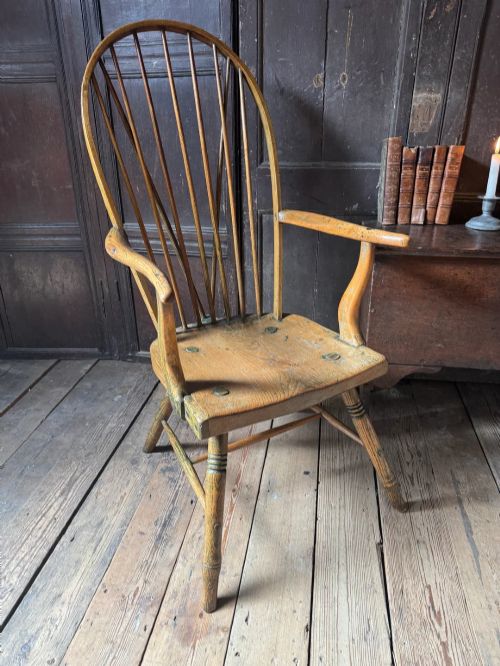
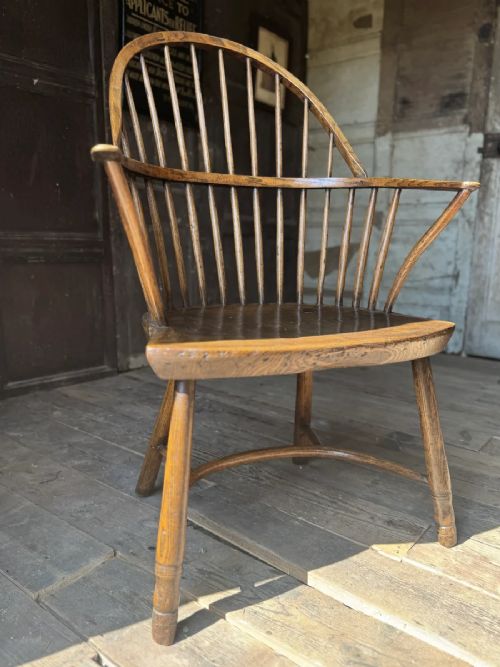
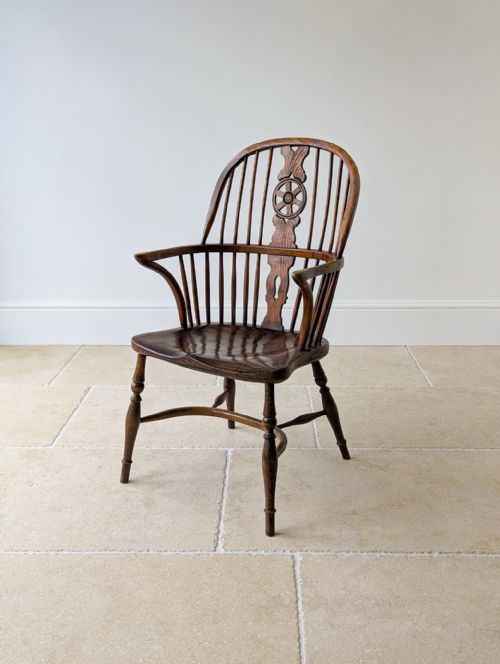
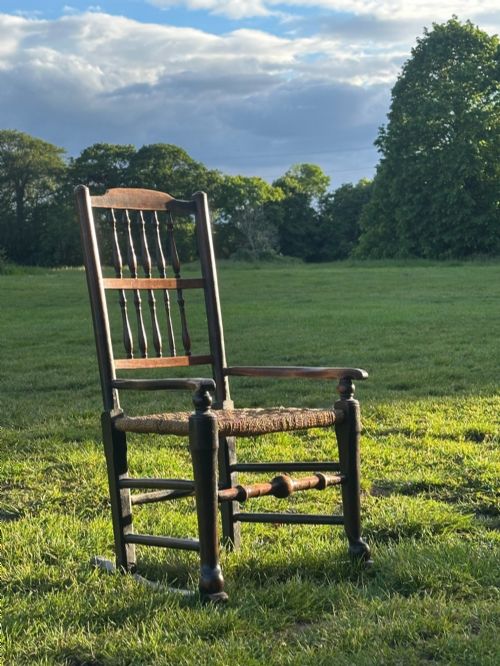
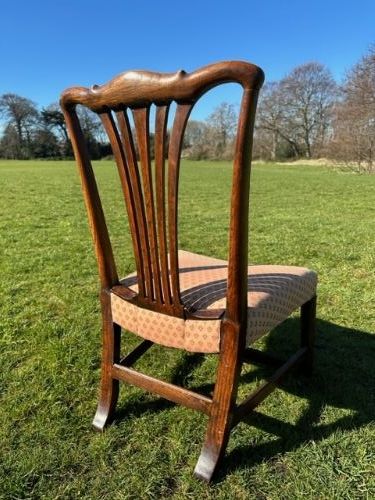
George iii elm chairs encompass a diverse range of regional seating, from high hoop-back Windsors and spindle-back carvers to sets of country dining chairs and low rocking variants. You will frequently encounter elm paired with ash or fruitwood, reflecting the resourceful timber choices of eighteenth-century makers working outside major metropolitan centres.
The styles span traditional ladderbacks and wheelbacks alongside vernacular interpretations of Chippendale, Hepplewhite, and Sheraton designs. These pieces served practical domestic roles in kitchens, halls, and dining rooms, resulting in sturdy forms built for everyday utility rather than formal display.
How they were made
Makers utilised native British timbers, turning to elm for seats due to its interlocking grain that resisted splitting under pressure. Ash and fruitwood provided strong spindles and legs, while rush, fabric, or leather furnished the drop-in and upholstered seating areas.
Construction relied on traditional joinery techniques such as mortise and tenon joints, steam-bending for Windsor hoops, and shaped crinoline stretchers for added stability. Regional workshops adapted urban high-style motifs into simpler, durable vernacular frameworks.
Recorded listings feature elm combined with ash, fruitwood, oak, and yew across Georgian seating forms.
What varies in quality
Quality rests upon the integrity of the timber selection and the retention of original structural components across the frame and seat. Chairs exhibiting crisp turning on spindles and well-defined regional characteristics command greater attention from collectors.
The survival of matching sets elevates significance, as does the presence of regional idiosyncrasies linked to specific English counties or production centres. Superior examples maintain their original surface patination and uncompromised joinery without extensive timber replacement.
The George III Elm Chairs Glossary
- Elm
- A native hardwood valued for its dense, twisted grain which prevents splitting, making it the primary choice for solid chair seats.
- Windsor chair
- A chair built with a solid wooden seat into which the legs, back, and spindles are directly tenoned.
- Crinoline stretcher
- An arched underframe connecting the legs of a Windsor chair that adds structural rigidity and serves as a footrest.
- Vernacular
- Objects made by regional artisans following local traditions rather than strict academic architectural designs.
- Carver
- An armchair, often designed en suite with a set of matching side chairs for use at the head of a dining table.
George III Elm Chairs: Frequently Asked Questions
Where were george iii elm chairs made?
These chairs were produced across various English regions, with distinct styles emerging from the West Country, Lancashire, Cheshire, and East Anglia.
Local timber availability and regional workshop traditions heavily influenced whether a chair became a Windsor, a ladderback, or a Chippendale-inspired dining seat.
How do I care for antique elm furniture?
Keep elm chairs away from direct heat sources and dramatic humidity fluctuations to prevent the timber from drying out or splitting.
Apply a traditional beeswax polish occasionally to nourish the surface and maintain the natural lustre accumulated over centuries.
Are sets of these dining chairs common?
Finding matching sets of country dining chairs from this period is uncommon because many were produced in smaller regional workshops or dispersed over time.
Pairs and smaller sets appear with some regularity, while larger groupings of six or more represent a significant survival rate.