


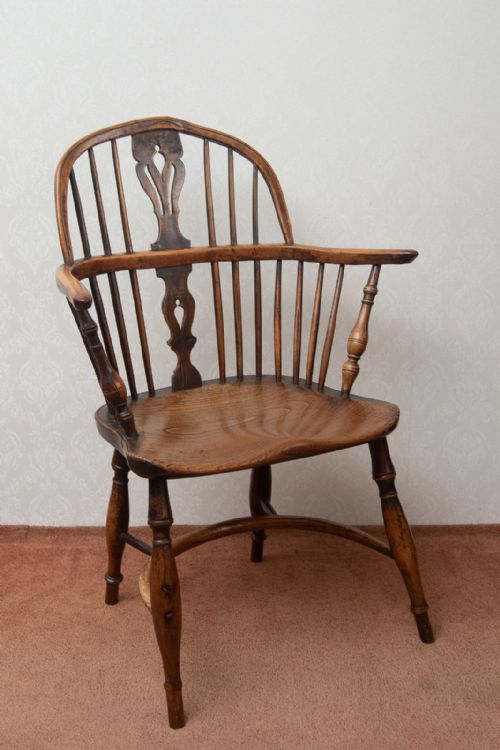

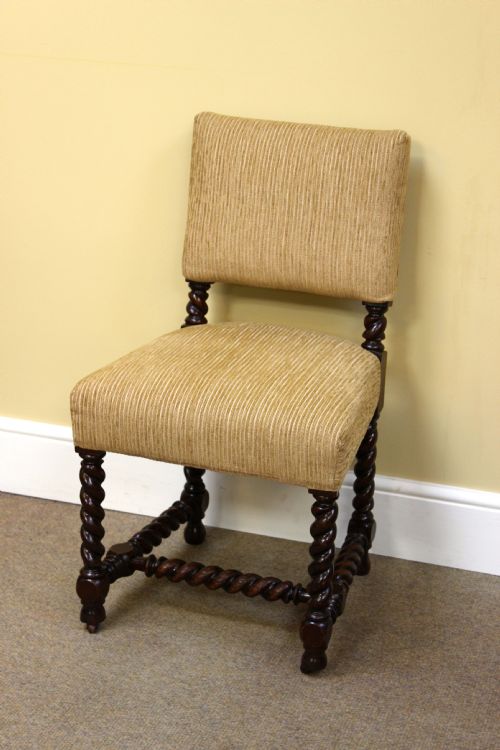


Ash Side Chair
An ash side chair brings robust English vernacular character into a room, offering honest construction and tactile country timbers.
Ash Side Chair
An ash side chair is a sturdy piece of vernacular seating designed primarily for functional use around the kitchen or dining table. When searching for an ash side chair, buyers frequently encounter nineteenth-century examples and earlier Georgian forms that combine local timbers.
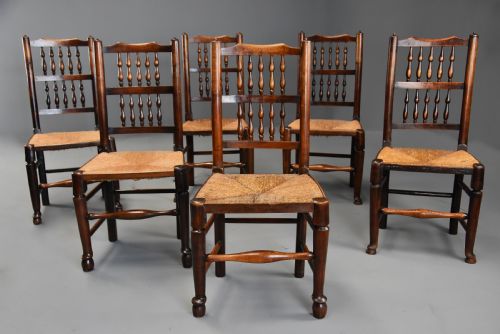
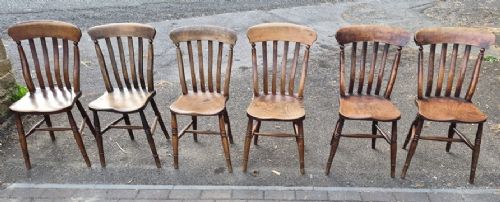
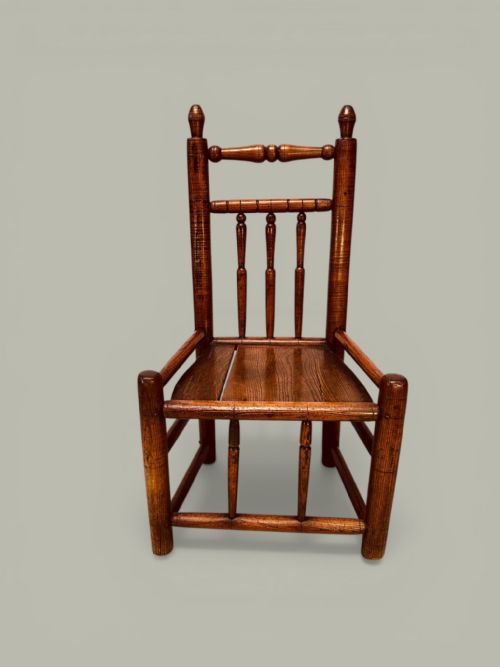
The inventory on this page ranges from seventeenth-century turned frames to Victorian kitchen sets and Arts and Crafts productions. Regional variations, such as Irish súgán seating and Thames Valley Windsor forms, appear regularly alongside simpler spindle backs.
Assessing quality and retention
Quality rests in the integrity of the original turnings, the depth of the surface patina, and the retention of matching timbers across a set. Harlequin sets demonstrate how individual country chairs were gathered over time, whereas matched sets reflect commission-level output from distinct regional hubs.
The tightness of the joints and the preservation of woven rush or straw seats dictate how well a piece survives daily use. Minimal replacement of structural members ensures the historic character remains intact.
Listings feature ash combined with elm, rush, and straw across seventeenth, eighteenth, and nineteenth-century English and Irish vernacular styles.
Lawrence Neal·Whytock & Reid·Morris & Co.
The Ash Side Chair Glossary
- Spindle back
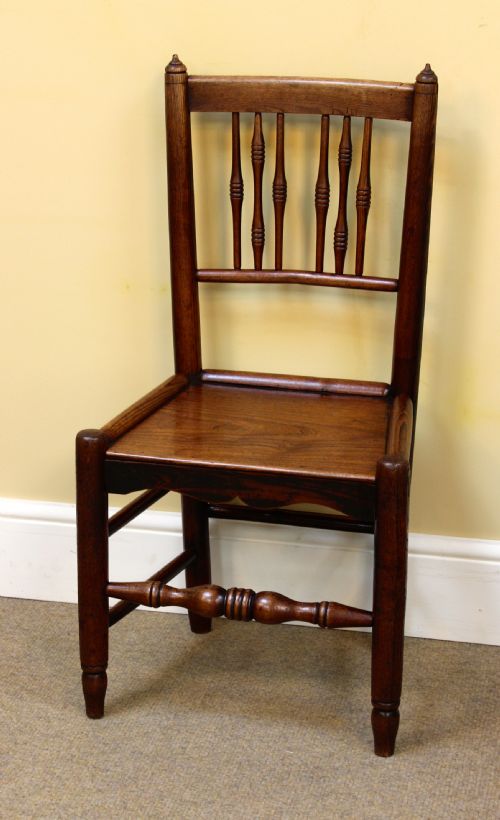
- A chair design featuring vertical wooden rods fitted into the back rail. This construction provides lightweight support and appears frequently in vernacular seating.
- Windsor chair
- A form characterised by a solid wooden seat into which the legs and back sticks are wedged directly. These chairs often combine ash framing with elm seats.
- Súgán
- A traditional Irish term for twisted straw or hay used to create plaited seating surfaces. It offers a resilient and tactile texture.
- Patina
- The surface sheen and colour developed over decades of handling, polishing, and natural ageing. A deep patina indicates honest age and care.
- Harlequin set
- A collection of dining or side chairs that share similar forms and periods but were not originally manufactured as a single unified group.
Ash Side Chair: Frequently Asked Questions
What is an ash side chair?
An ash side chair is a traditional wooden seat without arms, constructed using native ash timber for its frame and legs. These pieces were built for everyday domestic utility in kitchens, halls, and dining rooms.
They display regional vernacular designs ranging from simple spindle backs to Windsor forms and ladder backs. The construction prioritises durability and straightforward utility over formal display.
How do I care for rush seats?
Rush and straw seats require a stable indoor environment protected from damp conditions and direct sunlight. Regular dusting with a soft brush prevents debris from settling between the fibres.
Avoid using liquid cleaners on natural plant weaves to prevent the material from becoming brittle. Keeping the atmosphere moderately humid preserves the flexibility of the straw.
How are 18th and 19th-century chairs different?
Eighteenth-century examples often feature heavier turnings, deeper patination, and construction methods tied closely to local village traditions. These pieces frequently show distinct regional variations in the shaping of the crest rails and legs.
Nineteenth-century pieces tend toward standardised production methods, including larger sets intended for Victorian dining rooms. Mechanised lathe work became more common in the later period, refining the spindle profiles.
Can I use them daily?
These chairs were originally built for heavy daily use in farmhouses and cottages, making them structurally suited for modern dining settings. Checking the joints for stability ensures the frame handles regular weight safely.
Placing felt pads beneath the legs protects both the wooden feet and modern flooring surfaces. Routine checks of the wedged joints keep the seating secure over time.
What is a harlequin set?
A harlequin set consists of chairs that share a matching style, period, and timber but were collected together rather than made as one batch. Country dining sets often accumulated this way as households gathered functional seating over generations.
Slight variations in the turning or height reveal the individual origin of each chair within the group. This assembled character adds visual depth to a dining space.