


Georgian Drinks Cabinet
When you handle a georgian drinks cabinet, you touch the heavy timbers and fitted interiors that kept family wine and spirits secure.
Georgian Drinks Cabinet
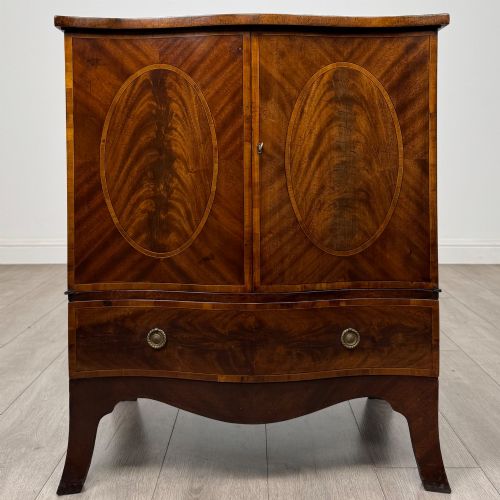
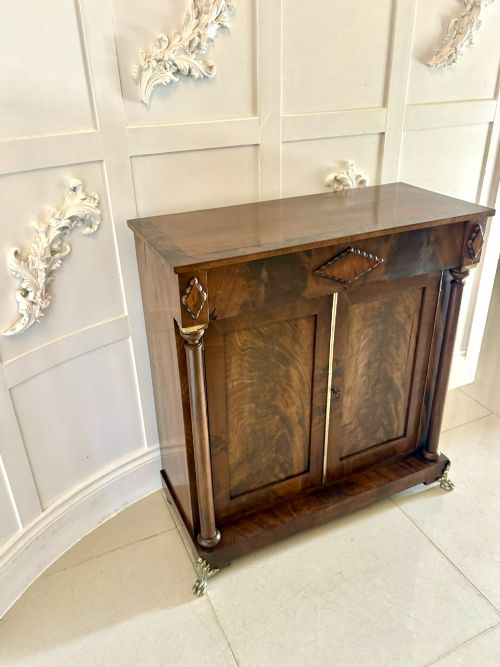
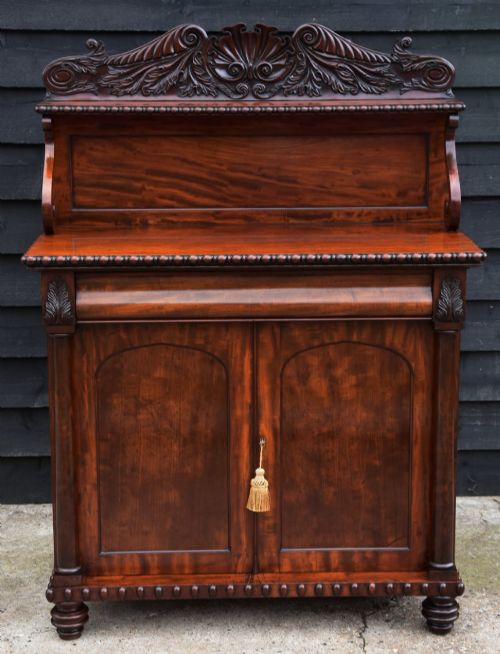
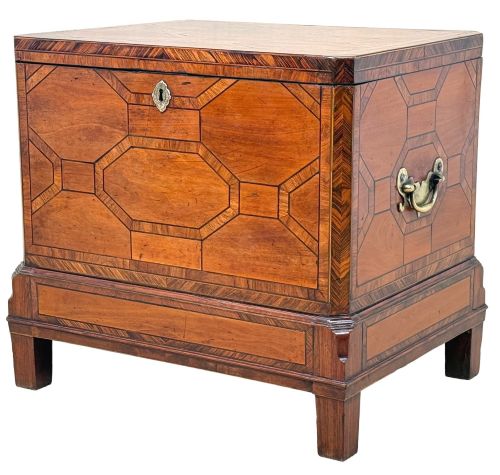
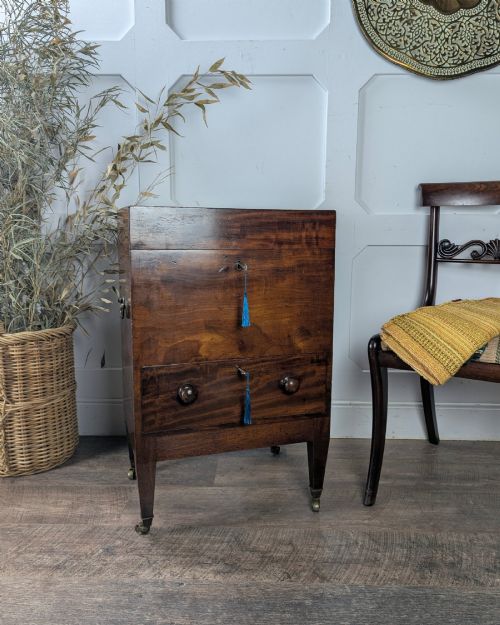
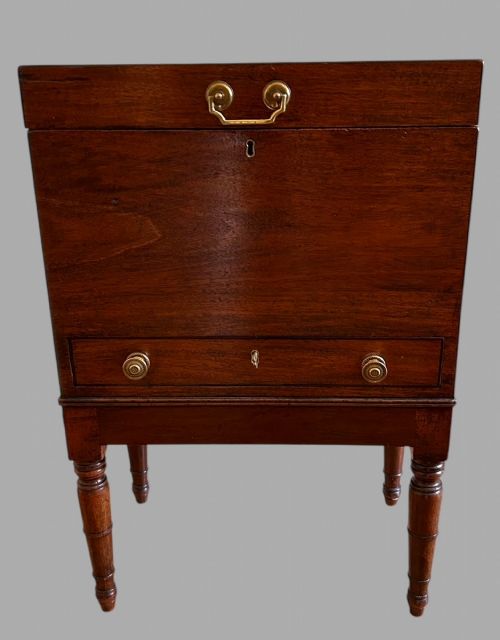
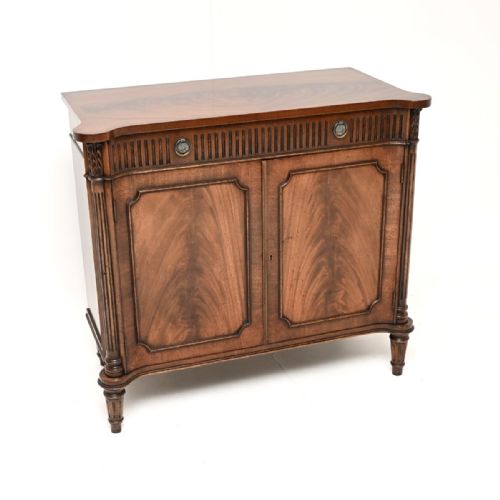
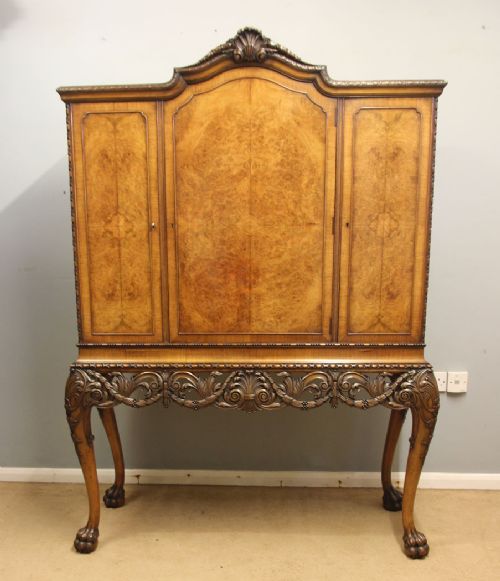
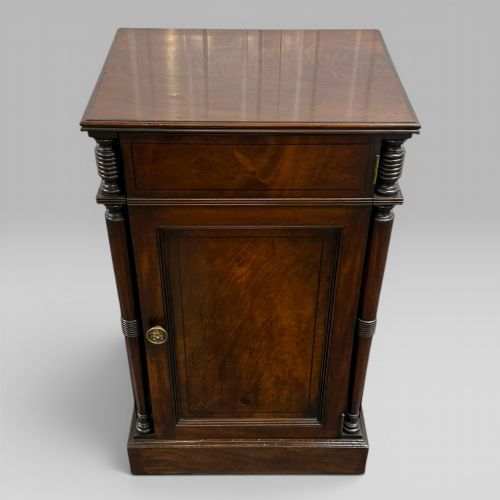
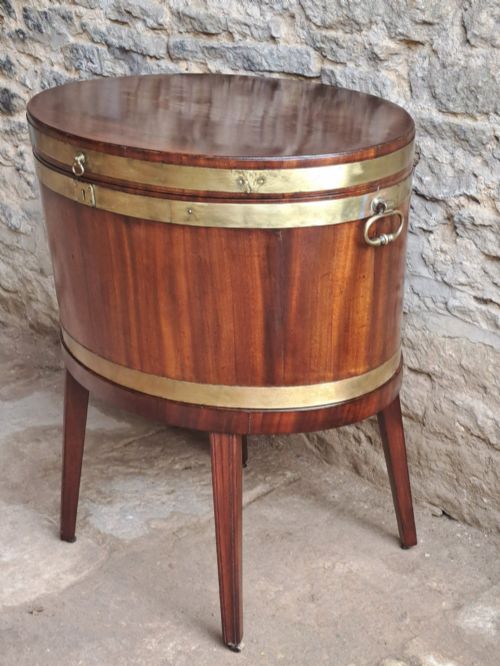
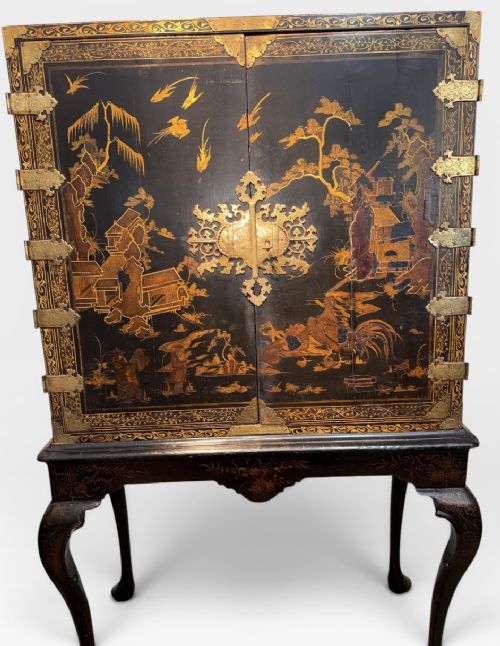
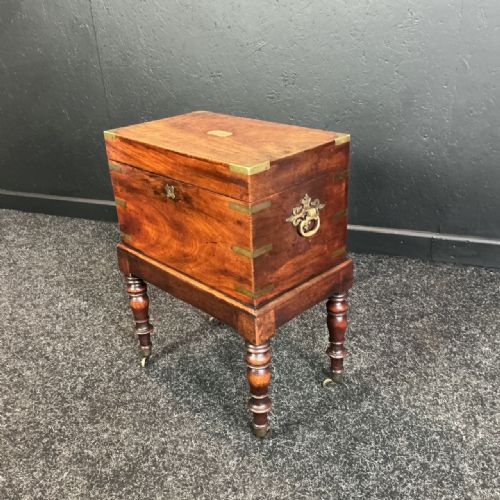
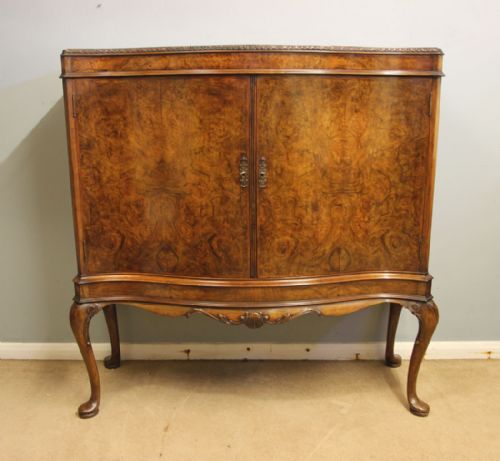
A georgian drinks cabinet takes the form of cellarettes, wine coolers, side cabinets, and corner cupboards designed for storing bottles and glassware. You will encounter cellarettes and wine coolers most often on this page, alongside corner wall-hanging cupboards.
The periods span from the 18th century and Georgian eras through the Regency, William IV, and Edwardian revivals. Pieces range from table-height cellarettes to tall corner cabinets fitted with locking doors and drawers.
Makers and workshops of the time built these pieces to house valuable liquids safely in the dining room or parlour. The survival of original keys and interior dividers indicates how domestic life operated in large households.
How they were made
Cabinet makers relied on solid mahogany, flame mahogany veneer, burr walnut, and satinwood, often accentuating the grain with boxwood inlay. These timbers provided the structural strength needed to support heavy loads of glass and bottled spirits.
Metal fittings such as brass handles, castors, and ormolu mounts reinforced the corners and allowed heavy cellarettes to move across carpets. Glazing and brass grilles protected the contents of wall-hanging corner cabinets while displaying the glassware within.
Georgian Drinks Cabinet Retail Price Guide 2026
Typical asking prices for georgian drinks cabinet among the pieces listed under this phrase on Sellingantiques today, from the lower quarter to the upper quarter. They describe what is for sale here now, not the wider market.
Bottles travelled safely in cellarettes lined with lead, proving that historical refrigeration relied on ingenuity and a sturdy timber box.
What varies in quality
The selection of timber veneer dictates the visual rhythm of the piece, with matched flame mahogany and burr walnut setting the highest standard. Grain continuity across doors and drawers demonstrates the skill of the cabinet maker.
Interior fittings reveal the original purpose and grade of construction, from simple timber partitions to lead-lined cooling compartments in wine coolers. The integration of locks, brass handles, and fine boxwood stringing separates utilitarian storage from grand vernacular furniture.
Gillows
The Georgian Drinks Cabinet Glossary
- Cellarette
- A low cabinet or box designed specifically to hold bottles of wine and spirits, often lined with lead or fitted with internal dividers. They frequently sit on low legs or castors for movement around the dining table.
- Chiffonier
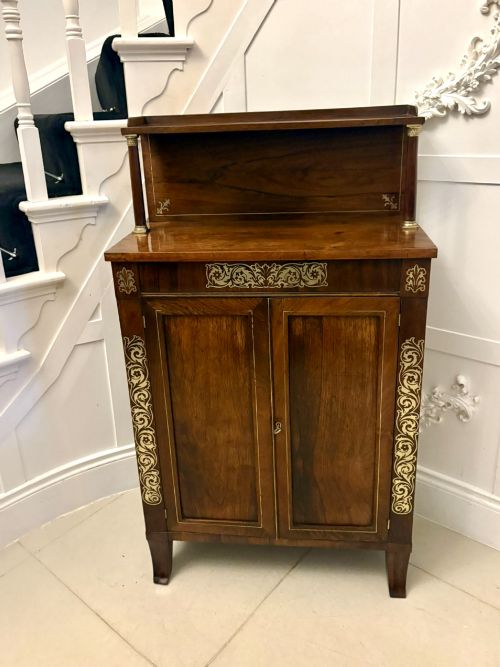
- A low sideboard or cabinet developed during the Regency period, featuring doors below and often a shelf above. These pieces accommodated glassware and serving items in the parlour.
- Metamorphic
- Furniture designed to transform from one form to another, such as a cellarette table that shifts function when opened. This mechanical ingenuity marks out higher-end workshop production.
- Demi lune
- A half-moon shape used for the footprint of small side cabinets and tables. This curved profile allowed pieces to sit flush against dining room walls without blocking doorways.
- Ormolu
- Gilt-bronze mounts applied to the corners and feet of furniture for decoration. The technique added metallic contrast to dark woods like mahogany.
Georgian Drinks Cabinet: Frequently Asked Questions
How were cellarettes used?
Cellarettes sat beneath the sideboard or beside the dining table during formal meals to keep wine cool and secure. Servants unlocked them to replenish decanters as the evening progressed.
Many featured lead linings designed to hold melting ice around the bottles. Others relied on timber dividers to prevent glass bottles from knocking together.
Where did corner cabinets go?
Corner cupboards and cabinets hung on the walls or stood on the floor in dining rooms, parlours, and hallways. Their triangular footprint made efficient use of unused space in smaller rooms.
Glazed doors allowed guests to view the glassware and spirits stored inside. Solid doors kept everyday household provisions out of sight.
How do I spot a revival piece?
Revival pieces from the Edwardian era or the 1920s often use machine-cut veneers and standardised brass hardware. The internal construction methods differ from 18th-century workshop standards.
Examining the secondary woods used inside drawers and backboards helps clarify the period. Old tool marks and hand-cut dovetails point to earlier Georgian craftsmanship.
Did all wine coolers have lead linings?
Wine coolers and cellarettes frequently featured lead linings to hold ice and water for chilling bottles. Not every box required this treatment, as some served purely for dry storage.
Evidence of a removed liner appears as screw holes or soldered edges inside the timber box. Dry cellarettes focused entirely on bottle separation rather than temperature control.