
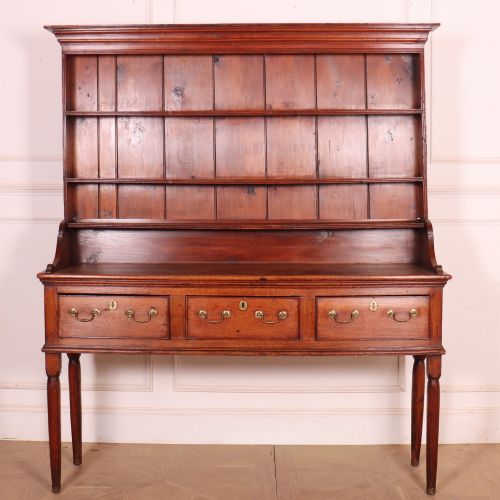
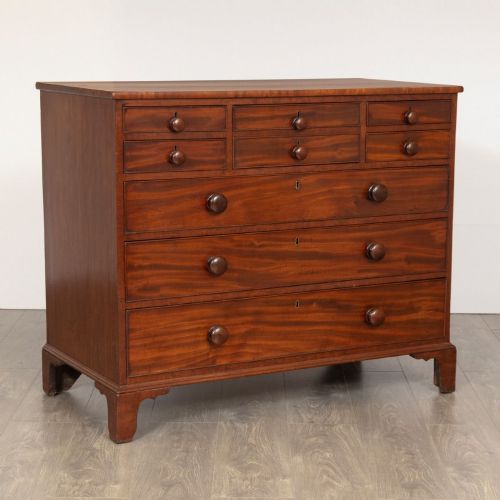
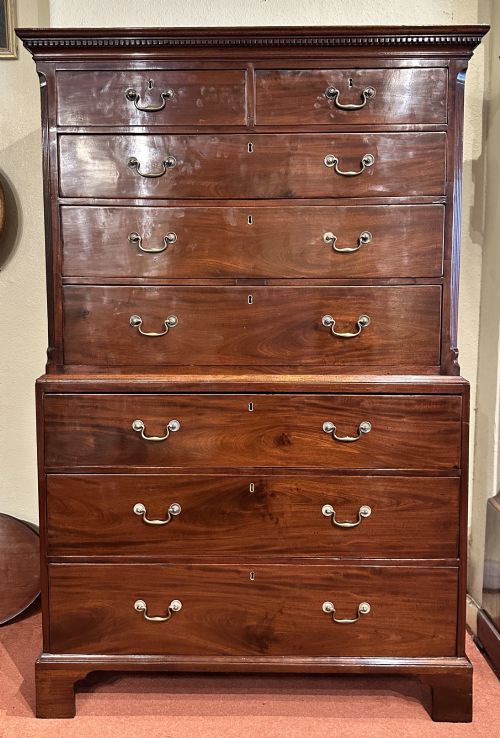
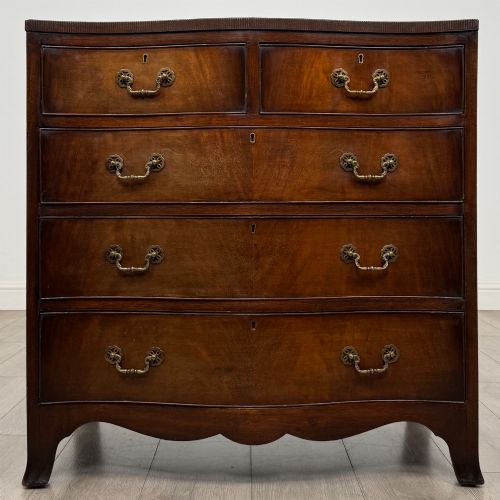
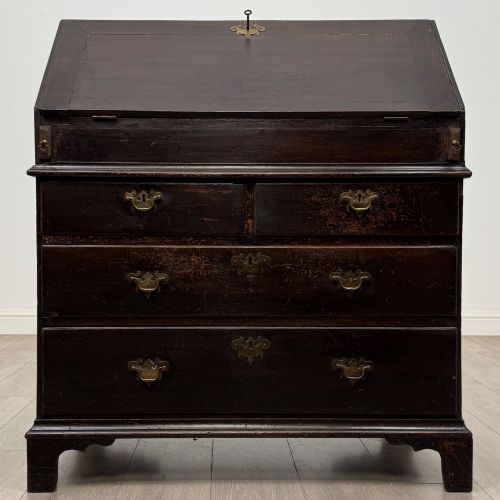
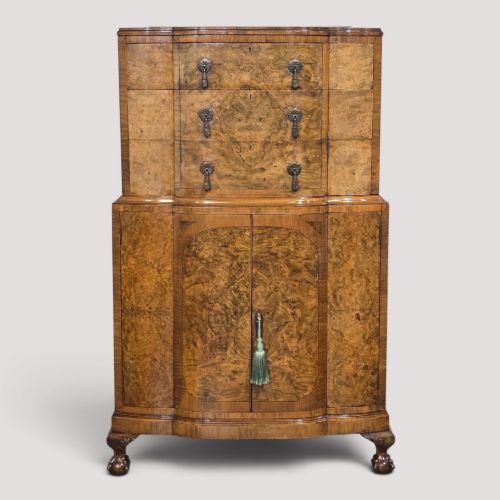
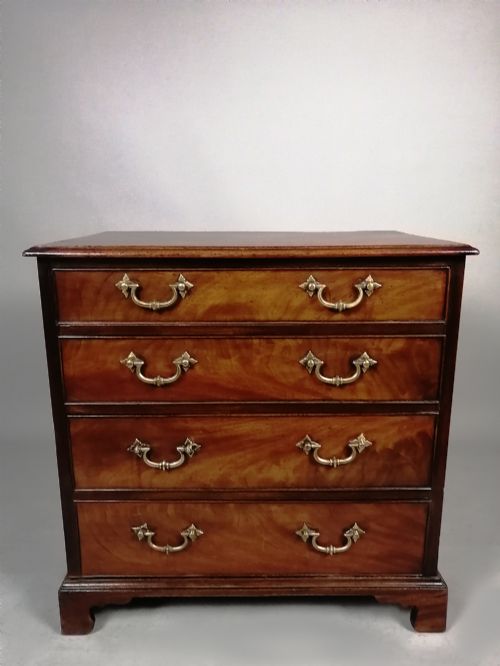
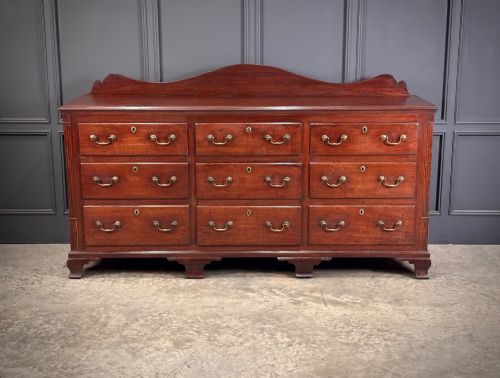
Georgian Drawer Cabinet
A georgian drawer cabinet combines practical storage with formal proportions, offering a solid architectural presence suited to traditional and modern interiors alike.
Georgian Drawer Cabinet
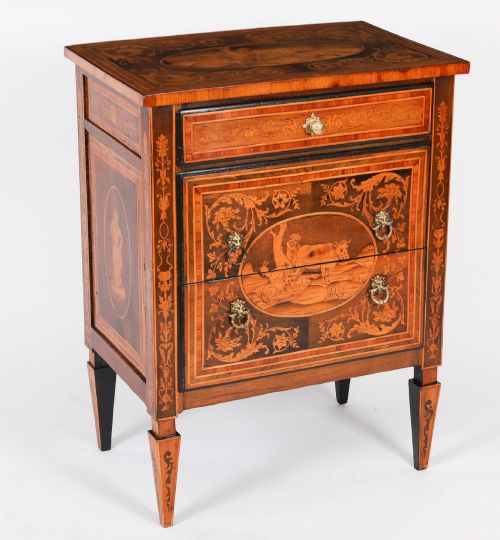
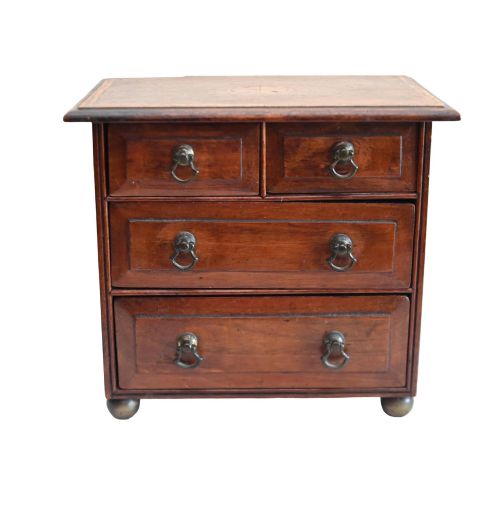
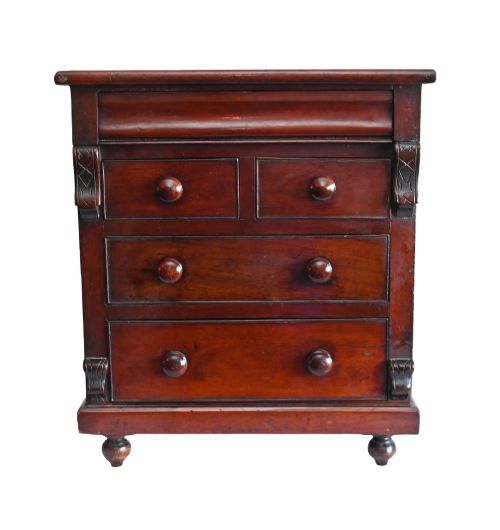
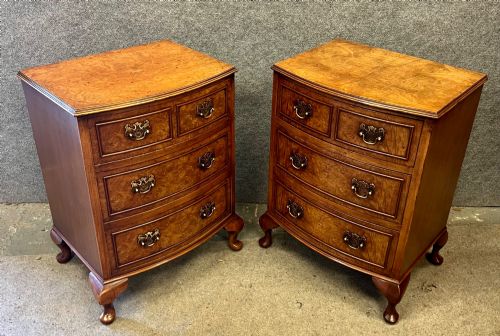
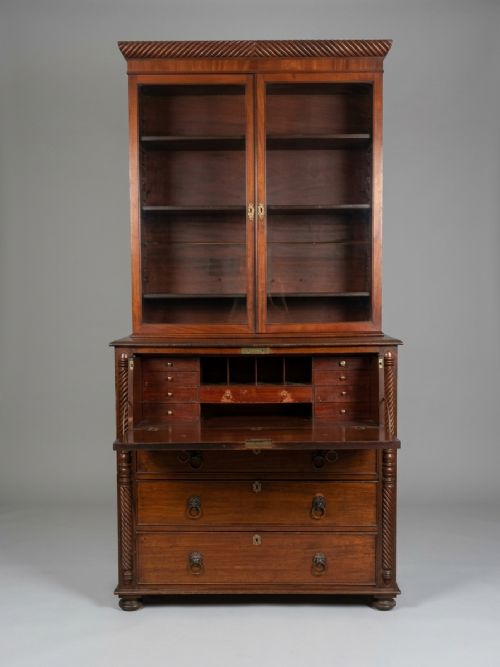
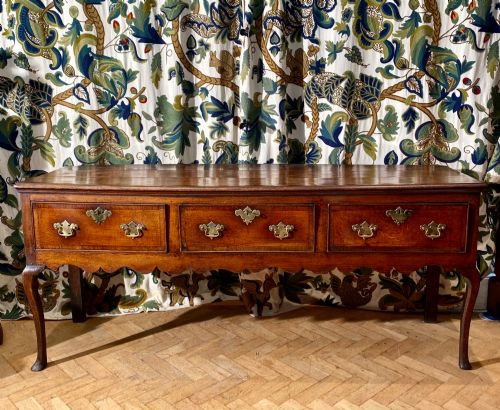
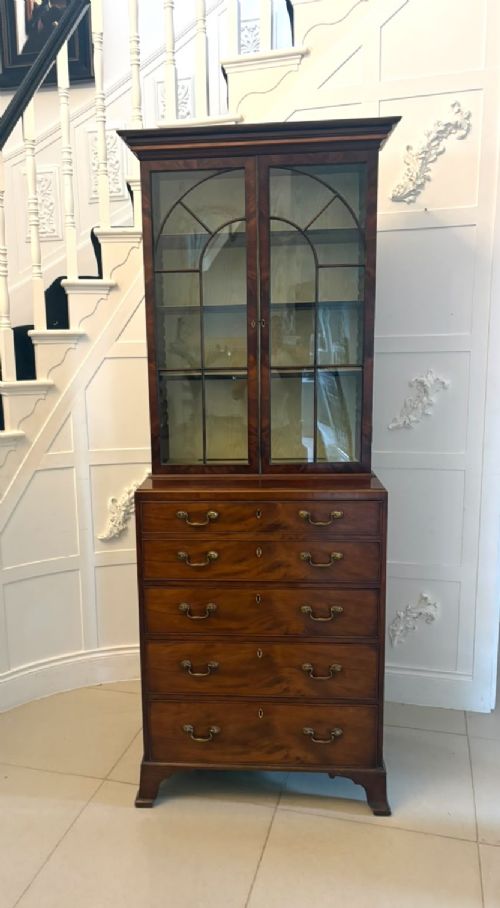
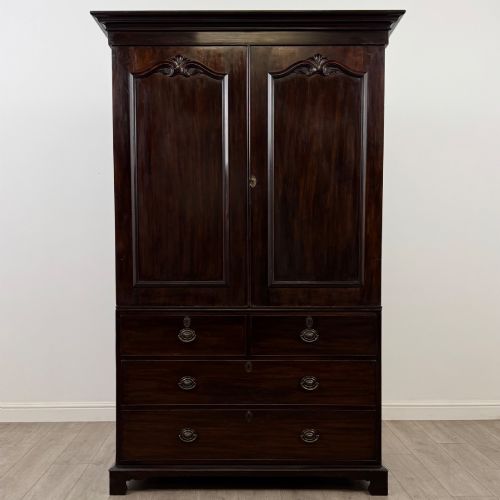
The term georgian drawer cabinet encompasses a diverse group of storage pieces, ranging from compact bedside units and lowboys to tall chests on chests and fitted writing bureaux. These items appear across the Georgian, Regency, and Queen Anne periods, alongside later revival interpretations from the Edwardian era and the twentieth century.
Chest of drawers and bureau formats dominate the selection, often constructed with multiple stacking drawers, drop fronts, or enclosed cabinet doors above storage compartments.
Buyers also encounter specialised forms such as secretaire bookcases, apothecary chests, and bedside cabinets in various timber species.
Materials and construction
Cabinet makers relied primarily on mahogany, walnut, and oak, frequently utilising finely figured veneers, burr walnut, and satinwood to create decorative surface patterns on drawer fronts and panels.
Hardware such as brass handles and escutcheons complement the dense timber grains, while secondary elements incorporate leather writing surfaces and glass door panels.
Homeopathic and apothecary cabinets hide tiny drawers once designed to keep tiny remedies sorted.
Judging execution
Quality separates pieces through the precision of timber selection, such as matching flame mahogany or burr walnut across multiple drawer tiers, and the crispness of cabinet joinery.
Subtle distinctions emerge in secondary woods, interior drawer construction, and the integration of original brass hardware rather than later replacements.
The Georgian Drawer Cabinet Glossary
- Chest on chest
- A tall storage unit comprising two distinct carcass sections, one stacked directly on top of the other, providing numerous drawers while minimising floor space. This form is frequently referenced as a tallboy in historical records.
- Bureau
- A desk featuring a sloping fall-front flap that opens to reveal an internal arrangement of small drawers and pigeonholes above standard storage drawers. It serves writing and storage functions simultaneously.
- Lowboy
- A small table with one or more rows of drawers supported on four legs, typically utilised as a dressing table or side cabinet during the eighteenth century.
- Crossbanding
- A decorative border technique where thin strips of veneer are laid around the perimeter of a drawer front or tabletop so that the grain runs perpendicular to the central panel.
- Secretaire
- A cabinet or bureau containing a dedicated writing drawer with a drop-down front that conceals fitted compartments and a leather or baize writing surface.
Georgian Drawer Cabinet: Frequently Asked Questions
How do I identify a true period piece?
Authenticating a period piece requires examining construction methods, timber patination, and the integration of period-appropriate brass hardware.
Makers from the eighteenth century utilised hand-cut joinery and native or imported hardwoods that display natural ageing and wear patterns distinct from later revival furniture.
Where should I place a bedside cabinet?
Compact bedside cabinets and small chests fit easily beside standard bed frames, offering enclosed storage for personal items within easy reach.
Their balanced proportions also allow them to function as lamp tables or hallway accent pieces in smaller rooms.
Can I use a bureau as a desk?
A bureau serves as a practical writing desk because the hinged fall-front opens downward to create a sturdy wooden writing surface.
Internal compartments keep stationery and small accessories organised while maintaining a tidy appearance when the flap is closed.