


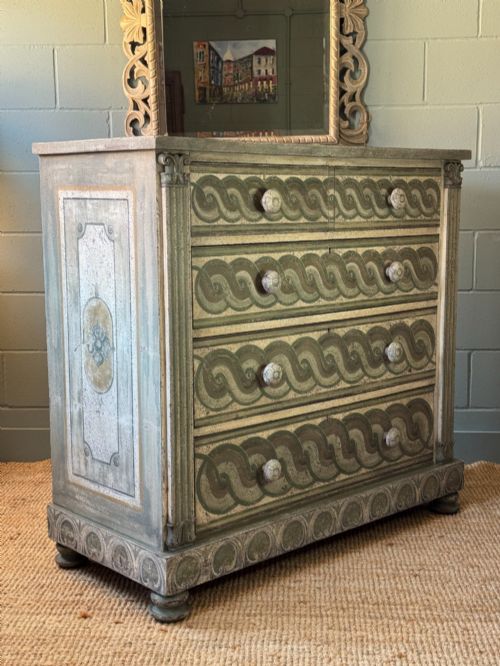

Neoclassical Painted Furniture
Neoclassical painted furniture brings together clean architectural lines and decorative brushwork, offering rooms a refined and lighter historical presence.
Neoclassical Painted Furniture
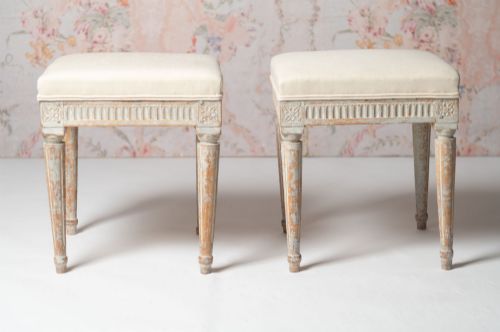
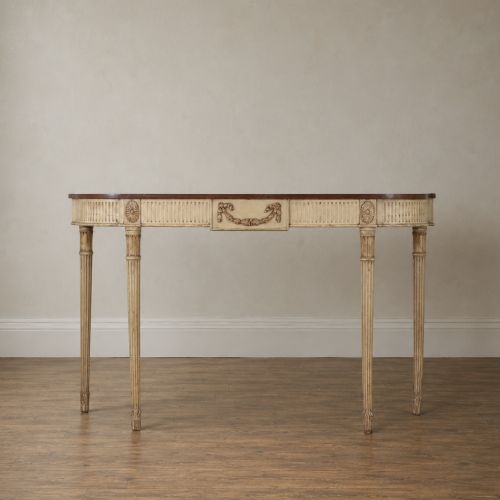
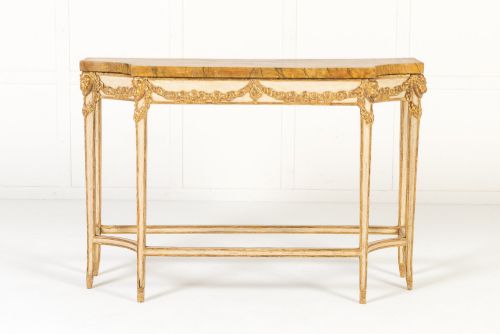
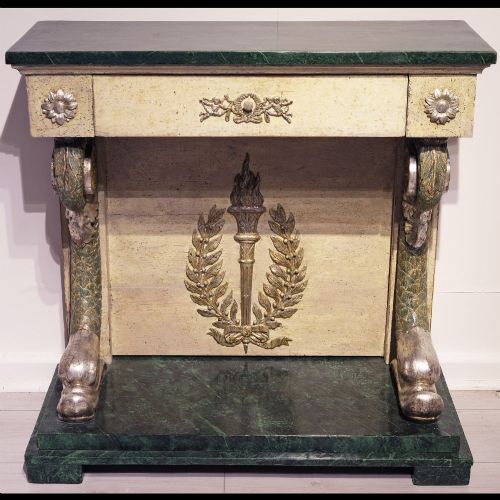
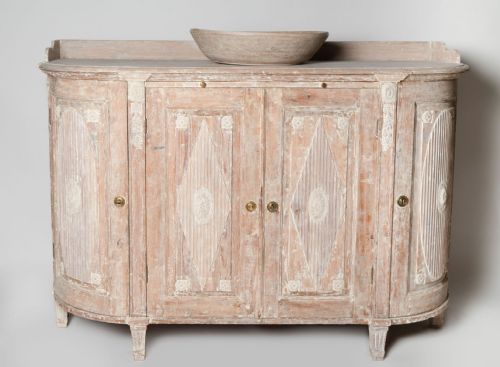
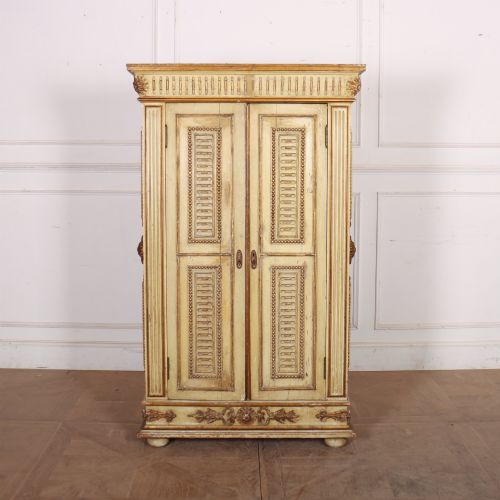
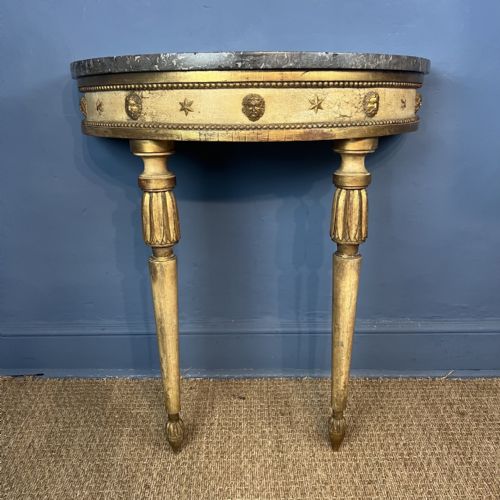
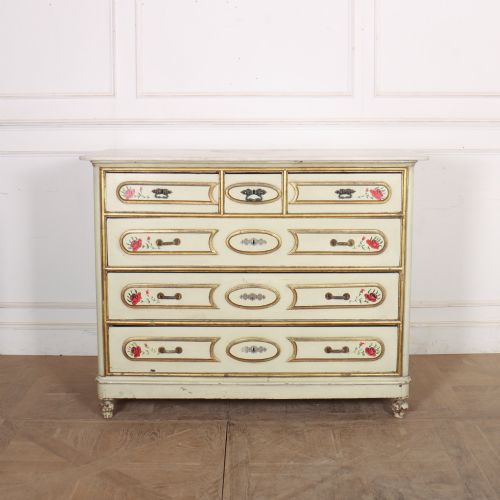
Neoclassical painted furniture encompasses items built across the eighteenth and nineteenth centuries, spanning regional styles such as Gustavian, Italian, Dutch, French, and English revivals. Console tables, chests of drawers, and commodes form the core of what appears here.
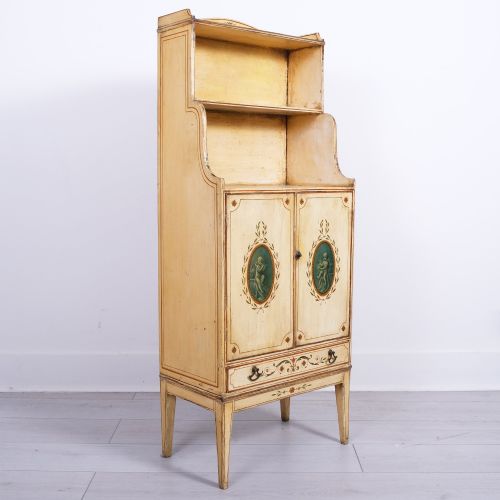
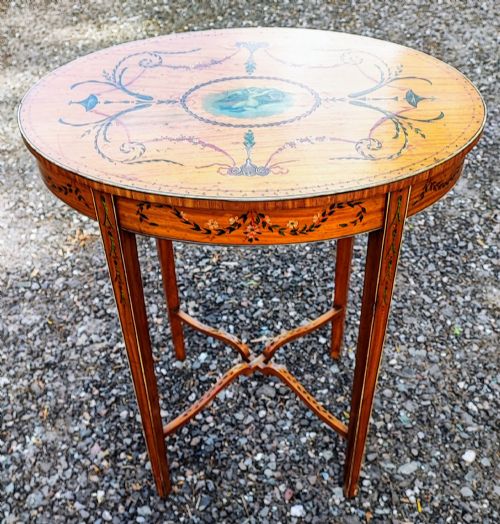
The Gustavian pieces from Sweden, alongside Italian and Dutch variants, show lighter palettes and restrained classical motifs. English examples often draw on Sheraton and Adam revivals utilising satinwood and delicate painted details.
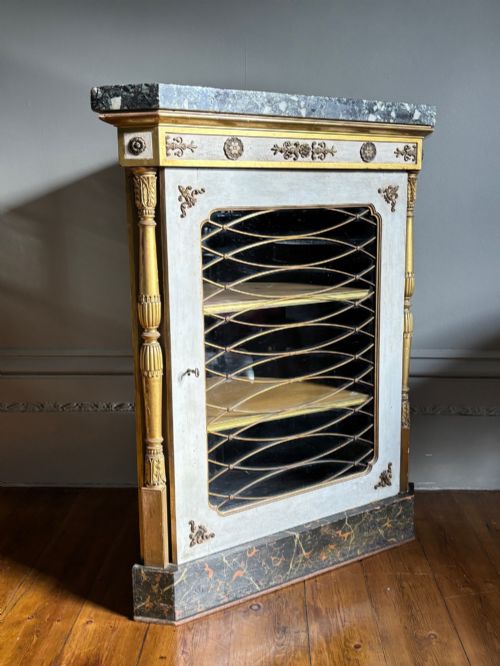
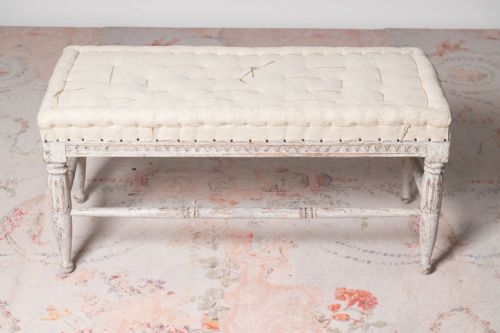
Forms range from side cabinets and bookcases to seating like settees, stools, and benches. Buyers encounter both provincial vernacular versions and grander gilt-accented salon pieces.
Materials and construction
Carpenters used timbers such as beech, oak, maple, and walnut as a base for gesso and paint layers. Satinwood served particularly well for fine English revival cabinets and games tables.
Decoration relied on applied paint, parcel gilt, and occasional marble or faux porphyry tops. Inlaying and hand painting added intricate surface patterns to commodes and occasional tables.
Listings feature wood, painted wood, marble, brass, gesso, and gold leaf.
What separates the best pieces
Quality rests in the harmony of the proportion, the crispness of the carved or gessoed classical details, and the integrity of the original pigment. Pieces that retain their early painted surfaces without excessive overpainting hold greater visual clarity.
The sophistication of the joinery and the selection of secondary timbers indicate the maker's hand, whether working in a provincial Swedish workshop or an urban cabinet maker's shop.
Jewell of Holborn·Maple and Co
The Neoclassical Painted Furniture Glossary
- Gustavian
- The Swedish interpretation of French neoclassical style, characterised by restrained carving, pale paintwork, and functional elegance.
- Commode
- A low chest of drawers or cabinet designed for domestic storage, often featuring decorative painted panels or marble tops.
- Demi-lune
- A half-moon shape commonly seen in the design of side tables, commodes, and games tables.
- Gesso
- A plaster mixture applied to wood surfaces to provide a smooth base for painting and gilding.
- Parcel gilt
- Part gilt, describing an object where select carved details or ornaments are highlighted with gold leaf.
Neoclassical Painted Furniture: Frequently Asked Questions
What periods do these pieces come from?
The selection spans pieces made in the eighteenth and nineteenth centuries, alongside later revival items from the Victorian era up to the early twentieth century.
Swedish Gustavian examples sit alongside Italian, French, and English pieces reflecting various classical revivals.
How do I care for painted surfaces?
Keep painted wood out of direct sunlight and away from sudden temperature shifts to protect the gesso and paint layers from cracking.
Dust gently with a dry, soft cloth and avoid chemical cleaning products that might lift historic pigment.
Where were these pieces used originally?
Console tables and commodes typically furnished grand reception rooms, hallways, and drawing rooms in period townhouses and country estates.
Smaller occasional tables and cabinets served domestic sitting rooms for display and card games.
How do I identify a revival piece?
Revival items from the late nineteenth and early twentieth centuries often show construction methods and secondary woods typical of Victorian or Edwardian workshops.
Stylistic cues draw heavily on earlier Adam or Sheraton designs while utilising specific period satinwood and machine-cut elements.