

Georgian Display Plates
Georgian display plates bring domestic history to life through hand-painted ceramics and sturdy wooden racks designed to show off tableware.
Georgian Display Plates
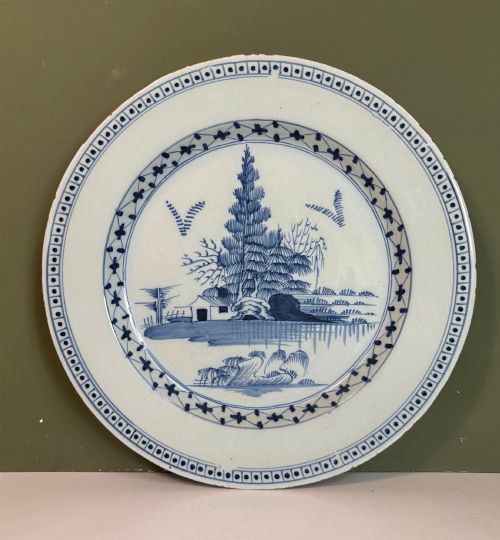
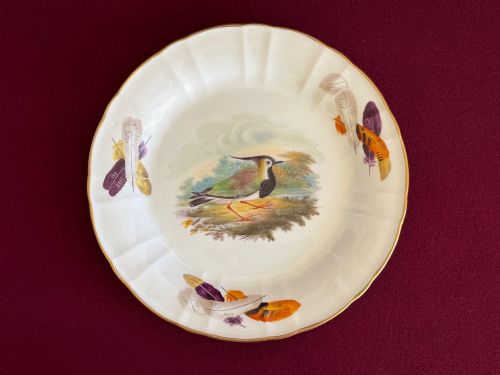
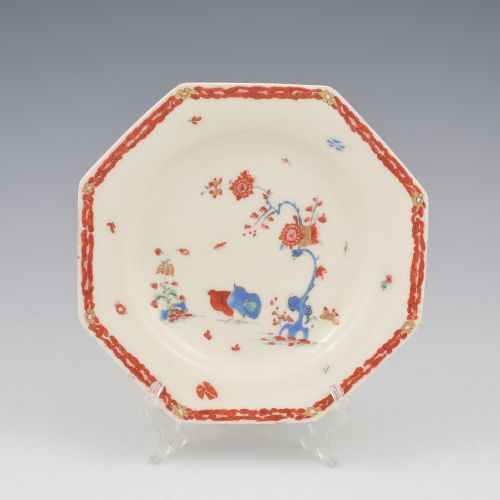
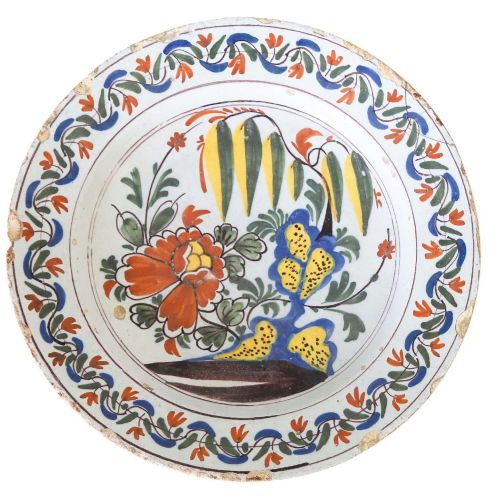
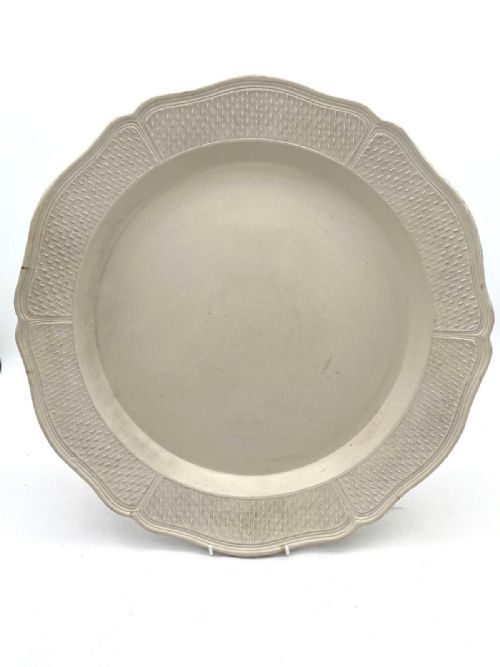
When buyers search for georgian display plates, they encounter a diverse selection of ceramic chargers, decorative plates, and wooden plate racks spanning the eighteenth and nineteenth centuries. The objects range from tin-glazed earthenware delftware chargers to fine bone china and porcelain cabinet plates produced by prominent factories.
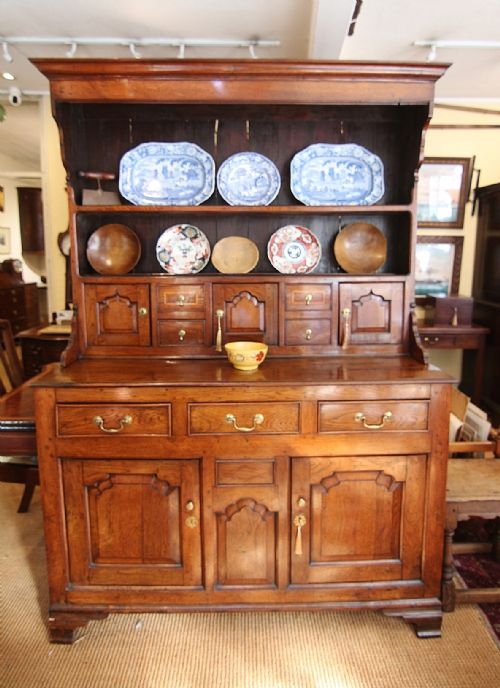
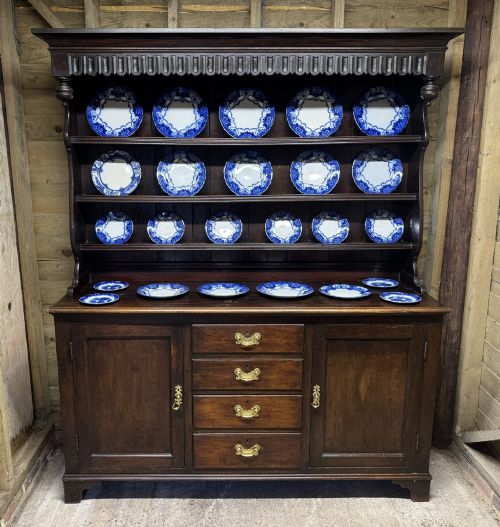
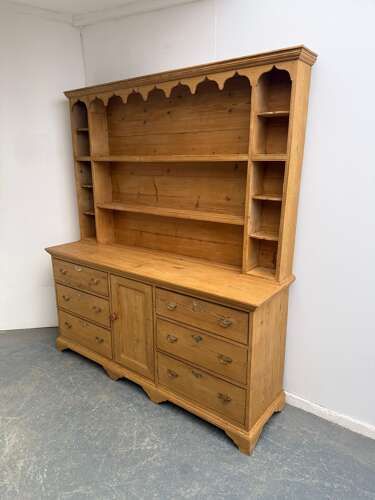
The assortment includes larger serving pieces alongside sets of dining plates intended for visual impact rather than heavy daily use. Many examples integrate with oak dressers and hanging shelves built to mount these ceramic items securely against walls in dining spaces and kitchens.
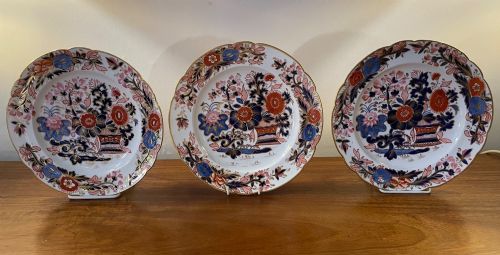
Origins stretch across English potteries and regional workshops, capturing both refined urban tastes and country craftsmanship. Buyers find everything from early polychrome delftware to transfer-printed earthenware and ironstone china made for display.
How they were made
Potters shaped clay on the wheel or pressed earthenware, porcelain, and ironstone into moulds before applying hand-painted polychrome pigments, blue and white transfer printing, or Imari glazes. Pewterers cast metal alloys in moulds to form plain rim plates and chargers before hammering and polishing the surfaces.
Cabinet makers constructed matching dressers, wall racks, and stands from native timbers like oak, mahogany, and pine, joining the sections with traditional cabinet-making methods. Surfaces were finished with wax to protect the wood while highlighting the natural grain behind the displayed tableware.
Materials span earthenware, porcelain, ironstone, pewter, brass, oak, mahogany, and gold leaf.
What varies in quality
Quality rests in the crispness of the hand-painted brushwork or transfer printing on the ceramic face, where skilled artists achieved finer detail and richer pigment depth. The complexity of the pattern, from simple floral borders to elaborate pictorial scenes and exotic motifs, marks the distinction between standard domestic wares and higher-end cabinet pieces.
On the furniture side, the choice of timber and the proportion of the plate racks and dressers define the standard. Well-figured oak and mahogany, combined with original hanging fixtures and balanced proportions, separate ordinary utility furniture from superior architectural examples.
James Spackman·Richard King·Stubbs·Thomas Steele
The Georgian Display Plates Glossary
- Charger
- A large decorative plate or platter used primarily for display on dressers or tables rather than everyday dining. These sizeable pieces often feature hand-painted floral or pictorial scenes.
- Delftware
- Tin-glazed earthenware produced in England and the Netherlands, typically decorated in blue and white or polychrome colours. The glaze provides a smooth opaque white background for painted designs.
- Plate rack
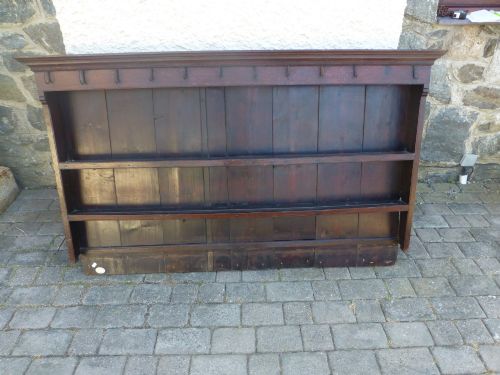
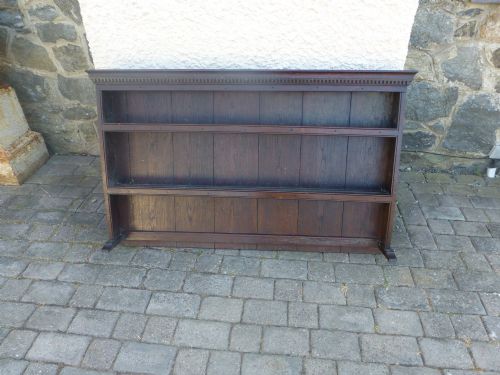
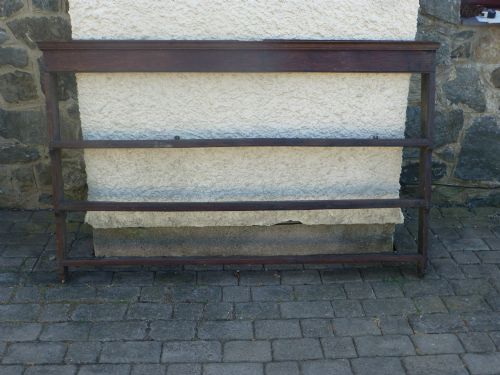
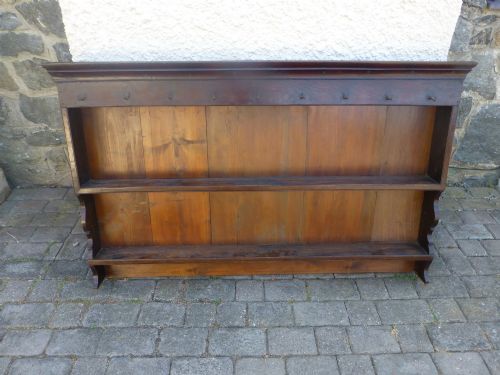
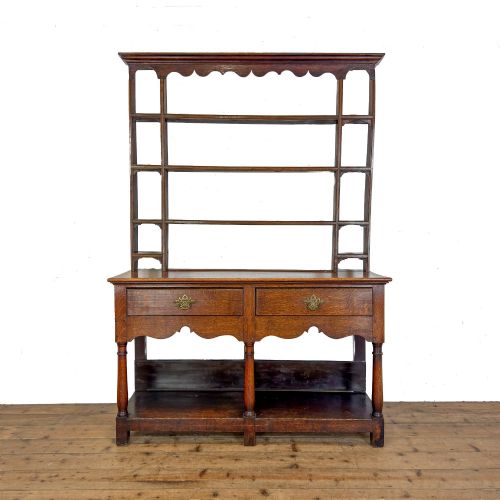
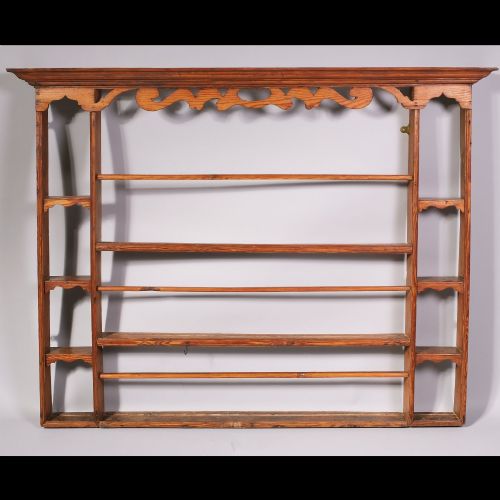
- A wall-mounted or dresser-integrated wooden frame featuring vertical slats or plate rails designed to hold display plates upright. They allow ceramics to be stored safely in plain view.
- Ironstone
- A heavy, durable type of durable ceramic patented in the early nineteenth century to imitate porcelain. It takes transfer printing and enamel colours exceptionally well.
- Imari palette
- A decorative style inspired by Japanese export porcelain, utilising rich underglaze blue, iron red, and gilt highlights. British factories frequently adopted this colour scheme on plates.
Georgian Display Plates: Frequently Asked Questions
What is a georgian display plate?
A georgian display plate is an eighteenth or nineteenth-century ceramic or metal dish created with decorative intent. These pieces feature hand-painted motifs, transfer-printed scenes, or rich glazes meant to catch the eye.
Potters made them to be shown on dressers, sideboards, or wall racks rather than used for serving heavy meals. They capture the decorative tastes of the period through distinct regional and factory styles.
How were plate racks used?
Plate racks served as practical wall-mounted or dresser-backed storage units that held ceramics safely upright. Grooved wooden bases and vertical slats kept individual plates from slipping.
This arrangement allowed households to keep their best ceramic chargers and plates visible as room decoration. It combined functional storage with domestic display in busy dining areas.
What materials are common?
The listings feature ceramics such as earthenware, porcelain, ironstone, and delftware alongside metals like pewter and brass. Cabinet pieces utilise native timbers including oak, mahogany, and pine.
Ceramics provide the colourful visual surface, while the wooden racks and stands supply structural support. Each material reflects the standard manufacturing methods of the eighteenth and nineteenth centuries.
How do I identify periods?
Period identification relies on recognising stylistic traits, manufacturing techniques, and material composition unique to each era. Eighteenth-century pieces often display tin-glazed delftware surfaces or early hand-painted porcelain motifs.
Nineteenth-century items tend to introduce refined ironstone bodies, transfer-printed topographical views, and structured mahogany stands. Examining the construction of accompanying wooden racks also helps narrow down the date.