

Georgian Dining Furniture
Georgian dining furniture brings enduring proportions and rich timber character to the modern interior.
Georgian Dining Furniture
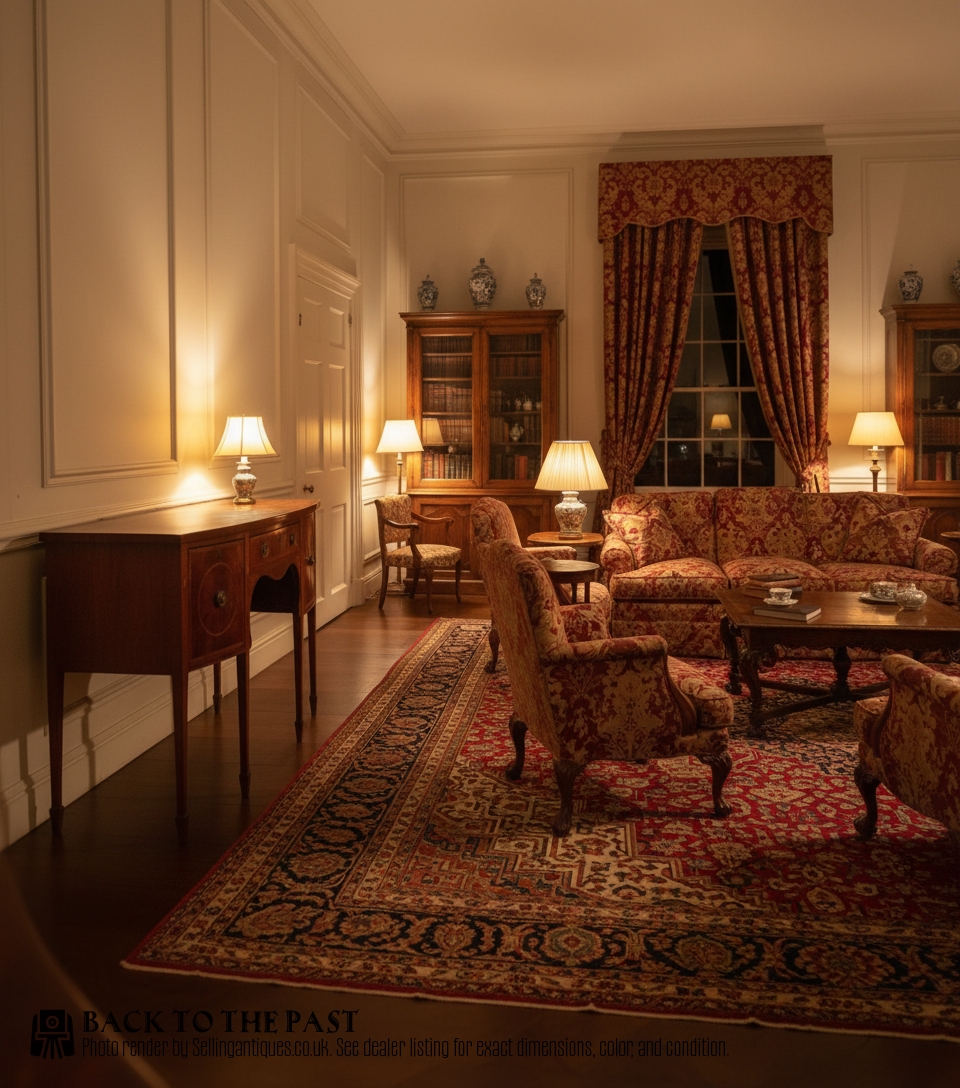
Georgian dining furniture comprises tables, chairs, sideboards and serving pieces designed for formal meals and daily domestic life during the eighteenth and early nineteenth centuries. These forms reflect the changing social habits of the period, moving from heavy oak boards to adaptable mahogany and walnut tables accompanied by matching chairs and serving surfaces. Buyers seek these pieces to anchor a dining room with traditional craft and timber depth.
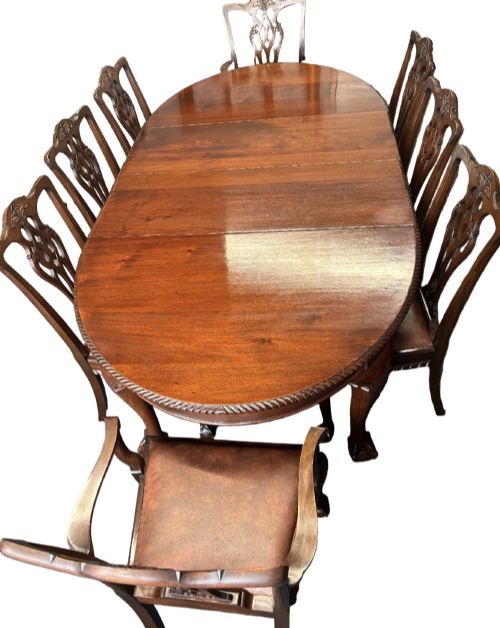
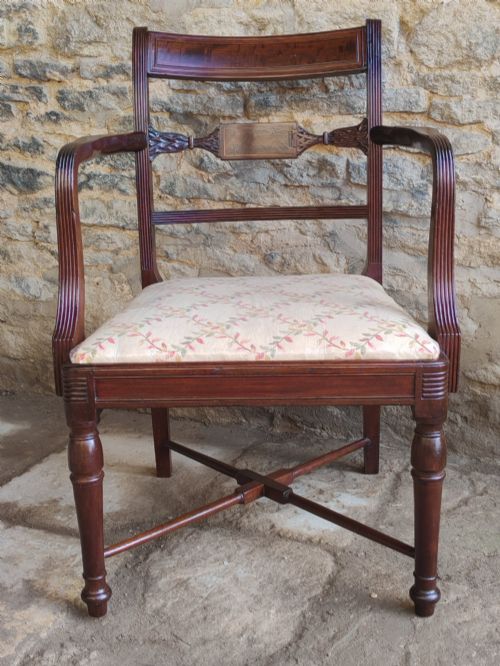
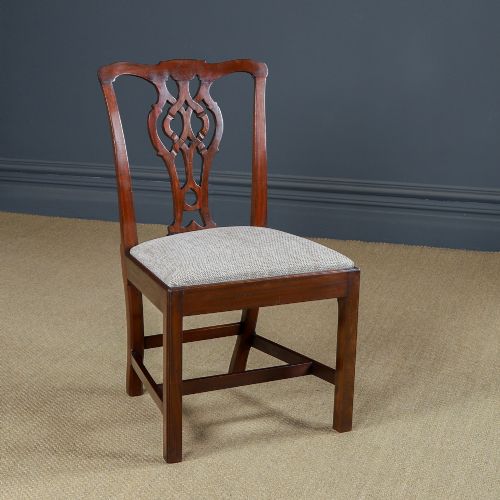
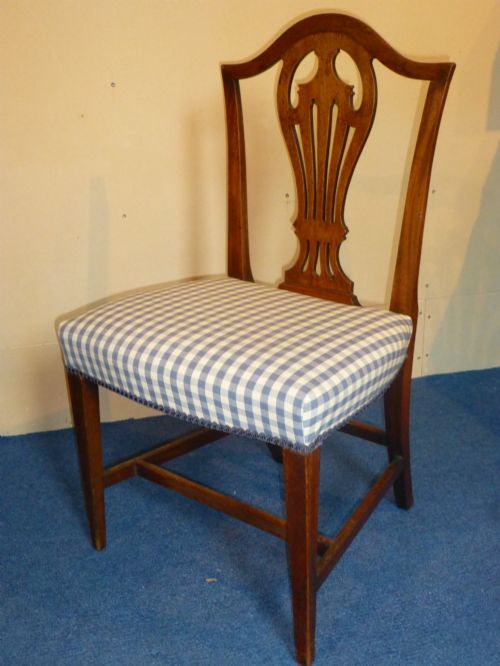
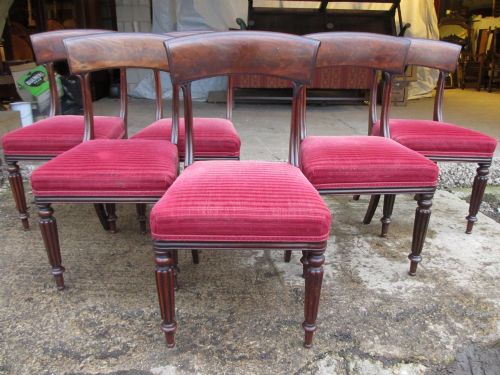
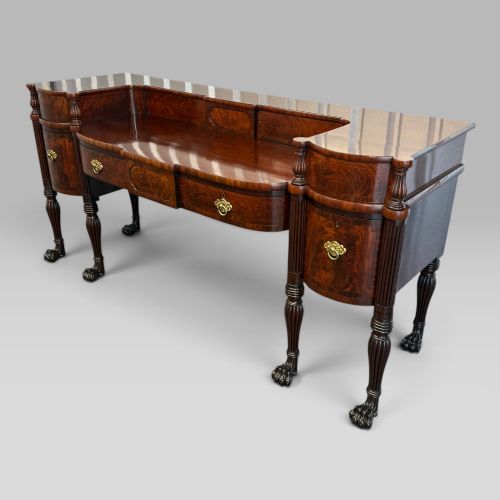
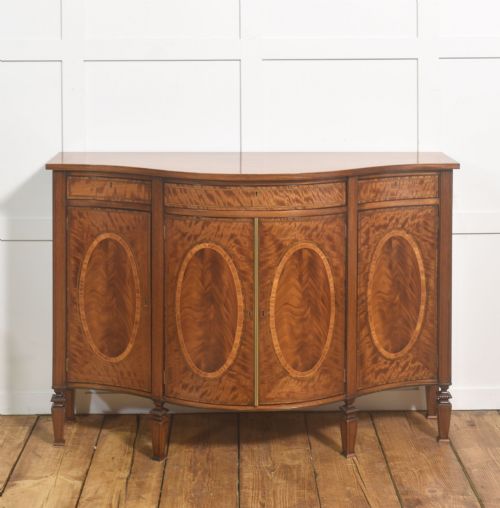
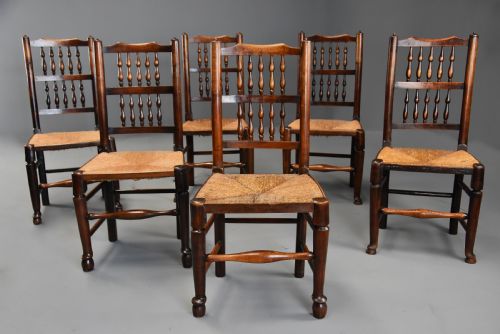
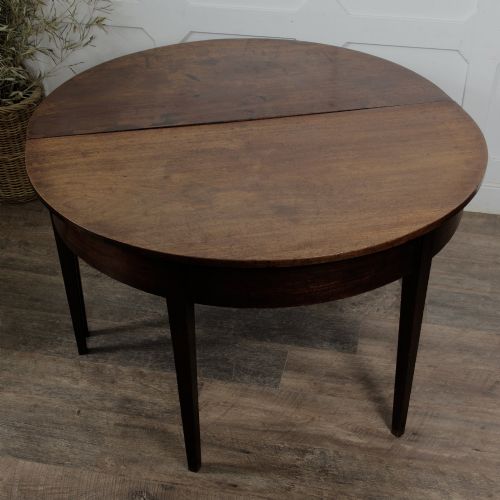
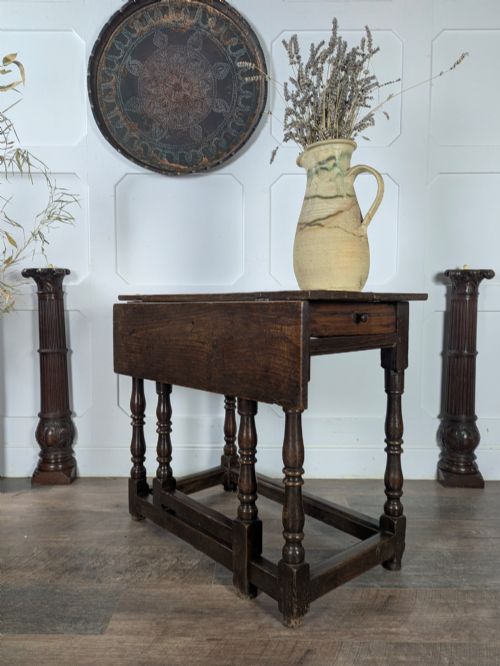
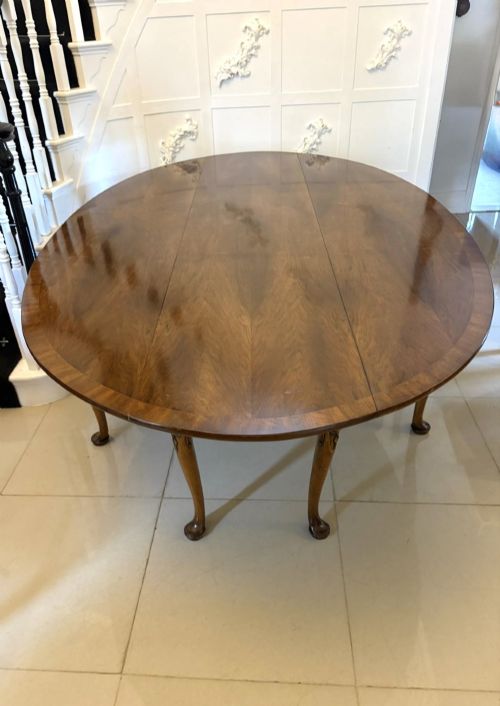
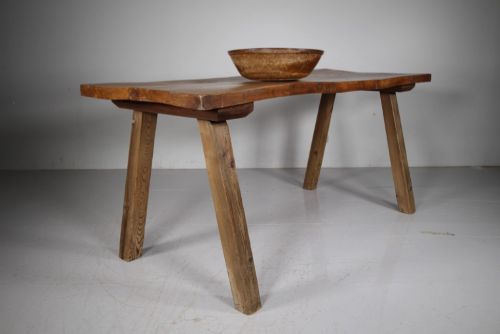
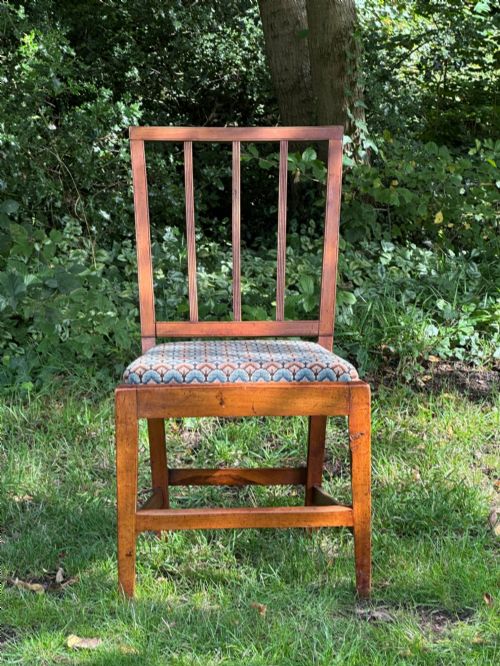
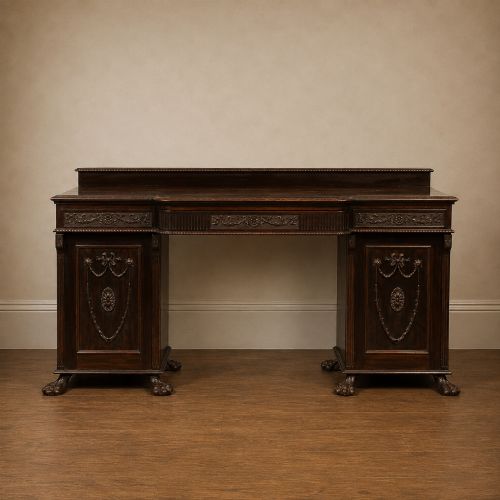
The pieces appearing on this page span the primary forms of the era, including extending dining tables, sideboards with inlaid flame veneers, and sets of dining chairs featuring splat backs or brass stringing. Alongside formal mahogany and walnut examples, country pieces in elm, ash, and fruitwood show regional variations in Windsor and spindle back chairs. Buyers are most likely to encounter mahogany dining chairs and serving sideboards originating from the eighteenth and nineteenth centuries.
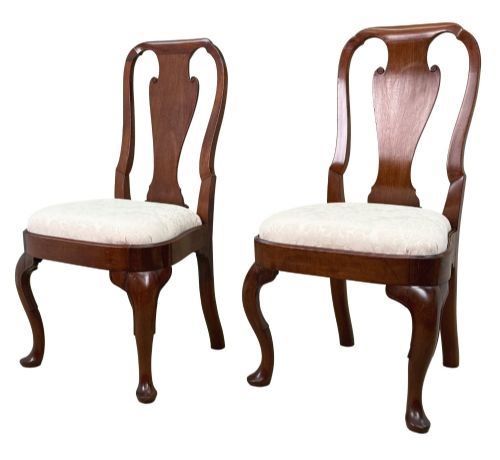
Dating georgian dining furniture requires looking at timber selection, construction methods, and hardware, alongside stylistic shifts from Queen Anne curves through Chippendale carving to Regency restraint. While many pieces date directly to the Georgian and Regency reigns, revival interpretations from later periods also appear regularly. Each form serves the practical requirements of dining while displaying the decorative priorities of its original maker.
Materials and construction
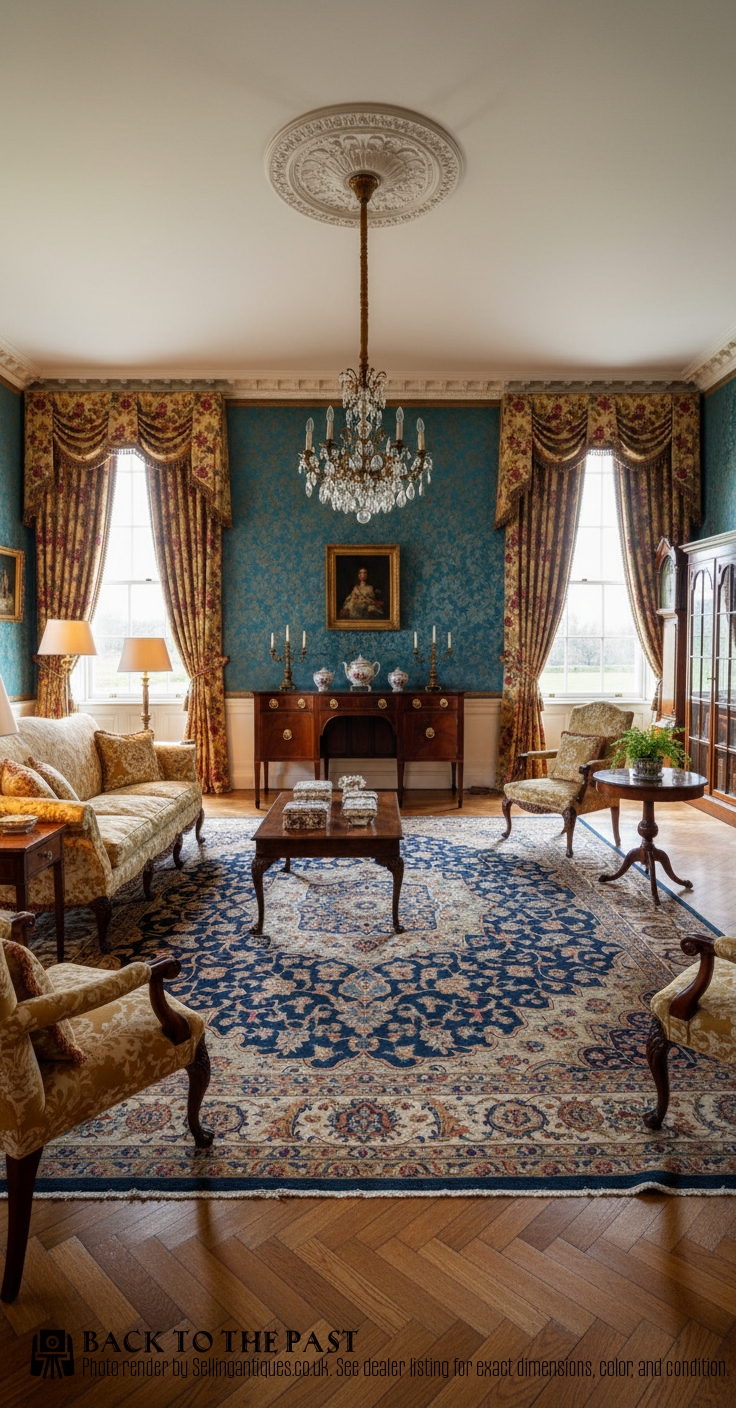
Cabinet makers relied heavily on dense timbers such as mahogany, walnut, and oak, often pairing them with decorative veneers like flame mahogany or satinwood for visual depth. Secondary woods like ash and elm provided sturdy framework for country chairs and rustic dining tables. Boxwood and brass inlaid stringing added linear contrast to tabletops and sideboard fronts.
Joinery techniques prioritised traditional mortise and tenon joints for chair frames and table undercarriages, ensuring structural stability without modern adhesives. Table leaves were supported by swing legs or drop leaf hinges, while sideboards utilised dovetailed drawer construction. Hand-turned legs, carved lion paw feet, and spindle backs demonstrated the manual skill applied to every structural element.
Georgian Dining Furniture Retail Price Guide 2026
Typical asking prices for georgian dining furniture among the pieces listed under this phrase on Sellingantiques today, from the lower quarter to the upper quarter. They describe what is for sale here now, not the wider market.
Regional variants include Scottish George III birch chairs and Welsh elm high-back Windsor armchairs alongside standard English forms.
Judging quality
Quality rests upon the choice of timber and the preservation of original surface figure, where well-figured mahogany or burr elm displays depth that lesser boards lack. The crispness of carved details, such as ribbon backs or claw and ball feet, separates standard workshop production from master execution. A strong, honest structure with minimal timber replacement retains the integrity valued by collectors.
Proportion and line dictate the success of a form, distinguishing balanced dining chairs and sideboards from awkward later copies. The quality of execution shows in the seamless fit of drawer linings, the subtlety of brass inlay, and the natural patina developed over centuries of use. Pieces that maintain their original components and unstripped timber surfaces command greater appreciation.
M. D. Miller & Sons
The Georgian Dining Furniture Glossary
- Carver
- An armchair designed to sit at the head of a dining table, usually featuring open arms matching the side chairs in a set.
- Gateleg table
- A drop leaf table where hinged legs swing out from the frame to support the opened leaves.
- Sideboard
- A long serving surface introduced to dining rooms for displaying plate and storing serving dishes.
- Splat back
- A vertical wooden strip placed in the centre of a chair back, often shaped and pierced in Chippendale or Queen Anne styles.
- Stringing
- Thin bands of contrasting wood inlay used to decorate the edges and surfaces of tabletops and sideboards.
Georgian Dining Furniture: Frequently Asked Questions
How do I spot a marriage in a dining set?
Examine the timber grain, colour, and wear patterns across all chairs in a set to check for consistency. Subtle differences in carving depth or leg turning often indicate that chairs were gathered together at a later date.
Look underneath the seat frames for matching construction marks, timber types, and numbering systems applied by the maker. Original sets share identical workshop practices, whereas assembled sets reveal minor variations in age and hand execution.
Are these tables suitable for everyday use?
Solid mahogany and oak tables offer sturdy surfaces for daily meals, provided they receive sensible protection from heat and moisture. Using placemats and coasters preserves the antique finish without restricting regular family dining.
Extension mechanisms on period tables require careful handling when inserting leaves. Regular maintenance of the timber with appropriate wax keeps the surface resilient against normal household wear.
How do I tell Regency from George III pieces?
George III pieces frequently display rich mahogany carving, ornate splat backs, and classical motifs influenced by Chippendale and Sheraton designs. The proportions tend towards robust elegance with visible architectural references.
Regency design shifts towards archaeological revival, featuring brass inlay, sabre legs, and darker rosewood or figured mahogany veneers. The lines become cleaner and more austere, drawing inspiration from ancient Greek and Roman forms.
What is a spade foot on a table?
A spade foot is a tapering furniture foot that swells slightly toward the bottom, resembling the shape of a garden spade. This feature appears frequently on square tapered legs during the late eighteenth century.
Cabinet makers used spade feet to lighten the appearance of heavy dining tables and sideboards. The detail is often highlighted with contrasting boxwood stringing or veneer panels.
How should I care for antique mahogany surfaces?
Apply traditional beeswax sparingly and buff with a soft cloth to maintain the natural lustre of the timber. Avoid silicone polishes, which build up a residue and attract dust over time.
Keep wooden furniture away from direct sunlight and heat sources to prevent the timber from splitting or warping. Stable room humidity preserves the joints and keeps the polished finish intact.