


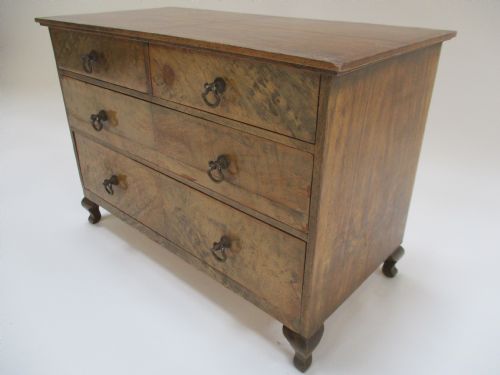
Georgian Desktop Storage
Georgian desktop storage pieces are compact wooden containers designed to hold letters, trinkets and small valuables on a desk.
Georgian Desktop Storage
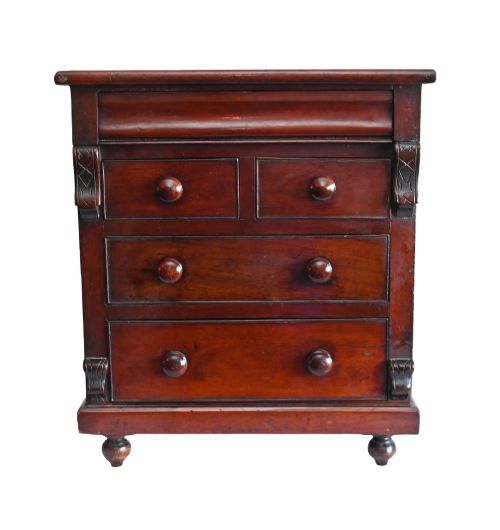
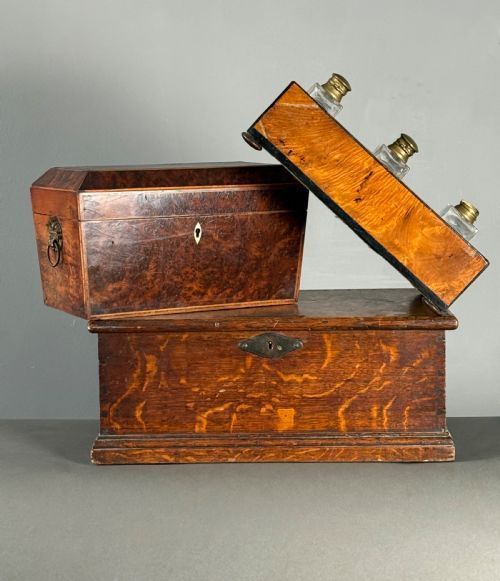
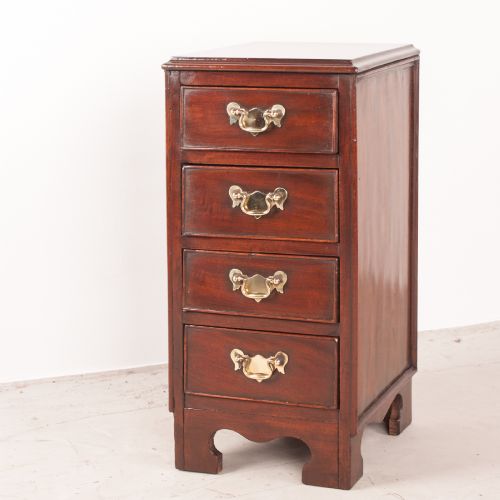
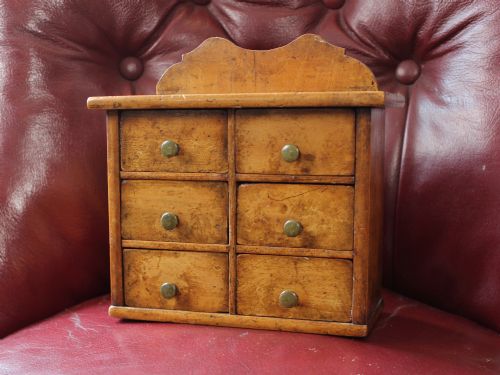
When buyers search for georgian desktop storage, they seek compact wooden furnishings made to keep small items orderly on a writing surface. The selection on this page centres on miniature chests of drawers, spice cabinets, writing slopes and stationery boxes.
The periods and styles span the eighteenth and nineteenth centuries, including georgian, regency and victorian examples. Pieces take forms such as banks of drawers, desk boxes, pipe stands and small cupboards designed for tabletop use.
Buyers frequently encounter miniature chests of drawers alongside fruitwood spice cabinets and mahogany stationery boxes. These utilitarian objects combine practical compartment organisation with the polished timber aesthetics of their respective eras.
How they were made
Cabinet makers constructed these desktop pieces using solid timbers such as mahogany, oak, elm and fruitwood. Selected woods provided both the structural strength needed for small drawers and a stable surface for decorative finishes.
Detailing relied on contrasting materials and functional hardware, incorporating brass handles, drop pulls and inlaid elements of holly and bog oak. Carved ornamentation and patinated timber surfaces completed the construction of these desktop chests and boxes.
Listings feature 18th Century, 19th Century, Georgian and Regency periods, utilising materials such as mahogany, oak, elm, fruitwood, rosewood, brass, holly and iron.
What varies in quality
Quality in these desktop pieces rests upon the selection of timber and the subtlety of its grain and patina. Pieces featuring figured mahogany or rich elm display a greater depth of material finish than plain or heavily restored surfaces.
Construction refinement shows in the fitting of drawers, the choice of hardware such as brass drop handles, and the integration of decorative details like holly and bog oak inlay. Superior examples balance utilitarian design with careful joinery and well-preserved surface character.
The Georgian Desktop Storage Glossary
- Writing slope
- A portable desktop box with an angled lid designed for correspondence and paper storage. When opened, the sloping surface provides a flat plane for writing letters.
- Spice cabinet
- A small wooden wall-hanging or desktop cupboard enclosing multiple small drawers. These compartments traditionally held culinary spices or precious small commodities.
- Inlay
- A decorative technique where contrasting materials such as holly and bog oak are inserted into recesses within the primary timber surface. This creates patterns and visual borders on desk boxes.
- Patina
- The surface sheen and coloration developed by aged wood through handling, wax application and oxidation over centuries. A good patina reflects the natural ageing of mahogany, oak or fruitwood.
Georgian Desktop Storage: Frequently Asked Questions
What is georgian desktop storage?
Georgian desktop storage encompasses small wooden furnishings created to organise letters, stationery, trinkets and spices on a table or writing desk. These items include miniature chests of drawers, slope-front boxes and small cabinets.
Such pieces reflect the domestic requirements of eighteenth and nineteenth-century households, providing secure and tidy compartments for daily paraphernalia.
How were spice cabinets used?
Spice cabinets were designed with multiple small internal drawers to store valuable culinary spices, herbs and sometimes medicinal ingredients safely. Their compact size allowed them to sit upon a desktop or hang securely on a wall.
Over time, many of these small drawer units transitioned from functional kitchen storage into general decorative receptacles for keepsakes and small collections.
What woods are commonly found?
The primary woods seen across these desktop items include mahogany, oak, elm and fruitwood. Cabinet makers selected these dense timbers for their durability and attractive grain patterns.
Secondary materials such as brass for handles and drop pulls, alongside holly and bog oak for inlay work, frequently accent the main timber body.
How do I date a piece?
Dating relies on observing construction methods, timber choices and stylistic markers associated with periods like the georgian era, regency or nineteenth century. Characteristics such as brass drop handles, dovetail joints and specific inlay types provide chronological clues.
Comparing the form and wood finish to documented examples helps narrow down whether a piece originates from the late eighteenth century or later Victorian revivals.