






Georgian Delft Dish
A georgian delft dish brings tin-glazed earthenware into a room, offering hand-painted blue and white or polychrome designs from the eighteenth century.
Georgian Delft Dish
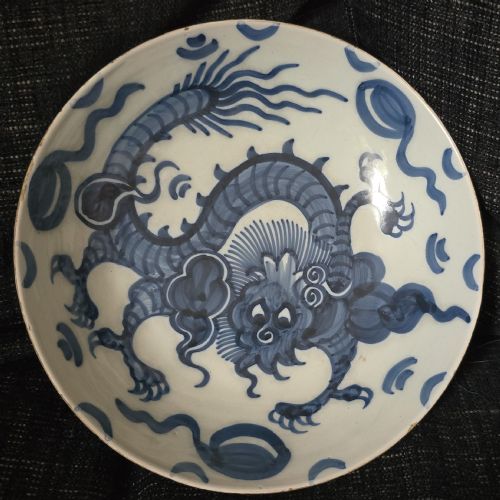
A georgian delft dish is an eighteenth-century ceramic piece made in forms such as chargers, plates, saucer dishes, and decorative plates. These earthenware objects emerge primarily from English production centres like Lambeth and Bristol, alongside Dutch workshops.
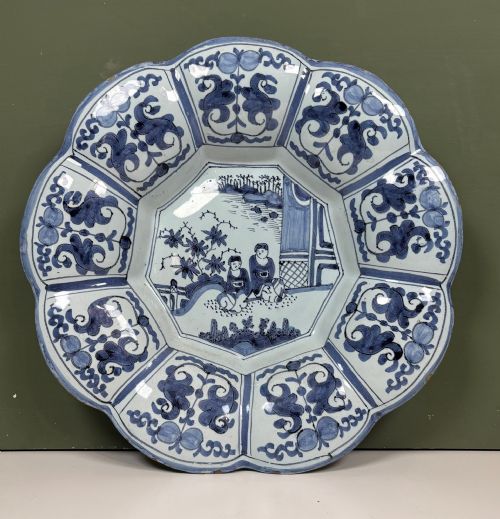
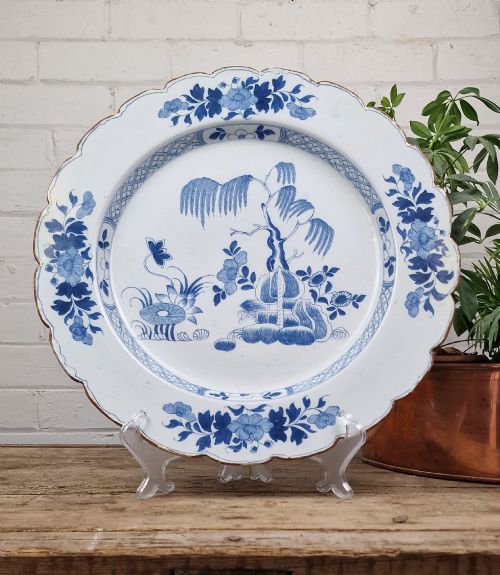
The most common version met on this page is the large charger or plate decorated with cobalt blue pigment or polychrome floral and Chinoiserie patterns. Pieces range from early eighteenth-century examples to mid-century creations around seventeen fifty and seventeen sixty.
Makers fashioned these vessels for display on walls and dressers rather than heavy daily use, which accounts for their survival in decorative collections today. The forms include matched pairs and individual chargers featuring hand-painted motifs.
What Varies in Quality
Quality in a georgian delft dish rests upon the crispness of the hand-painted brushwork and the stability of the tin glaze. Pieces with finely detailed Chinoiserie or floral motifs display greater artistic control than simpler utilitarian wares.
The smoothness and opacity of the white tin glaze also distinguish superior examples. A well-fired glaze covers the earthenware body evenly without excessive pooling or crawling around the edges and footring.
Georgian Delft Dish Retail Price Guide 2026
Typical asking prices for georgian delft dish among the pieces listed under this phrase on Sellingantiques today, from the lower quarter to the upper quarter. They describe what is for sale here now, not the wider market.
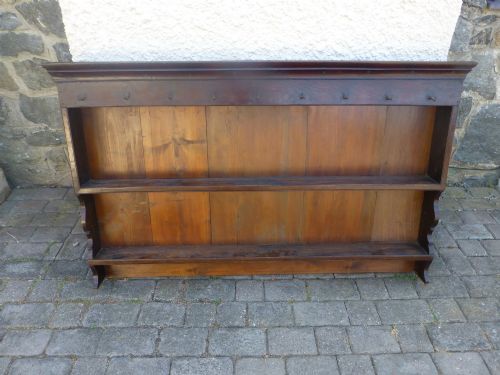
Available forms span decorative chargers, saucer dishes, plates, and an oak delft dresser plate rack.
Lambeth Delft·Bristol Delft·Dutch Delft
The Georgian Delft Dish Glossary
- Tin glaze
- An opaque white ceramic glaze containing tin oxide, applied to earthenware to create a smooth surface for painting. This finish defines the distinctive appearance of delftware.
- Charger
- A large decorative plate, typically exceeding twelve inches in diameter, designed for display on walls or dresser racks. These items formed a central part of eighteenth-century interior decoration.
- Chinoiserie
- European decorative style imitating Chinese artistic motifs, frequently seen on eighteenth-century delft dishes depicting imaginary landscapes and figures. Artisans rendered these scenes in blue and white or polychrome.
- Polychrome
- Decoration employing multiple colours, such as reds, greens, yellows, and blues, painted onto the ceramic surface. This technique contrasts with monochrome blue and white pieces.
- Earthenware
- Porous ceramic pottery fired at lower temperatures than stoneware or porcelain. It requires a glaze, such as tin glaze, to hold liquids and provide a decorative surface.
Georgian Delft Dish: Frequently Asked Questions
What is a georgian delft dish?
A georgian delft dish is an eighteenth-century tin-glazed earthenware plate or charger. These pieces feature hand-painted cobalt blue or polychrome designs.
Potters across England and the Netherlands produced them primarily for decorative display on walls or dresser racks rather than regular dining use.
How do I care for a delft dish?
Keep tin-glazed earthenware away from water immersion and abrasive cleaning agents. The soft ceramic body and tin glaze require gentle dry dusting.
Display the dish securely on a stable plate stand or wall hanger designed for heavy chargers to prevent accidental drops.
How can I tell English from Dutch delft?
English delft dishes often exhibit thicker earthenware bodies and subtle variations in the tin glaze composition compared to their continental counterparts. Potters in centres like Lambeth and Bristol developed distinct palettes.
Examining the footring and the characteristics of the blue pigment or polychrome enamels helps distinguish between English production and eighteenth-century Dutch delftware.
Were these dishes used for food?
Most large chargers and decorative dishes served display purposes in dining rooms and parlours. Their presence on oak plate racks shows how households showcased them.
Smaller plates occasionally saw service at table, though the delicate nature of tin glaze meant many survived primarily as decorative items.