
Georgian Dark Oak Table
A georgian dark oak table brings honest, hard-wearing joinery and deep patination into a room.
Georgian Dark Oak Table
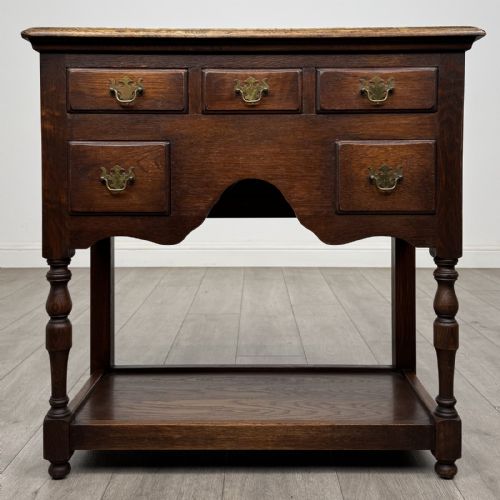
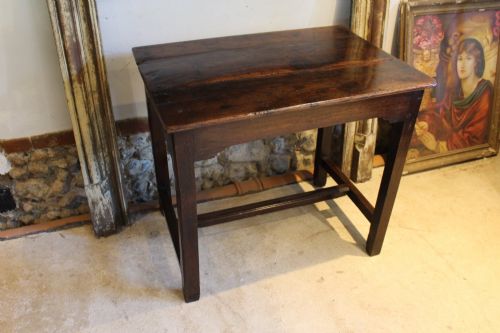
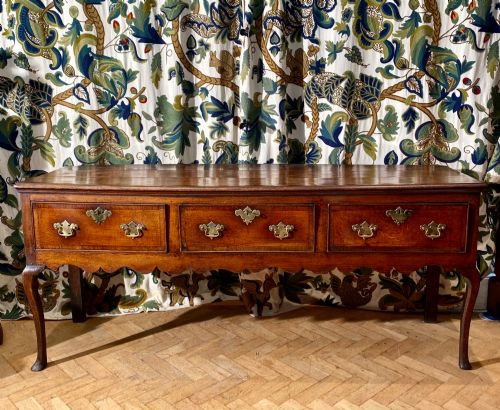
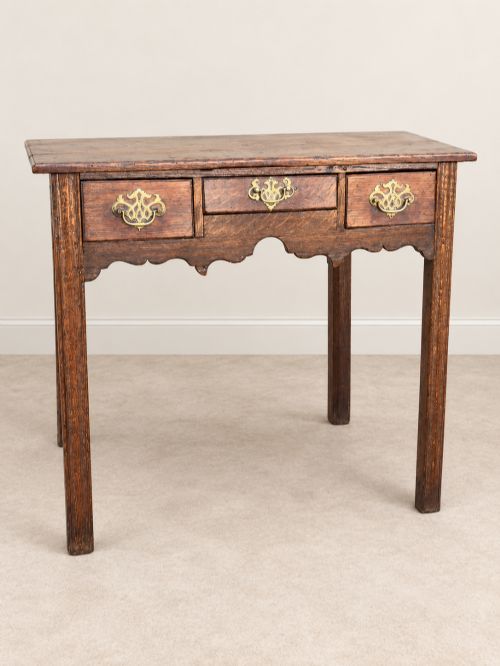
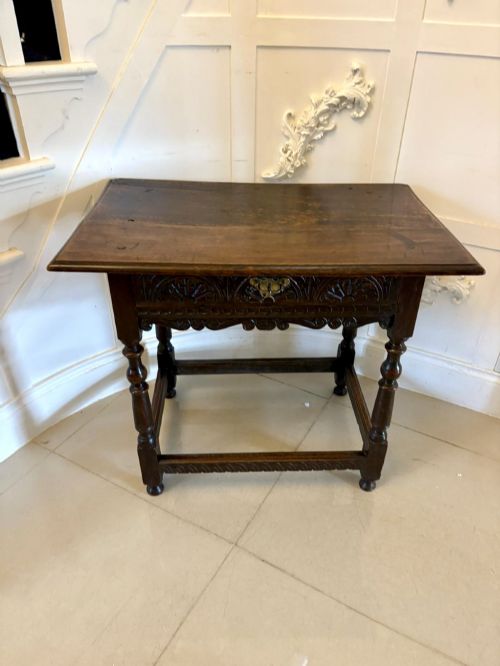
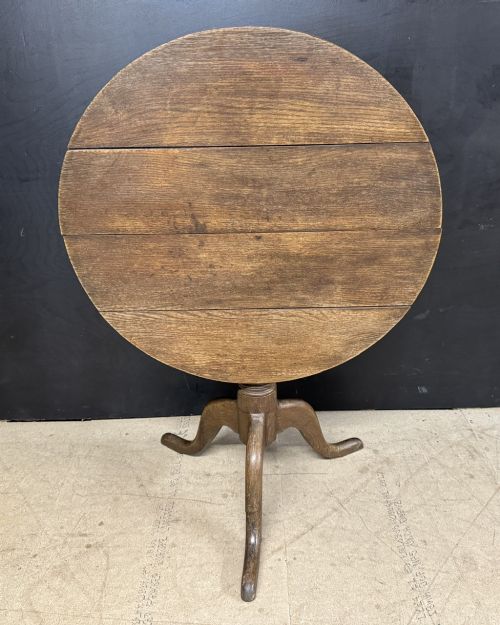
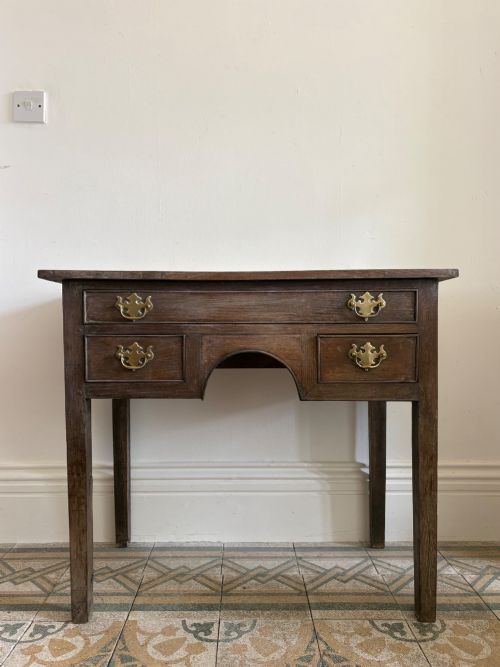
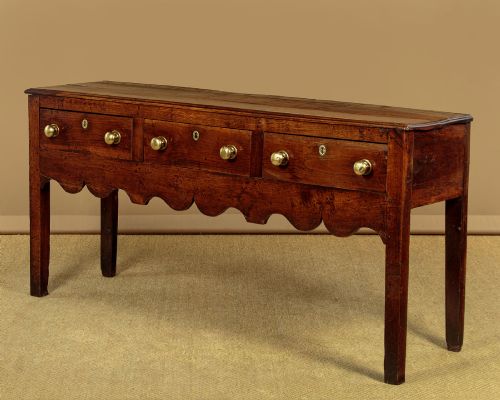
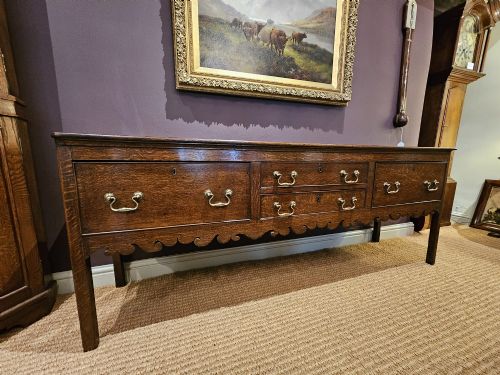
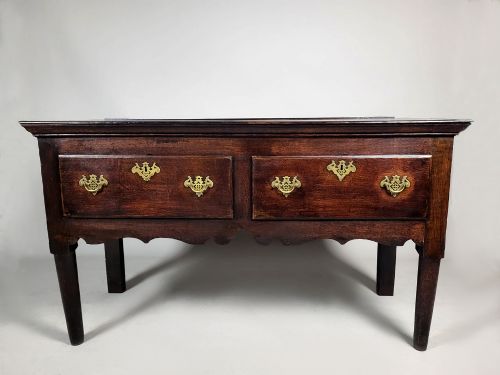
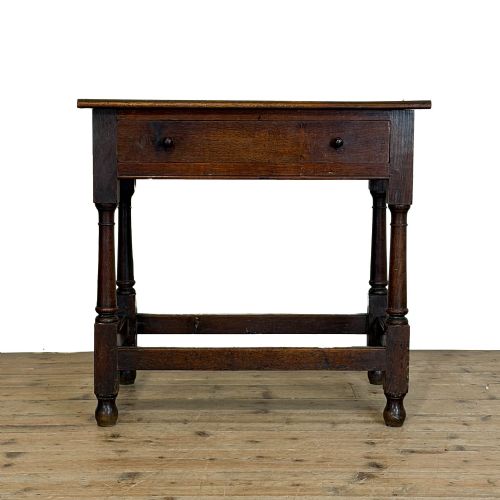
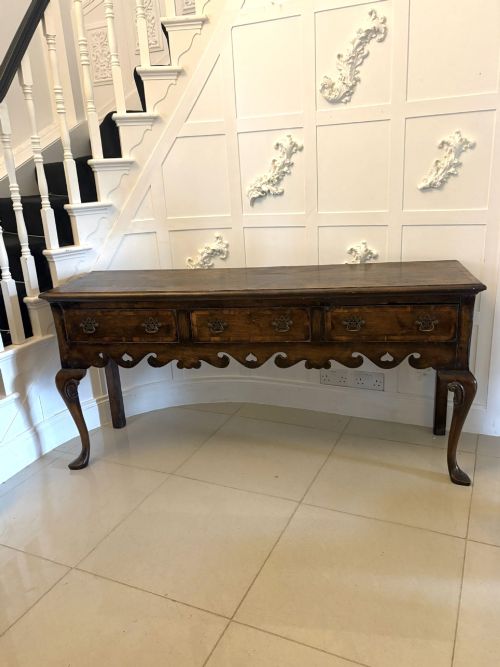
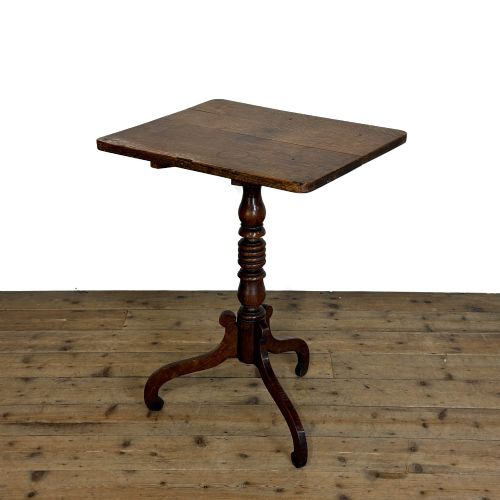
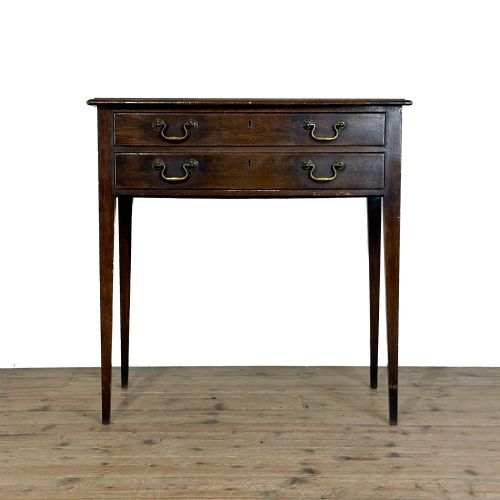
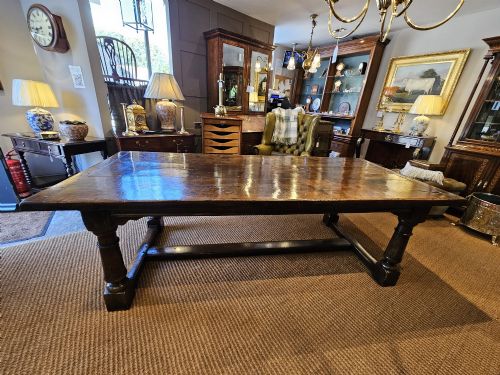
A georgian dark oak table encompasses a robust variety of domestic furniture, most commonly appearing as lowboys, gateleg dining tables, refectory pieces, and side tables. These forms date primarily from the eighteenth century, alongside later nineteenth-century interpretations and revival pieces that mirror earlier country aesthetics.
Buyers seeking a georgian dark oak table typically encounter compact side tables and lowboys fitted with single drawers, as well as larger drop-leaf and gateleg formats designed for dining. Regional English country workshops produced much of this furniture, prioritising utility and sturdy construction over ostentatious ornament.
The material palette extends beyond plain timber to include mixed woods, with makers frequently pairing oak tops with elm or yew, and occasionally incorporating burr oak veneer for decorative occasional tables. Surviving examples reflect centuries of domestic use, showing the warm lustre inherent in mature timber handled across generations.
Materials and construction methods
Cabinet makers utilised solid oak for its exceptional density and strength, often selecting quarter-sawn boards that revealed distinctive medullary rays across the surface. Secondary woods such as elm and yew appeared in structural elements and table tops, while brass handles and iron fittings secured drawers and folding flaps.
Joinery relied on traditional pegged mortise and tenon joints to withstand heavy daily use in kitchens and dining rooms. Gateleg and drop-leaf mechanisms employed sturdy wooden pivots and swing legs, allowing tables to expand for meals and fold down against walls when space was required.
Listings span the eighteenth, nineteenth, and early twentieth centuries, featuring oak alongside elm, yew, burr oak veneer, and marble.
Factors influencing quality and character
The integrity of the timber and the depth of surface patination largely determine the standing of an individual piece, with untouched surfaces showing decades of wax and wear rather than modern refinishing. Original brass hardware, untampered drawer linings, and minimal structural timber replacement separate honest vernacular pieces from heavily restored examples.
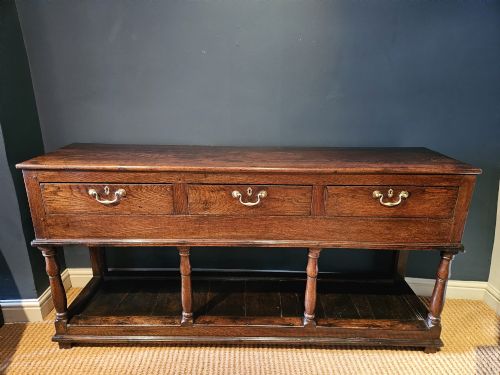
Proportion and execution distinguish standard utilitarian furniture from exceptional cabinet work, particularly in pieces featuring cabriole legs, shaped aprons, or sophisticated turned supports. Refectory tables and lowboys with balanced proportions and intact potboards demonstrate the higher skill levels of period regional workshops.
The Georgian Dark Oak Table Glossary
- Lowboy
- A small side table or dressing table featuring one or more drawers and long legs, popular throughout the eighteenth century for domestic service. These pieces frequently double as compact writing surfaces or serving stands.
- Gateleg table
- A dining or occasional table with hinged leaves supported by swinging legs that pivot outward like a gate. This clever design allowed large surfaces to fold away compactly when not in use.
- Refectory table
- A long, narrow dining table traditionally built for communal dining halls, constructed with heavy legs and connected by low floor stretchers. Country versions often display thick oak tops and simple plank construction.
- Cricket table
- A small, lightweight occasional table supported by three legs and usually featuring a round top, named for its resemblance to a cricket stool. They often include a lower tier for storage.
- Potboard
- An open slatted shelf fitted near the floor between the legs of a dresser base or serving table, originally designed to hold heavy ceramic pots and kitchen utensils.
Georgian Dark Oak Table: Frequently Asked Questions
What is a lowboy used for?
A lowboy served historically as a small dressing table or general-purpose side table in bedchambers and parlours. Its compact proportions and single or multiple drawers made it ideal for storing personal items or writing letters.
Today, these tables function well as hallway stands, bedside surfaces, or compact desks in modern interiors. Their modest footprint allows them to fit into spaces where larger dining furniture cannot go.
How do I care for dark oak furniture?
Maintenance requires regular dusting with a soft, dry cloth and occasional application of traditional beeswax to nourish the dry timber. Avoid placing these pieces in direct sunlight or near heat sources, which can cause the old wood to split or warp.
Spills should be wiped away immediately to protect the historic surface patination from water damage. Gentle care preserves the rich colour developed over centuries of handling.
Are gateleg tables stable for daily dining?
Gateleg tables provide a remarkably sturdy surface when the swinging legs are fully extended and locked into position. The heavy oak framework distributes weight evenly across the floor.
Users should ensure the pivot joints and wooden hinges remain clean and unhindered so the flaps lower smoothly. When properly balanced, these tables handle everyday family meals without wobble.
How can I tell an 18th-century table from a later copy?
Period pieces display hand-cut joinery marks, genuine timber shrinkage, and accumulated surface wear that modern machinery cannot easily replicate. Drawer linings often feature hand-planed boards and older construction methods.
Later revival pieces made around nineteen hundred frequently use standardised fixings, machine-sawn timber, and uniform finishes lacking deep patination. Examining the underside and joints usually reveals the true age of the piece.