
Georgian Cut Crystal
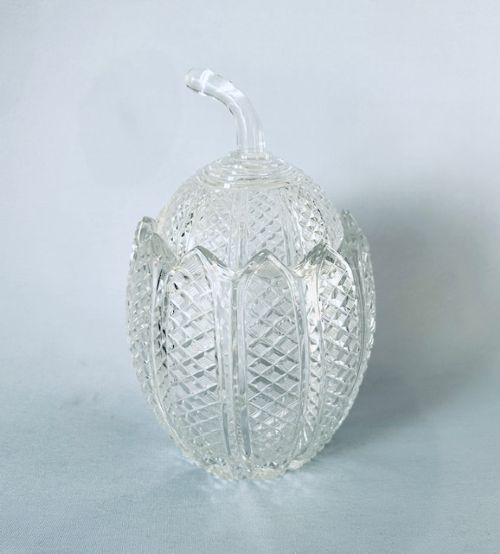
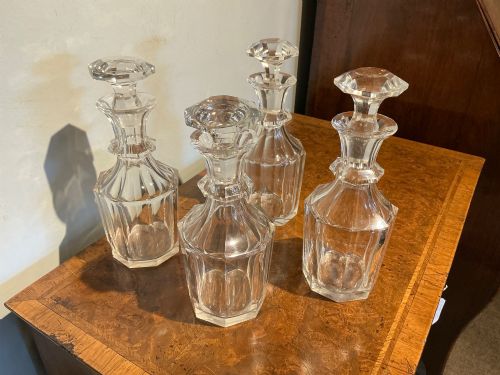
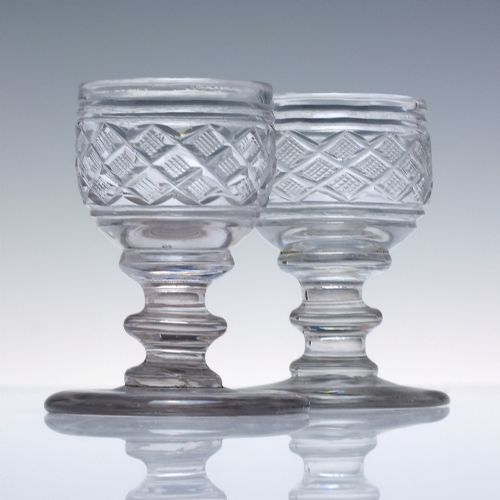
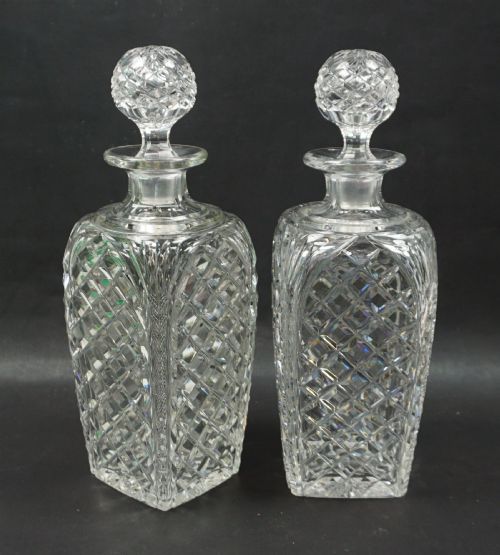
Georgian cut crystal brings heavy lead glass and sharp wheel-cut facets together in decanters, rummers, and salts designed to catch the candlelight.
Georgian Cut Crystal
Georgian cut crystal encompasses heavy drinking vessels, tablewares, and personal ornaments produced across the eighteenth and nineteenth centuries. Search results for this phrase bring up decanters, rummers, wine glasses, cruet sets, and shoe buckles spanning the Georgian, Regency, and Victorian periods.
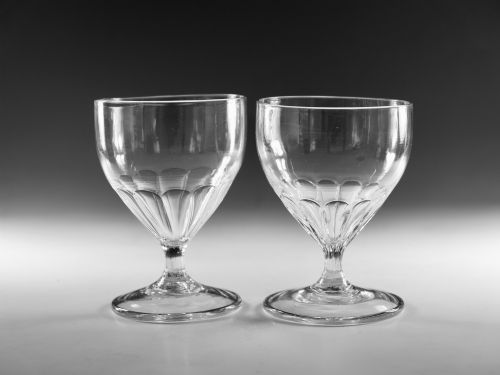
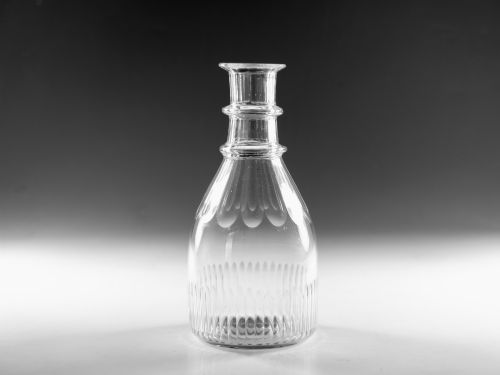
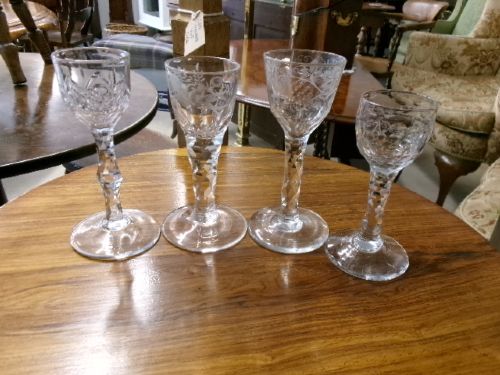
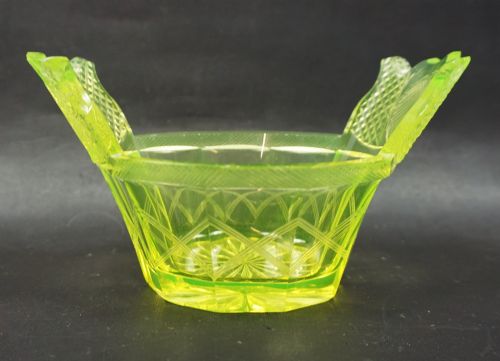
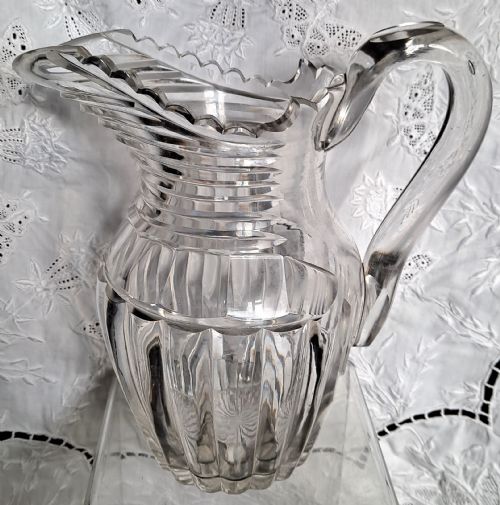
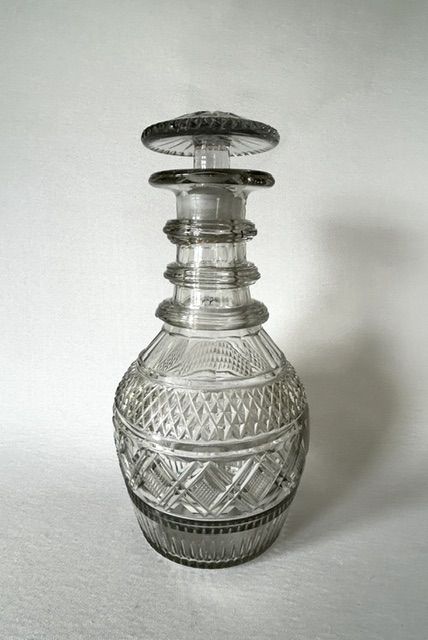
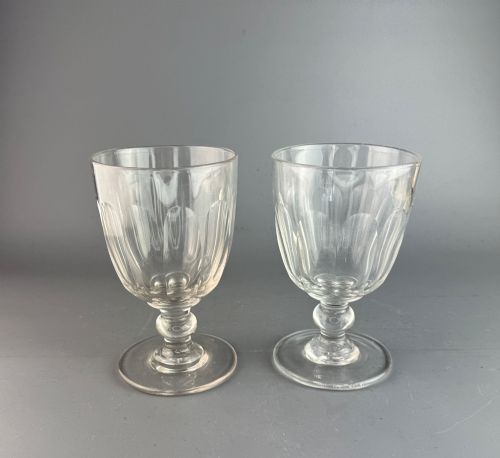
The objects most frequently met on this page are lead glass vessels intended for the dining table, including faceted carafes, rummers with square lemon squeezer feet, and Irish cut glass salts. Makers shaped these pieces from heavy materials, applying deep prismatic cuts to refract light.
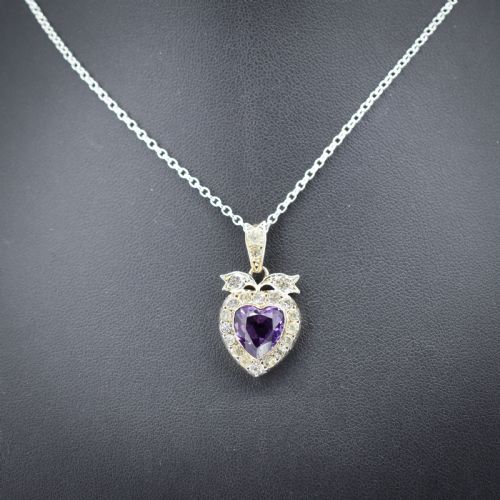
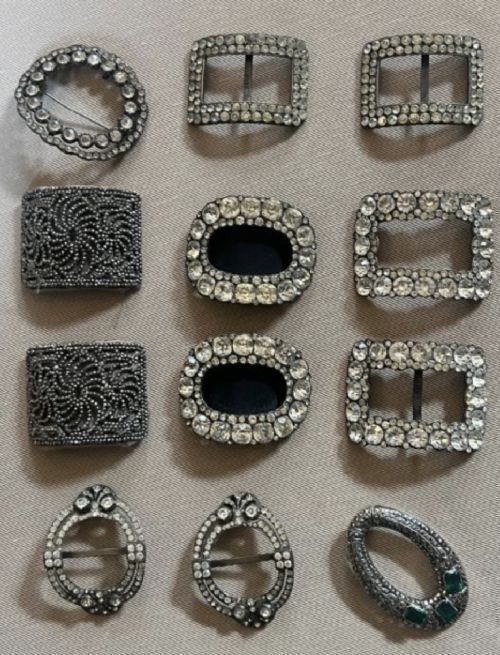
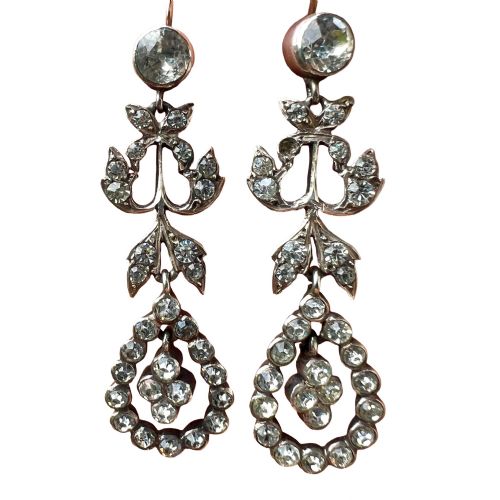
Beyond tableware, the evidence shows smaller personal items such as paste glass shoe buckles and paste earrings utilising similar crystal elements. These items demonstrate how the cutting techniques applied to large decanters translated to miniature decorative facets.
How they were made
Workshops utilised heavy lead crystal and lead glass, which provided the dense, clear body necessary for deep wheel-cutting. Artisans pressed or blew the molten material into iron or wooden moulds before cooling the glass for subsequent manipulation.
Craftsmen applied cutting wheels of varying sizes to carve geometric patterns, pillar and prism lines, and hobnail textures into the surface. Subsequent polishing smoothed the cut facets to achieve transparency and brilliance.
Metal mounts in silver or steel joined the glass elements on items like cruet sets, sugar casters, and shoe buckles. These components relied on secure fixings, such as screw feet or filigree frames, to hold the crystal secure.
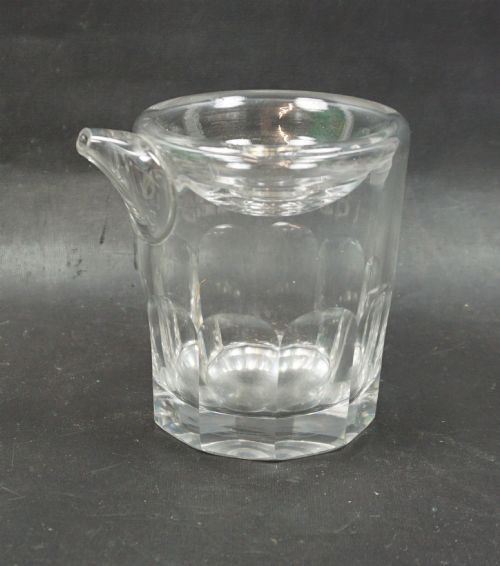
A tiny feeding cup from eighteen-thirty proves that even Georgian invalids required their nourishment served through cut crystal.
What varies in quality
The weight and clarity of the lead crystal establish the baseline quality of each vessel. Denser glass allows for deeper, crisper wheel-cuts that retain sharp edges without rounding during the final polish.
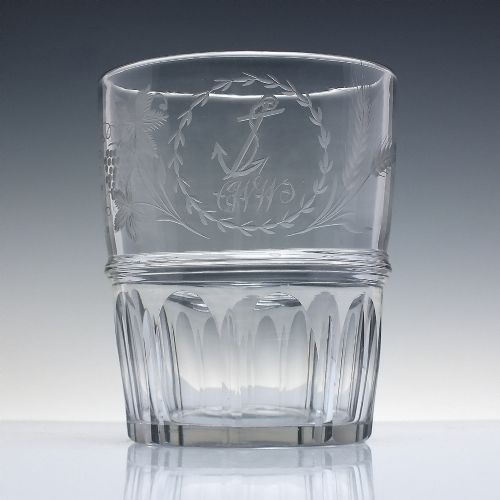
Design complexity separates standard tablewares from exceptional examples. Pieces featuring intricate combinations of hobnail cutting, fluting, and engraved hops and barley show greater technical command by the cutter.
The survival of matching sets, original stoppers, and fitted saucers influences the integrity of the piece. Matching collections of rummers or complete cruet sets demonstrate careful preservation alongside original manufacture.
William Rudkins·James Giles·Bateman
The Georgian Cut Crystal Glossary
- Rummer
- A large, heavy drinking glass used for wine or spirits during the Georgian period. These glasses frequently feature thick stems and deep facet cuts.
- Prussian decanter
- A wine bottle shape characterised by a tapered body and three or more horizontal neck rings. This form provided stability on shipboard and dining tables.
- Lemon squeezer base
- A square, pressed glass foot found on rummers and decanters. The sharp corners resemble the kitchen utensil from which collectors derive the term.
- Paste glass
- Transparent glass cut and polished to imitate gemstones in jewellery and shoe buckles. Makers set these stones in silver or steel mounts.
- Cruet set
- A matched collection of glass bottles mounted in a frame for holding condiments. Surviving sets often retain their original cut crystal stoppers.
Georgian Cut Crystal: Frequently Asked Questions
What is Georgian cut crystal?
Georgian cut crystal refers to heavy lead glass tableware and decorative objects produced in Britain and Ireland during the eighteenth and early nineteenth centuries. These pieces utilise deep wheel-cut facets to refract light.
The category includes decanters, rummers, wine glasses, salts, and cruet sets alongside small personal accessories like shoe buckles. The heavy lead content gives the glass its distinct weight and clarity.
How do I identify a Georgian decanter?
Georgian decanters typically feature heavy lead glass construction with hand-cut geometric patterns, pillar rings, or fluting. Many examples from this era incorporate tapered bodies and matching cut stoppers.
Earlier forms often display square lemon squeezer bases or three-ring Prussian necks. Examining the base reveals pontil marks left by the manufacturing process.
Were these pieces made in Ireland?
A significant portion of fine cut crystal from this era originated in Irish glasshouses operating in cities such as Waterford, Cork, and Dublin. Irish glass was particularly prized for its exceptional weight and dark, bluish clarity.
Irish pieces frequently display deep, bold cutting styles applied to standing bowls, salts, and decanters. These items often command attention for their substantial heft.
How should I care for antique glass?
Antique glass requires gentle hand washing in lukewarm water using mild detergent. Avoid sudden temperature changes to prevent thermal shock and cracking.
Store decanters and rummers away from direct edges and vibration. Remove stoppers periodically when storing empty decanters to prevent them from sticking.