











Georgian Crystal
Georgian crystal brings table glass and paste jewellery into the room, holding clear lead glass and intricate stemware for daily use.
Georgian Crystal
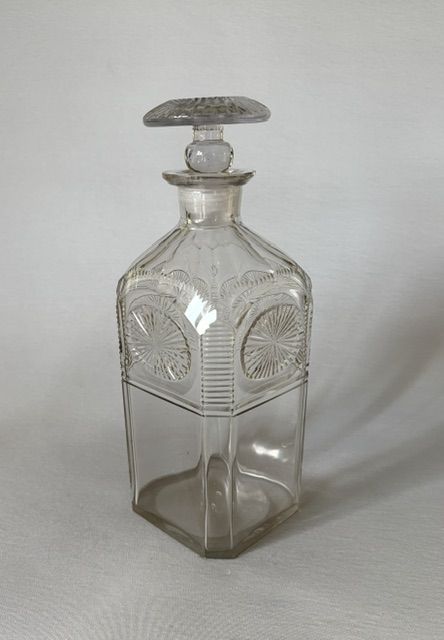
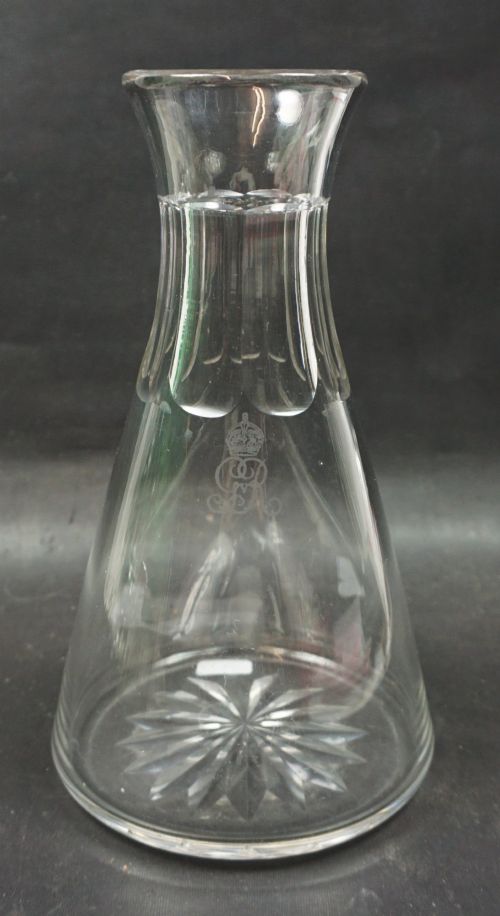
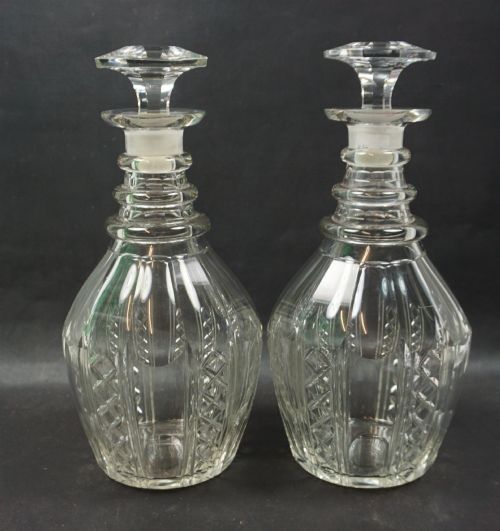
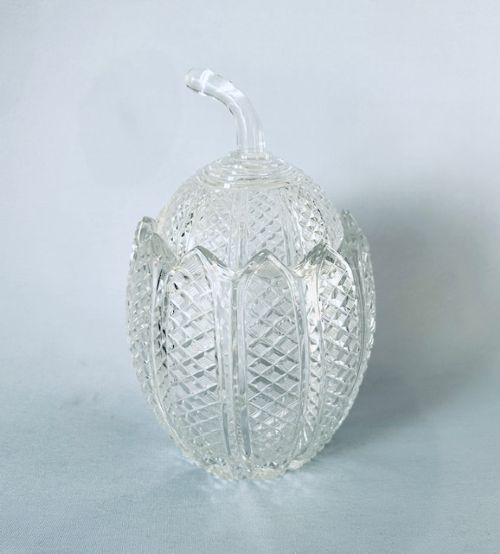
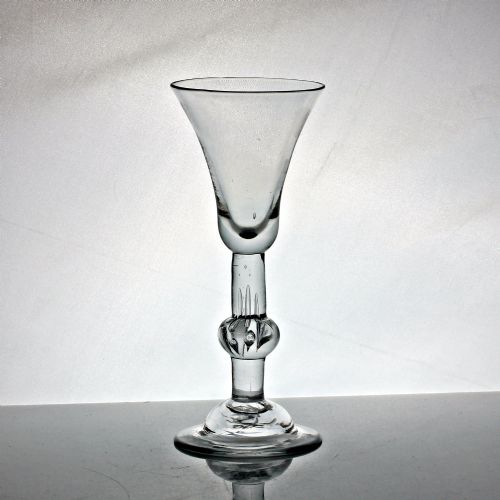
When buyers search for georgian crystal, they look at drinking vessels and table items spanning the eighteenth and early nineteenth centuries. The pieces on this page comprise wine glasses, ale glasses, gin glasses, and decanters alongside serving rummers and novelty items like biscuit barrels.
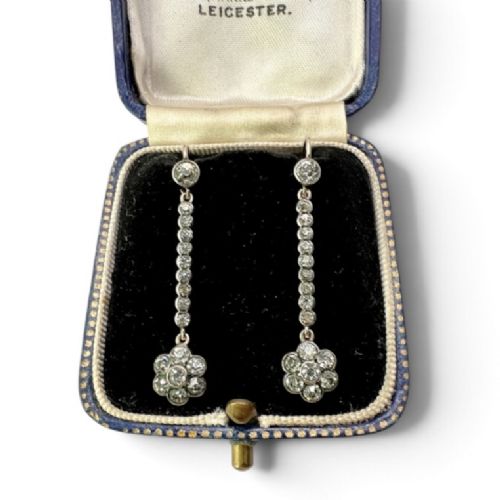
Stemware dominates the selection, featuring opaque twists, air twists, and plain stems supporting bell, ogee, or round funnel bowls. Collectors also encounter paste jewellery, shoe buckles, and cut glass water jugs originating from Georgian and Regency periods.
What varies in quality
Clarity and metal weight distinguish finer examples from standard production, as pure lead crystal refracts light with greater intensity. The precision of twist stems, whether double series opaque or multi-spiral air, shows the glassblower's control over hot metal.
Engraving depth and sharpness on bowls and decanters separate accomplished wheel-work from superficial surface scratching. Form balance, such as the proportions between folded feet and heavy baluster knops, determines structural integrity.
Georgian Crystal Retail Price Guide 2026
Typical asking prices for georgian crystal among the pieces listed under this phrase on Sellingantiques today, from the lower quarter to the upper quarter. They describe what is for sale here now, not the wider market.
Listings feature lead crystal, flint glass, and paste glass formed into wine glasses, ale glasses, rummers, and decanters across Georgian and Regency periods.
The Georgian Crystal Glossary
- Air twist
- A stem containing elongated internal air bubbles drawn into a spiral thread. This technique appeared widely in mid-eighteenth-century English stemware.
- Opaque twist
- A stem enclosing white or coloured enamel glass threads twisted into solid patterns. These threads create intricate optical effects inside clear lead glass.
- Folded foot
- A glass base with the outer rim turned underneath to form a double layer of metal. This rim design added weight and strength to early drinking vessels.
- Pontil mark
- A rough scar left on the base where the punty rod detached from the vessel after blowing. Ground pontils appear on finer finished items.
- Paste glass
- High-refractive-lead glass cut and polished to imitate gemstones in jewellery and shoe buckles. Eighteenth-century artisans set these stones in silver mounts.
- Rummer
- A large, heavy drinking glass used for punch, beer, or wine during the eighteenth and nineteenth centuries. They often feature bucket bowls on short stems.
Georgian Crystal: Frequently Asked Questions
What is georgian crystal?
Georgian crystal encompasses lead glass tableware, drinking vessels, and decorative items produced during the eighteenth and early nineteenth centuries. The category includes stemware with twist stems, heavy decanters, and cut glass jugs.
These objects reflect the development of English and Irish glasshouse manufacturing techniques. They bridge domestic utility and display.
How do I identify air twist stems?
Air twist stems display internal helical channels of trapped air running through the transparent glass. Look closely at the stem under good light to trace the spiral threads from the foot to the bowl.
This technique required skilled manipulation while the glass remained molten. It dates most pieces to the mid-eighteenth century.
Were decanters marked by makers?
Makers rarely signed or stamped glass decanters during the Georgian period. Attribution relies on form, metal weight, cutting style, and pontil characteristics.
English and Irish glasshouses produced similar vessel shapes without factory stamps. Documentation usually depends on contemporary records or documented matching sets.