
Georgian Crystal Glass
Georgian crystal glass brings heavy lead-infused brilliance and hand-tooled stems to the table, offering a tactile connection to eighteenth-century drinking culture.
Georgian Crystal Glass
When you search for georgian crystal glass, you encounter drinking vessels, decanters, and serving pieces spanning the eighteenth and early nineteenth centuries. The majority of these objects are wine glasses, ale glasses, and rummers shaped by hand and finished with engraved or faceted details.
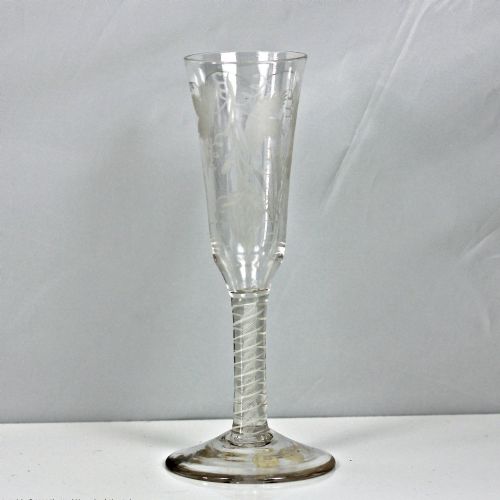
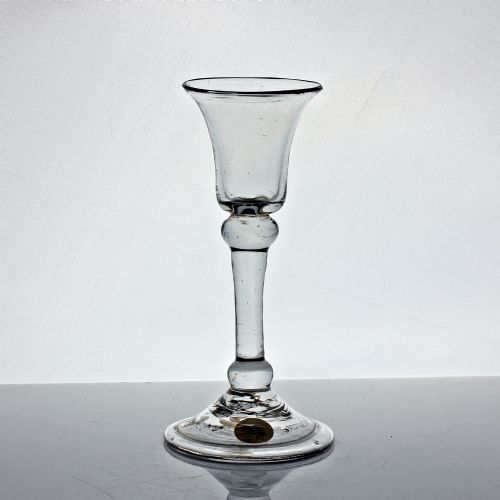
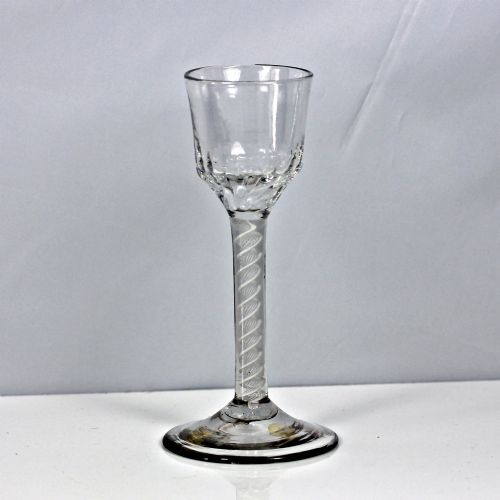
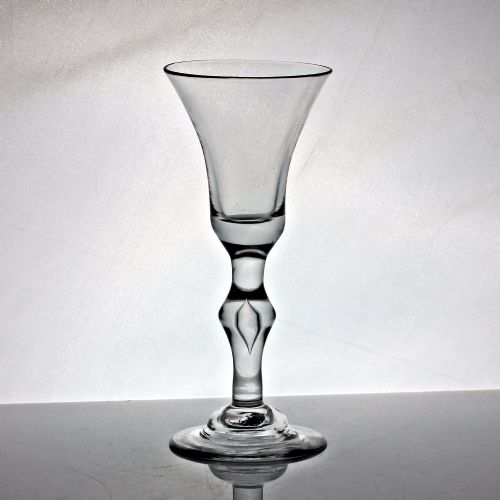
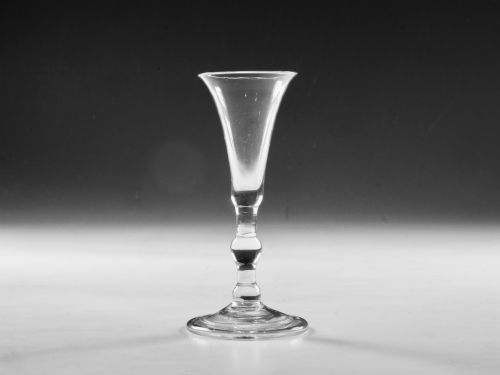
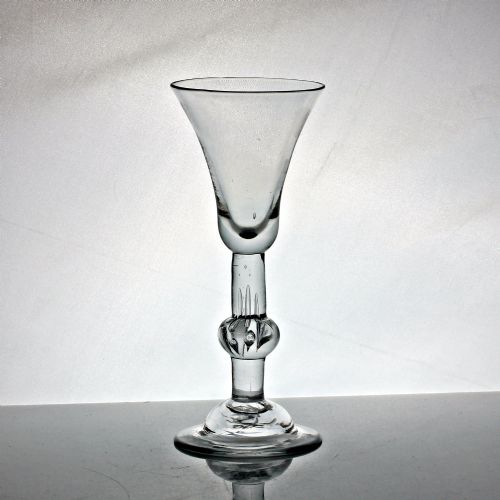
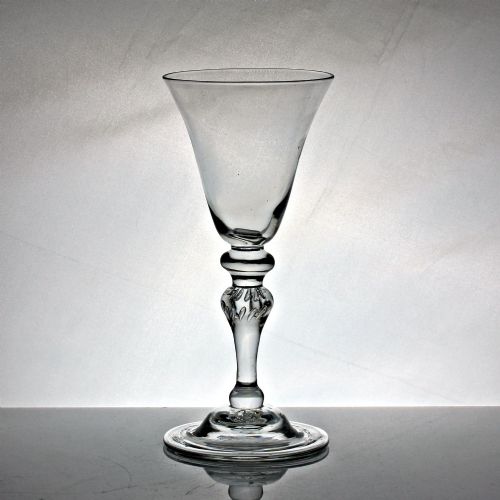
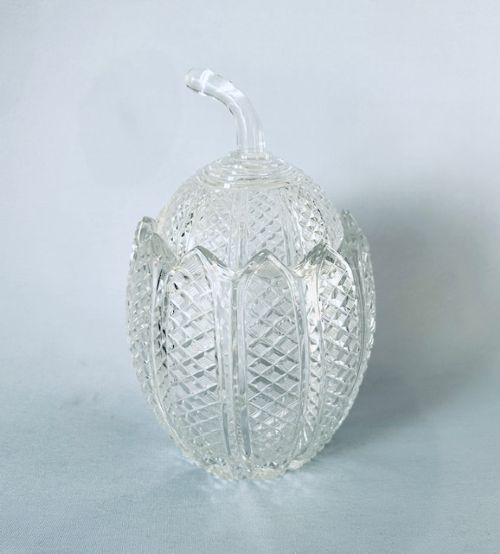
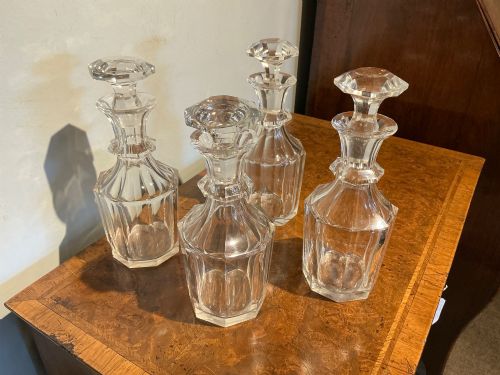
The material repertoire includes lead crystal, flint glass, and clear glass shaped into balusters, air twists, and opaque twists. Forms range from heavy rummers to delicate gin glasses, alongside novelty biscuit barrels and square section tapered decanters.
Most examples originate from English workshops, though Irish cut glass and Bohemian pieces also appear among the selections. These vessels served functional roles at the dining table and continue to provide historical character for modern collections.
Materials and production methods
Glassmakers produced these items using high-lead formulations known as lead crystal or flint glass, which provided the heavy weight and refractive brilliance characteristic of the period. Blowing the metal into form allowed craftsmen to manipulate the hot material into complex profiles.
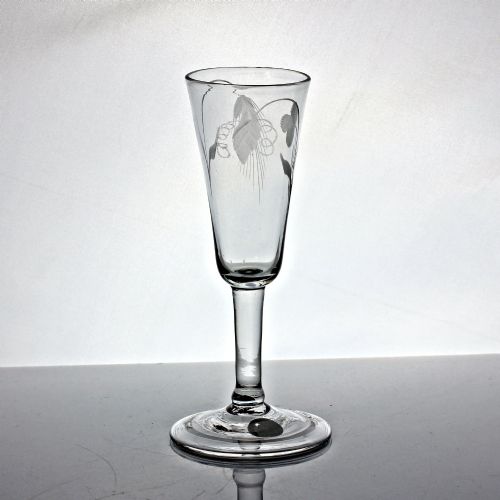
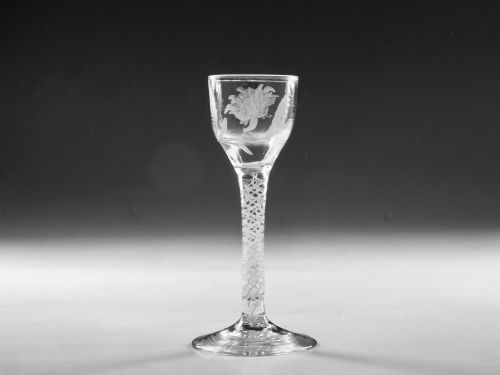
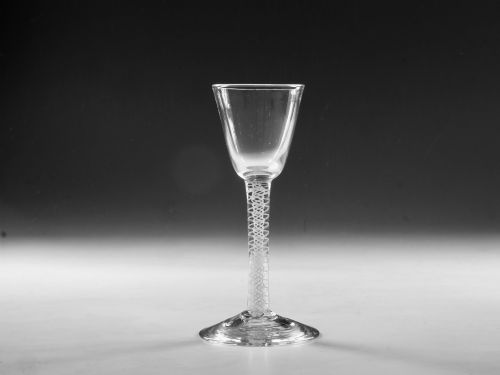
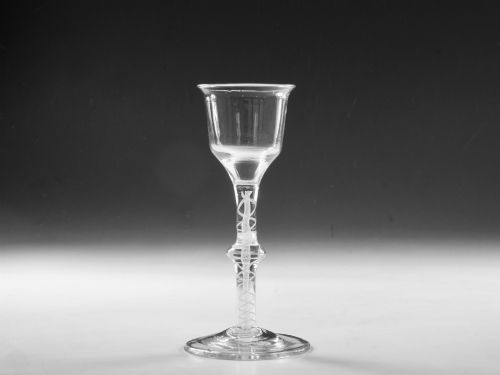
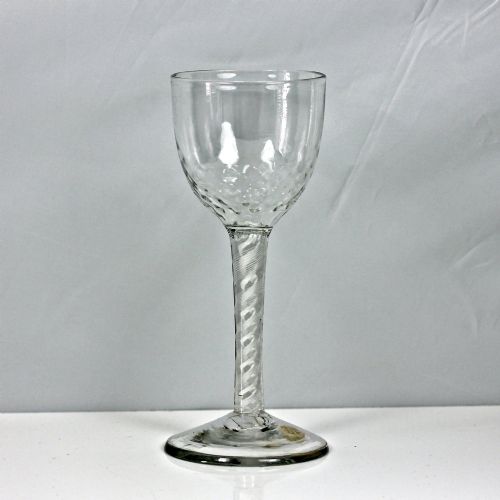
Makers formed internal stems by trapping air bubbles to create multi-spiral air twists or by incorporating opaque white glass rods to form intricate twist patterns. Wheel-cutting and diamond-point engraving added exterior ornamentation such as hops, barley, and geometric facets.
Components like feet and bowls were frequently worked separately and joined while hot, often resulting in folded rims or domed bases that stabilised the heavier drinking vessels.
Current listings feature lead crystal and flint glass objects spanning the eighteenth century through the 1930s, including wine glasses, decanters, and novelty biscuit barrels.
Distinctions in standard and execution
The refinement of the stem formation largely dictates the standard of a piece, distinguishing simple drawn stems from complex air and opaque twists that require immense skill to pull evenly. Clarity of the lead metal and the crispness of wheel-cut facets further separate standard vessels from exceptional examples.
Proportion and balance define the top tier of these objects, where the weight of the bowl matches the height of the stem and the spread of the foot. Pieces retaining original surface characteristics without excessive wear or crude repair command greater appreciation among collectors.
The Georgian Crystal Glass Glossary
- Lead crystal
- A dense glass containing lead oxide that increases weight, refractive index, and working time for the maker. This material allows for deep wheel-cutting and a resonant ring when struck.
- Air twist
- An optical effect within a glass stem created by drawing out elongated air bubbles during manipulation. The trapped air forms spiral channels that catch the light.
- Opaque twist
- A decorative stem element formed by incorporating white or coloured enamel glass rods into the clear metal. These rods are twisted during the pulling process to produce intricate opaque threads.
- Baluster
- A sturdy, heavy stem form featuring swelling knops reminiscent of architectural supports. This style dominated earlier eighteenth-century drinking vessels before slender stems became fashionable.
- Rummer
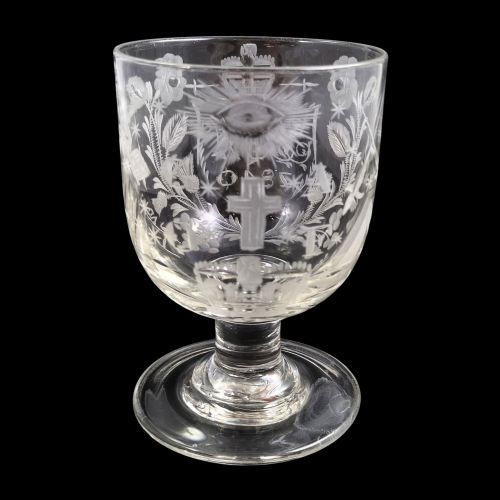
- A large, heavy-bottomed drinking glass designed for ale, wine, or punch. These vessels frequently feature engraved decoration and sturdy bucket bowls.
Georgian Crystal Glass: Frequently Asked Questions
How do I use Georgian glass today?
These drinking vessels and decanters suit occasional ceremonial use at the dining table or display within cabinet collections.
Hand washing in lukewarm water preserves the fragile lead metal and prevents thermal shock.
What is an air twist stem?
An air twist is a decorative stem containing elongated spiral channels of trapped air inside the clear glass.
Craftsmen created these patterns by pricking air bubbles within the hot metal and twisting the stem as it was drawn out.
How do I date a Georgian glass?
Dating relies on combining the form of the bowl, the construction of the stem, and the profile of the foot.
Earlier pieces often feature heavy baluster stems and domed feet, whereas later nineteenth-century examples display extensive diamond cutting and faceted profiles.
What is lead crystal?
Lead crystal is a heavy glass variety containing significant amounts of lead oxide, which softens the material for cutting and increases its brilliance.
This composition gives eighteenth-century vessels their characteristic heft and clear ring.