
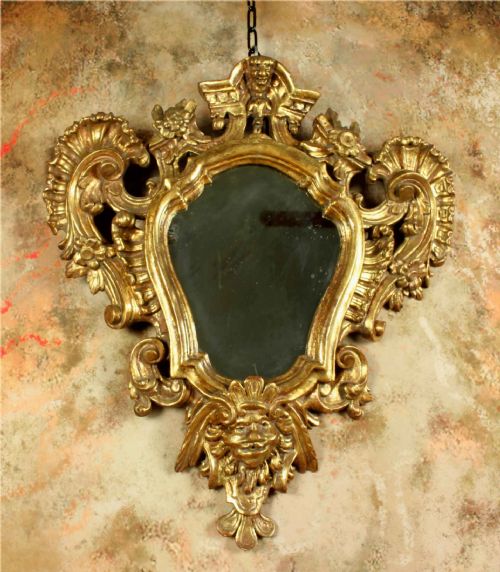
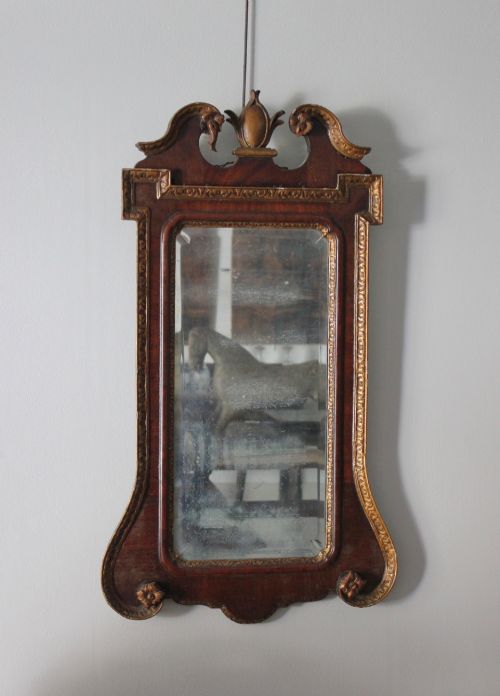
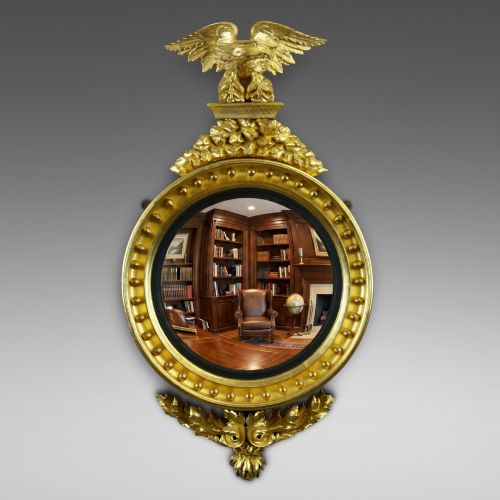
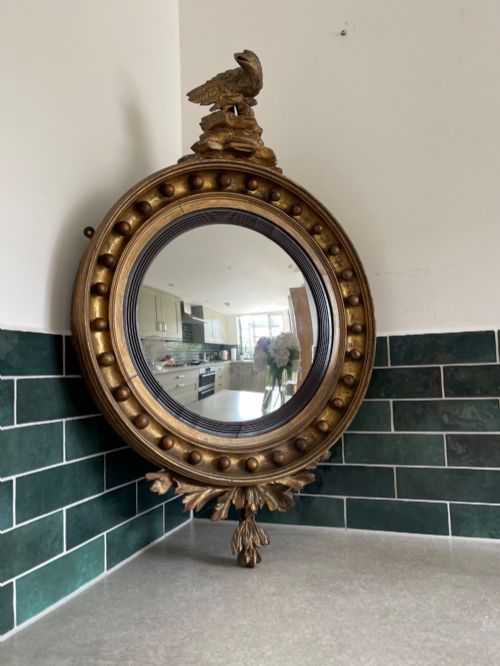
Georgian Cresting Wall Mirror
A georgian cresting wall mirror brings classical proportion and reflective depth to an interior, drawing the eye with carved mahogany or gilded gesso.
Georgian Cresting Wall Mirror
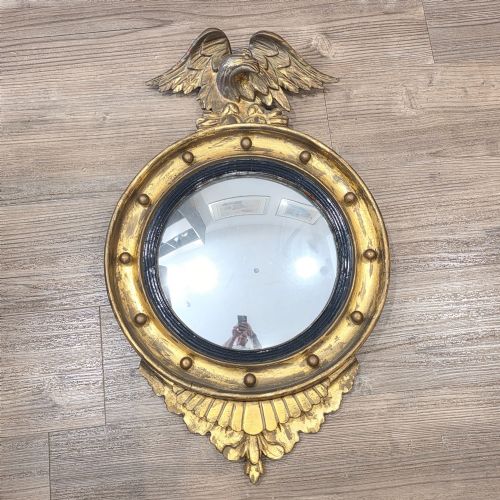
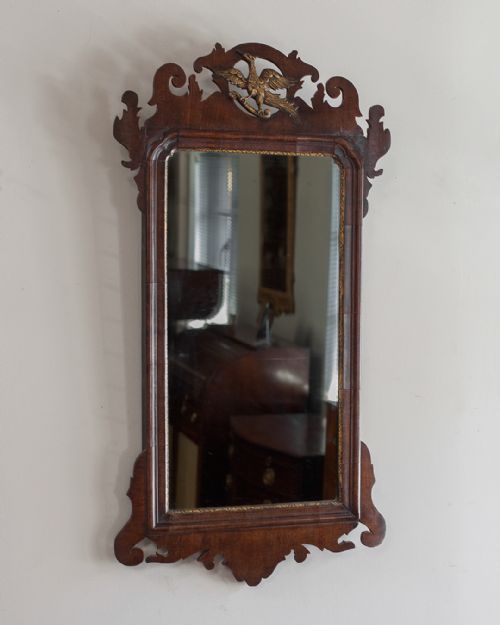
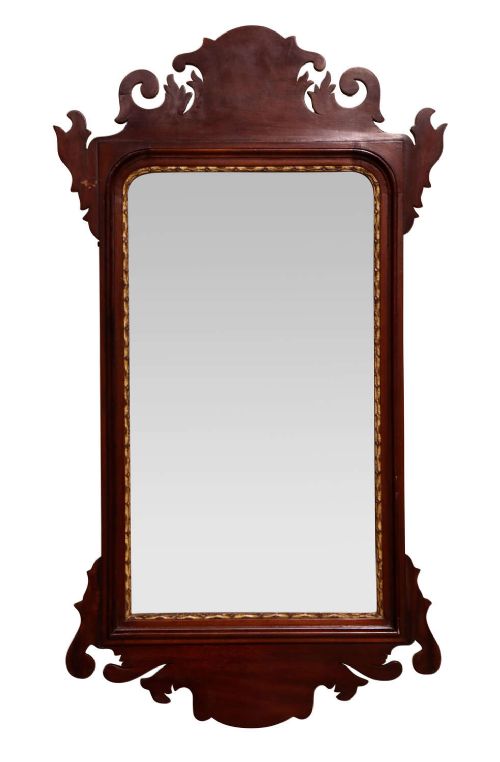
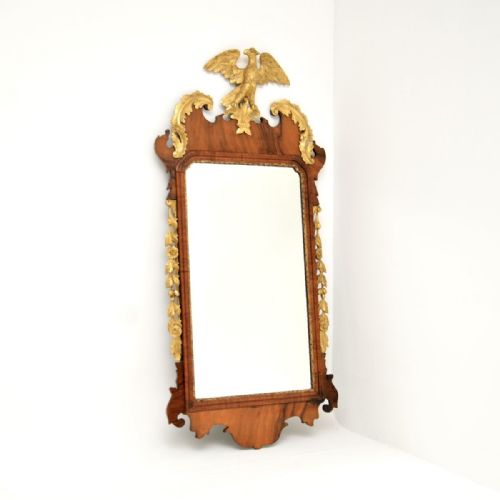
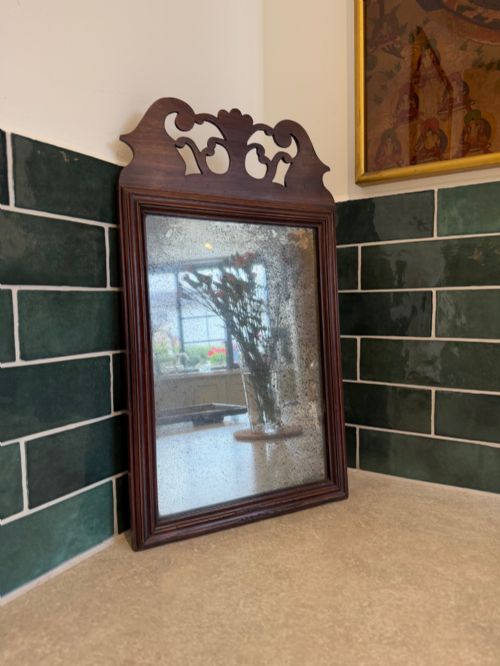
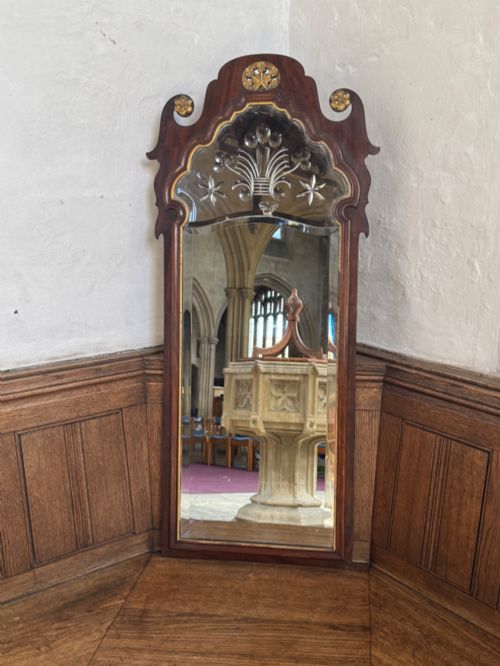
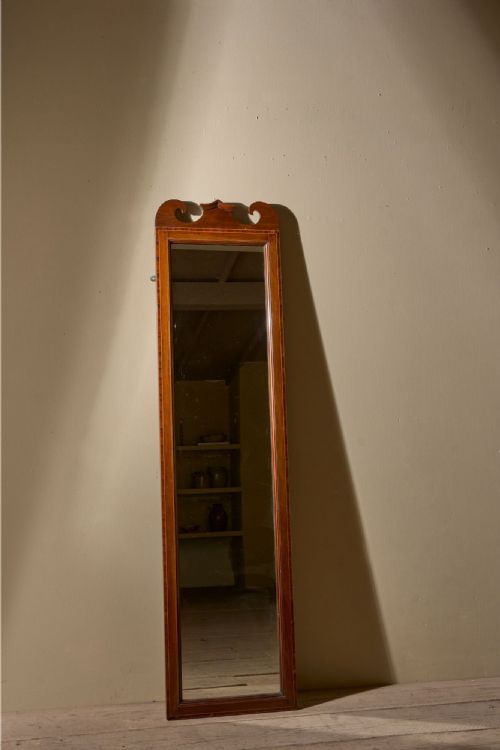
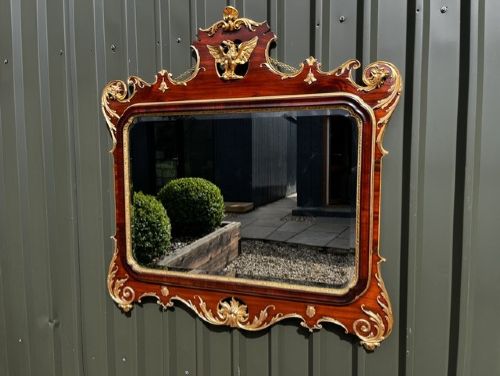
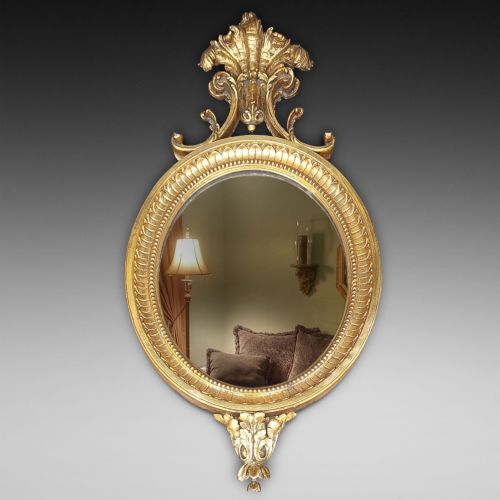
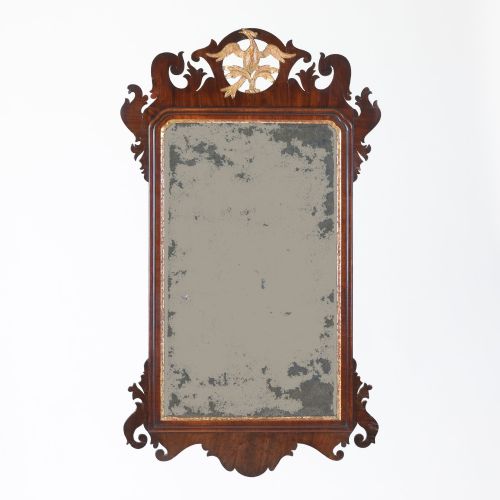
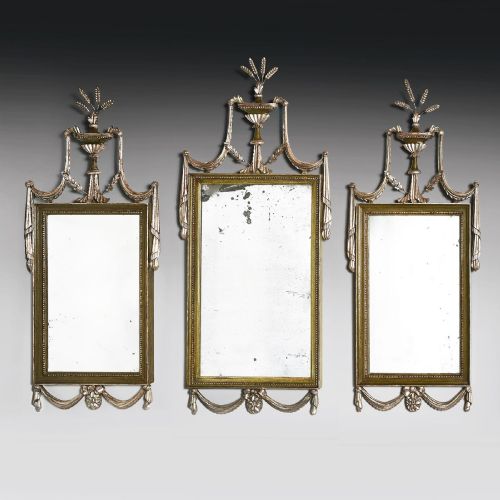
A georgian cresting wall mirror encompasses tall pier glasses, fretwork frames, and circular convex plates crowned by elaborate ornamentation. These pieces originate from the eighteenth and nineteenth centuries, alongside later revivals spanning the Edwardian era and early nineteen-hundreds.
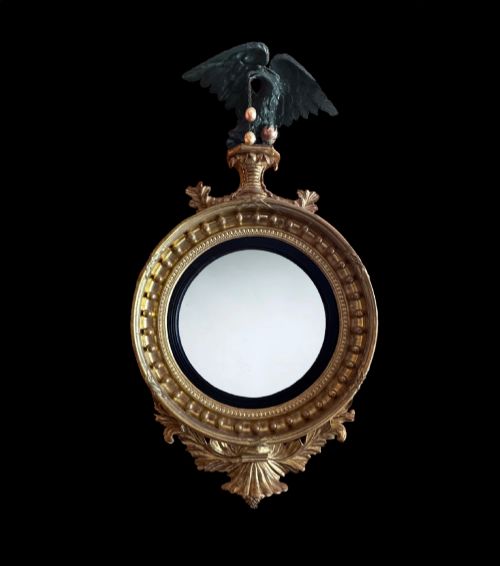
Mahogany and walnut timber versions feature fretted silhouettes and parcel-gilt details, while convex forms often display spread eagles, dragons, or ho-ho birds atop the frame. Overmantel mirrors and smaller wall-hung designs reflect domestic spaces designed for light and symmetry.
How They Were Made
Carvers shaped solid mahogany, walnut, and softwoods into scrolling frets and architectural pediments using hand chisels and fretsaws. Giltwood and gesso frames relied on layers of chalk ground applied to wood bases before being gilded with metal leaf.
Mirror plates included silvered glass, reverse cut plates, and bevel-edged segments held within rebated frames. Joinery typically employed pinned mortise and tenon joints or layered construction to support heavy glass panels.
The listings span eight distinct periods, from eighteenth-century Georgian origins through to the nineteen-twenties revival movement.
What Varies in Quality
The crispness of the hand-carving defines the distinction between standard production and master craftsmanship, particularly in the rendering of foliage, birds, and architectural moulding. Sharp, deep undercut details indicate superior skill compared to soft or shallow relief work.
The preservation of original gilding and the depth of the silvering on the mirror plate alter the visual impact of the piece. Intact gesso layers and period glass retain an authentic tonal quality that replacement elements lack.
Gillows Of Lancaster·John Belchier·William Kent
The Georgian Cresting Wall Mirror Glossary
- Gesso
- A plaster-like mixture applied to wood frames as a base for gilding or painting. It accepts fine carving details before metal leaf is laid.
- Pier Mirror
- A tall glass designed specifically to hang on the narrow wall space between windows. These pieces maximise natural light in period rooms.
- Parcel Gilt
- A decorative technique where only specific raised portions of a wood frame are gilded. This highlights carved details against a dark mahogany or walnut background.
- Convex Mirror
- A circular mirror featuring a curved glass plate that provides a wide-angle reflection of the room. These frequently include ornate crests and candle sconces.
Georgian Cresting Wall Mirror: Frequently Asked Questions
Where should I hang a convex mirror?
Convex mirrors work effectively in reception rooms, hallways, and dining spaces where the curved reflection captures the breadth of the interior.
Position the glass at eye level to ensure the focal point commands the wall without distortion from extreme angles.
How do I identify a period frame?
Examine the timber construction, backboards, and the composition of the gesso or carved elements under magnification. Period pieces show tool marks and timber shrinkage consistent with age rather than uniform machine production.
Check whether the mirror plate is secured with original wedges or glazier's points within the rebate.
Are pier mirrors different from overmantels?
Pier mirrors are traditionally proportioned to fit narrow wall spaces between architectural openings like windows or doors. Overmantel mirrors are wider formats built to sit specifically above a fireplace mantelpiece.
Both forms utilise similar carving styles and giltwood finishes depending on the period.