


Georgian Lacquered Mirror
A georgian lacquered mirror brings rich colour and exotic narrative to a room, offering the decorative depth that only layered japanning provides.
Georgian Lacquered Mirror
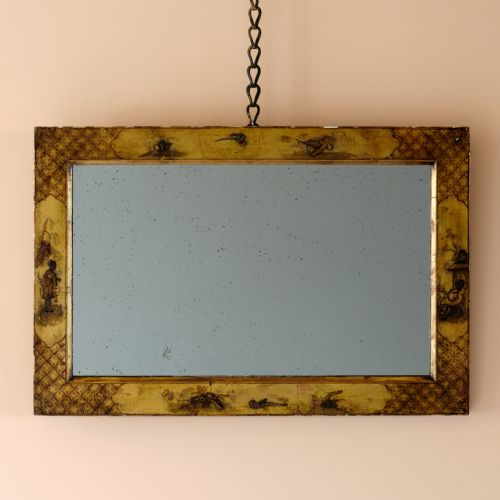
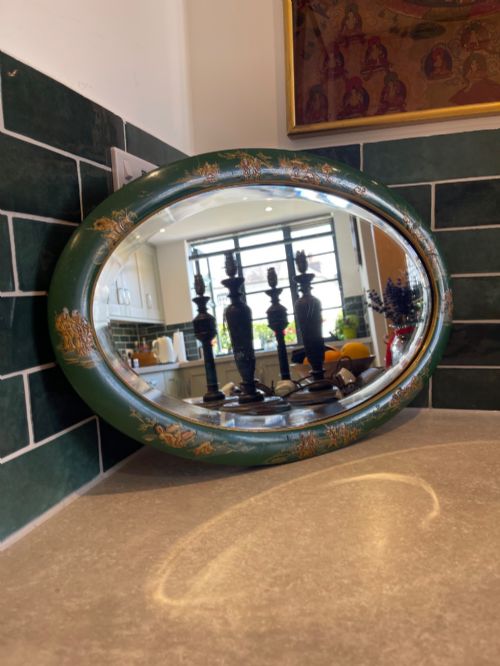
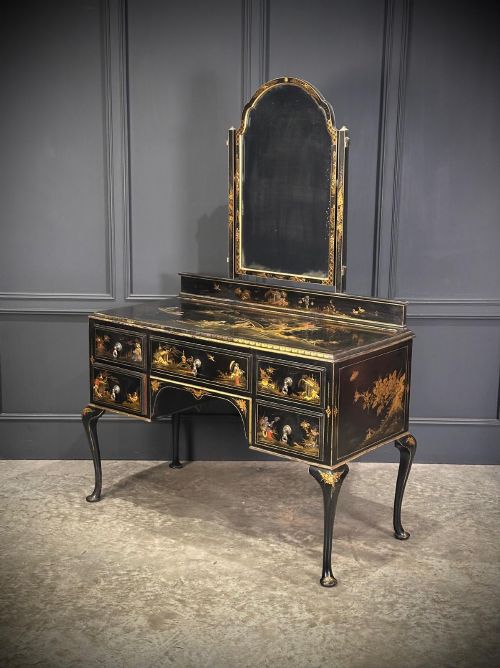
A georgian lacquered mirror encompasses wall mirrors, dressing mirrors, and toilet mirrors finished in rich decorative schemes. The selection spans authentic pieces from the eighteenth century alongside later nineteenth-century interpretations, Edwardian revivals, and pieces from nineteen twenty.
Buyers encounter striking finishes including black, cream, and scarlet lacquer, frequently accented with gold leaf and giltwood. Many examples showcase Chinese export influence and Chinoiserie motifs, while specific formats incorporate miniature bureau bases or dressing table integration.
How they were made
Maker construction relies on wood foundations built to house mirror glass, utilising metal hardware and traditional joining techniques. Surface decoration depends on lacquer applications built up in layers, often highlighted with gilt and gold leaf to define Chinoiserie scenes.
Stylistic execution draws from Queen Anne, George I, and George II traditions, creating relief work and painted narratives. Craftspeople shaped wood into wall mirrors and toilet glasses before applying the distinctive japanned and lacquered finishes.
The inventory includes periods spanning the eighteenth century, the nineteenth century, nineteen twenty, and the Edwardian era.
What varies in quality
The sophistication of the painted Chinoiserie figures and the depth of the lacquered surface separate standard examples from superior works. Finer pieces demonstrate precise gold leaf application and harmonious colour saturation across the wooden frame.
Proportion and stylistic adherence also define the tier of a mirror, with George II style carved elements showing greater sculptural ambition. The preservation of the original glass and the crispness of the moulded details distinguish exceptional interpretations.
The Georgian Lacquered Mirror Glossary
- Chinoiserie
- European artistic interpretation of Chinese and East Asian decorative motifs. This style heavily influences the painted scenes found on lacquer furniture and mirrors.
- Japanning
- European imitation of East Asian lacquerwork involving layered varnishes and metallic dust. It creates the glossy, durable finish seen on red and black frames.
- Giltwood
- Wood carved and treated with a thin layer of gold leaf or metallic gilt. It frequently frames the lacquered panels on these mirrors.
- Pier mirror
- A tall mirror designed to hang on the wall between windows. These pieces often feature elaborate frames matching interior decorative schemes.
- Toilet mirror
- A smaller mirror mounted on a dressing stand or miniature bureau base. They sit on tables for personal grooming and cosmetic use.
Georgian Lacquered Mirror: Frequently Asked Questions
Where should I hang a chinoiserie mirror?
These mirrors suit spaces where reflected light enhances the polished lacquer surface and gold leaf details. Placing them above a fireplace or console table allows the decorative frame to function as the focal point of the room.
Smaller toilet mirrors work effectively on chests of drawers or side tables in bedrooms and hallways. Their vibrant colours and narrative scenes pair well with both traditional period interiors and eclectic modern rooms.
How do I distinguish an eighteenth-century mirror from a later revival?
Examining the construction methods, wood types, and the wear patterns on the glass provides clues to the age of a piece. Eighteenth-century originals show specific ageing characteristics in the lacquer and the underlying timber frame.
Revival pieces from the Edwardian period or nineteen twenty often utilise historical styles like George II or Queen Anne, but construction details and material finishes typically reflect the manufacturing standards of their actual production era.
What is a miniature bureau base?
Some toilet mirrors incorporate a small desk or compartment structure beneath the glass frame. This design combines the reflective surface with functional storage for small documents or personal items.
These combination pieces reflect the versatile furniture design of the period, offering compact utility alongside decorative Chinoiserie artwork.
How should I clean a lacquered mirror frame?
Dusting the frame gently with a soft, dry cloth prevents particulate accumulation without disturbing the delicate lacquer surface. Avoid using harsh chemical sprays or abrasive cloths that can damage the gold leaf and painted details.
Glass cleaner should be applied sparingly directly to a cloth rather than the mirror itself to prevent liquid from seeping behind the glass plate or damaging the surrounding wooden lacquer.