


Georgian Copper Water Pot
A georgian copper water pot brings genuine warmth to a room, offering sturdy metalwork and honest domestic utility from centuries past.
Georgian Copper Water Pot
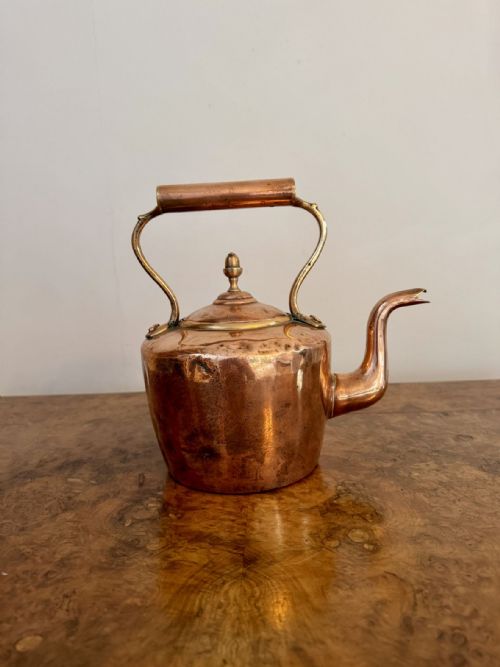
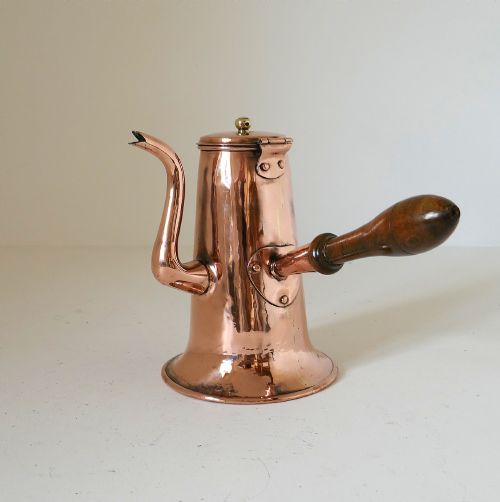
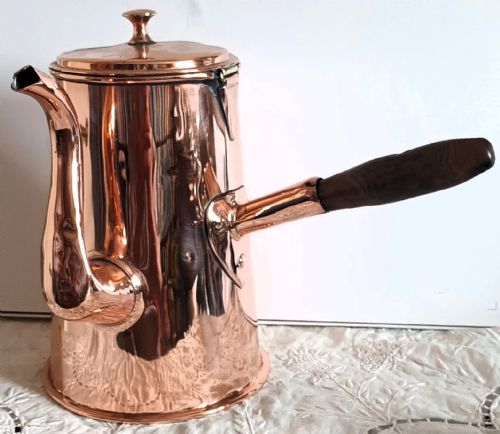
When you search for a georgian copper water pot, you encounter practical vessels designed for heating water in traditional settings. The selection on this page centres on kettles and coffee pots dating from the eighteenth and nineteenth centuries.
Most examples hail from the Georgian and George III eras, alongside a few Victorian interpretations. These items typically present generous proportions and functional spouts intended for daily use in period kitchens.
Forms vary between side-handled coffee pots and larger kettles. Many pieces incorporate brass elements alongside the main copper body to provide structural reinforcement and visual contrast.
How they were made
Constructed primarily from sheet copper, these vessels rely on durable metalworking techniques suited to frequent heating over an open fire or hearth. Craftsmen shaped the metal into substantial bodies designed to retain heat effectively.
Makers integrated brass components for handles, collars, or spouts, attaching them securely to the copper structure. Wooden elements occasionally appear on handles to provide insulation against the heat during pouring.
Some side-handled pots still bear the faint, comforting soot marks of an eighteenth-century hearth.
What varies in quality
Quality in these vessels rests upon the weight of the metal and the integrity of the construction. Heavier gauge copper indicates a more robust construction intended for enduring service rather than light decorative display.
The finesse of the surface finish and the preservation of original brass and wooden fittings dictate the standing of an individual piece. Superior examples retain their intended proportions and functional form without excessive modern intervention.
The Georgian Copper Water Pot Glossary
- Copper
- A durable reddish-brown metal prized for its thermal conductivity and malleability. It forms the primary body of these historical heating vessels.
- Brass
- A yellow alloy of copper and zinc utilised for handles, spouts, and structural trim. It provides strength and a bright contrast against the darker copper surface.
- George III
- A historical design period spanning the late eighteenth and early nineteenth centuries. Pieces from this era often display classic proportions and restrained decorative detailing.
- Side-handled
- A configuration where the gripping handle is mounted at ninety degrees to the spout. This layout appears frequently on early coffee pots to facilitate steady pouring.
Georgian Copper Water Pot: Frequently Asked Questions
What is a georgian copper water pot used for?
These vessels served primarily for heating water for tea, coffee, or domestic washing in the Georgian household. They sat close to the hearth to maintain a ready supply of hot water.
Today, collectors utilise them as decorative objects or focal points in period interiors. Their rich metallic surfaces bring texture and historical character to traditional spaces.
How do I date a copper kettle?
Dating relies on observing construction methods, shape, and stylistic markers associated with specific reigns and centuries. George III pieces often display characteristic proportions and heavier metal gauges.
Examining the seams and handle attachments also provides clues regarding manufacturing dates. Hand-hammered construction typically indicates earlier eighteenth-century origins.
Are these pots made of solid copper?
The main body of these vessels consists of solid sheet copper fashioned by period metalworkers. This material ensured the pot could withstand repeated heating over open flames.
Additional metals such as brass often appear on spouts, handles, or collars to provide structural strength. Wooden components might also be integrated to keep handles cool.
How should I clean antique copper?
Preserving the aged patina is generally recommended to maintain the historical character of the piece. Harsh chemical cleaning can strip away centuries of oxidation that collectors value.
Gentle dusting with a soft cloth suffices for routine maintenance. Avoid aggressive polishing unless you prefer a bright, reflective finish over the natural darkened surface.