


Georgian Hearth Cookware
Georgian hearth cookware brings solid metal vessels into the modern kitchen, offering functional pieces built for daily fireside use.
Georgian Hearth Cookware
When buyers search for georgian hearth cookware, they encounter sturdy kitchenalia and cooking utensils dating from the eighteenth century up to eighteen hundred. The selection centres on utilitarian items designed for open fireside cooking, primarily kettles, cooking pots, pans, and skillets.
The pieces appearing on this page span the georgian period and the reign of George III. Most examples hail from English workshops and utilise robust metals suitable for intense heat.
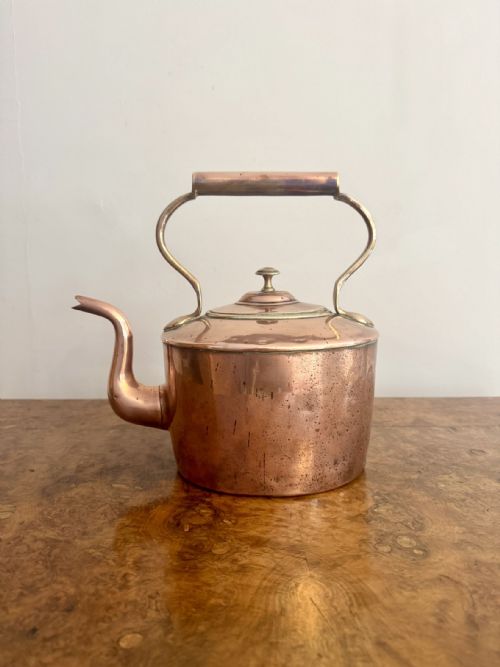
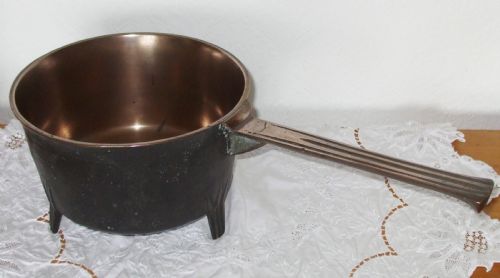
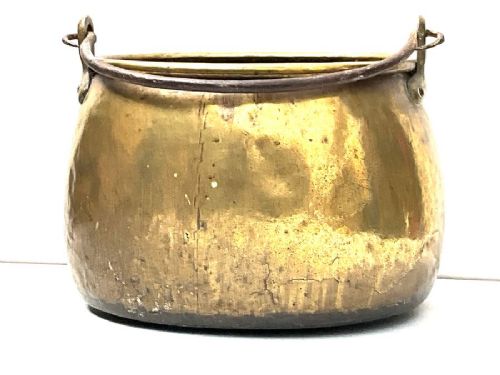
Kettles dominate the current selection, alongside heavy brass pans and bronze skillets or posnets. These items bridge decorative kitchenalia and functional hearth accessories.
How georgian hearth cookware was made
Metalworkers utilised copper, brass, bronze, and wrought iron to form these vessels, often employing hand-beaming and hammering techniques. Copper sheets were beaten to shape for kettles and cooking pots, while brass and bronze were cast for heavy pans and skillets.
Wooden components occasionally supplemented metal bodies on handles and insulators, adding tactile contrast to the hard materials. Construction methods prioritised durability over speed, resulting in thick walls and reinforced joints able to withstand direct flame.
Materials recorded across the inventory include copper, brass, bronze, wrought iron, and wood.
What varies in quality
Quality rests on the weight of the metal and the integrity of the original construction rather than surface gleam. Heavy brass pans and thick-walled copper pots demonstrate superior substance compared to lighter alternatives intended purely for display.
Proportion and form define the better examples, where handles, spouts, and bodies balance harmoniously. The distinction lies in whether a vessel was built for heavy kitchen work or fashioned with finer finishing for prominent placement.
The Georgian Hearth Cookware Glossary
- Skillet
- A small cooking vessel with a long handle and short legs, designed for standing directly in hot embers on the hearth.
- Posnet
- A historical metal pot with three feet and a single handle, used for boiling liquids and stewing over an open fire.
- Kitchenalia
- Utilitarian domestic objects and culinary equipment from past eras, collected today for their functional design and visual appeal.
- Hearth accessories
- Equipment and utensils kept around the fireplace for cooking, tending fires, and managing the domestic hearth.
Georgian Hearth Cookware: Frequently Asked Questions
What was georgian hearth cookware used for?
These metal vessels were utilised directly over open fires for boiling water, simmering stews, and general food preparation in the kitchen. Heavy brass pans and copper kettles formed the backbone of daily meal production before enclosed stoves became common.
Today, buyers acquire them for kitchen display, decorative hearth arrangements, or occasional functional use in traditional settings.
How do I identify a George III kettle?
George III pieces typically date between the mid-eighteenth century and eighteen hundred, showing hand-hammered copper construction and traditional spout and handle attachment methods. The forms remain straightforward and utilitarian, reflecting the manufacturing standards of the period.
Examining the weight of the metal and the construction seams helps distinguish authentic eighteenth-century examples from later reproductions.
Are bronze skillets different from brass pans?
Bronze and brass are distinct copper alloys with different compositions and casting properties. Bronze contains copper and tin, offering high strength and heat resistance suited to skillets and posnets.
Brass contains copper and zinc, yielding a brighter golden tone that makers utilised for display pans and decorative hearth items.
How should I clean antique copper cookware?
Antique copper requires gentle cleaning to preserve the natural patina accumulated over centuries. Harsh commercial abrasives remove historical character, so mild cleaning agents applied with soft cloths work best for routine maintenance.
Keeping the metal dry prevents corrosion and maintains the warm tone of the original surface.