
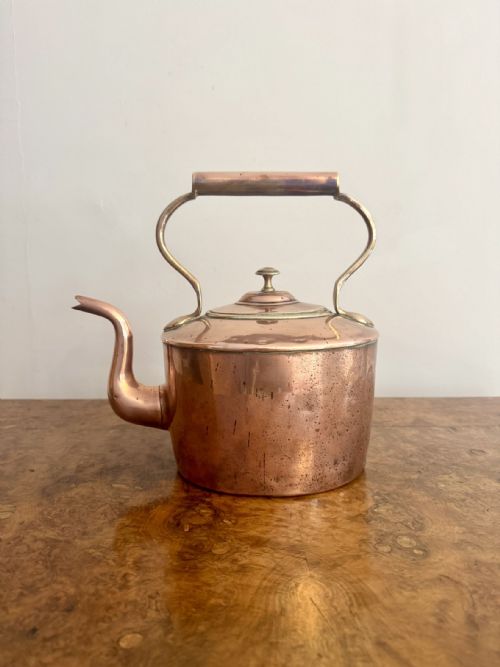
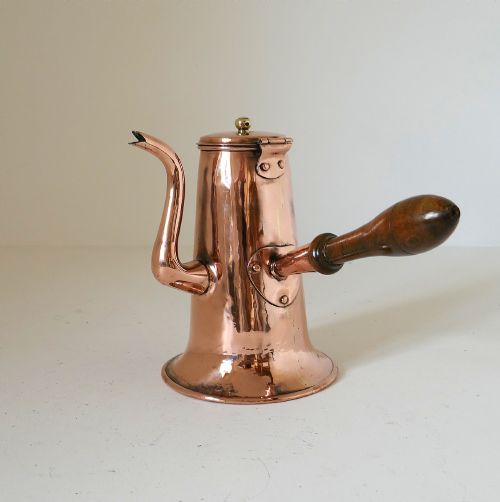
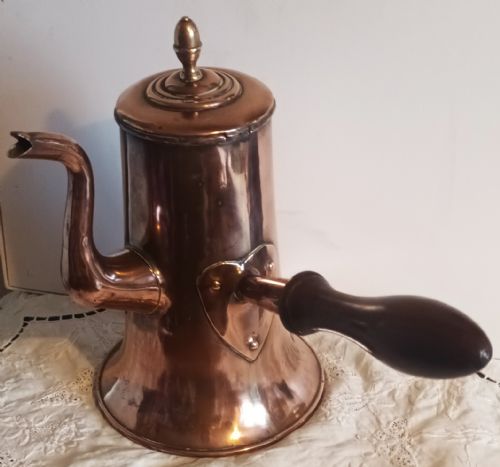
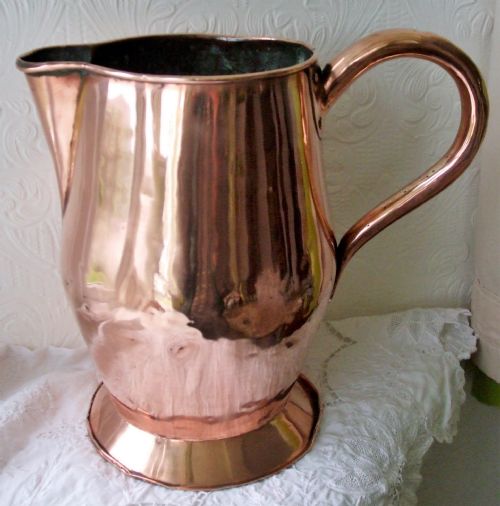

Georgian Copper Metalware
Georgian copper metalware brings heavy, hand-beaten utility from the hearth into modern rooms through kettles, coffee pots, and kitchen vessels.
Georgian Copper Metalware
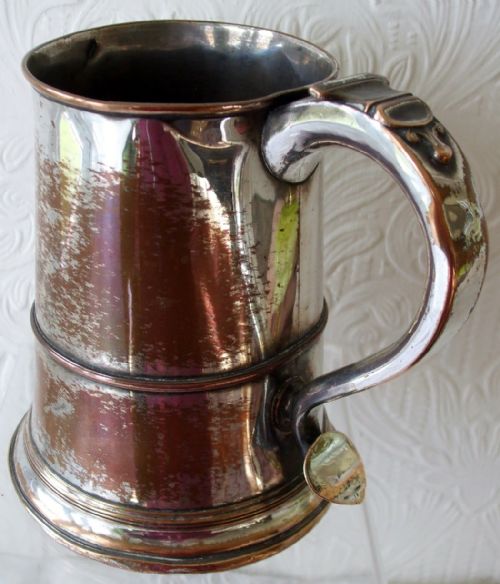
Georgian copper metalware encompasses domestic vessels produced across the eighteenth and early nineteenth centuries, covering the reigns of George III and the wider Georgian era. Buyers seeking these items encounter practical kitchen and hearth equipment intended for boiling water, warming liquids, and measuring stores.
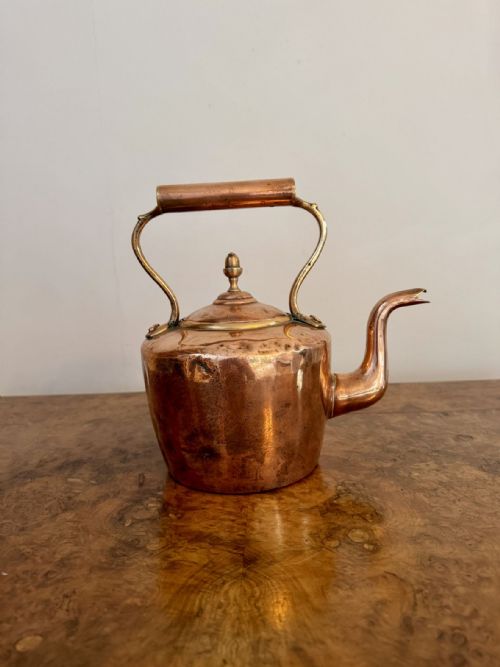
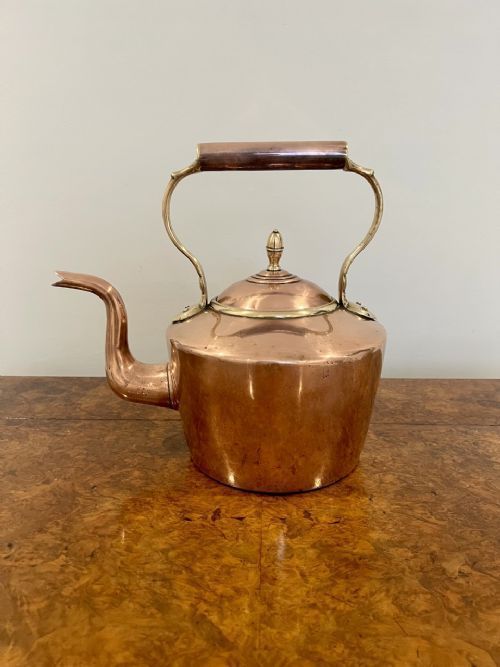
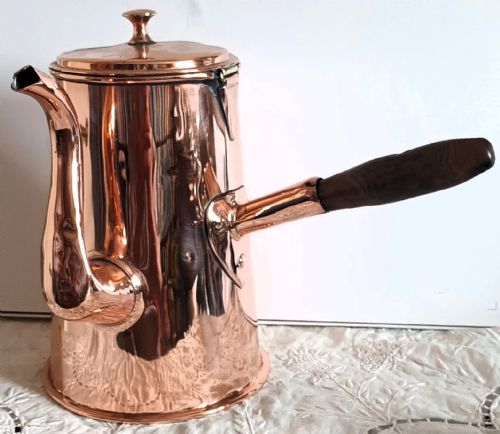
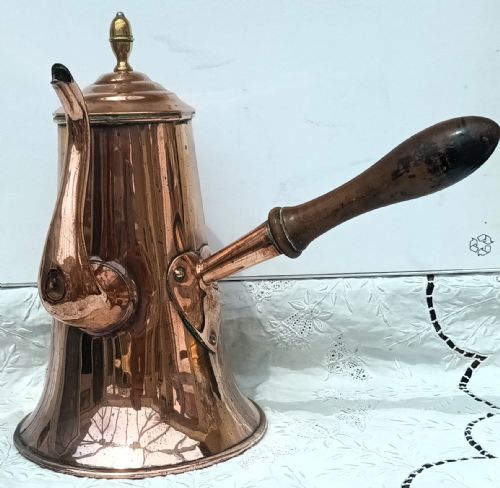
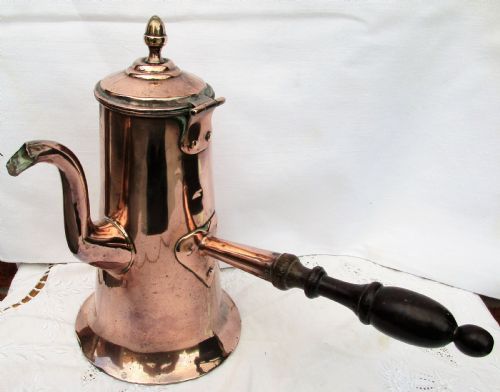
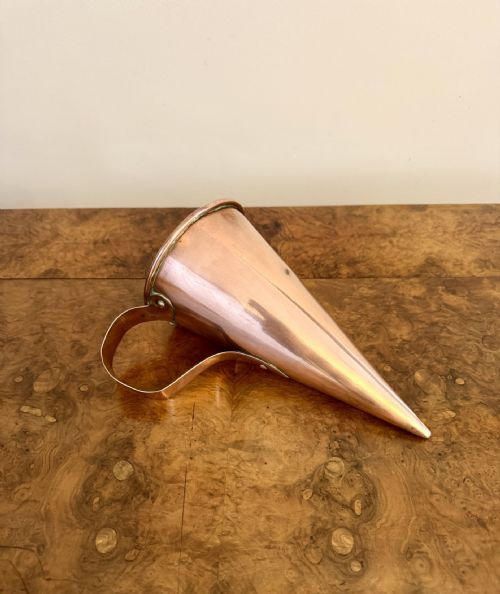
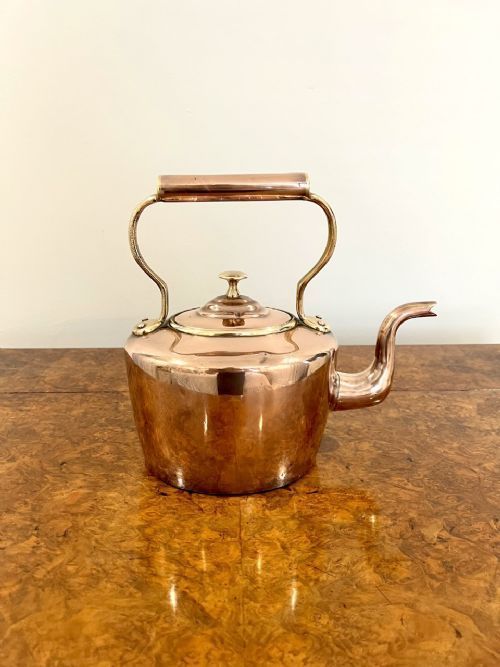
The most common survivors on this page are tea kettles and coffee pots, accompanied by measuring jugs, warming pans, and coal scuttles. Pieces date from the mid-eighteenth century up to about eighteen thirty, displaying the robust forms required for daily culinary work.
Materials and construction
These items are constructed predominantly from sheet copper, often joined with brass fittings, iron handles, and occasional wooden grips in oak. Smiths hammered the metal sheets into shape, utilising dovetailed or folded seams that were secured with hand-cut rivets.
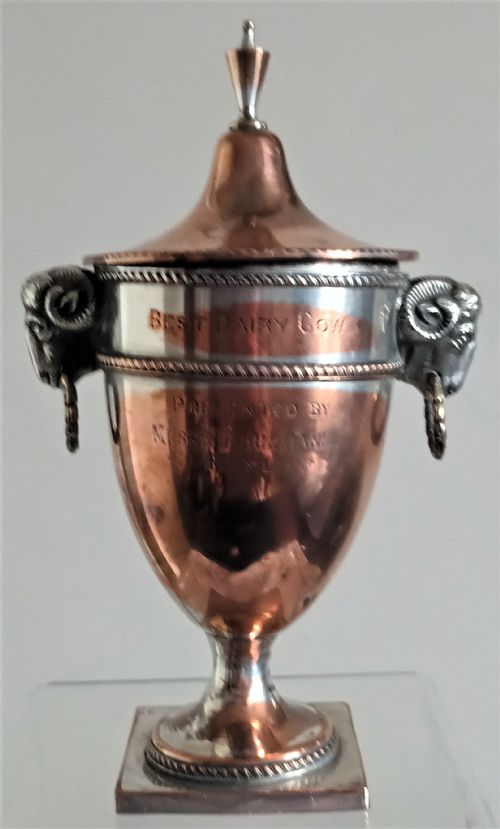
Some vessels incorporate linings of tin to prevent the copper from reacting with acidic contents, whilst related items utilise Old Sheffield Plate or silver plating over a base metal core.
Georgian Copper Metalware Retail Price Guide 2026
Typical asking prices for georgian copper metalware among the pieces listed under this phrase on Sellingantiques today, from the lower quarter to the upper quarter. They describe what is for sale here now, not the wider market.
Listings feature items spanning the eighteenth century, George III period, and nineteenth century, incorporating brass, wood, iron, and silver plate.
Assessing standard
Quality in these pieces rests on the weight of the metal and the crispness of the hand-beaten finish rather than surface polish alone. Superior items display thick gauge copper that resists denting, alongside neatly formed spouts and securely mounted handles.
Makers who stamped their work or produced balanced proportions for twelve-pint jugs, samovars, and graduated sets indicate a higher tier of workshop production.
William Soutter And Sons·Loftus Of Oxford Street London·Liptons
The Georgian Copper Metalware Glossary
- Ale muller
- A deep copper vessel with a long handle designed to be heated directly in hot coals for mulling drinks. It typically holds a pint or more of liquid.
- Samovar
- A large heated urn used to boil water for tea, often highly ornate in George III examples with a central internal heating pipe.
- Old Sheffield Plate
- A composite material made by fusing a thin sheet of silver to a thicker copper base, common in eighteenth-century tableware and small urns.
- Brandy warmer
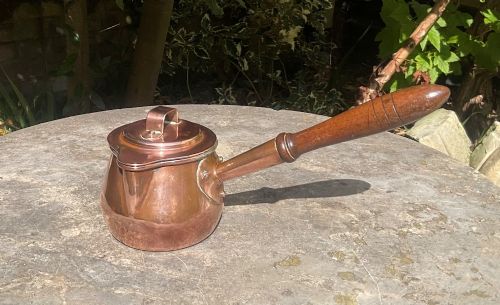
- A small, single-handled metal pot intended for warming spirits near the fire, frequently dated around eighteen thirty.
- Coal scuttle
- A heavy container used for holding and transporting domestic coal to the fireplace, constructed in copper with sturdy handles.
Georgian Copper Metalware: Frequently Asked Questions
How do I clean antique copper?
Traditional cleaning relies on mild metal polish applied with a soft cloth to remove oxidation without stripping the underlying surface. Many collectors prefer to leave a dark, aged patina in the recesses of hand-beaten seams.
Avoid harsh abrasives or wire wool, which scratch the soft copper and remove centuries of character. Regular dusting and occasional light polishing maintain the warm metallic glow safely.
Can I use these kettles for boiling water?
Most antique kettles feature interior tin linings that historically protected water from copper contact. Over generations of use, this thin lining often wears thin or disappears entirely.
It is generally advisable to treat these pieces as decorative objects rather than functional kitchen appliances unless a specialist has professionally retinned the interior.
How do I date a Georgian copper kettle?
Dating relies on observing construction details such as hand-cut dovetail seams, riveted handle attachments, and the overall profile of the body. Earlier eighteenth-century pieces often feature side handles and heavier gauge metal.
Later nineteenth-century examples shift towards more standardised manufacturing methods and machine-rolled sheets. Maker stamps and touchmarks also help narrow down the period of production.