




George III Metalware
George III metalware brings utilitarian domestic utility into the room through heavy copper kettles, measures, and brass candlesticks.
George III Metalware
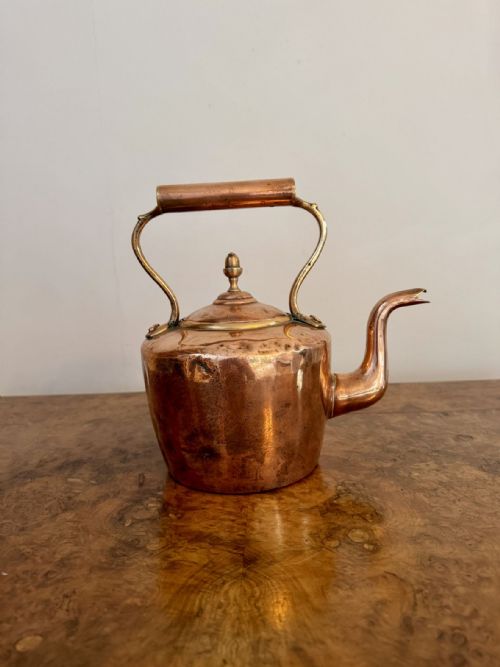
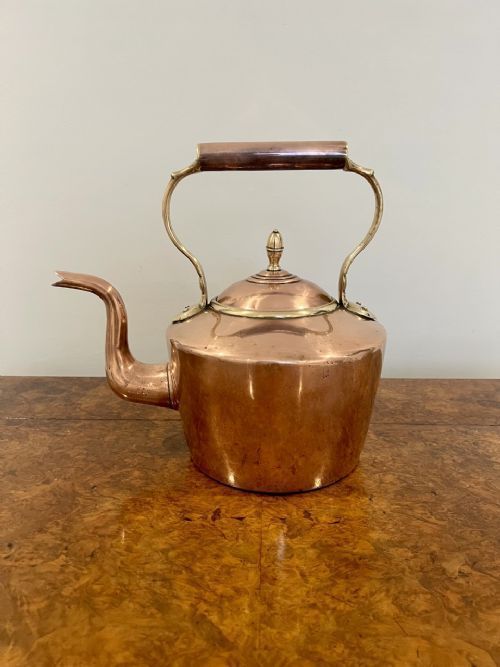
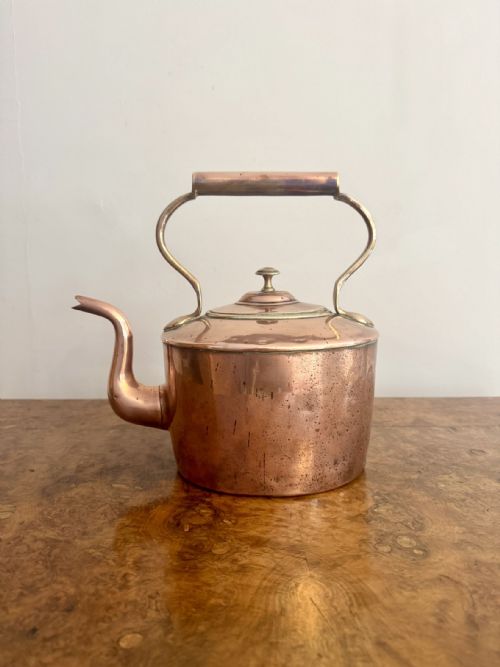
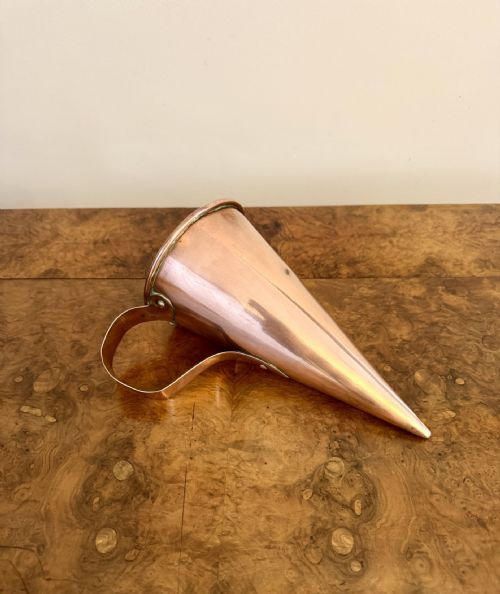
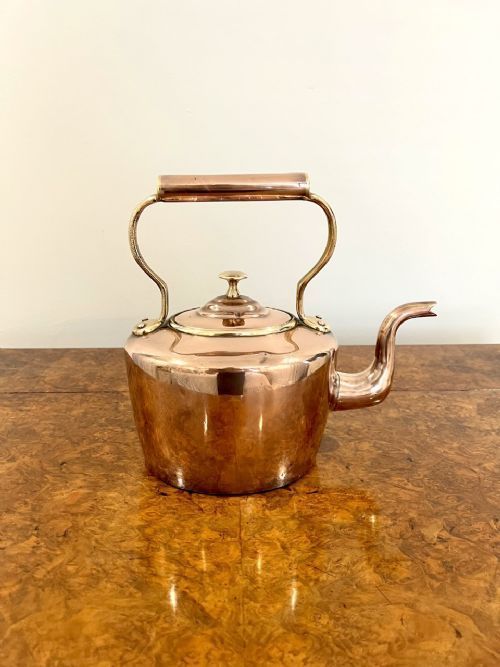
George III metalware comprises domestic vessels and hearth equipment produced during the Georgian era, most frequently encountered in the form of heavy copper kettles, measures, and tea urns. These pieces served practical roles in period kitchens and reception rooms before surviving as decorative antiques. Kettle forms dominate the selections, alongside coal scuttles, warming pans, and brass candlesticks.
The objects span the late eighteenth and early nineteenth centuries, often carrying the characteristic weight and robust construction of the period. Forms range from simple oval kettles to ornate samovars and handled saucepans designed for open hearth or stove use. Each piece reflects the utilitarian demands of a prosperous Georgian household.
Materials and construction
Makers utilised heavy sheet copper and bell metal, joining plates with dovetailed seams and hand-hammered rivets to ensure watertight integrity over open fires. Brass and iron elements appear frequently in handles, fittings, and candlesticks, providing structural contrast and durability. Surfaces often show the rhythmic marks of the planishing hammer where metal was beaten to shape.
Handles incorporate turned wood insulation and brass mountings to protect the user from heat during tea preparation. Fittings such as spouts, taps, and lids are cast separately and attached with precision soldering or mechanical joints. The resulting construction prioritises functional longevity above decorative excess.
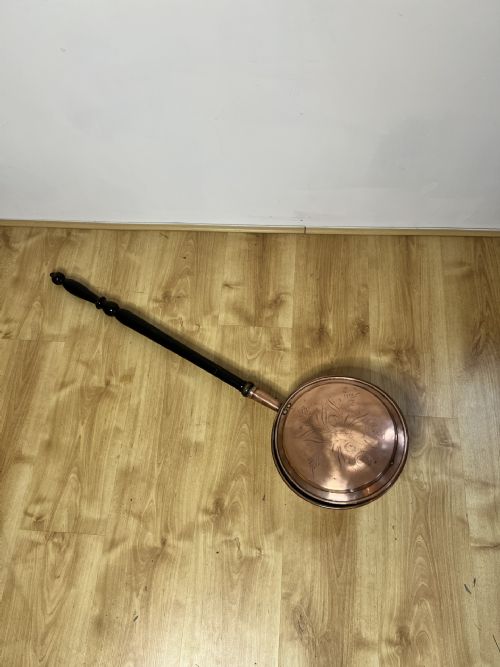
Some copper warming pans were engraved with intricate sunburst patterns that nobody would ever see beneath the sheets.
Evaluating quality and proportion
Quality rests in the weight of the metal gauge and the integrity of the original dovetailed seams. Thicker copper resists denting and retains the honest heft expected from domestic utensils of this date. Original fittings, uncompromised spouts, and intact wooden handle grips elevate an example above altered survivors.
Proportion and surface finish distinguish standard utilitarian stock from finer parlour pieces. Pieces retaining original brass and bell metal components without modern replacement parts demonstrate superior preservation. Stamped maker marks or retailer details add specific provenance to the object.
Loftus of Oxford Street London·Liptons
The George III Metalware Glossary
- Bell metal
- An alloy of copper and tin traditionally used for casting bells, tea urns, and heavy vessels. It provides a resonant tone and a darker patination than standard brass.
- Planishing
- The process of smoothing and hardening metal sheet with a light-faced hammer. This technique leaves subtle facet marks across the surface of antique copper.
- Samovar
- A heated metal container used to boil water for tea in Georgian interiors. These vessels often feature complex internal flues and spigots.
- Warming pan
- A long-handled covered metal pan filled with hot coals to warm bed linen. The lids frequently display chased or engraved decoration.
- Coal scuttle
- A domestic container designed for holding coal near the fireplace. Examples from this era utilise heavy copper construction with swing handles.
George III Metalware: Frequently Asked Questions
What is George III metalware?
George III metalware consists of utilitarian household items produced during the Georgian period, primarily in copper, brass, and bell metal.
Items range from hearth equipment like warming pans and coal scuttles to beverage vessels such as kettles and samovars.
How do I clean antique copper?
Most collectors prefer to maintain a warm natural patination rather than polishing copper to a bright mirror finish.
Gentle washing with warm soapy water removes dust without disturbing the historic surface oxidation.
Were these kettles used on open fires?
These heavy copper kettles were manufactured to sit directly upon hearth trivets or near open coal fires for boiling water.
Their robust construction and dovetailed bottoms allowed them to withstand daily exposure to intense heat.
How do I identify a Georgian kettle?
Georgian kettles typically display heavy gauge copper, hand-beaten seams, and turned wooden handle grips fitted to brass mounts.
Forming techniques from this period rely on dovetailed base joints rather than modern machine welding.