
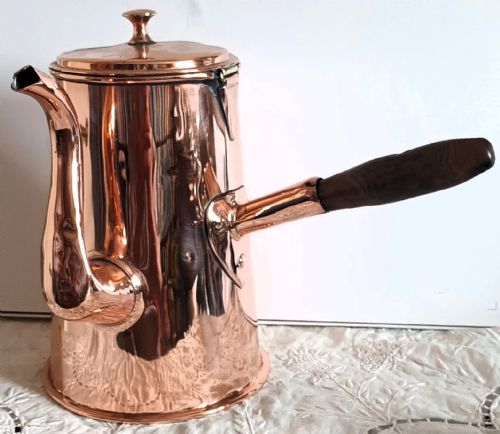
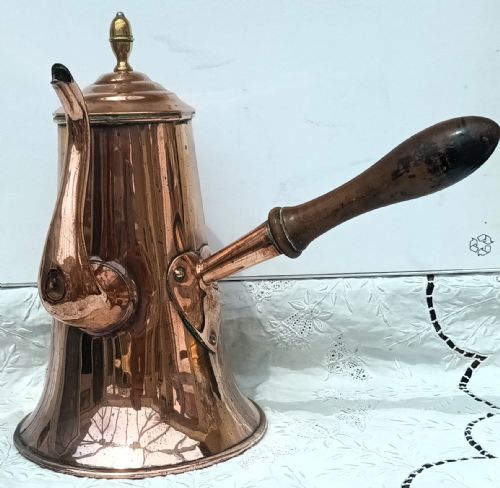


Georgian Copper Cookware
Georgian copper cookware brings heavy gauge metal and practical utility together, offering working kitchen vessels shaped by the early nineteenth century.
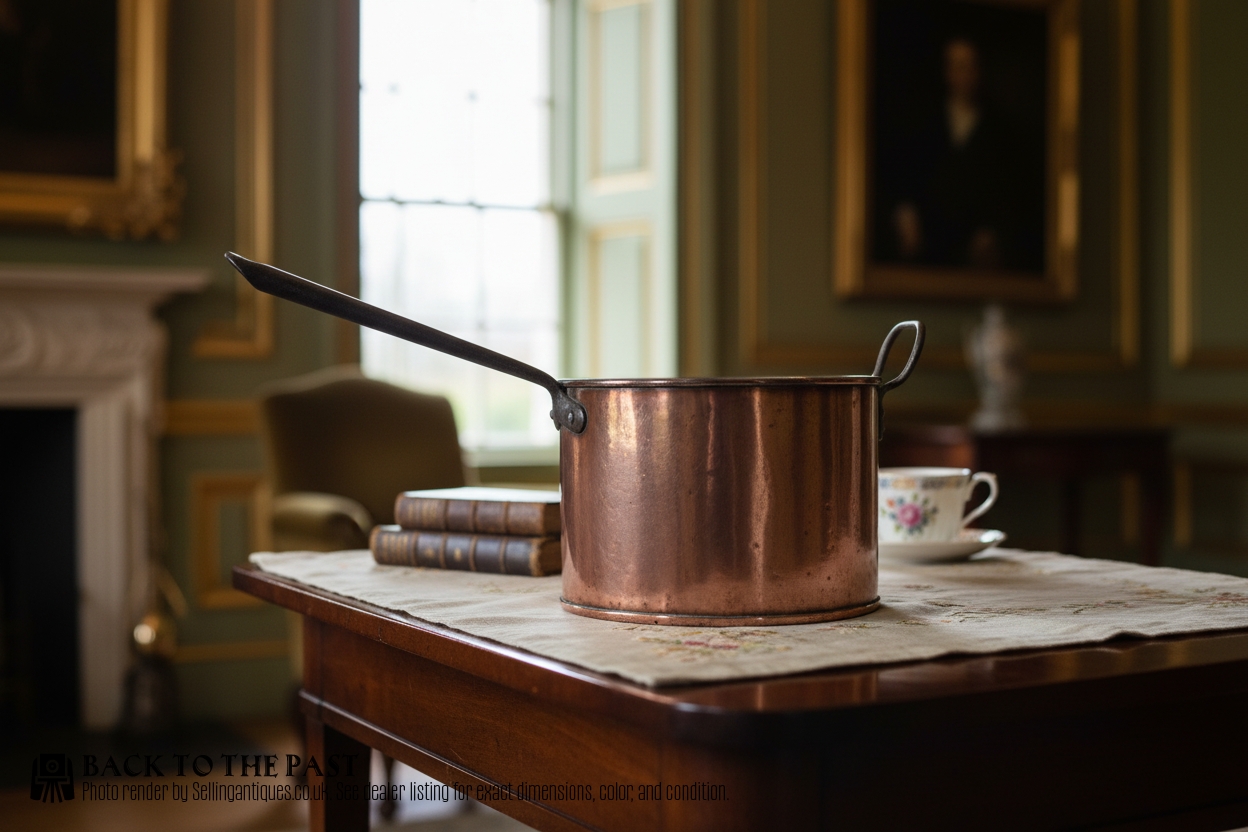
Georgian Copper Cookware
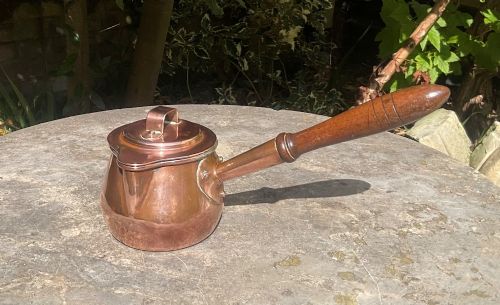
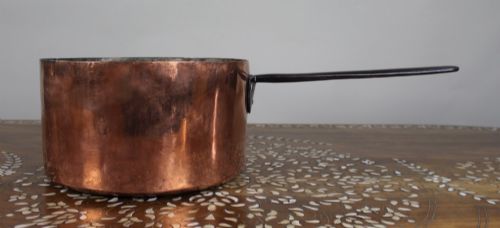
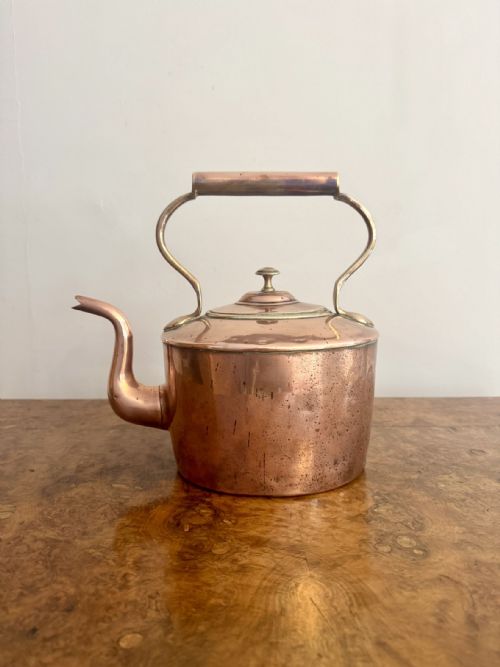
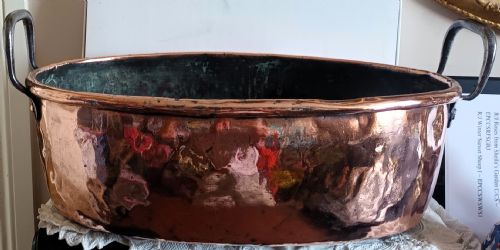
When you search for georgian copper cookware, you encounter domestic kitchen items produced during the Georgian era, specifically around eighteen hundred and the early nineteenth century. The selection centres on functional kitchenware including kettles, saucepans, coffee pots, brandy warmers, and preserving dishes.
You are most likely to meet individual saucepans, large cooking pots, and tea kettles reflecting English manufacture. These forms span singular vessels alongside matched sets, all originating from the wider Georgian period and George III reign.
The objects combine domestic utility with substantial weight, showing the practical requirements of period kitchens. Each piece demonstrates the heavy metal construction characteristic of this era of culinary equipment.
How they were made
Makers formed these items using heavy gauge copper, shaping the metal into saucepans, kettles, and coffee pots. Brass, iron, wrought iron, bronze, and tin appear alongside the primary metal for handles, attachments, and internal linings.
Construction methods relied on durable metalworking techniques suited to heavy kitchen use. Wood also appears in components like handles, completing the utilitarian assembly of these cooking vessels.
Georgian Copper Cookware Retail Price Guide 2026
Typical asking prices for georgian copper cookware among the pieces listed under this phrase on Sellingantiques today, from the lower quarter to the upper quarter. They describe what is for sale here now, not the wider market.
Listings feature copper, brass, iron, wood, wrought iron, tin, and bronze across pieces dated to eighteen hundred, the Georgian era, and the nineteenth century.
What varies in quality
The standard of these items rests on the gauge of the metal and the substance of the vessel. Heavier saucepans and larger kettles demonstrate more robust construction than lighter examples.
Differences appear in the scale of the object, ranging from small brandy warmers to large cooking pots and multi-piece sets. Superior examples combine substantial metal weight with clean proportions suited to heavy domestic tasks.
William Soutter & Sons·Liptons
The Georgian Copper Cookware Glossary
- Copper
- A malleable reddish metal used as the primary material for the construction of Georgian kitchen vessels and cookware.
- Saucepan
- A deep cooking pan with a handle, designed for boiling and simmering on a kitchen range.
- Brandy warmer
- A small vessel with a long handle, utilised for heating spirits or small quantities of liquid.
- Cream setting pan
- A wide shallow dish designed for separating cream from milk in a domestic dairy or kitchen.
- George III
- The period of British history spanning the reign of King George III, associated with the production of these copper items.
Georgian Copper Cookware: Frequently Asked Questions
What items are georgian copper cookware?
These pieces comprise kitchen vessels such as saucepans, kettles, coffee pots, brandy warmers, and preserving dishes made during the Georgian period.
The inventory includes both individual items and sets, fashioned from heavy gauge metal for practical kitchen use.
How were these copper pans used?
Historic households utilised these vessels for daily food preparation, boiling water, brewing coffee, and preserving foods over open hearths or stoves.
Their heavy construction allowed them to withstand regular exposure to heat and intensive kitchen routines.
How do I clean georgian copper cookware?
Maintaining these items involves preserving the metal surface without stripping away the historic character accumulated over centuries of existence.
Gentle cleaning methods keep the copper stable while respecting the age and handling marks of the piece.
Are these pots safe for cooking?
Many historical vessels feature tin linings that require inspection before food preparation to ensure safe usage.
Collectors often treat these items primarily as display pieces or historical examples rather than daily cooking utensils.
How do I identify a georgian piece?
Dating relies on observing the traditional forms, heavy gauge construction materials, and manufacturing techniques characteristic of the early nineteenth century.
Maker marks and stamps, when present, provide additional context regarding the workshop and origin.