


Georgian Coal Scuttle
These Georgian coal scuttle pieces are robust fireside vessels in copper, brass, and mahogany, offering practical warmth and period charm for a hearth.
What a Georgian coal scuttle is
When you search for a georgian coal scuttle, you are looking at fireside accessories designed to hold fuel next to an open hearth. These vessels serve both a utilitarian purpose and a decorative role in a period room.
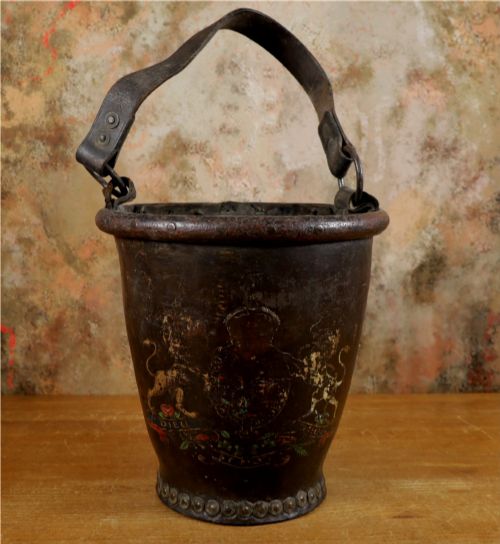
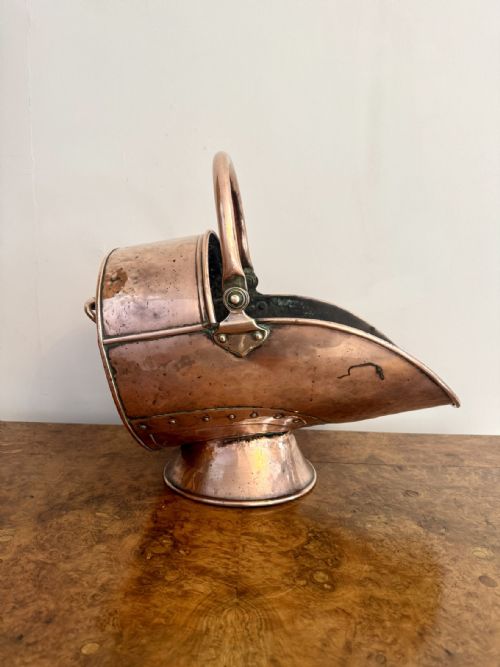
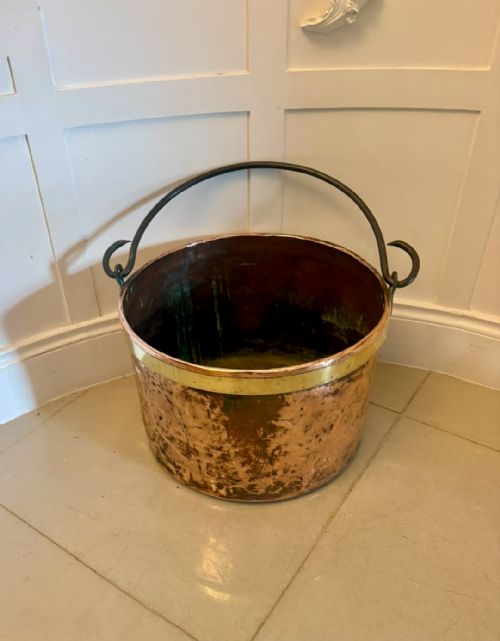
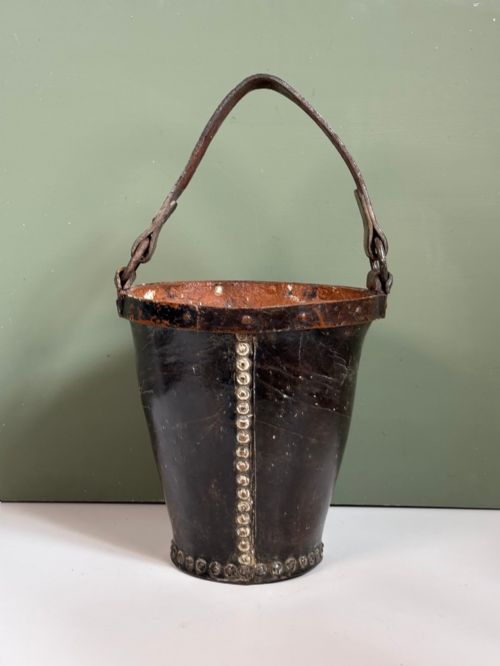
The pieces on this page primarily take the form of helmet coal scuttles, bucket shapes, and cauldrons. They originate from the Georgian and George III eras, with dates spanning the eighteenth and early nineteenth centuries.
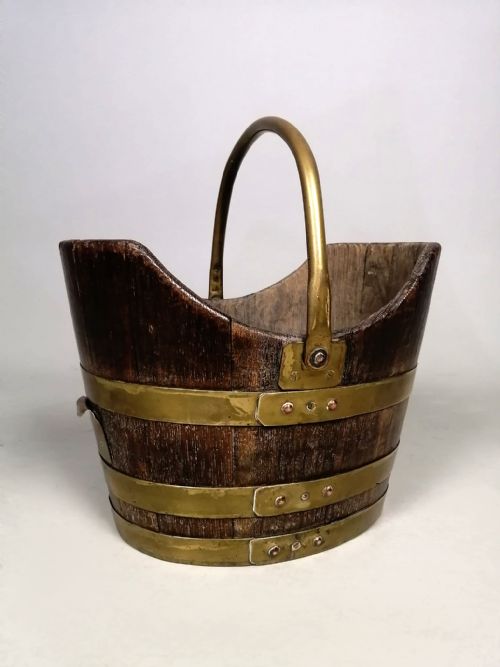
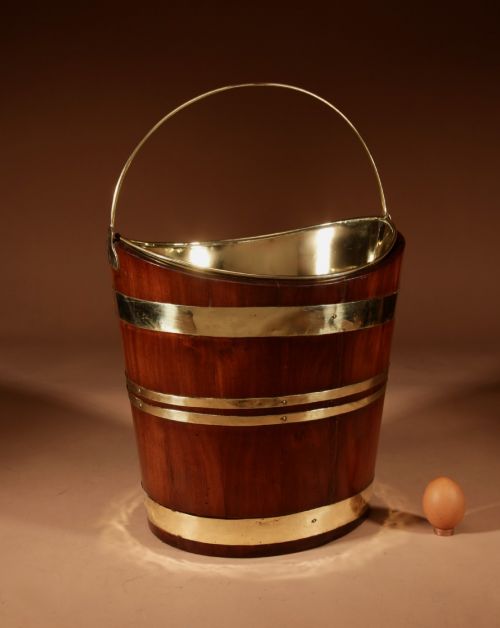
You are most likely to encounter helmet-shaped vessels hammered from sheet metal or sturdy buckets constructed from wood with metal accents. They often arrive alongside related fireplace accessories like log bins and original shovels.

Materials and construction
The construction relies heavily on durable metals like copper and brass, frequently shaped into helmet profiles or rounded cauldrons. Iron and wood, particularly mahogany, also appear in the manufacture of these heavy fireside containers.
Makers formed the metal bodies using sheet techniques, often incorporating riveted or joined seams to withstand the weight of heavy coal and logs. Handles and fixings in contrasting metals secure the structure for daily hearth use.
Retail Price Guide 2026
Typical UK retail prices for georgian coal scuttle, calculated from the Sellingantiques database of over a million retail prices indexed since 2003. This retail price guide relies exclusively on Sellingantiques data; no external sources or auction records are used, so the figures do not describe the wider market.
Distinctions in quality
Quality separates plain utility items from higher status fireside pieces through the weight of the metal and the presence of original components. Heavier gauge copper and brass indicate superior durability and better material thickness.
The inclusion of matching original shovels and well-defined helmet shaping elevates certain examples above standard buckets. Surface weathering and the integrity of early construction methods also define the standing of each piece.
The Georgian Coal Scuttle Glossary
- Helmet coal scuttle
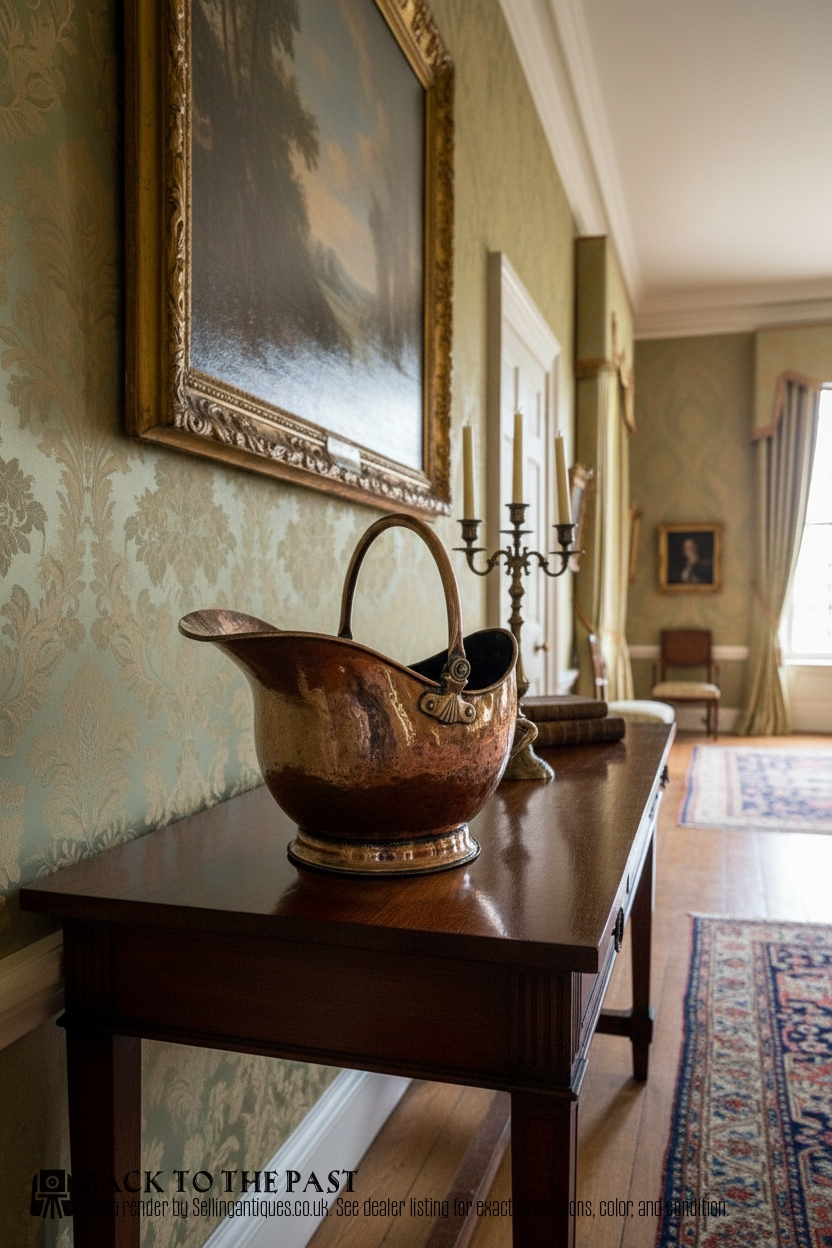
- A fireside container featuring a flared, pointed rim resembling a classical helmet to facilitate pouring fuel. This shape is characteristic of George III metalwork.
- Cauldron
- A rounded metal pot used by the hearth for holding coal or logs. These vessels typically sit on sturdy bases or feet.
- Fireside accessory
- Any functional item kept near the fireplace for fuel storage or hearth maintenance. This category includes coal scuttles, log bins, and buckets.
- Peat bucket
- A wooden or metal container traditionally used to store turf or peat for fuel. These pieces date to the eighteenth century.
Frequently Asked Questions
What materials were used for these scuttles?
The pieces utilise durable materials suitable for holding heavy fuel near a hot hearth. Copper and brass dominate the metal offerings, while mahogany and iron also feature in the construction.
Sheet metal provides the body for helmet shapes, whereas wood creates bucket forms. Handles and fixings frequently combine different metals to ensure structural strength.
How do I date a Georgian scuttle?
Dating relies on stylistic markers and construction methods recorded from the Georgian and George III periods. Pieces span from the mid-eighteenth century into the early nineteenth century.
Form provides the primary clue, as distinct helmet profiles and bucket shapes evolved during these decades. Material choice and hand-formed metal seams further anchor the era.
Were these scuttles used for coal?
These vessels served as functional containers for solid fuel by the fireplace. They held coal, logs, or peat depending on regional availability and household needs.
Some pieces doubled as log bins or general fireside buckets. Their robust build allowed them to withstand the heavy wear of daily hearth tending.
What is a helmet coal scuttle?
A helmet coal scuttle is a metal fireside vessel with a distinctive flared and pointed rim. This silhouette resembles a classical helmet and helped guide fuel directly onto the fire.
Most examples on this page are formed from copper or brass. They often include a carrying handle and a matching shovel for transferring the coal.