
Georgian Circular Occasional Table
When you search for a georgian circular occasional table, you enter a diverse field of tilt-top stands, tripod bases and compact surfaces made for domestic comfort.
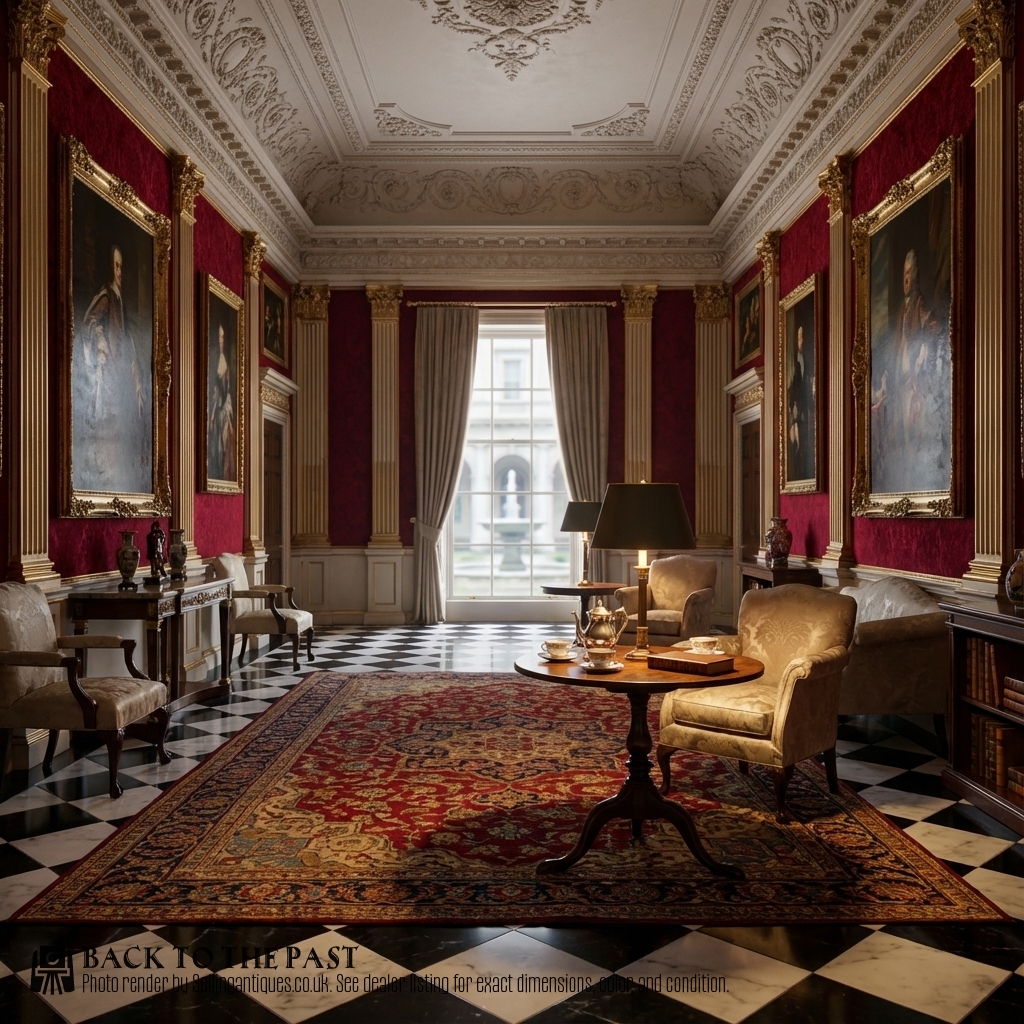
Georgian Circular Occasional Table
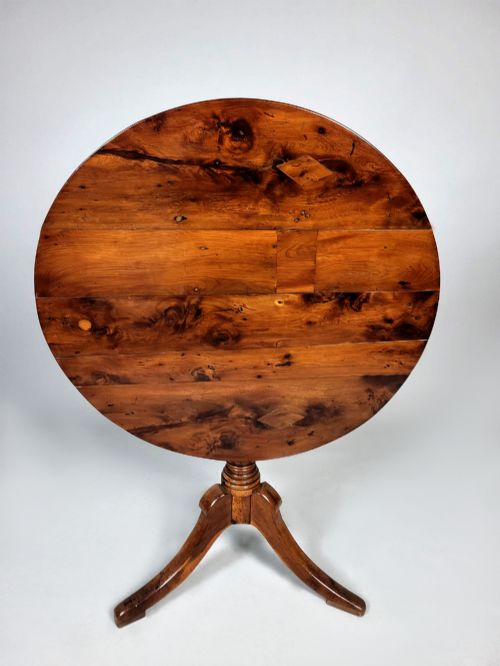
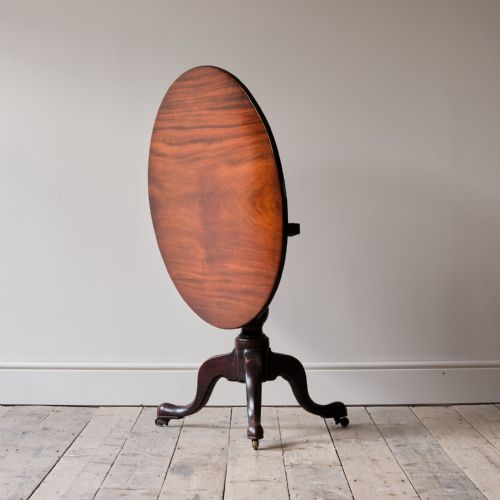
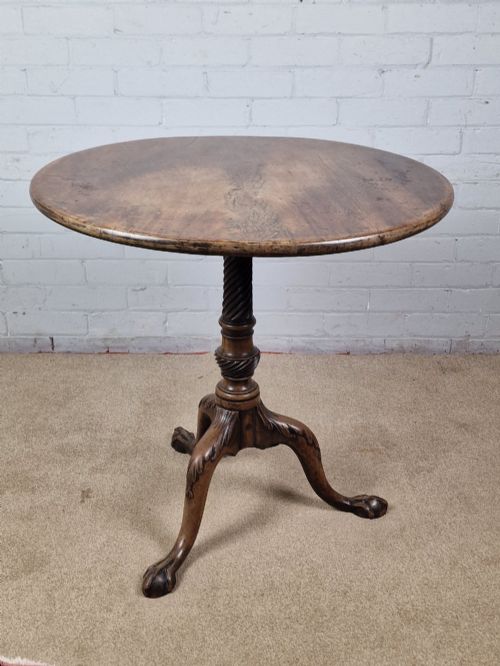
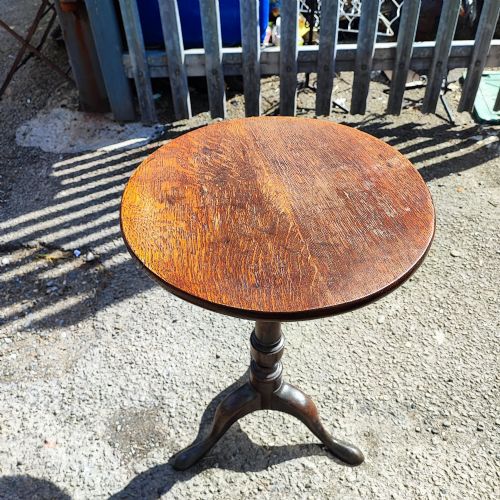
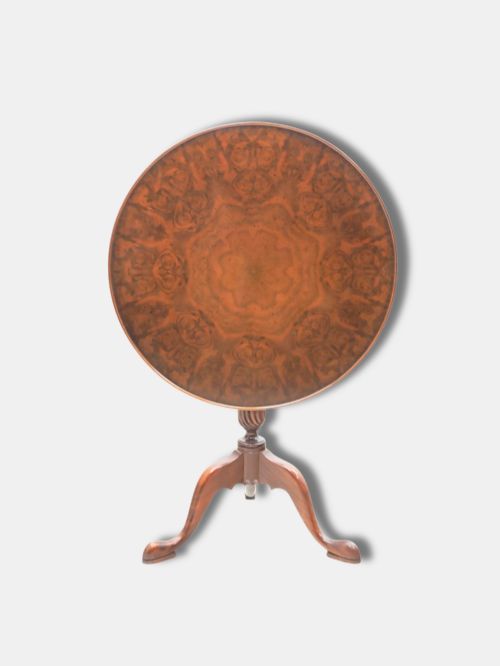
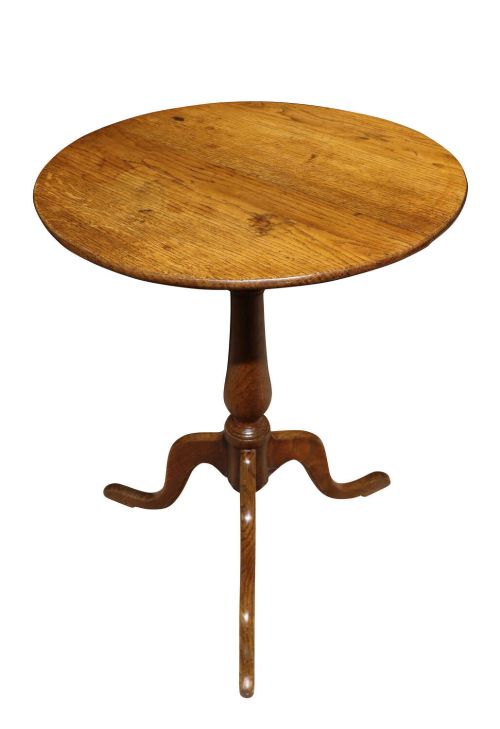
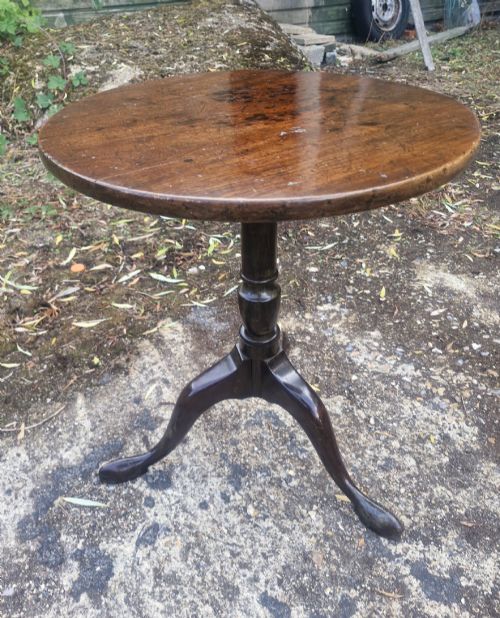
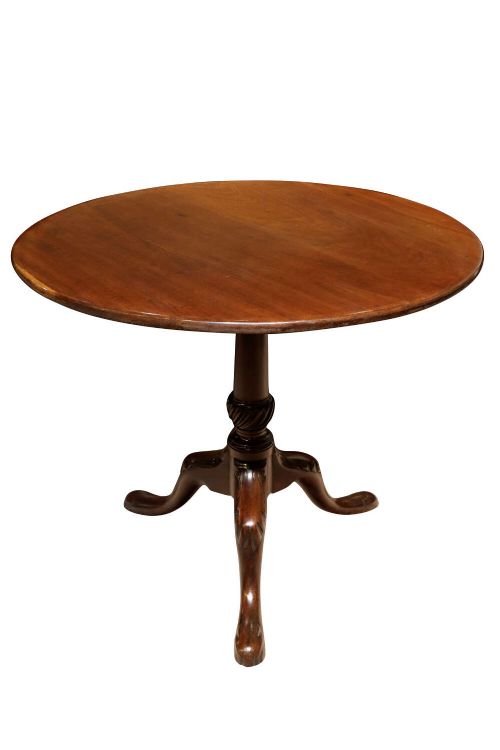
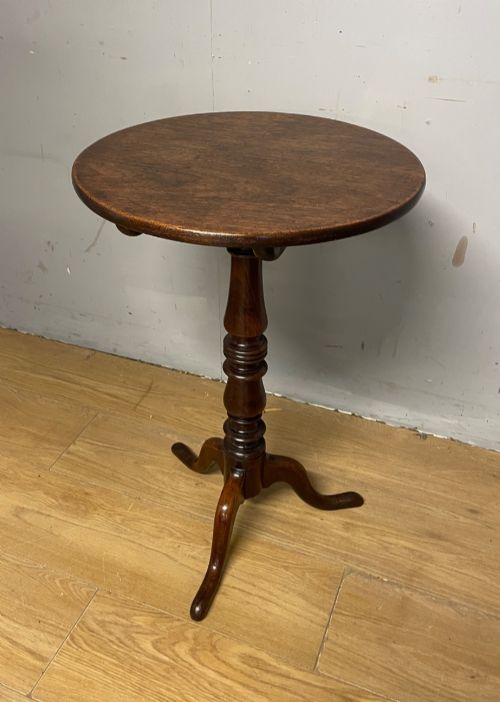
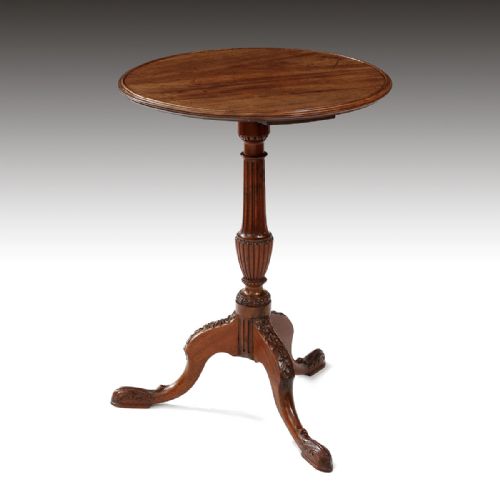
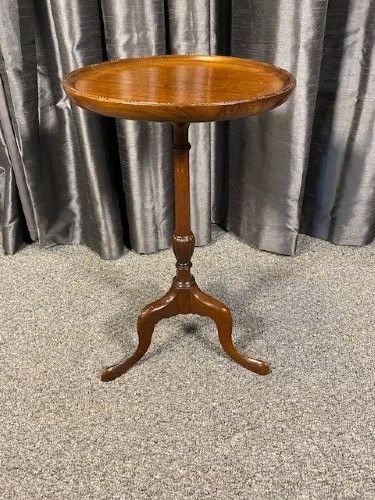
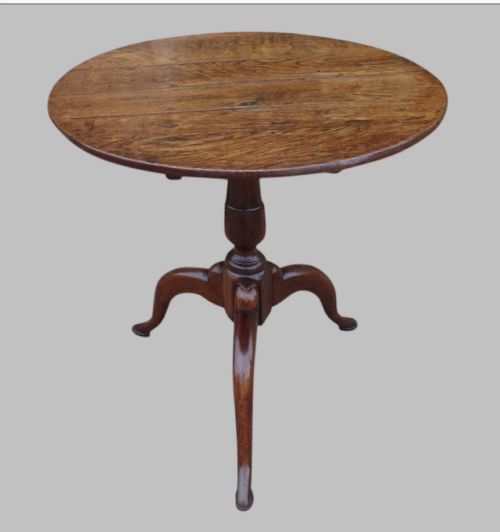
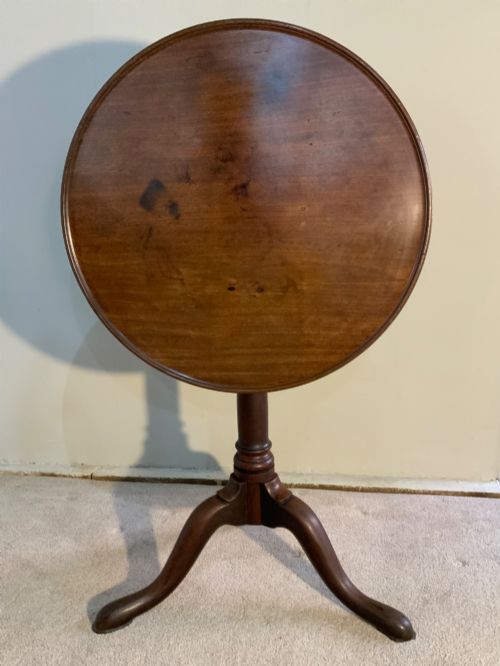
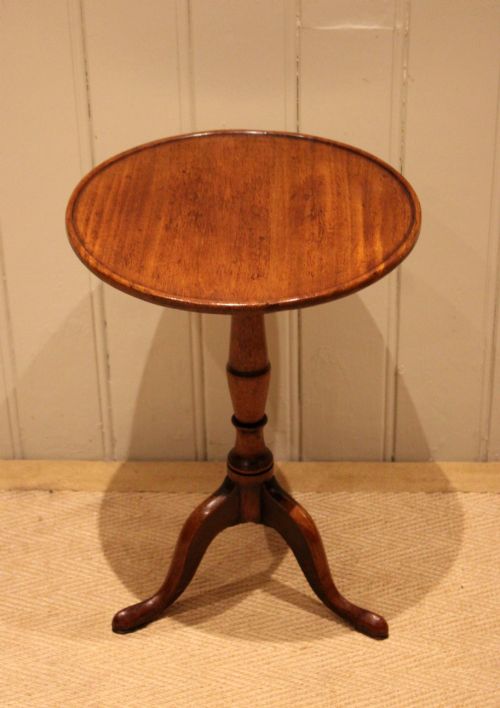
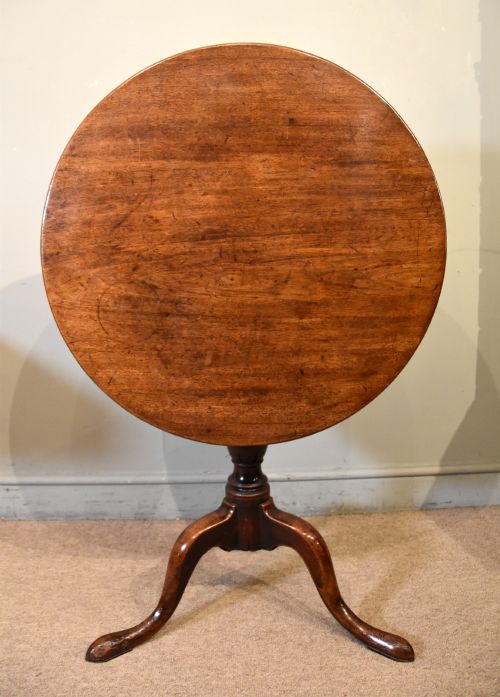
A georgian circular occasional table serves as a movable surface designed for dining, tea service or holding lamps in domestic interiors. These pieces appear most frequently in forms such as tripod wine tables, tilt-top tea tables and birdcage stands resting on central pedestals.
The selection ranges from mid-eighteenth-century country oak and elm examples to refined mahogany and walnut pieces from the Regency period and later revivals. Buyers often encounter simpler country versions alongside highly articulated urban pieces featuring snap tops and revolving mechanisms.
How They Were Made
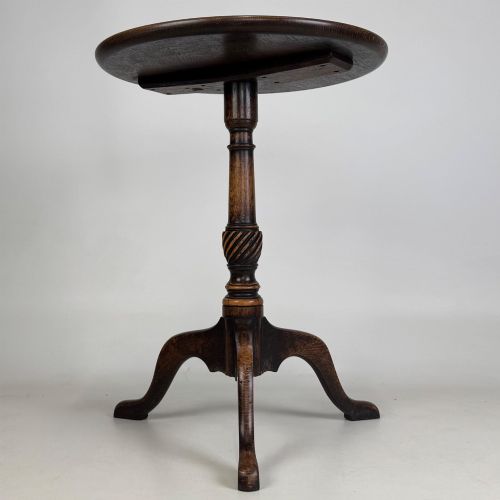
Cabinet makers constructed these tables predominantly from native and imported timbers, utilising solid mahogany, oak, walnut and occasional fruitwood alongside burr walnut veneers. Turning and joinery formed the structural core, particularly in shaping the central shafts and three-legged tripod bases that support the circular tops.
Many examples incorporate mechanical ingenuity through tilt-top hinges, birdcage mechanisms allowing rotation, and brass inlays. Surface finishes rely on traditional polishing techniques that highlight the grain and natural figure of the wood.
Georgian Circular Occasional Table Retail Price Guide 2026
Typical asking prices for georgian circular occasional table among the pieces listed under this phrase on Sellingantiques today, from the lower quarter to the upper quarter. They describe what is for sale here now, not the wider market.
Many a Georgian card player found salvation in a stable tripod table that refused to wobble during a tense wager.
What Varies in Quality
The distinction between standard and exceptional pieces rests upon the choice of timber, the crispness of the turning on the pedestal and the structural integration of the top. Superior examples display dense, well-figured mahogany or walnut, balanced proportions across the tripod legs, and finely executed mechanisms that operate without play.
Craftsmanship in the joinery and carving separates ordinary domestic items from high-status furniture. Details such as birdcage actions, bird-cage box joints and well-formed snap mechanisms indicate elevated workshop standards during construction.
Gillow
The Georgian Circular Occasional Table Glossary
- Tripod table
- A small stand supported by three legs radiating from a central pillar. This form provides stable placement on uneven floors.
- Tilt-top table
- A table featuring a mechanism that allows the circular surface to fold vertical when not in use. This design saved space in period rooms.
- Birdcage
- A revolving wooden framework beneath the table top that permits both rotation and tilting. It connects the pillar to the surface.
- Snap top
- A spring-loaded catch mechanism that locks the tilting top into a horizontal position. It prevents accidental tipping during use.
- Cricket table
- A small, three-legged occasional table typically constructed from oak with a round top. These pieces belong to early country furniture traditions.
Georgian Circular Occasional Table: Frequently Asked Questions
What is a tilt-top table used for?
These tables served primarily for tea service, dining or reading in domestic rooms where space was at a premium. The pivoting top allowed the furniture to stand flat against a wall when not in active use.
Today, they function effectively as lamp tables or accent pieces in living spaces and hallways. Their compact footprint makes them versatile surfaces for contemporary interiors.
What is a birdcage mechanism?
The birdcage is a wooden assembly positioned directly beneath the circular top that allows the table surface to both rotate and tilt. It consists of small turned pillars connecting two parallel plates.
This sophisticated device gave users greater flexibility when serving tea or meals. It represents a hallmark of finer eighteenth-century cabinet making.
Are these tables sturdy enough for daily use?
Most circular tables are surprisingly resilient when placed carefully on level floors. The three-legged tripod design naturally distributes weight downward through the central pillar.
Owners should take care when operating tilt-top or birdcage mechanisms to avoid straining historical joints. Regular placement away from direct heat sources helps preserve the timber.