
Georgian Chippendale Side Chair
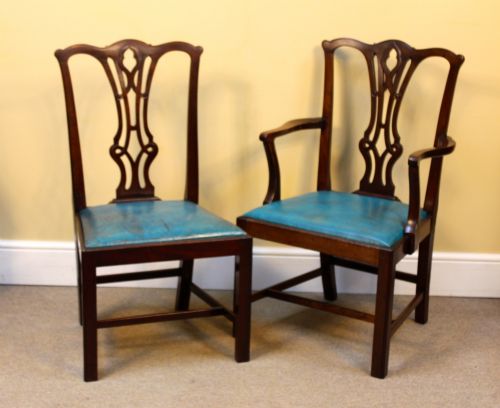
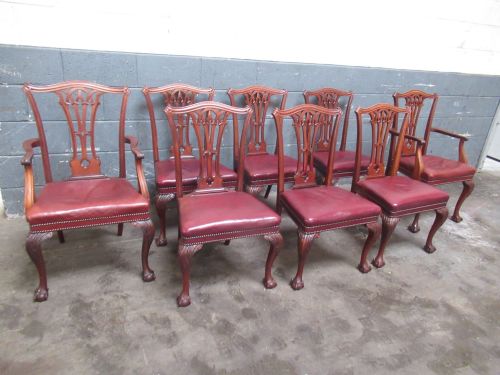
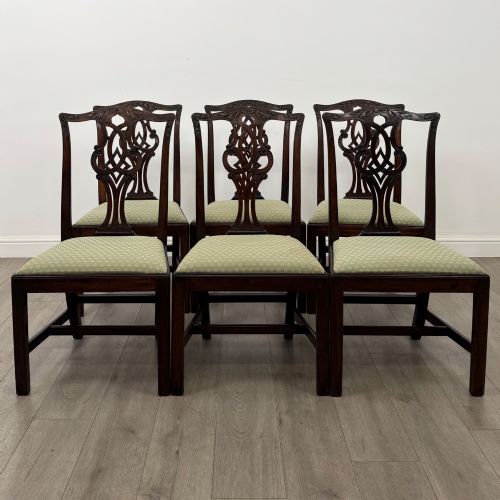
A georgian chippendale side chair combines structural restraint with spirited carving, offering both historic utility and a striking silhouette for modern rooms.
Georgian Chippendale Side Chair
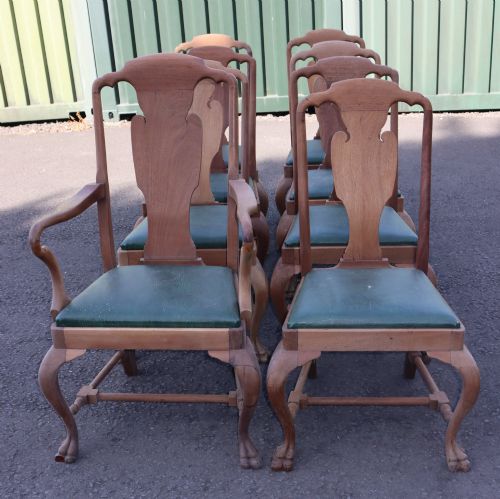
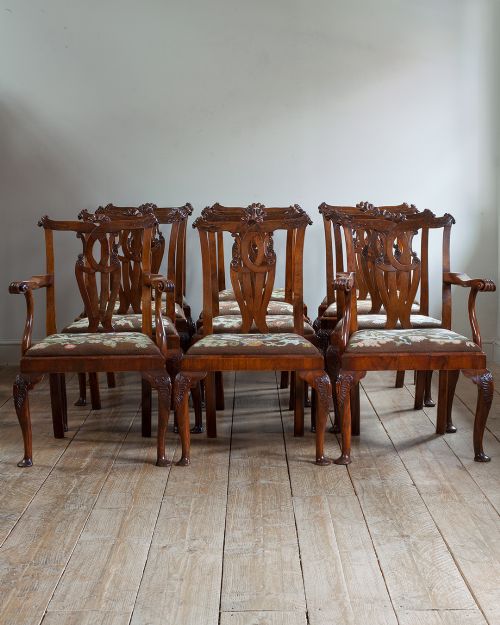
Buyers will encounter original 18th-century examples alongside later revival interpretations produced during the 19th and early 20th centuries. These pieces appear in mahogany, walnut, oak, elm, and fruitwood.
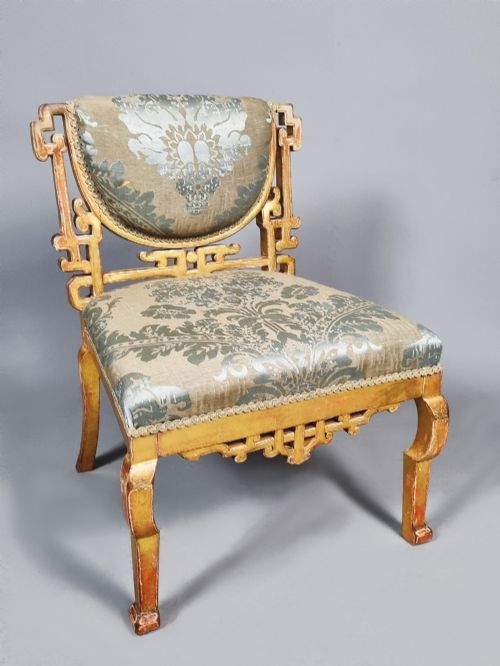
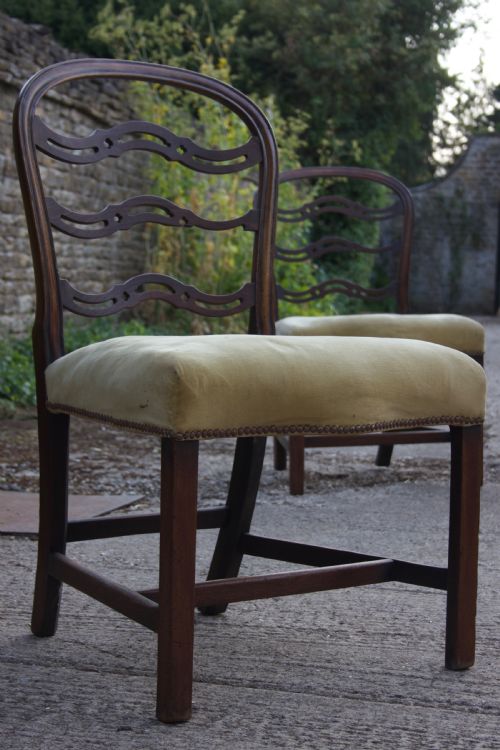
Regional variations span refined urban English designs to robust country versions, including Chinese Chippendale and Gothic revival styles.
How They Were Made
Cabinetmakers constructed these frames using dense hardwoods like mahogany and walnut, alongside regional timbers such as elm and oak for country variants. Joinery relied on precise mortise and tenon joints to secure the seat rail and back assembly.
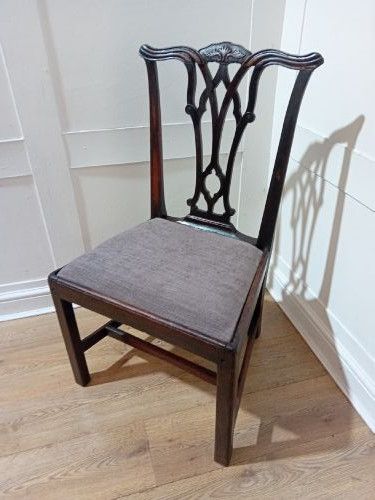
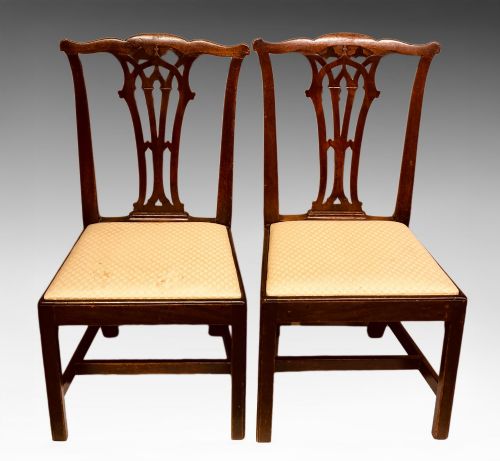
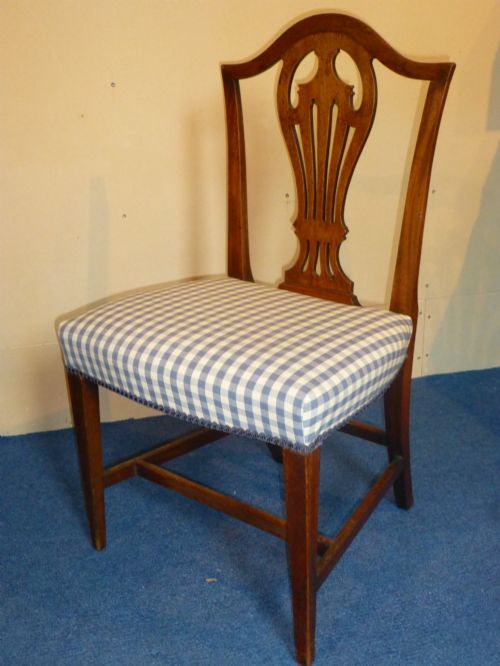
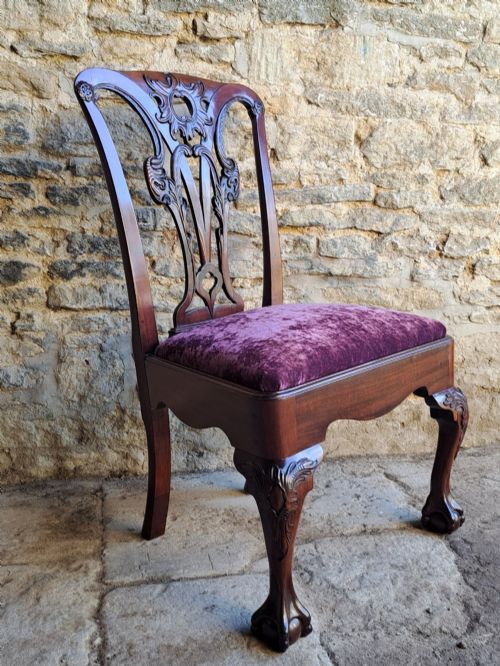
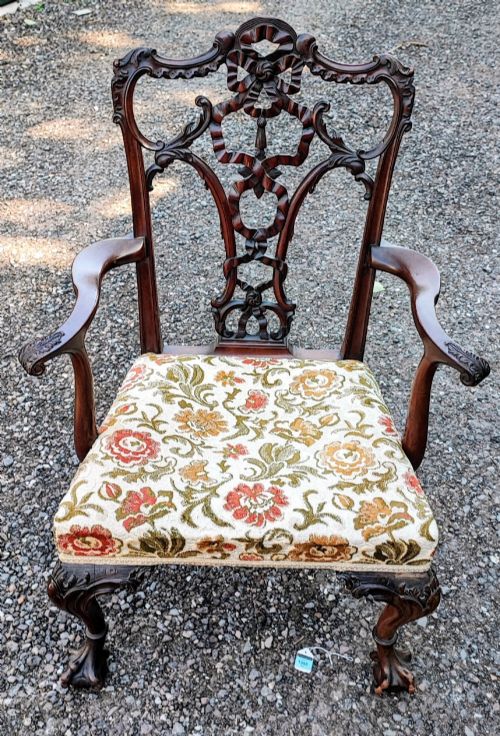
Carving was executed directly into the solid wood, shaping intricate interlaced splats, acanthus leaves, and ribband motifs on formal pieces. Seats were frequently upholstered over webbing, utilising leather, fabric, or horsehair stuffing.
Some chairs arrived with spare copies made a century later, proving that even dining seats need reliable stand-ins.
What Varies in Quality
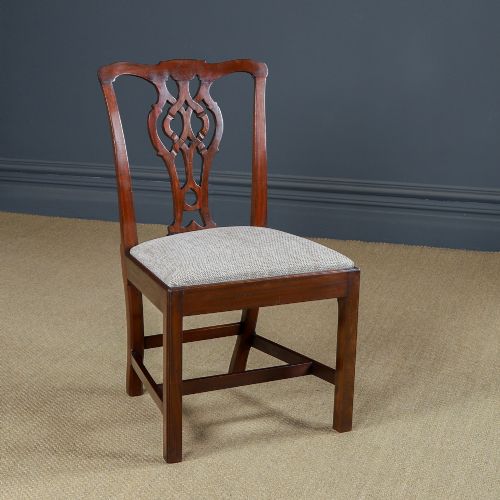
The crispness and depth of the hand-carving distinguish master workshop production from standard commercial output. Crisp lines on the pierced splat and refined proportions elevate an individual piece.
Timber selection dictates the integrity of the surviving structure, with dense, well-figured mahogany holding structural detail better than softer secondary woods. The retention of original joinery without excessive timber replacement preserves historical value.
Waugh and Son·Thomas Chippendale
The Georgian Chippendale Side Chair Glossary
- Pierced splat
- The central vertical slat in the backrest that has been cut through to create an openwork decorative pattern. This technique lightened the visual weight of the chair while showcasing the carver's skill.
- Chippendale style
- A furniture design idiom inspired by Thomas Chippendale's Director, combining rococo, gothic, and chinoiserie elements. It is recognised by elaborate carved splats and scrolling details.
- Chinese Chippendale
- A distinct sub-style characterised by straight legs, fretwork glazing or brackets, and lattice patterns inspired by Chinese export designs. It enjoyed popularity in both the 18th and 19th centuries.
- Ball and claw foot
- A carved terminal representing a bird's talon gripping a ball, commonly found on cabriole legs of mid-18th-century seating. This feature derives from Chinese motifs adapted by European cabinetmakers.
Georgian Chippendale Side Chair: Frequently Asked Questions
How do I spot a reproduction?
Distinguishing period items from later revivals requires examining tool marks, timber shrinkage, and wear patterns around the joints. Eighteenth-century pieces display hand-cut joinery and aged patination unique to centuries of use.
Revival pieces from the 19th and 20th centuries often utilise machine-sawn timber and tighter, more uniform manufacturing tolerances. Comparing construction methods against documented examples helps clarify the date of manufacture.
Can I use them every day?
Solid hardwood construction makes these chairs durable enough for daily use, provided the frame remains rigid and the joinery is sound. Many examples have survived centuries because their foundational timber and pegging were built to endure.
Upholstered drop-in seats can be easily updated or re-webbed to suit modern comfort without altering the antique wooden frame. Regular checks of the leg joints ensure safety under normal loads.
What is a country Chippendale chair?
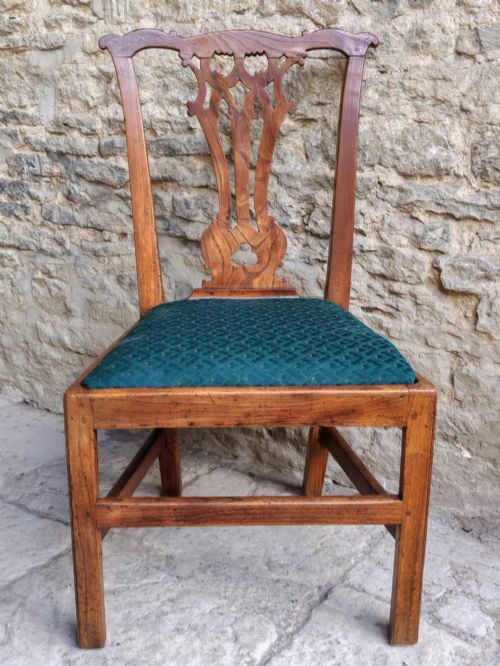
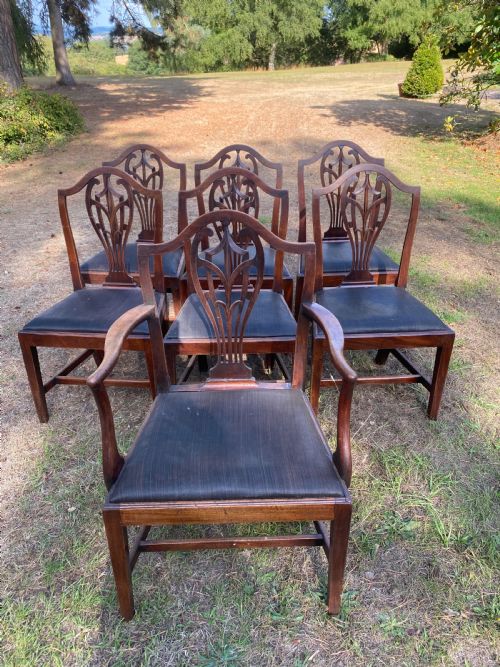
Country Chippendale chairs are provincial adaptations made by local cabinetmakers using regional timbers like elm, oak, or fruitwood rather than imported mahogany. They retain the characteristic pierced splat back but substitute refined urban details for sturdier, simpler construction.
These pieces were built for everyday domestic use in rural homes and often feature H-stretchers for added frame stability. Their charm lies in honest craftsmanship and local material choices.
How do I care for antique mahogany?
Maintaining mahogany requires keeping the timber away from direct heat sources and dramatic humidity fluctuations, which can cause wood to split or warp. Occasional dusting with a soft, dry cloth preserves the finish without sealing the pores.
Applying a quality microcrystalline wax periodically protects the aged patination from moisture and handling marks. Avoid modern silicone-based sprays that can penetrate the grain and damage the historic surface.