

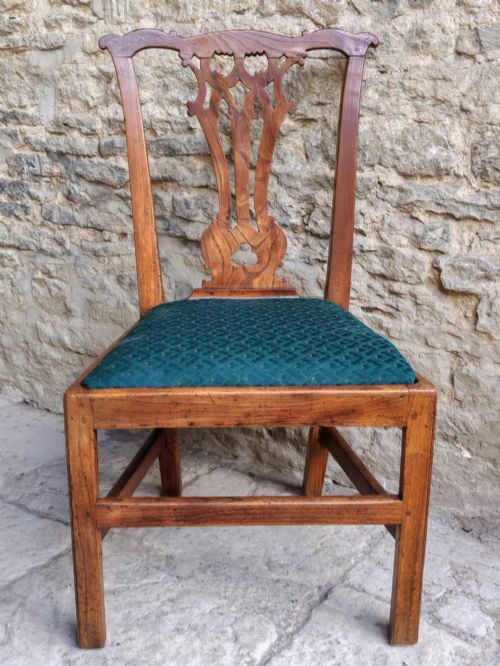
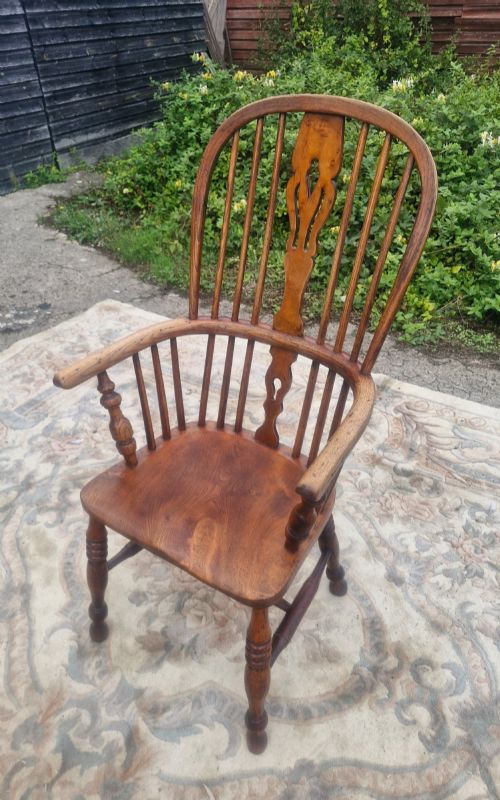
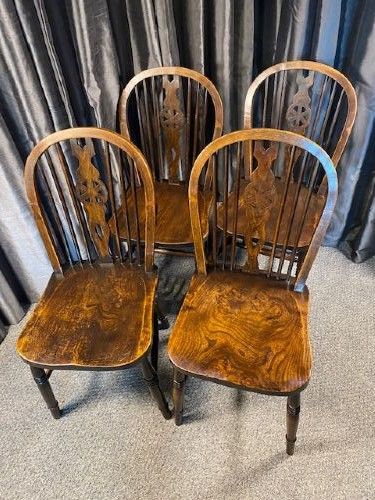
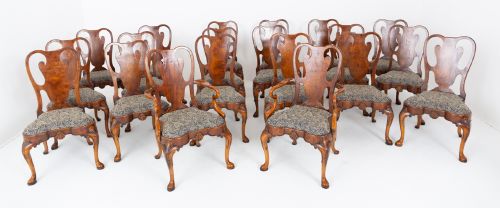




Period Elm Dining Chair
A period elm dining chair brings tactile warmth and honest grain to a room, valued for its robust country character and rich patina.
Period Elm Dining Chair
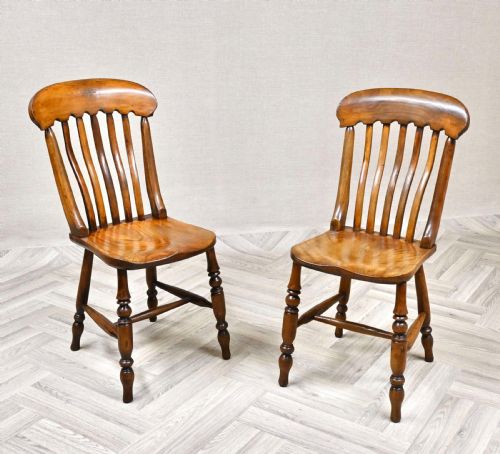
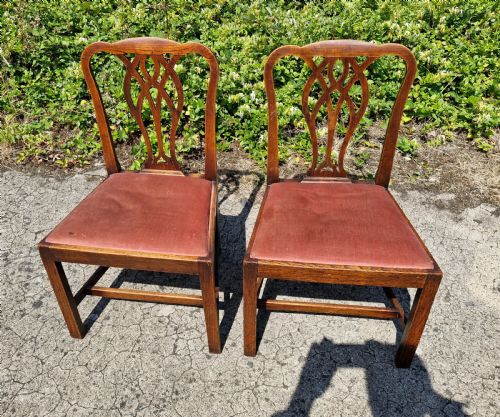
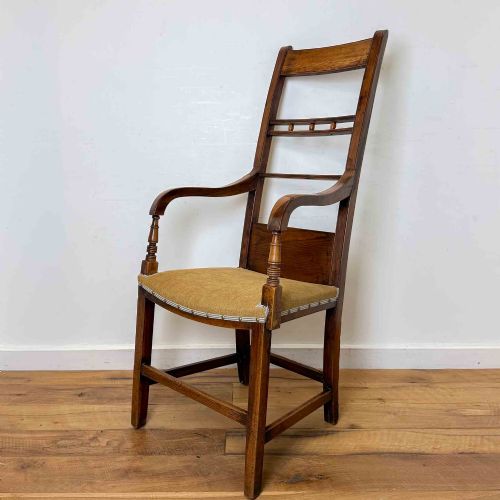
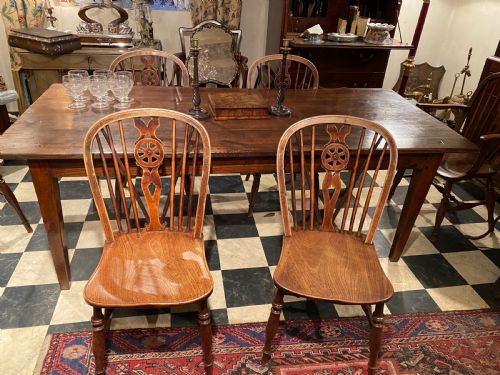
The selection ranges from early eighteenth-century Welsh examples and Georgian farmhouse designs to Regency high-back variants and nineteenth-century Windsor armchairs. Many incorporate secondary timbers such as oak, ash, beech, or fruitwood, reflecting local workshop practices.
Common regional forms include hoop-back, low-back, and lath-back Windsor chairs alongside Queen Anne style side chairs and carvers. These pieces demonstrate both formal vernacular styling and robust domestic utility across successive centuries.
Materials and construction methods
Makers utilised solid elm for its tough, interlocked grain that resisted splitting under heavy domestic use, often pairing it with ash or beech for turned spindles and legs. Timber was shaped using drawknives and pole lathes, creating contoured seats and steam-bent backs.
Construction relied on traditional joinery techniques such as mortise and tenon joints and wedged through-tenons. Seats were frequently saddled or hollowed out by hand with adzes to improve comfort before finishes were applied.
Period Elm Dining Chair Retail Price Guide 2026
Typical asking prices for period elm dining chair among the pieces listed under this phrase on Sellingantiques today, from the lower quarter to the upper quarter. They describe what is for sale here now, not the wider market.
Listings feature elm combined with ash, beech, oak, and fruitwood across the eighteenth and nineteenth centuries.
Factors determining quality
Quality rests upon the depth of the timber's surface figure, the integrity of the original construction, and the degree of patination accumulated through age. Superior examples retain their original structural timber without excessive replacement parts or inappropriate modern adhesives.
The harmony between primary elm elements and secondary woods like oak or fruitwood defines the visual balance of a set. Well-proportioned turnings and crisp detailing on splats or crest rails elevate standard vernacular pieces into finer examples of regional craftsmanship.
The Period Elm Dining Chair Glossary
- Carver
- An armchair designed to sit at the head of a dining table, usually matching a set of smaller side chairs.
- Windsor
- A traditional chair type featuring a solid wooden seat into which the legs and back spindles are directly fitted.
- Splath
- A central vertical slat of wood within a chair back, often shaped in a vase or fiddle outline.
- Patina
- The deep, lustrous surface sheen developed on old wood through decades of handling, polishing, and exposure to light.
- Vernacular
- Objects made by local craftsmen for everyday use rather than following strict high-style metropolitan fashions.
Period Elm Dining Chair: Frequently Asked Questions
Are these chairs comfortable for daily use?
Most period elm dining chairs feature ergonomically carved wooden seats shaped to fit the body. Adding loose cushions can increase comfort during long dinner parties.
Their sturdy construction makes them well suited for regular seating around a kitchen or dining table.
How do I care for antique elm furniture?
Keep elm chairs away from direct heat sources and rapid temperature fluctuations to prevent the timber from drying out or splitting. Applying a traditional beeswax polish occasionally helps nourish the wood and maintain its natural lustre.
Avoid using modern silicone sprays or harsh chemical cleaners on antique surfaces.
Can I mix different styles of elm chairs?
Mixing single chairs or small pairs of varying regional designs creates a collected, eclectic country house aesthetic around a large table. Matching sets remain scarcer, particularly in larger numbers, so combining complementary eighteenth and nineteenth-century forms is a traditional approach.
Ensure the seat heights remain consistent so all diners sit at a comfortable level.
What is the difference between a side chair and a carver?
A side chair is built without arms to allow multiple seats to fit neatly along the length of a dining table. A carver includes armrests and was traditionally placed at the table head for the host.
In larger antique sets, carvers often share the same back design and timber as the matching side chairs.