





Georgian Child High Chair
A georgian child high chair brings centuries of domestic history into a room, offering robust seating designed for the youngest family members.
Georgian Child High Chair
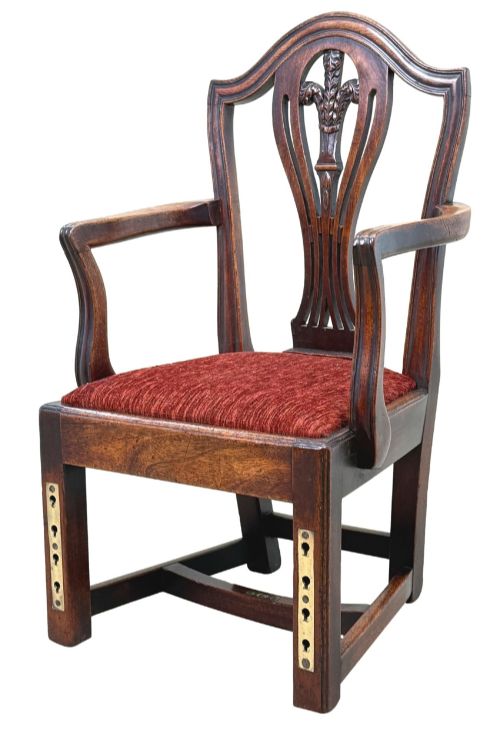
When you search for a georgian child high chair, you are looking at early domestic seating built to elevate a young child to table height. These pieces range from formal mahogany frames to sturdy country vernacular examples in elm, ash, and yew wood.
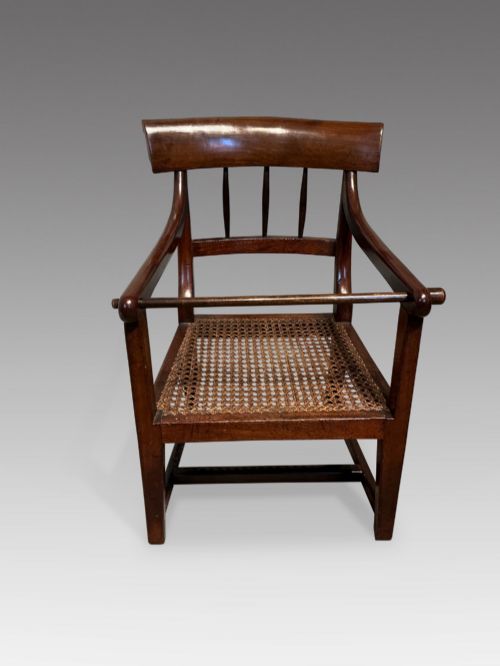
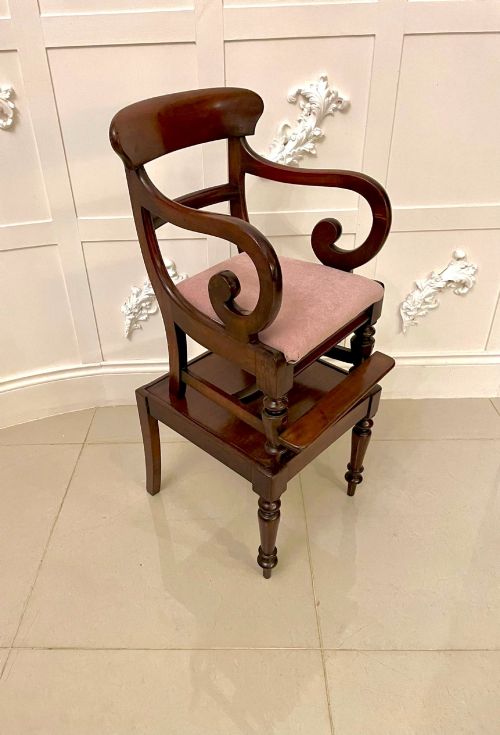
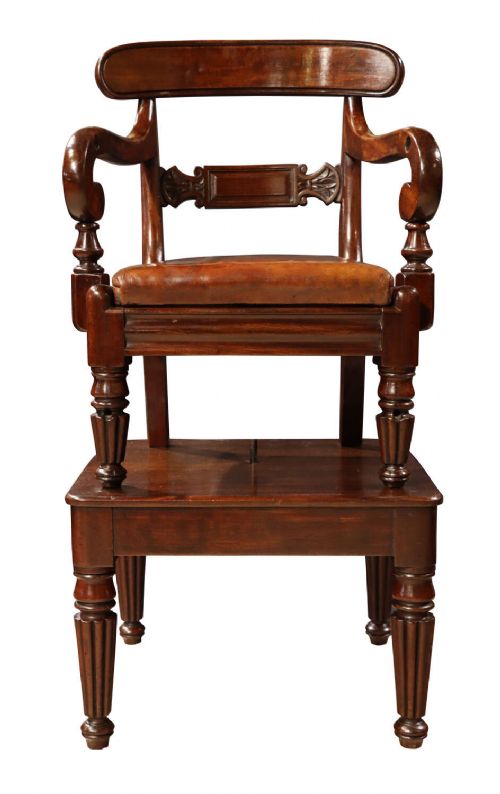
The selection includes metamorphic designs that convert into low chairs and tables, alongside pieces mounted on static stands. You will also encounter Windsor hoopback forms and ladderback seating featuring rush or caned seats.
Originating largely from the eighteenth and nineteenth centuries, these chairs reflect the domestic priorities of Georgian, Regency, and William IV households. They survive as functional items of children's furniture adapted for modern display.
How they were made
Cabinetmakers and country joiners utilised native and imported timbers such as mahogany, elm, ash, oak, and yew wood to construct these frames. Formal urban pieces relied on dense mahogany, while regional vernacular examples employed tough local woods suited to bending and turning.
Joinery methods included Windsor hoopback construction, stick-back framing, and traditional mortise and tenon joints to withstand heavy domestic use. Details such as crinoline stretchers added vital structural rigidity to the undercarriage.
Surfaces were frequently finished with brass hardware, leather, fabric, or upholstery to provide comfort and secure fastening mechanisms for metamorphic variants.
Georgian Child High Chair Retail Price Guide 2026
Typical asking prices for georgian child high chair among the pieces listed under this phrase on Sellingantiques today, from the lower quarter to the upper quarter. They describe what is for sale here now, not the wider market.
Listings feature timbers including mahogany, elm, ash, oak, and yew wood across Georgian, Regency, and William IV periods.
What varies in quality
The distinction between ordinary and superior examples lies in the selection of timber and the ambition of the form. Figured mahogany and well-figured yew wood elevate a piece above standard utility furniture.
Design complexity also defines the standard, particularly in metamorphic mechanisms that transform a high chair into a separate chair and table combination. The integrity of the original stand or base heavily influences the overall character.
The survival of original surface patination and structural elements, such as turned stretchers and rush or caned seating, determines the historical coherence of the piece.
The Georgian Child High Chair Glossary
- Metamorphic
- Furniture designed to transform from one functional object into another, such as a high chair converting into a low armchair and table combination.
- Windsor
- A traditional chair construction method where spindles and legs are fitted directly into a solid sculpted wooden seat rather than a framed back.
- Crinoline stretcher
- A curved hoop-shaped stretcher connecting the legs of a chair near the base, providing extra lateral strength and stability.
- Vernacular
- Regional furniture made by local joiners using native timbers, prioritising sturdy utility over fashionable urban styles.
- Ladderback
- A chair back constructed with a series of horizontal wooden slats or rails between two upright posts.
Georgian Child High Chair: Frequently Asked Questions
What is a metamorphic high chair?
A metamorphic high chair is a dual-purpose piece of furniture engineered to transform from an elevated seating position into a low chair combined with a separate table.
This clever design allowed families to extend the utility of the item as the child grew older, moving from nursery feeding to playroom activities.
How do I clean a wooden high chair?
Cleaning requires a soft dry cloth to remove dust and debris without disturbing the aged surface patination of the wood.
Avoid harsh modern chemical sprays or excessive moisture, applying a traditional beeswax polish sparingly only if the timber appears dry.
Are these chairs safe for daily use?
While these pieces were built robustly for practical domestic environments, their primary value now lies in their historical and decorative status.
Structural timbers and joints should be assessed carefully by a professional conservator before allowing a child to sit in them today.
How can I tell a Georgian chair from a later one?
Georgian and early nineteenth-century pieces display specific timber characteristics, hand-cut joinery marks, and regional construction traits distinct from later Victorian reproductions.
Examining the wear patterns around the footrest and stretcher provides further insight into the age and authenticity of the piece.