





Victorian Mahogany Childs Chair
A victorian mahogany childs chair brings the serious cabinet-making of the nineteenth century down to nursery scale without losing an ounce of its grain.
Victorian Mahogany Childs Chair
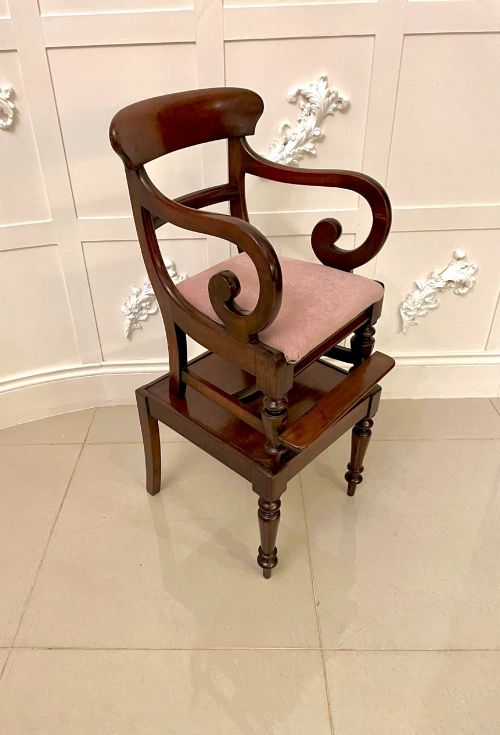
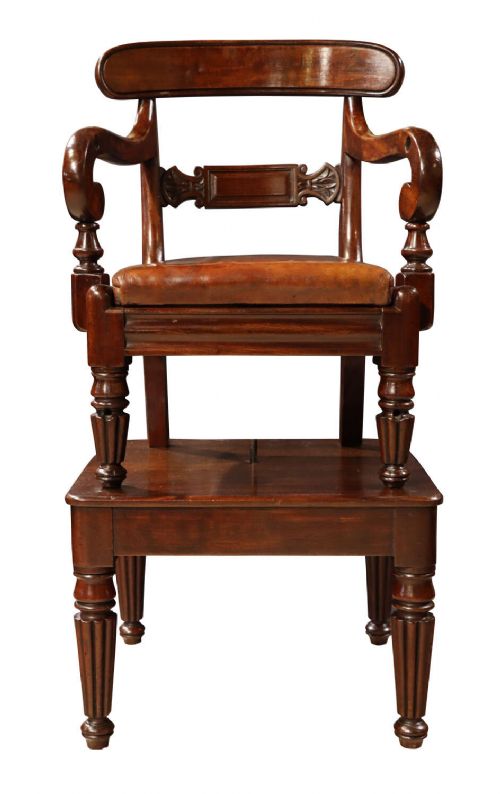
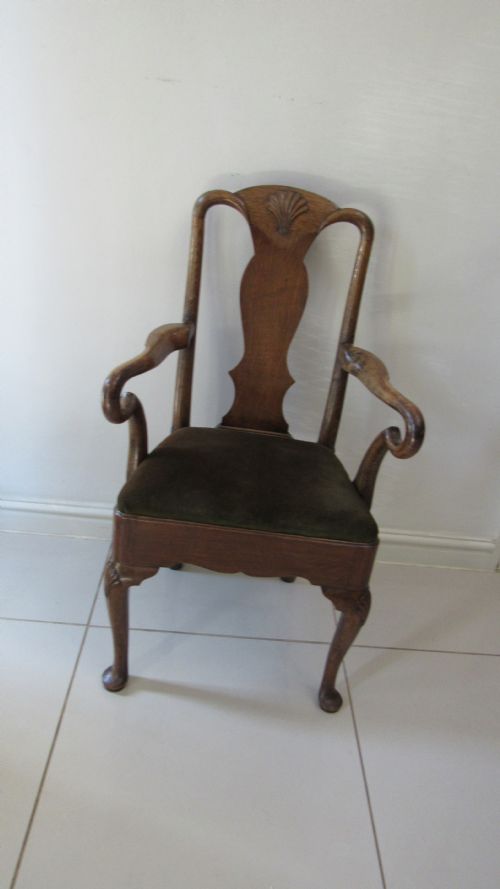
When you search for a victorian mahogany childs chair, you encounter a surprisingly varied range of diminutive seating built for nineteenth-century nurseries and parlours. The evidence on this page shows everything from simple side chairs and rocking chairs to elaborate high chairs that convert for table use.
You are most likely to meet standard Victorian examples alongside earlier Regency pieces and occasional William IV designs. Makers of the period scaled down adult seating forms, producing miniature armchairs, caned tub highchairs, and even commode chairs in dark timber.
These items served daily domestic life for affluent families who wanted their children properly seated at table or hearth. Today they survive in forms that range from simple occasional chairs to complex metamorphic high chairs with multiple functions.
How they were made
The primary timber across these pieces is solid mahogany, often complemented by secondary woods and detailed with turned or carved supports. Workshops utilised dense tropical hardwoods to ensure miniature frames could withstand the robust daily use of children.
Seating surfaces relied on traditional craft methods, incorporating woven cane, caned bergere panels, or stretched leather and velvet upholstery fastened with brass tacks. Joinery followed standard cabinet-making practices of the nineteenth century, utilising tenons and dowels to build durable miniature frames.
Listings for this phrase feature pieces spanning the Regency, William IV, and Victorian periods, constructed primarily in mahogany with occasional rosewood.
What varies in quality
Quality in a victorian mahogany childs chair rests upon the fidelity of its scaling and the crispness of its timber turnings. The finer examples display the same careful proportions and deep timber figure found in full-size parlour furniture of the period.
Complexity of form also separates standard seating from more ambitious workshop output. Metamorphic designs, rocking mechanisms, and integrated commode compartments require intricate mechanical parts that distinguish bespoke nursery items from basic domestic utility pieces.
The Victorian Mahogany Childs Chair Glossary
- Metamorphic
- Describing furniture designed to transform from one object into another, such as a high chair converting into a low armchair and play table. This clever mechanism allowed growing children to use a single item for multiple domestic stages.
- Bergere
- A type of upholstered armchair featuring enclosed cane sides and back panels. In nineteenth-century seating, this weave added texture and lightness to dense mahogany frames.
- Commode chair
- A seated piece enclosing a chamber pot within a box base or under a removable seat. These items were essential nursery furniture before indoor plumbing became standard in every room.
- Tub highchair
- A high-seated chair featuring a rounded, enclosing backrest shaped like a deep tub. This curved form offered additional security for young infants seated well above floor level.
- Deportment chair
- A specialised piece of seating designed to encourage upright posture and correct bearing in children. These rigid chairs typically lacked deep padding to enforce disciplined sitting habits during Victorian upbringing.
Victorian Mahogany Childs Chair: Frequently Asked Questions
How were child high chairs used?
These elevated seats positioned infants at adult dining table height for family meals. Many included footrests and tray attachments to keep the child secure during feeding.
Some sophisticated versions converted into low play chairs or separate tables as the child grew older. This adaptability made them practical investments for nineteenth-century nurseries.
Are these chairs safe for children today?
Most antique pieces function primarily as decorative decorative items or collector displays rather than modern nursery seating. Safety standards and stability requirements have changed considerably since the nineteenth century.
Anyone wishing to seat a child in one should inspect the joints, locking mechanisms, and overall structural integrity very carefully. Contemporary safety harnesses and modern tip-testing are absent from these historic frames.
How do I date a mahogany child chair?
Dating relies on stylistic markers shared with adult furniture from the same decades, such as Regency curves or heavy Victorian turnings. Evidence from surviving pieces points to production spans across the nineteenth and early twentieth centuries.
Secondary woods, fixing methods, and the degree of wear on the timber help narrow down the period of manufacture. Hallmarks are absent on wooden seating, so stylistic comparison remains the primary method.