

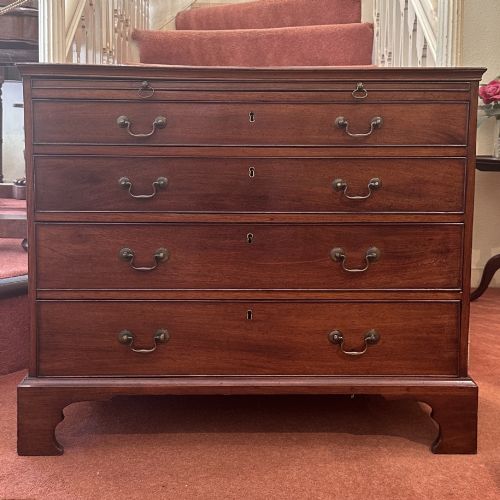
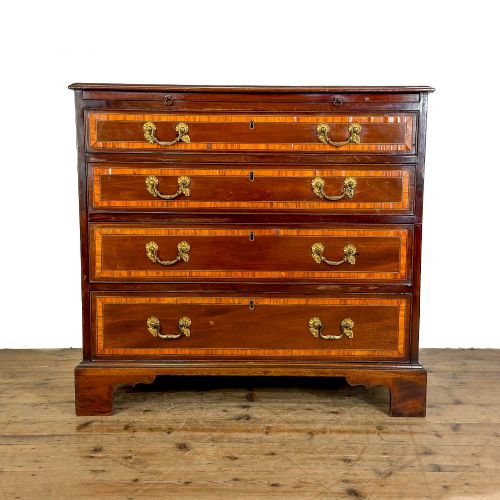

Georgian Chest with Slide
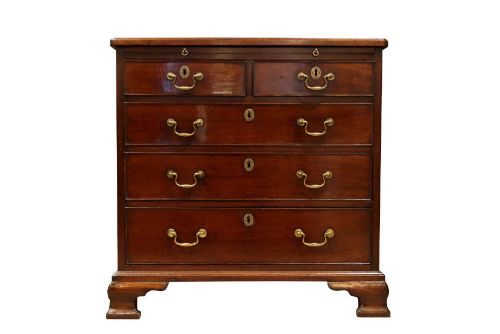
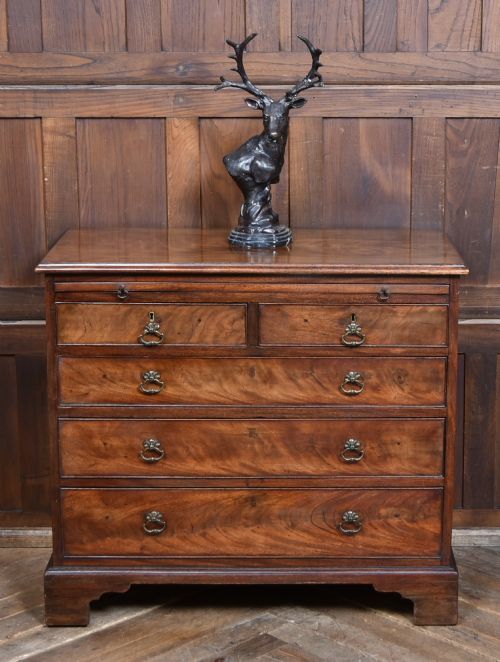
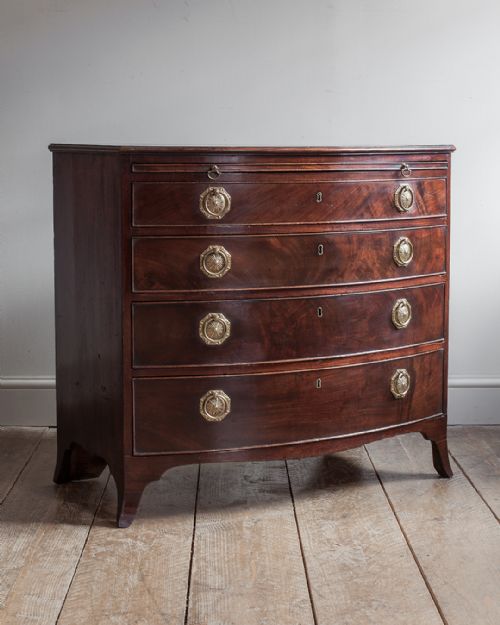
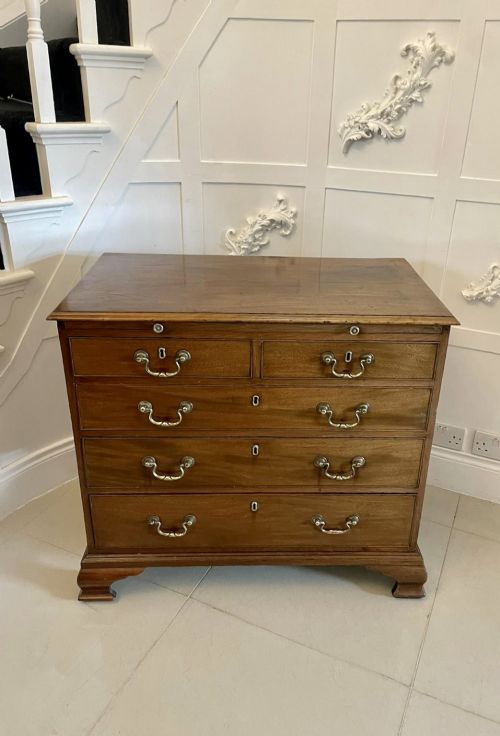
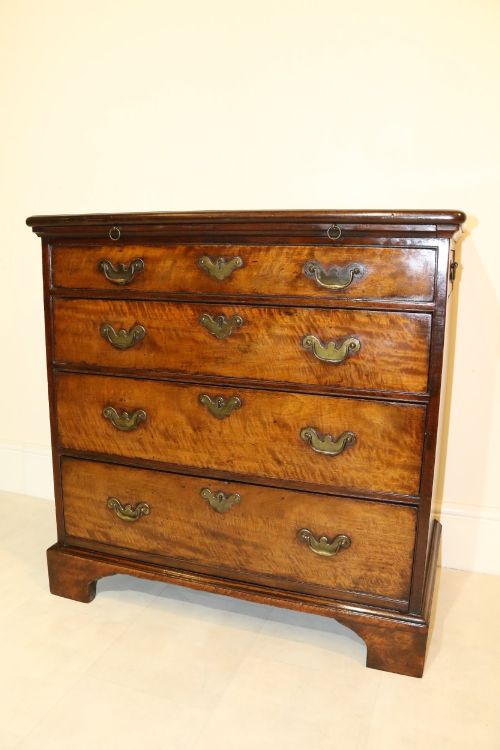
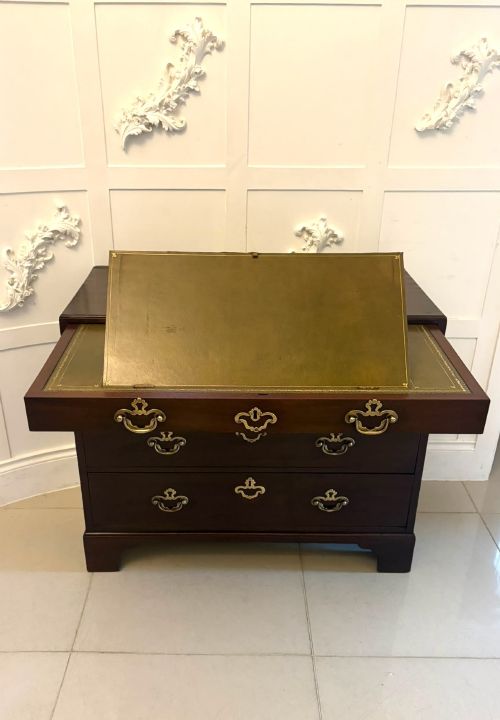
A georgian chest with slide offers a dual surface for writing or dressing, combining drawer storage with a pull-out shelf.

Georgian Chest with Slide
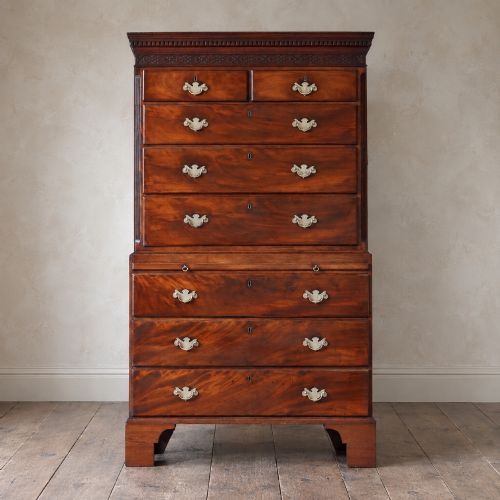
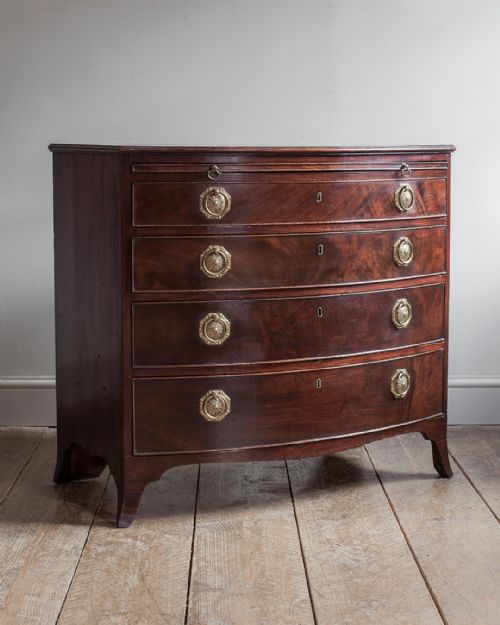
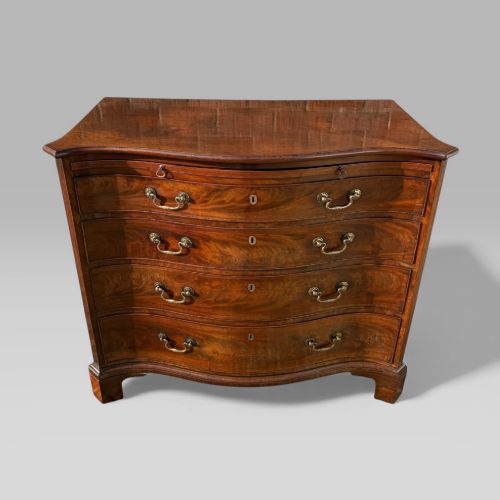
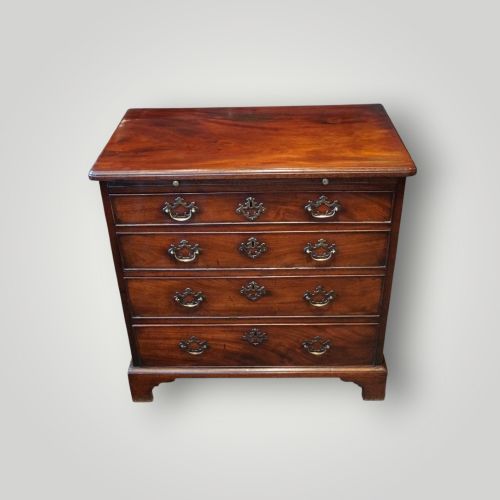
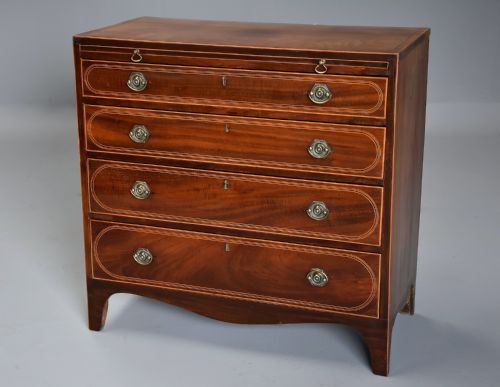
A georgian chest with slide typically appears in forms such as a bachelor's chest, a tallboy, a chest on chest, or a compact chest of drawers. The versions most commonly met on this page date from the eighteenth century through the Regency era, constructed primarily in mahogany or walnut.
These pieces feature a pull-out board positioned just beneath the top surface, historically utilised for sorting paperwork or holding candles while dressing. The primary form combines domestic storage with a functional writing surface.
Examples originate predominantly from the Georgian and George III periods, though later revivals also surface in oak and burr walnut. Buyers encounter variations ranging from simple four-drawer configurations to larger tallboys and linen presses.
Distinguishing quality factors
The degree of figuring in the timber grain distinguishes standard storage pieces from finer examples. Select pieces display matched flame mahogany or burr walnut veneers across the drawer fronts and top surfaces.
Proportions and untouched original surfaces govern the standing of an individual piece. Cabinet work exhibiting retention of original brass hardware, patination, and secondary oak linings commands greater attention from collectors.
Listings demonstrate that mahogany and walnut remain the predominant timbers, spanning the eighteenth and nineteenth centuries.
The Georgian Chest with Slide Glossary
- Brushing slide
- A pull-out shelf located below the top surface of a chest, historically used for grooming or writing.
- Bachelor's chest
- A small, compact chest of drawers featuring a pull-out writing surface, popular during the eighteenth century.
- Chest on chest
- A tall storage unit composed of a larger lower chest supporting a slightly narrower upper chest.
- Tallboy
- A regional or alternative term for a chest on chest or a tall single chest of drawers.
- Serpentine
- A curved front profile undulating outward at the centre and inward at the sides.
Georgian Chest with Slide: Frequently Asked Questions
What was a slide used for?
The pull-out board served as a temporary writing surface or a place to hold items while dressing.
Owners utilised the board during the morning routine before tucking it discreetly back into the cabinetry when not needed.
How do I identify a bachelor's chest?
A bachelor's chest is distinguished by its smaller proportions and the inclusion of a pull-out slide or fitted writing drawer.
These pieces were designed for smaller bedchambers where a full-sized desk was impractical.
What woods were commonly used?
Mahogany and walnut dominate the surviving examples from the eighteenth century.
Cabinet makers also utilised oak for simpler provincial pieces and secondary framing timbers.
Are these pieces suitable for modern bedrooms?
The compact proportions of these chests make them practical for contemporary storage needs.
The surface provides a convenient ledge while the drawers offer standard bedside or bedroom storage.