




Georgian Chess Table
A georgian chess table is a tactile piece of domestic history that invites you to sit and play, combining fine cabinet-making with the timeless challenge of the game.
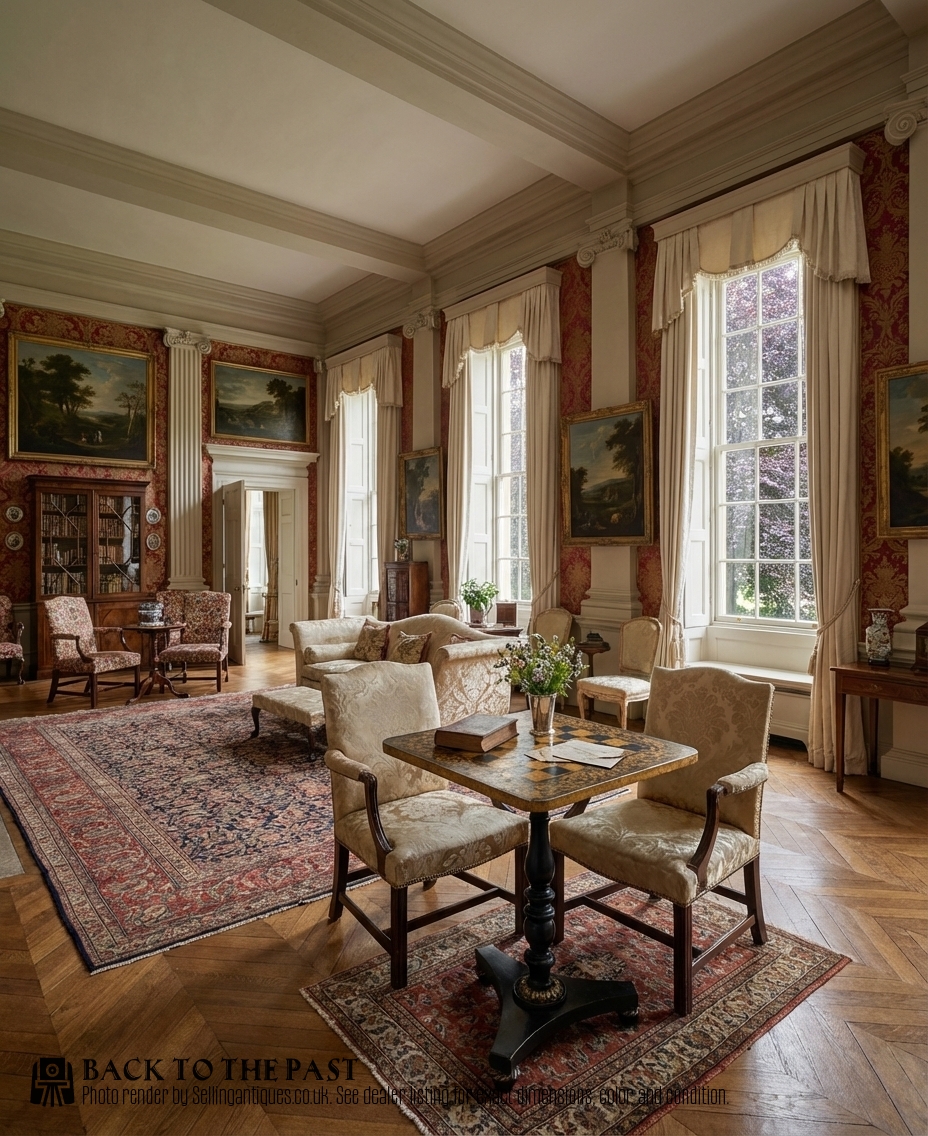
Georgian Chess Table
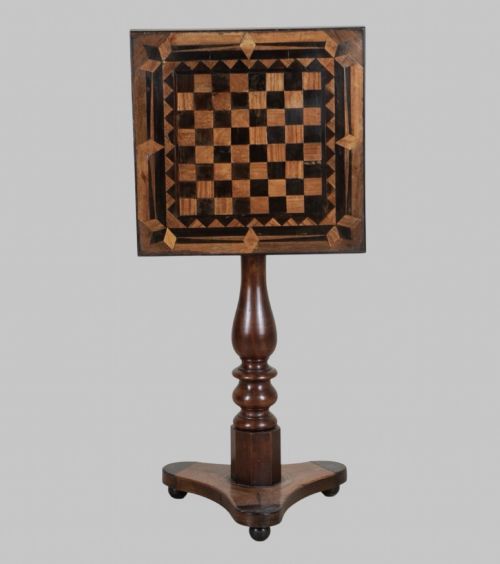
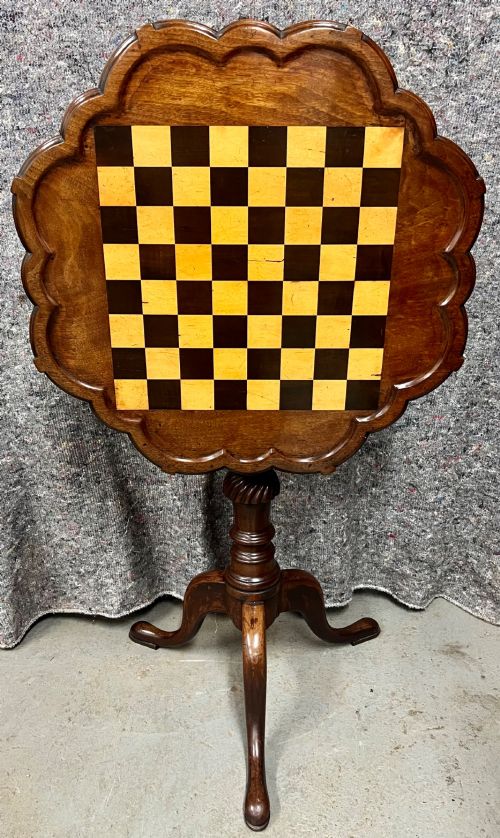
When you search for a georgian chess table, you encounter multifunctional furniture designed for polite parlour entertainment during the late eighteenth and early nineteenth centuries. These pieces span the Georgian, Regency, and early Victorian periods, often taking the form of tripod tables, fold-over card tables, or nesting tables with inlaid or penwork boards.
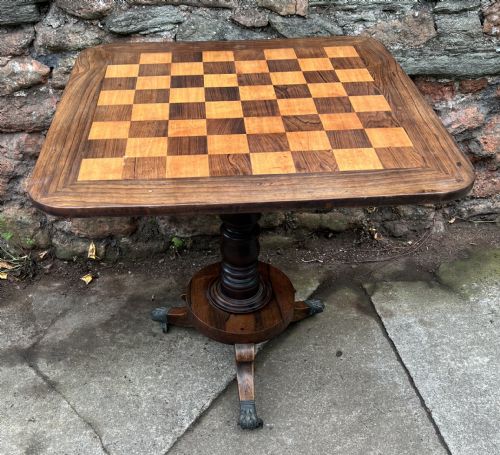
The version you are most likely to meet on this page is the Regency rosewood or mahogany games table featuring a chequered top, sometimes combined with backgammon or work compartments. They range from tripod occasional tables with satinwood inlay to folding tables with swivelling tops designed to save space in smaller drawing rooms.
How they were made
Cabinet-makers of the period relied heavily on dense timbers such as mahogany and rosewood, often contrasting them with lighter woods like satinwood for the chequered squares. Ebonised wood and brass accents also appear, providing structural contrast and decorative detail to the borders and pedestals.
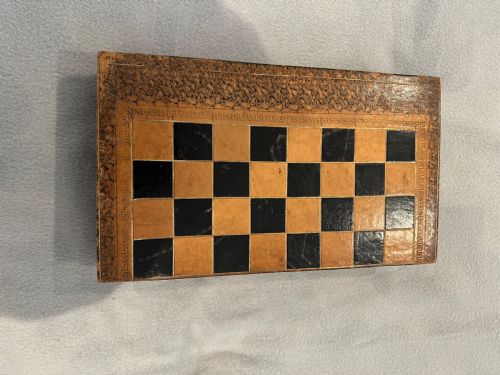
Surface decoration frequently involved intricate penwork or parquetry rather than simple paint, creating precise geometric patterns for the board. Leather and ink were additionally utilised, particularly on portable or bound boards designed to mimic books.
Some Victorian players preferred their games disguised entirely as leather-bound books until the library shelf unfolded into a board.
What varies in quality
Quality in a georgian chess table rests on the precision of the timber matching and the crispness of the inlaid or penwork squares. Finer examples display seamless grain continuity across folding tops and sophisticated secondary veneers that remain stable over centuries of use.
The engineering of the mechanism also separates standard production from superior workshops, particularly in swivelling tops, pivoting leaves, and stable tripod or pillar supports. Better pieces retain their original patination and show meticulous attention to hidden joints and interior compartments.
Gillows·George Merrifield
The Georgian Chess Table Glossary
- Penwork
- A decorative technique using ink and a pen to draw intricate motifs directly onto a prepared wood surface. It was particularly popular during the Regency period for creating detailed chess boards without heavy inlay.
- Parquetry
- A geometric mosaic of wood pieces used for decorative floors and tabletops. On games tables, it forms the contrasting light and dark squares of the board.
- Tripod table
- A small freestanding table supported by a central pillar and three legs. This form allows maximum legroom for seated players.
- Swivelling top
- A table top designed to rotate on its base before folding open or revealing a hidden compartment beneath. It provides stability when converted from a closed occasional table to an open playing surface.
Georgian Chess Table: Frequently Asked Questions
What is a georgian chess table?
A georgian chess table is a dual-purpose piece of antique furniture built for playing chess while serving as an occasional or card table in the home. These tables reflect the social habits of the Georgian and Regency eras, when games formed a central part of evening entertainment.
Most examples incorporate a dedicated playing surface either inlaid directly into the top, revealed by folding leaves, or executed in delicate penwork. They range from compact tripod stands to larger folding tables designed for the drawing room.
How were these tables used?
These tables were positioned in parlours and drawing rooms to accommodate seated guests during leisure hours. The inclusion of swivelling tops or fold-over mechanisms allowed the furniture to function as a plain surface when games were not in play.
Some variants combined chess with backgammon or included interior compartments for storing gaming pieces, dice, and counters. Their portable nature meant they could be moved easily to catch the best light by the window or hearth.
How do I live with one?
Living with a georgian chess table involves treating it as both a functional surface and a focal point of period design. Place it where it can be appreciated visually, avoiding direct sunlight and extreme temperature changes that might affect rosewood and mahogany veneers.
While sturdy enough for occasional use, these tables benefit from gentle care when opening folding leaves or swivelling tops. Using coasters and avoiding heavy objects will preserve the delicate inlay and penwork decoration.
How do I tell periods apart?
Differentiating periods relies on observing shifts in timber choice, decorative motifs, and overall architectural silhouette. Georgian pieces often lean towards heavy mahogany with restrained classical lines, whereas Regency examples embrace exotic rosewood, brass inlays, and elaborate penwork.
Later nineteenth-century and Victorian iterations may introduce ebonised finishes, faux book bindings, or heavier proportions. Examining the construction methods and secondary timbers underneath helps confirm the era of manufacture.