
Georgian Carved Occasional Table
A georgian carved occasional table is a versatile antique support piece bringing warmth and period craft to small spaces.

Georgian Carved Occasional Table
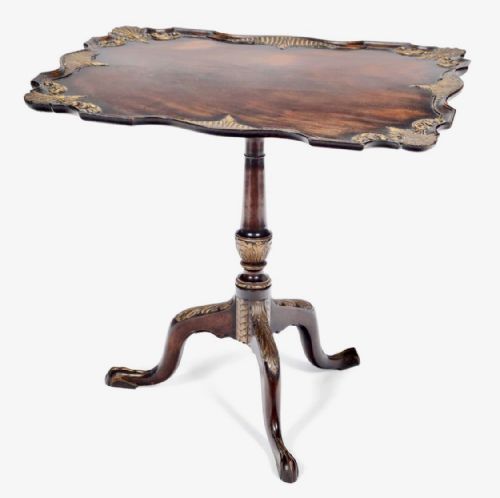
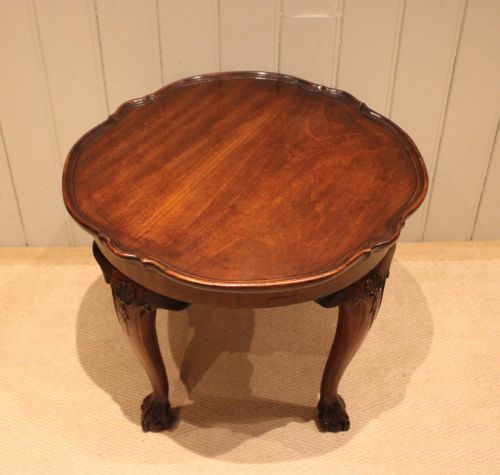
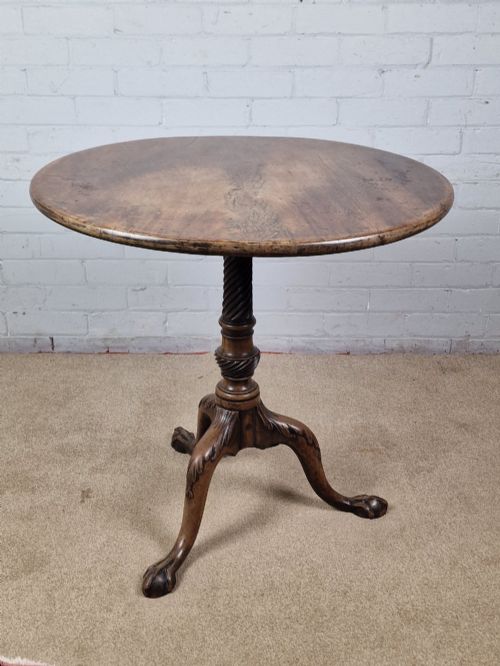
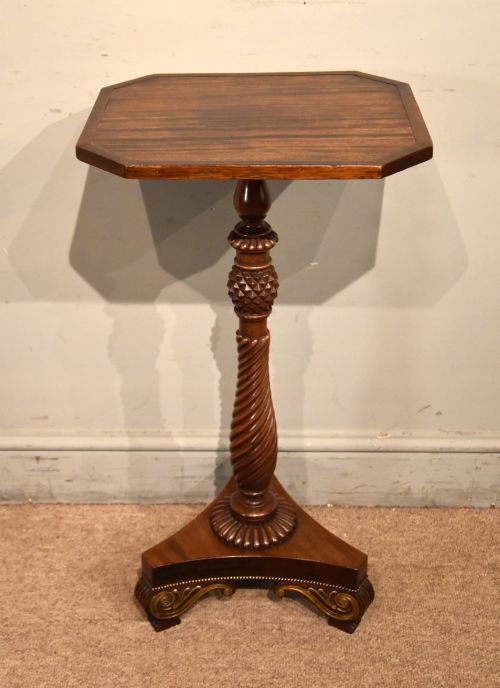
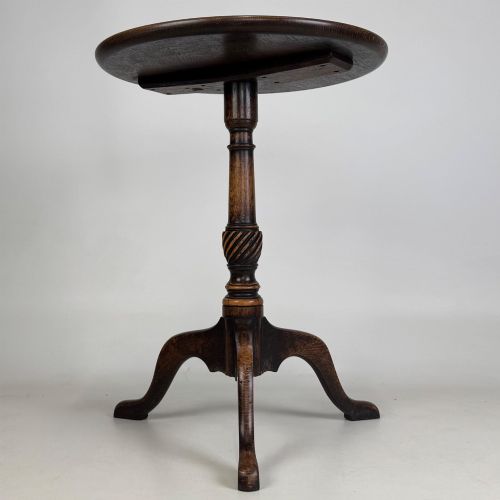
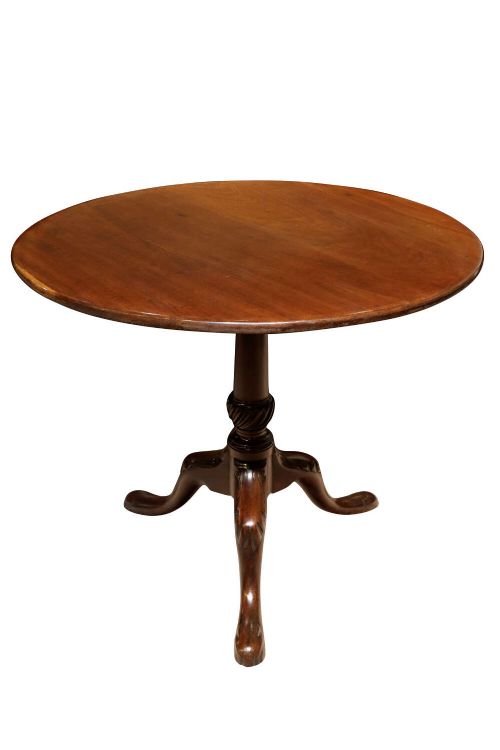
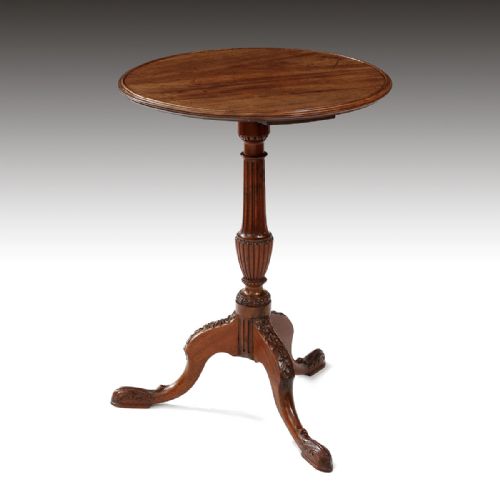
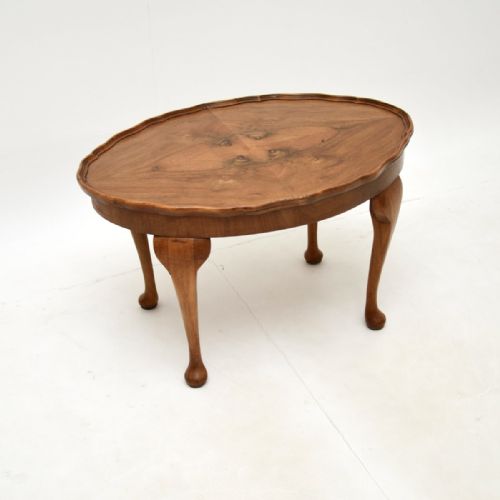
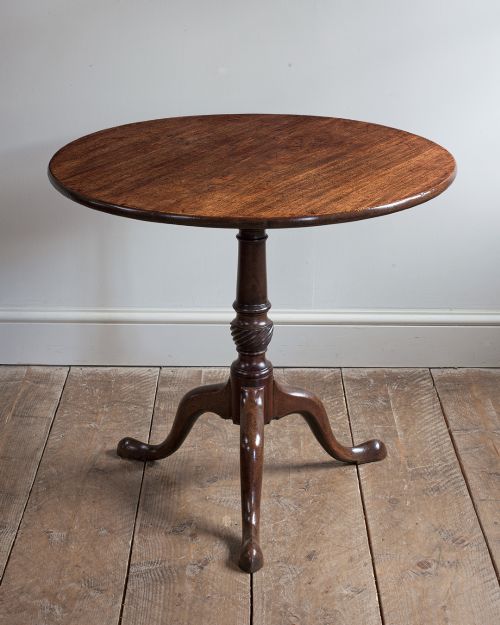
A georgian carved occasional table encompasses compact domestic furniture originating predominantly across the eighteenth and nineteenth centuries, including the Regency and Victorian eras. These pieces appear in numerous formats such as wine tables, side tables, tripod tables, and tilt-top supper tables.
The material palette is anchored by timber varieties including mahogany, walnut, oak, and rosewood, frequently incorporating carved details upon legs and rims. Makers utilised these woods to construct functional items designed for flexible placement beside seating or against walls.
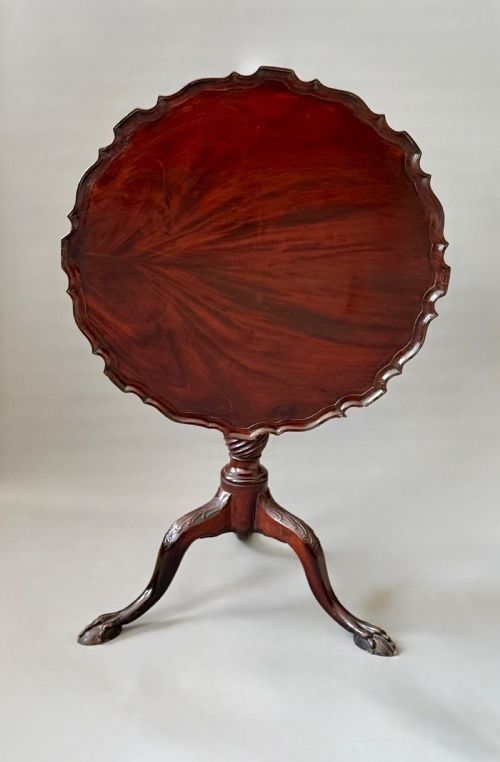
Surviving examples span genuine eighteenth-century origins through later nineteenth-century revivals and early twentieth-century interpretations in specific historic styles. Buyers encounter both simple oak side tables and elaborate mahogany tripod tables featuring shaped edges and parcel gilt accents.
Materials and construction methods
Cabinetmakers constructed these tables using solid hardwoods such as mahogany, oak, and walnut, often selecting figured veneers and burr walnut for decorative surfaces. Timber selection determined both the structural integrity and the visual grain pattern of the top.
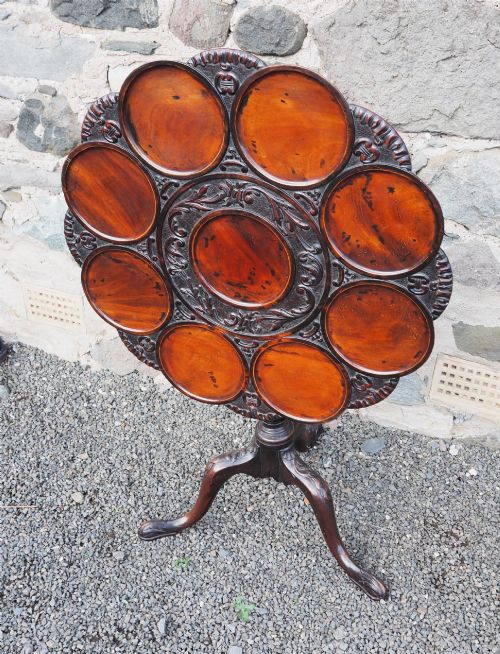
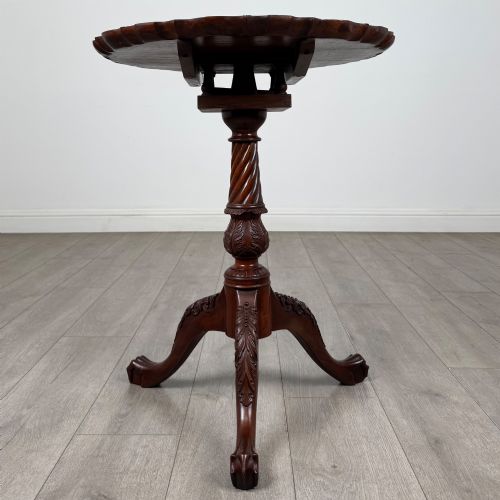
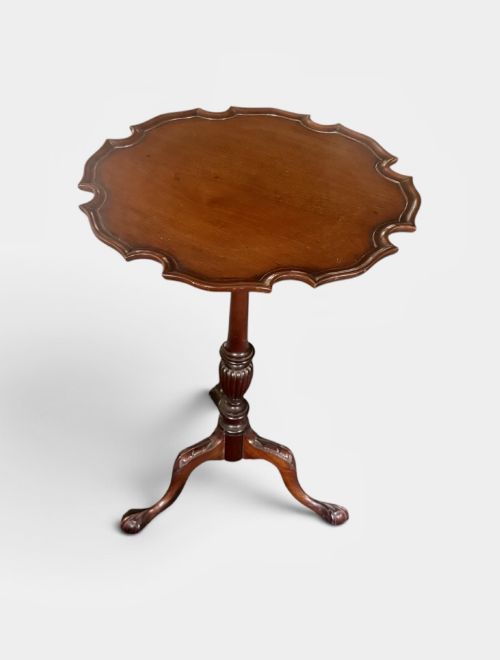
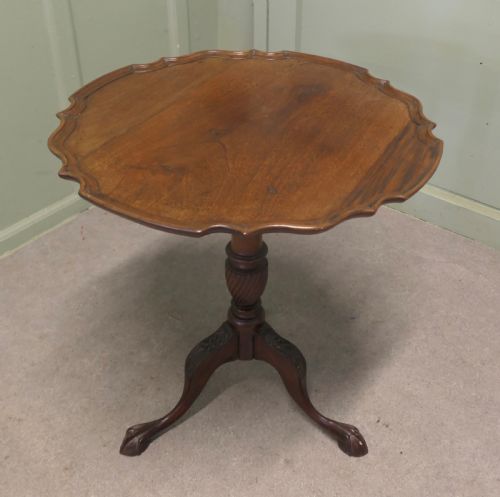
Joinery techniques included sophisticated mechanisms like the birdcage pivot on tripod bases, which allowed circular tabletops to tilt and rotate. Carving was executed by hand directly into solid timber legs, pedestals, and raised rims such as pie crust or dishtop edges.
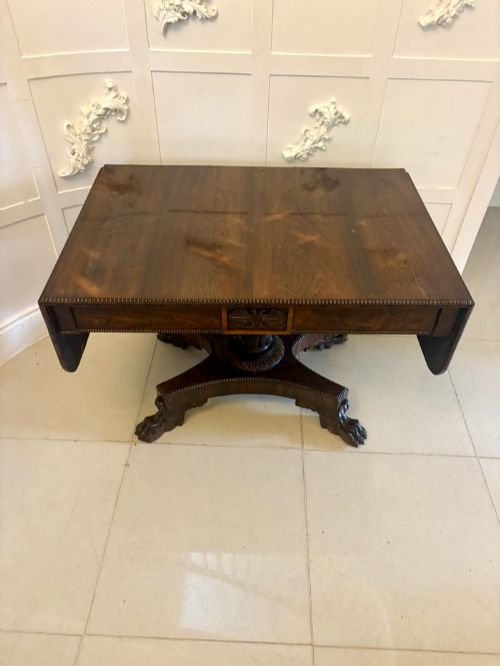
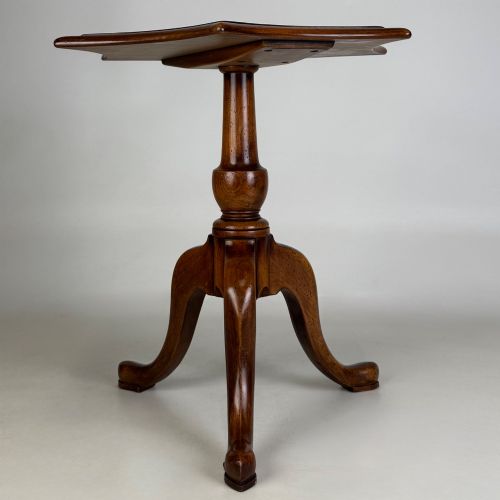
Secondary supports incorporated brass fixtures, parcel gilt highlights, and drop-leaf hinges on pembroke and sofa tables. The assembly combined turned pedestals with tripod or pillar bases to ensure stability despite relatively small footprints.
The listings on this page span the 18th, 19th, and 20th centuries, featuring woods like mahogany, oak, walnut, and rosewood across side, wine, and tilt-top forms.
Assessing craftsmanship and finish
Quality rests upon the crispness of the hand carving and the selection of timber figure, where richly grained mahogany, figured walnut, or solid rosewood elevate a piece. Superior examples display fluent, deeply carved details on knees, ball and claw or pad feet, and pedestals rather than shallow or mechanical shaping.
The integrity of mechanical elements, such as the tilt-top mechanism and birdcage assembly, distinguishes masterwork production from standard utility items. Smooth movement, tight joints, and original brass components indicate careful historical construction.
Proportion and balance dictate the aesthetic success of the table, ensuring that tripod bases support the top securely without wobble. The depth of the natural patina accumulated across centuries of polish adds visual resonance to higher-grade items.
Gillow
The Georgian Carved Occasional Table Glossary
- Tripod table
- A small freestanding table supported by a central pillar resting on three legs. These tables often feature tilt-top mechanisms for storage.
- Pie crust table
- A table with a raised, carved, and scalloped edge resembling pastry crimping. This decorative rim prevented items from sliding off the surface.
- Birdcage
- A timber framework beneath the tabletop that allows the surface to both pivot and rotate. It is a hallmark of superior eighteenth-century tripod tables.
- Tilt-top
- A hinged tabletop that can be folded vertically when not in use. This design allowed tables to be stored flat against a wall.
- Lowboy
- A small kneehole dressing table or side table with one or more rows of drawers. They typically stand on four tall legs and date from the eighteenth century.
Georgian Carved Occasional Table: Frequently Asked Questions
How were occasional tables used historically?
These compact tables served multiple domestic purposes, acting as movable stands for tea, reading materials, or lighting. Their portability allowed occupants to place them beside seating areas as needed.
Larger variants functioned as supper tables or writing surfaces within reception rooms. Their flexible design made them essential furnishings in period interiors.
What is a tilt-top table mechanism?
A tilt-top mechanism uses a hinged block beneath the surface allowing the table top to pivot vertically. This allowed the furniture to be tucked away against room perimeters when unoccupied.
Many examples incorporate a birdcage device beneath the hinge, enabling the vertical top to also rotate horizontally. This engineering reflects the ingenuity of period cabinetmakers.
How do I identify a Georgian piece?
Authentic pieces from the Georgian era display characteristic timber choices like dense mahogany or walnut, accompanied by hand-cut joints. Look for proportions, hand-carved tripod legs, and period surface patination.
Later nineteenth-century revivals often replicate these forms but utilise different internal construction methods or machine tooling. Comparing the timber ageing and joinery helps clarify the manufacturing period.
How should I care for antique timber?
Protect antique wood by maintaining stable room humidity and avoiding direct exposure to strong sunlight or heat sources. Gentle dusting with a dry cloth prevents surface accumulation.
Apply occasional natural wax feeds sparingly to nourish the grain and preserve the patina. Avoid modern silicone polishes that can permanently alter the historic finish.