
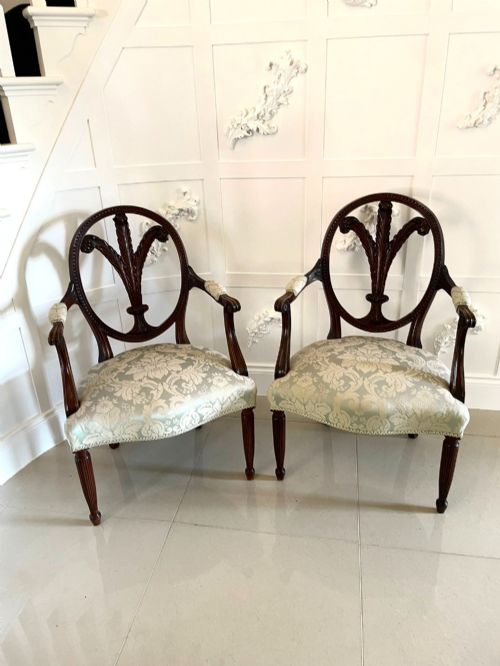
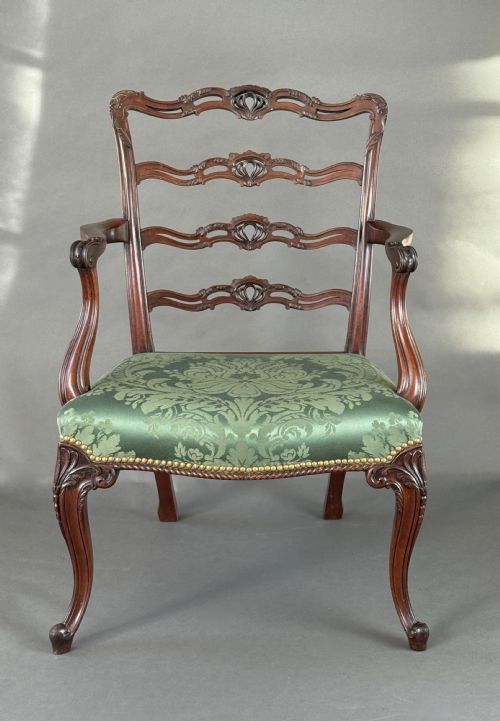
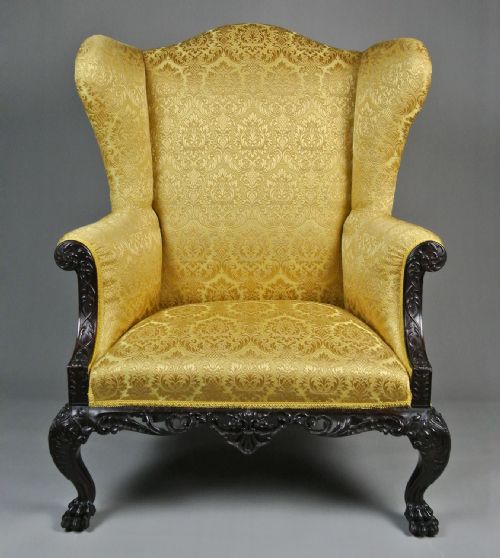
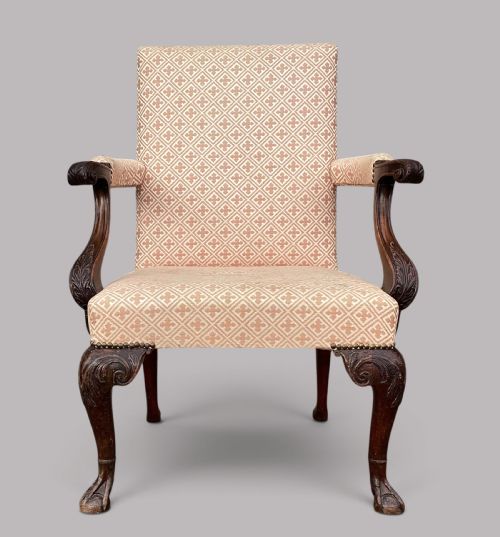
Georgian Carved Leg Armchair
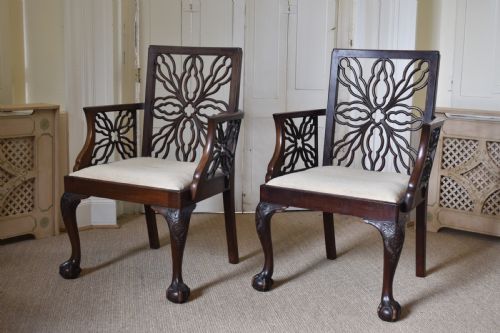
A georgian carved leg armchair brings classical proportion and solid timber to a room, offering both sturdy support and presence.
Georgian Carved Leg Armchair
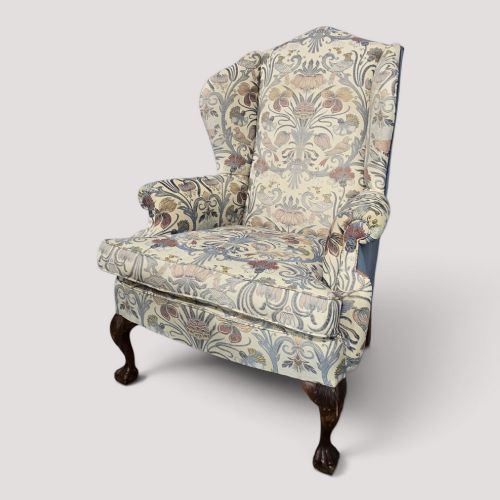
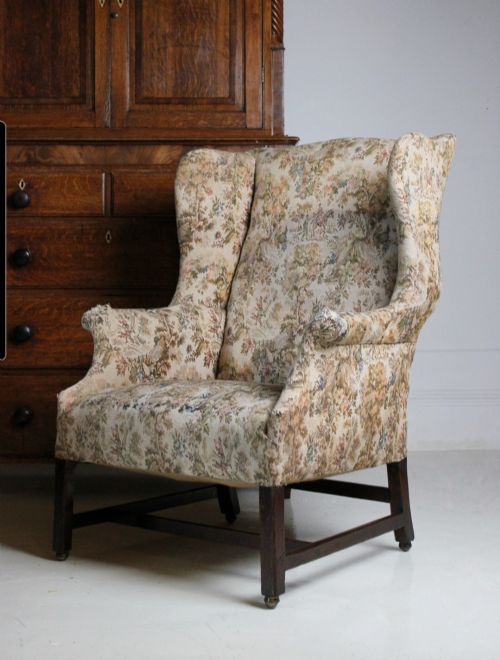
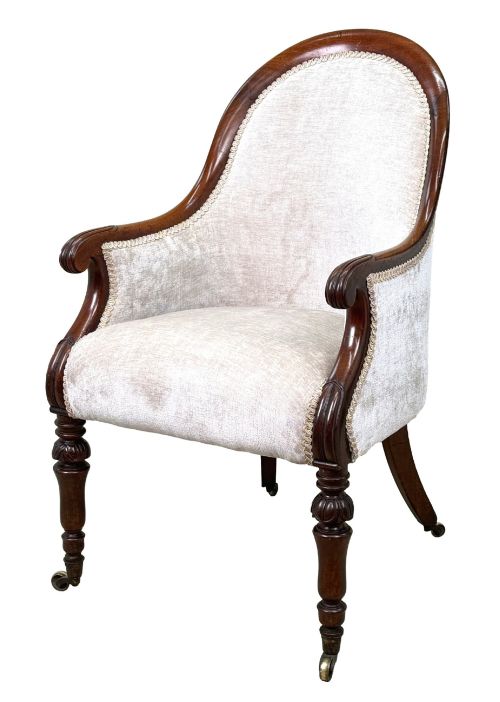
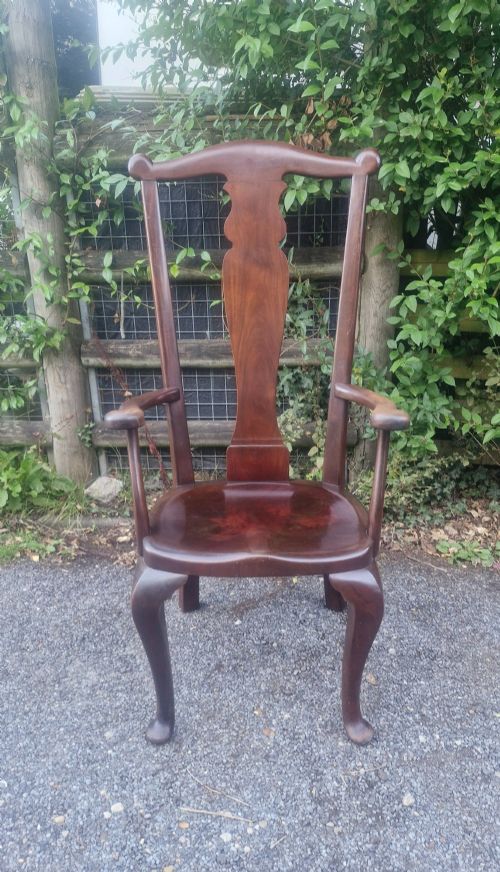
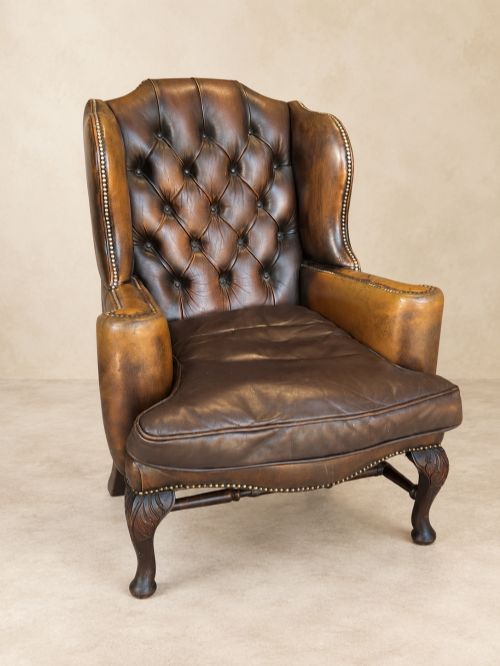
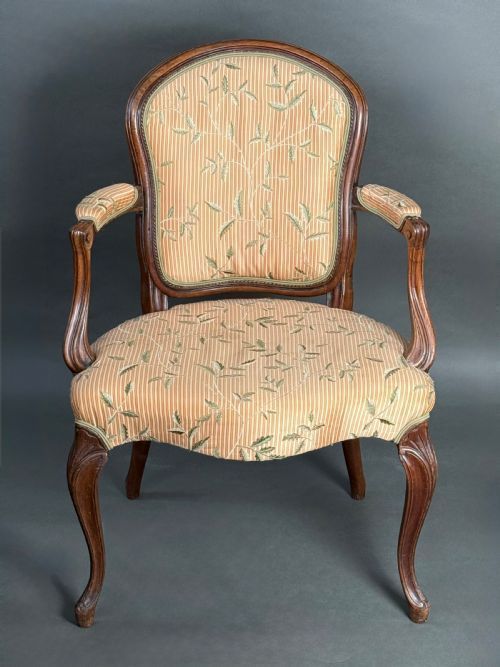
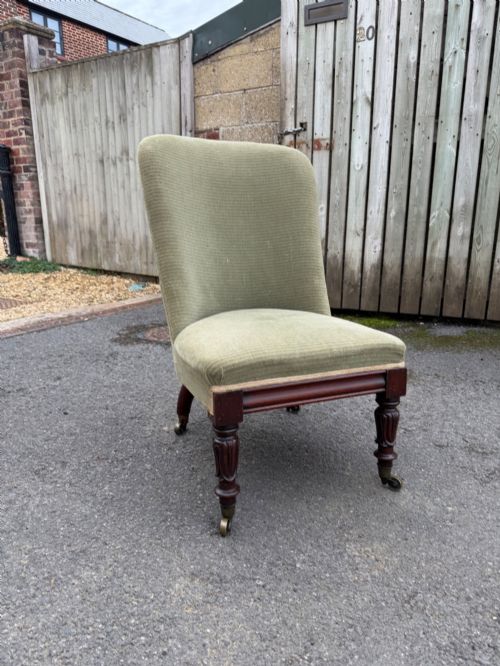
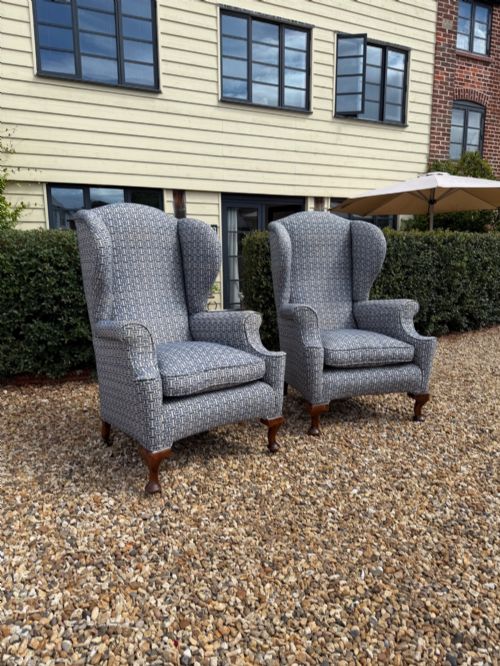
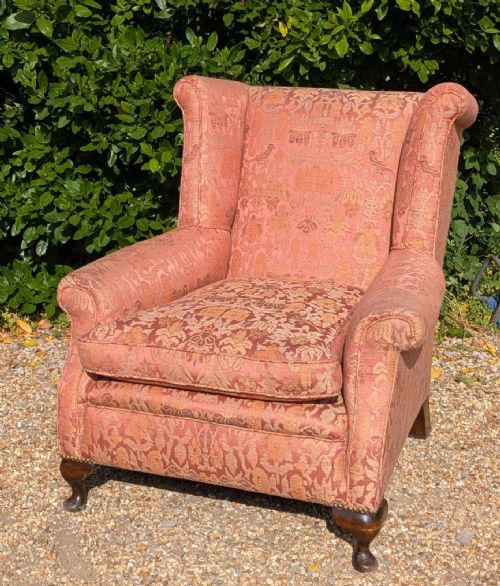
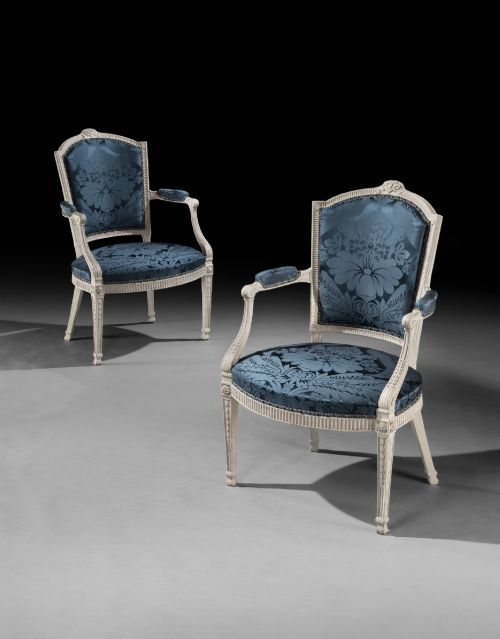
A georgian carved leg armchair encompasses seating designed during the eighteenth century as well as later revivals spanning the nineteenth and early twentieth centuries. The listings here present diverse forms, ranging from heavy wingbacks and library chairs to open armchairs and desk chairs.
Most pieces encountered on this page date from the nineteenth and early twentieth centuries, drawing heavily on Georgian, Regency, and Queen Anne styles. Buyers will find mahogany and walnut frames paired with various coverings including leather, velvet, silk, and contemporary fabric upholstery.
How they were made
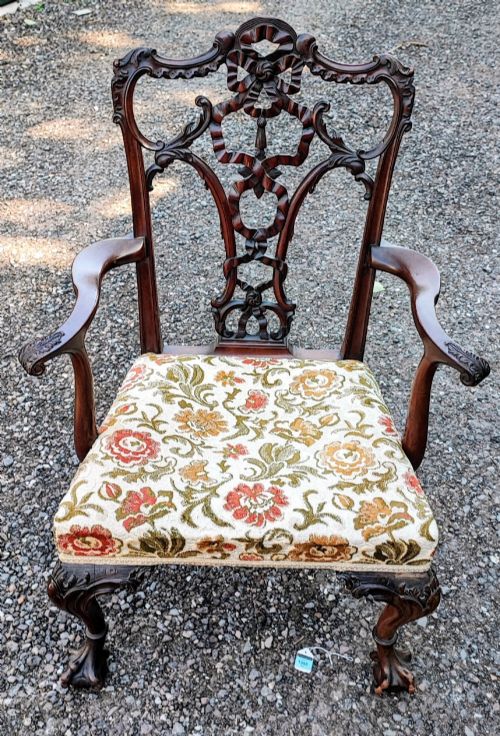
Frames are constructed predominantly from solid mahogany and walnut, frequently utilising traditional joinery methods to secure load-bearing joints. Carved details on cabriole legs and arms display the manual skill of cabinetmakers shaping dense hardwoods.
Upholstery techniques involve webbing, springs, and stuffing covered with textiles such as wool, cotton calico, or silk. Brass elements appear as castors or decorative hardware on specific chair legs and library variants.
Some library chairs hide their reading notes by hiding small compartments in the wooden arms.
What varies in quality
The distinction between tiers rests upon the crispness of the hand-carving and the integrity of the underlying timber frame. Superior examples display fluent carving on the knees and legs, whereas simpler or later revival pieces show softer definition.
Originality of the timber surfaces and the historical continuity of the upholstery build influence the standing of an individual chair. Untouched frames with aged patination command greater regard than heavily restored alternatives.
Giles Grendey·Whytock and Reid
The Georgian Carved Leg Armchair Glossary
- Cabriole leg
- A furniture leg that curves out at the knee and tapers inward to the foot, mimicking animal limbs. This form appears frequently on eighteenth-century seating.
- Carver chair
- An armchair designed to match a set of dining chairs, typically positioned at the head of a table. These pieces share stylistic details with the smaller side chairs in the set.
- Wingback armchair
- A high-backed chair featuring protective side panels designed to shield the occupant from drafts. Early versions were padded for domestic comfort.
- Drop-in seat
- A removable wooden frame upholstered separately and dropped into the seat rails of a chair. This method allowed easier recovering of the textile surface over time.
- Sabre leg
- A concave sweeping leg that tapers toward the floor, characteristic of Regency furniture design. This shape provides stable support without heavy ornamentation.
Georgian Carved Leg Armchair: Frequently Asked Questions
How do I identify a genuine period chair?
Examine the timber construction methods, tool marks, and wood shrinkage patterns visible beneath the frame. Period pieces display hand-cut joinery and aged patination consistent with centuries of use.
Compare the proportion and carving style against documented examples from the same era. Revival pieces from later centuries often feature machine-cut elements or softer detailing.
Are these chairs suitable for daily use?
Most solid hardwood frames offer robust structural integrity capable of handling regular sitting. However, older internal webbing and stuffing may require reinforcement to support everyday weight comfortably.
Consider having a professional upholsterer inspect the internal springs and padding before placing the chair into daily service. Gentle use preserves fragile textiles and antique wood surfaces.
What is the difference between an armchair and a carver?
An armchair is a general term for any seated furniture with side supports for the arms. These include library chairs, wing chairs, and desk chairs.
A carver specifically denotes an armchair manufactured to match a set of dining room chairs. They were traditionally set at the heads of dining tables.
How should I care for leather and wood?
Apply specialised leather balms periodically to maintain suppleness and prevent cracking on antique upholstery. Keep leather away from direct sunlight and heat sources.
Dust wooden frames with a dry cloth and use natural beeswax to nourish the finish. Avoid silicone polishes that build up residue over time.