



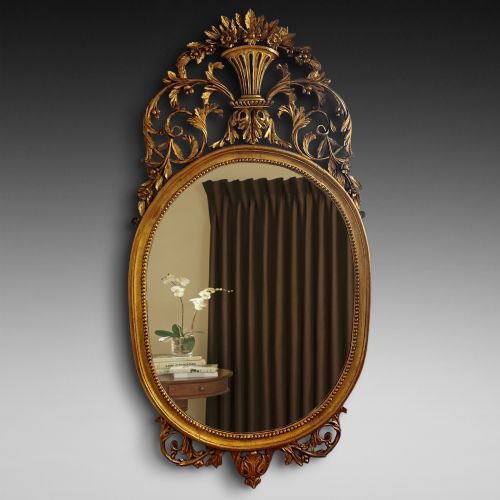
Georgian Carved Gilt Frame
A georgian carved gilt frame brings the brilliance of eighteenth and nineteenth-century craftsmanship directly to a wall.
Georgian Carved Gilt Frame
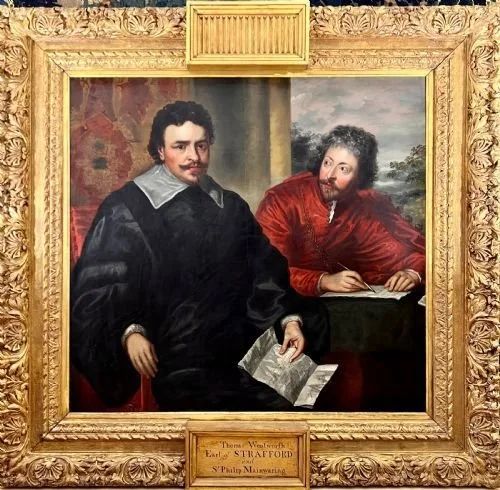
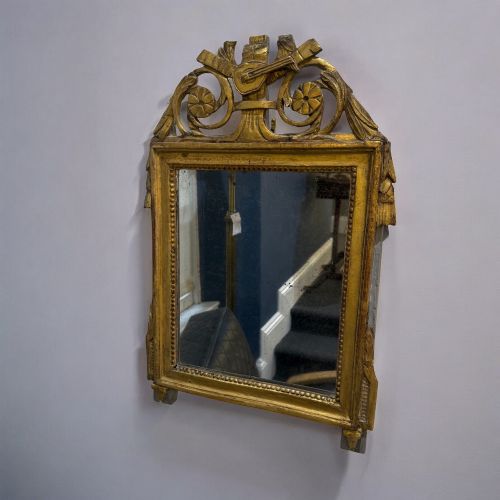
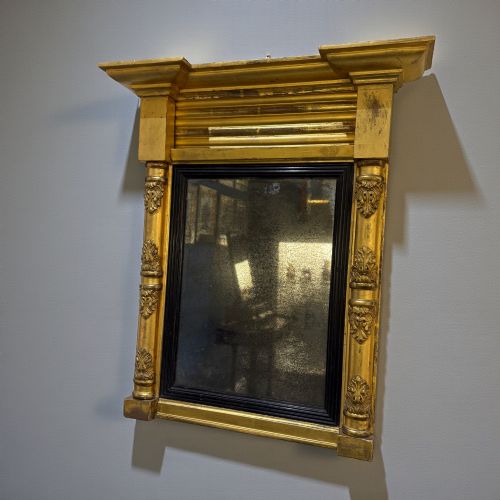
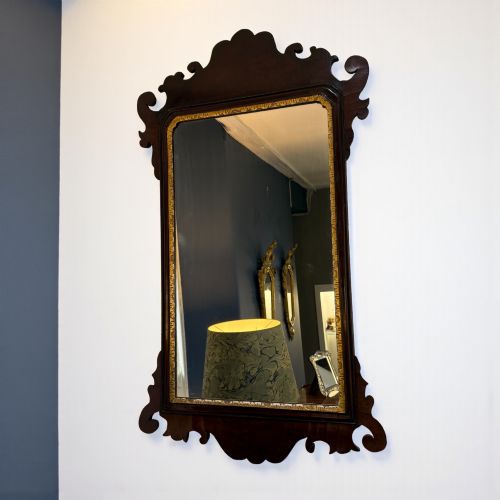
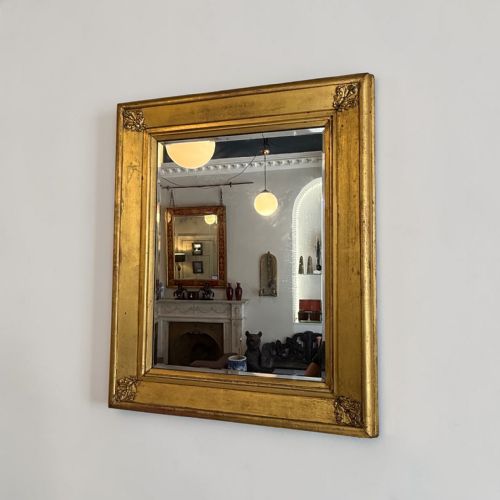
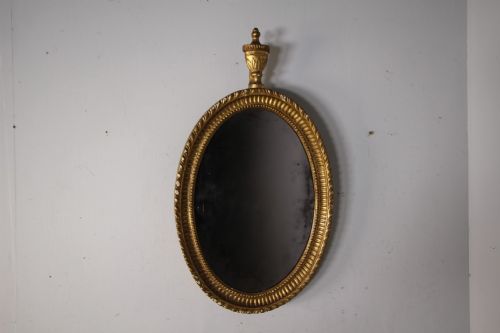
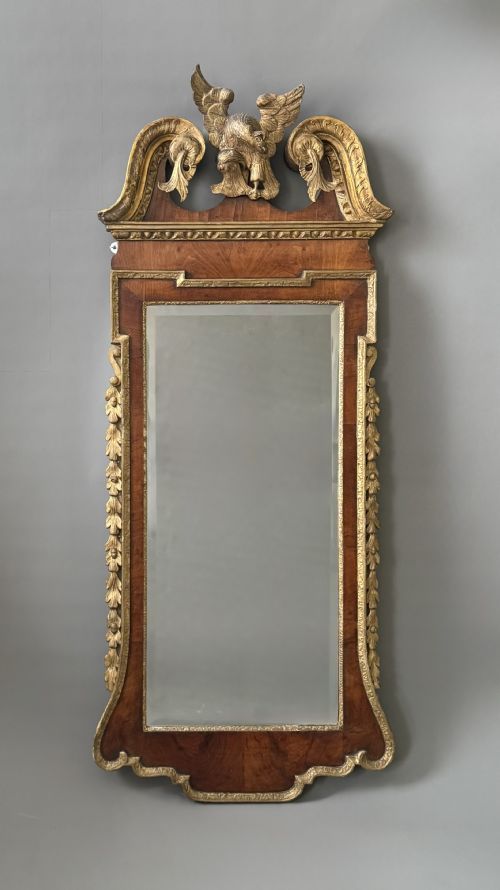
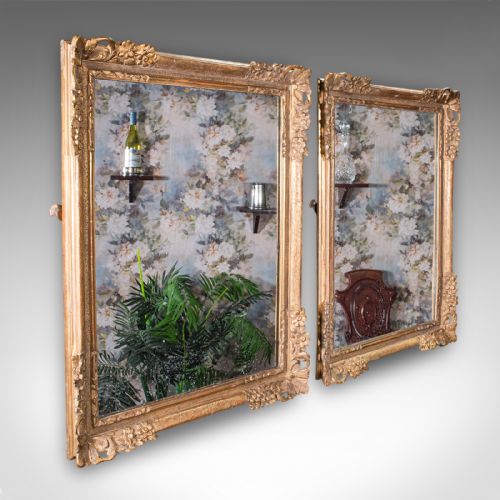
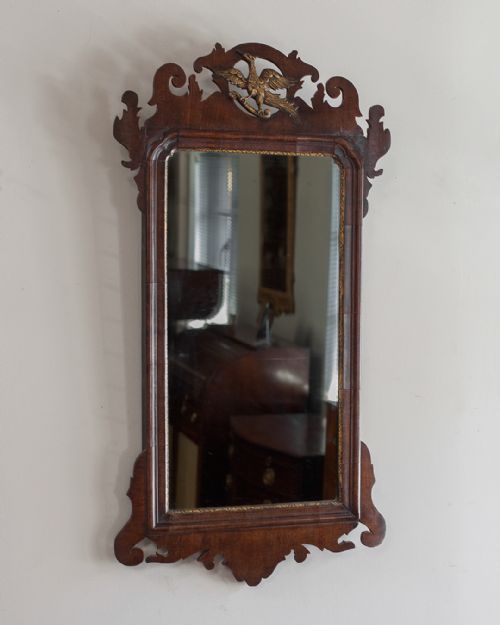
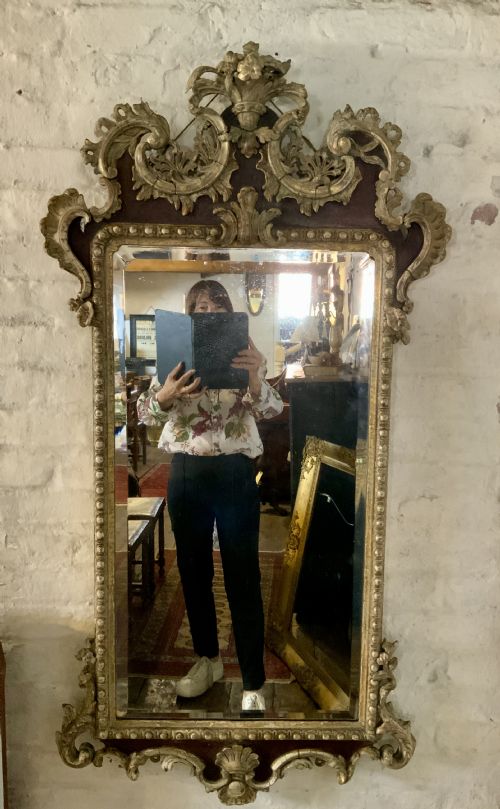
When you search for a georgian carved gilt frame, you encounter wall mirrors, overmantel mirrors, and oil paintings encased in decorative woodwork. The most frequent pieces on this page are giltwood and mahogany mirrors from the eighteenth and nineteenth centuries, spanning Georgian and Regency periods.
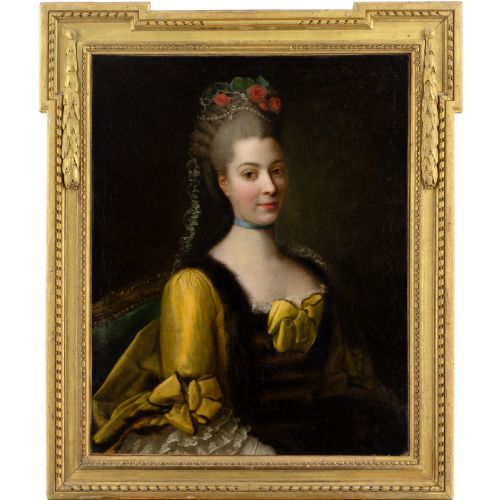
These items originate primarily from English and French makers, incorporating styles such as Rococo, Baroque, and Neoclassical designs. Alongside mirrors, the selection includes oil on canvas portraits and landscapes framed in period giltwood.
How they were made
Makers shaped timber frames from wood such as mahogany, walnut, and pine before applying layers of gesso to build up intricate carved details. Craftsmen then laid gold leaf over the prepared surfaces to achieve a luminous metallic finish.
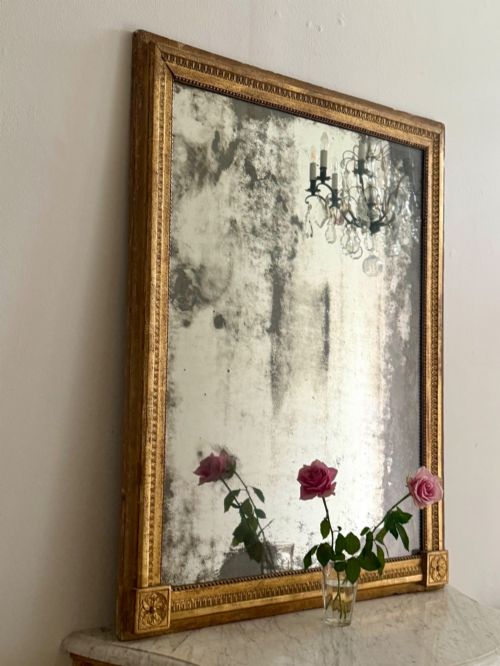
Mirrors frequently utilise foxed mercury glass fitted within the hand-carved wooden structures, while paintings employ oil on canvas set securely inside the gilded surrounds.
Listings feature items from the eighteenth and nineteenth centuries, predominantly utilising giltwood, gesso, mahogany, and oil on canvas.
What varies in quality
The crispness of the hand-carved gesso and wood ornamentation determines much of the distinction between standard examples and superior works. Deeper relief carving and well-preserved original gold leaf elevate a piece significantly.
The integrity of the underlying timber and the presence of original glass components separate exceptional survivals from later replacements or heavily restored items.
Trajan Hughes·Benjamin Barker of Bath·Jeremiah Davison·Sir Godfrey Kneller·Thomas Hudson·Miles & Edwards
The Georgian Carved Gilt Frame Glossary
- Giltwood
- Wood that has been coated with gold leaf or gold paint. This technique creates a rich decorative surface seen across many period mirrors and picture frames.
- Gesso
- A plaster-like mixture applied to wood frames to provide a smooth base for carving and gilding. Artisans mould this substance into intricate relief ornaments.
- Convex mirror
- A round mirror featuring a curved glass surface that reflects a wide, distorted field of vision. These optical pieces gained popularity during the Regency era.
- Parcel-gilt
- A decoration method where only specific portions of an object are gilded, leaving other materials like mahogany or walnut exposed. This provides a contrast between the wood grain and the gold leaf.
- Overmantel mirror
- A large mirror designed to hang specifically above a fireplace mantel. These horizontal formats anchored the decorative scheme of period rooms.
Georgian Carved Gilt Frame: Frequently Asked Questions
How do I hang a heavy gilt mirror?
Secure the frame using appropriate wall anchors rated for the weight of the timber and glass. Ensure the hanging wire or brackets engage directly with structural wall studs.
Distribute the weight evenly across multiple fixing points to prevent strain on antique joints and original gesso decorations.
What is foxed glass?
Foxed glass refers to mirrors showing age-related spots, oxidation, and dark patches behind the reflective surface. This occurs as the mercury or silver backing deteriorates over decades.
Collectors often value original foxed glass because it confirms the authenticity and age of the piece.
How do I clean a gilt frame?
Dust the carved surfaces gently with a soft, dry brush to remove particles without disturbing the delicate gold leaf. Avoid liquid cleaners and modern chemical solvents entirely.
Moisture can damage the underlying gesso and cause the historic gilding to flake away from the wood.
Are convex mirrors period correct?
Convex mirrors date predominantly to the Regency and late eighteenth centuries, serving as functional and decorative room ornaments. Their curved glass was designed to reflect ambient light across an entire interior space.
Original convex examples often feature decorative candle sconces or eagle crestings attached to the top of the frame.