


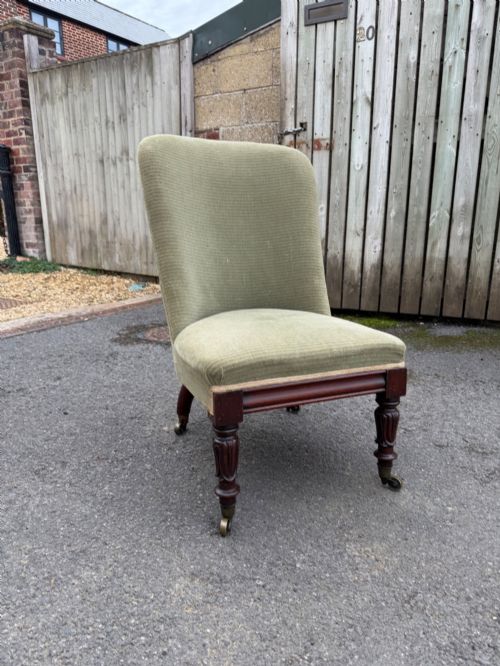
Georgian Carved Chair
When you search for a georgian carved chair, you enter a world of solid timber, confident joinery and restrained ornament that anchors any room.
Georgian Carved Chair
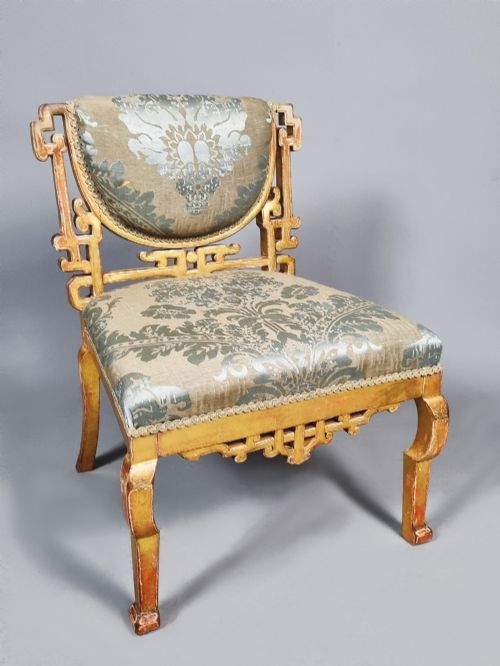
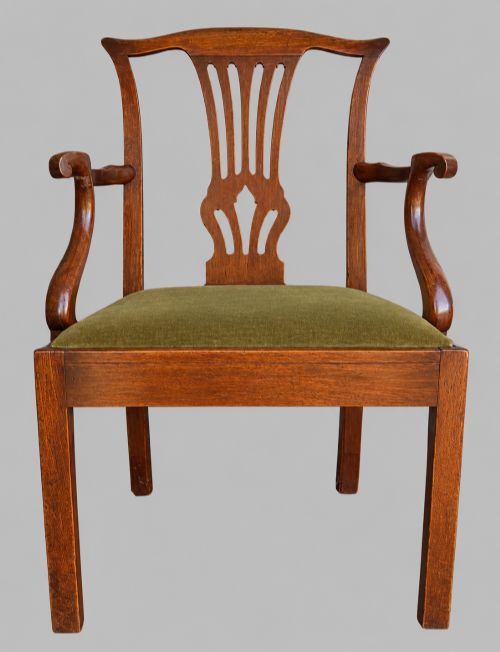
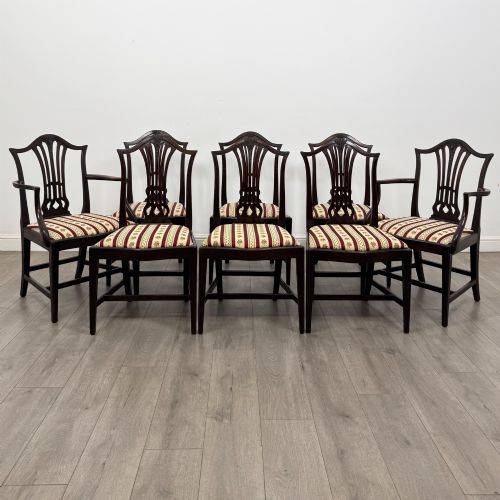
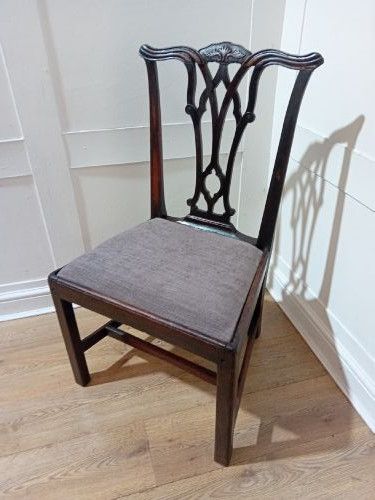
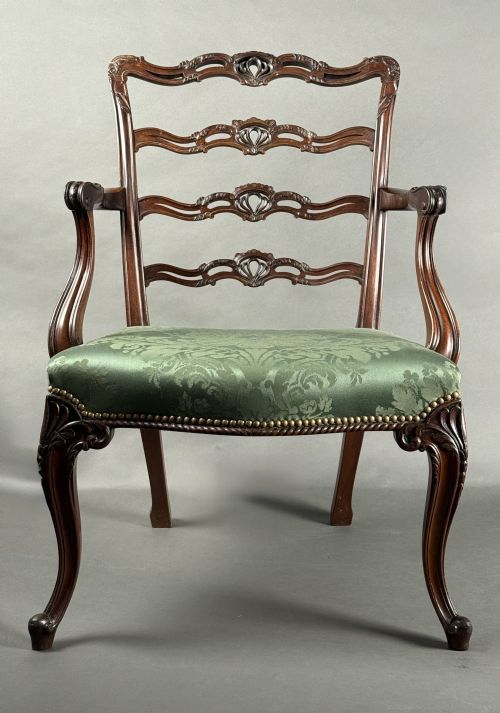
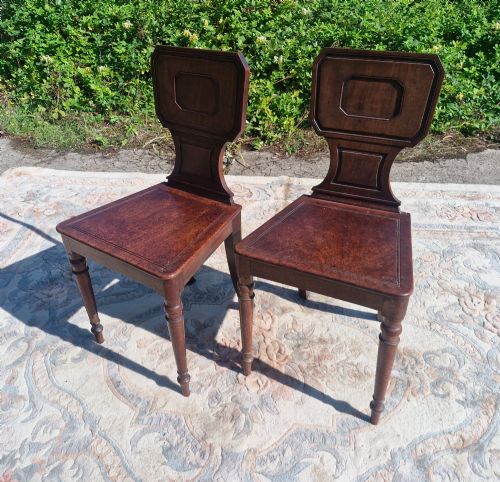
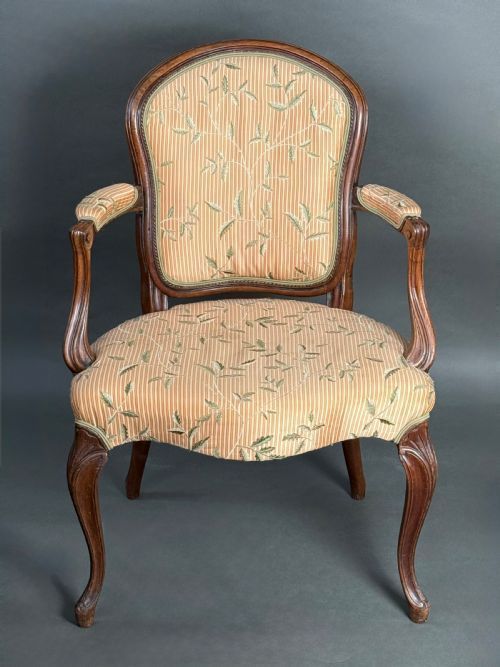
A georgian carved chair encompasses dining seats, armchairs, hall chairs and library pieces originating from the eighteenth century or following its distinct decorative vocabulary. Mahogany and oak form the backbone of these listings, spanning simple splat backs to elaborate ribbon-back or shield-back designs.
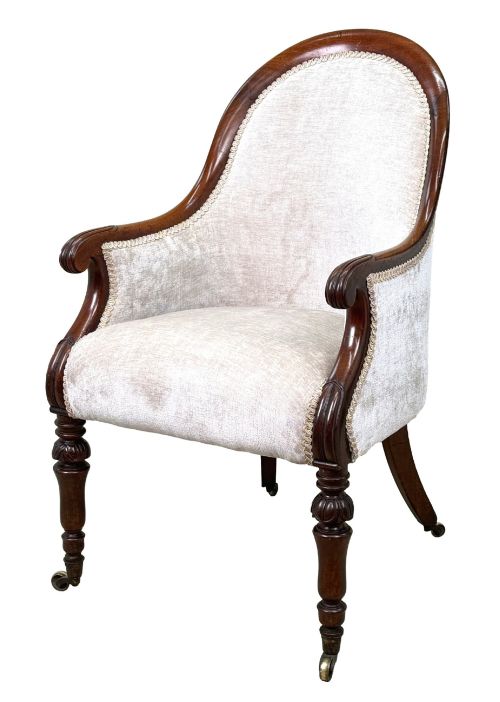
Buyers will most frequently encounter mahogany dining sets and single armchairs bearing regional traits from English, Scottish or Irish workshops. Revival interpretations from the nineteenth and early twentieth centuries also appear regularly alongside period originals.
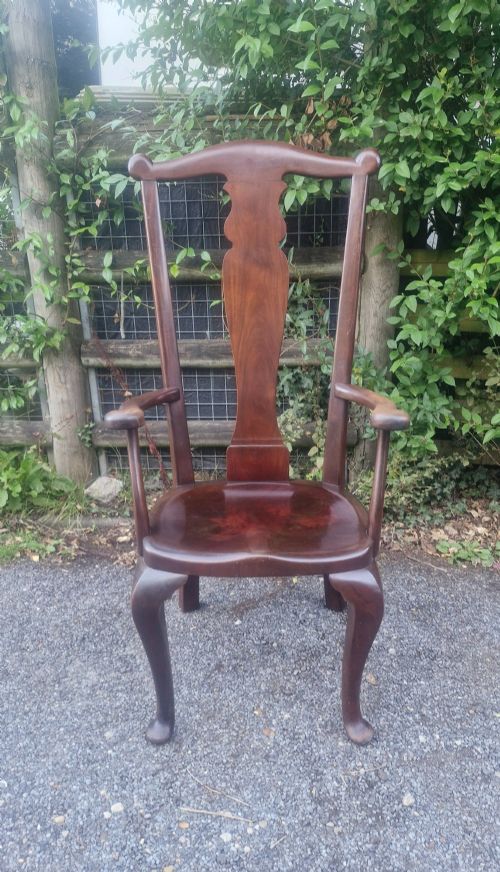
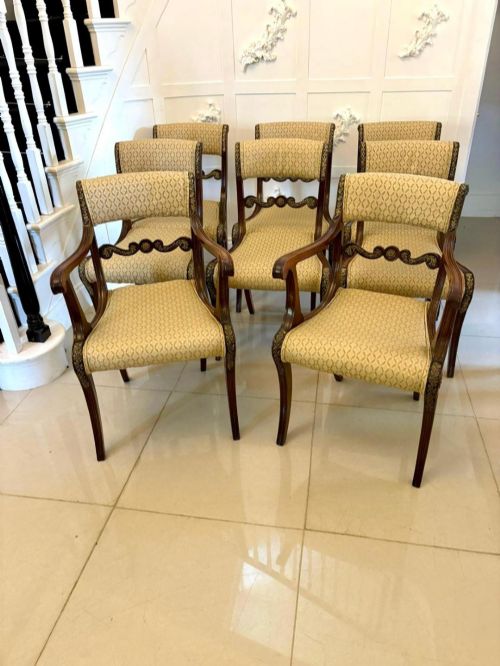
Forms range from sturdy oak wainscot armchairs to slender walnut cabriole-legged side chairs and brass-inlaid regency library seats. Each type serves a distinct domestic function while displaying the sculptural woodwork characteristic of the era.
Materials and construction
Cabinetmakers relied heavily on dense tropical hardwoods like Cuban and Honduras mahogany alongside native English oak and walnut. Timber selection prioritized straight grain for structural integrity in legs and stiles while allowing intricate hand-carving along crest rails and splats.
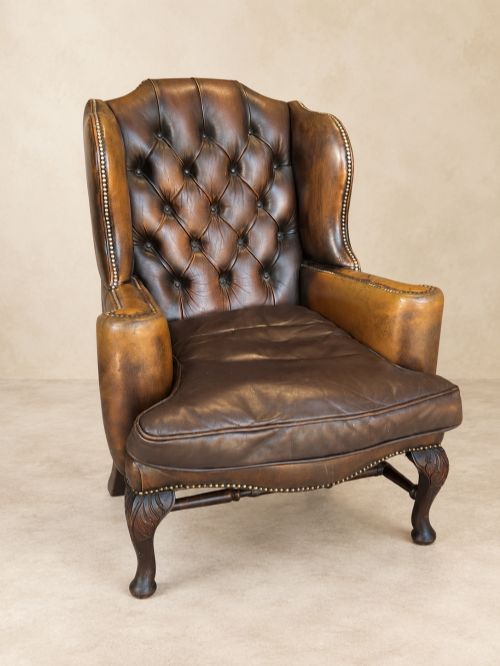
Joinery involved traditional mortise and tenon frames secured with wooden pins or concealed dowels. Upholstered variants utilised drop-in seats webbed and stuffed with horsehair or textiles, later covered in leather, velvet or patterned silk.
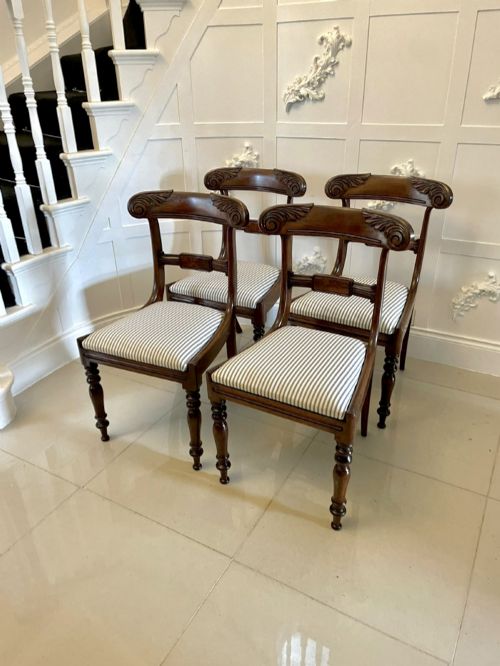
Listings feature eighteenth-century oak wainscot armchairs alongside nineteenth-century mahogany dining sets and regency library seating.
Judgments of quality
Depth and crispness of the hand-carving distinguish superior examples from plain production pieces, as skilled carvers achieved sharp undercut details on acanthus leaves and scrolls. Timber selection also dictates grade, with figured mahogany and richly grained walnut commanding greater presence.
Proportion and structural retention over centuries matter deeply; unaltered frames with original blocking and tight joints hold higher regard than heavily restored or Frankensteined seating.
Gillows·Waring and Gillow·Whytock and Reid
The Georgian Carved Chair Glossary
- Cabriole leg
- A furniture leg that bends outward in a convex curve and tapers inward to a foot, mimicking animal limbs.
- Splats
- The vertical wooden strip down the middle of a chair back, often pierced and intricately carved.
- Carver
- An armchair, particularly one designed for the head of a dining table to match surrounding single side chairs.
- Bar back
- A chair back featuring a horizontal concave wooden rail resembling a bar, common in later regency and william iv designs.
- Wainscot
- A heavy wooden armchair of joined construction, typically featuring panelled backs and solid wooden seats from earlier periods.
Georgian Carved Chair: Frequently Asked Questions
How do I identify a true period piece?
Examine the timber shrinkage, tool marks left by hand saws on unseen secondary woods, and the overall wear patterns around the feet and armrests. Period originals show natural oxidation and construction methods specific to eighteenth or early nineteenth-century cabinetmaking.
Compare the specific carving motifs and leg profiles against documented regional styles. Revival pieces from later eras often use machine assistance and standardised dimensions that differ from older workshops.
Can I use these chairs for daily dining?
Most solid mahogany and oak dining chairs remain structurally robust enough for regular use provided the joints are tight and stable. Periodic checking of the glue blocks and underframe ensures they handle modern weights safely.
Avoid placing antique leather or delicate silk upholstery in direct sunlight or heavy moisture. Professional conservation of webbing preserves the seating comfort without compromising the antique frame.
What is the difference between a side chair and a carver?
Side chairs are narrower dining seats built without arms designed to tuck neatly beside a table. Carvers feature open arms and slightly wider proportions, traditionally placed at the head and foot of the dining table.
Both styles share matching design motifs and leg forms when produced as part of a larger dining set. Pairing two carvers with six side chairs is a standard historical configuration found in these listings.
How should I care for antique wood?
Maintain stable indoor humidity and temperature to prevent timber shrinkage, splitting or veneer lifting. Apply microcrystalline wax sparingly to nourish the polished surface without building up sticky residue.
Keep wooden seating away from direct heat sources such as radiators and fireplaces. Gentle dusting with a dry lint-free cloth protects the original patina accumulated over centuries.