
Georgian Mahogany Accent Chair
A georgian mahogany accent chair brings rich timber tones and enduring craft into a room, offering both seating and strong period character.
Georgian Mahogany Accent Chair
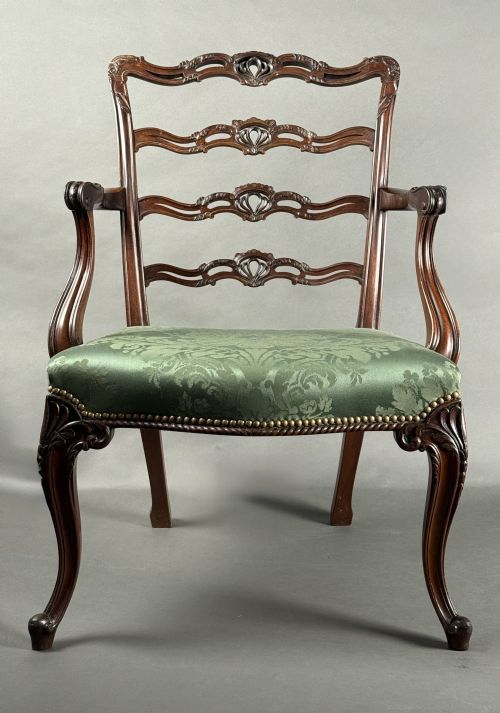
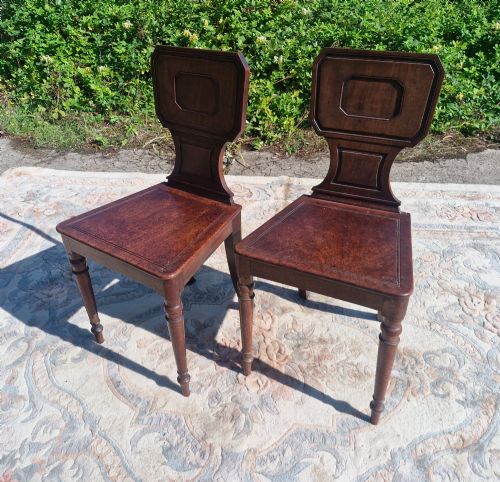
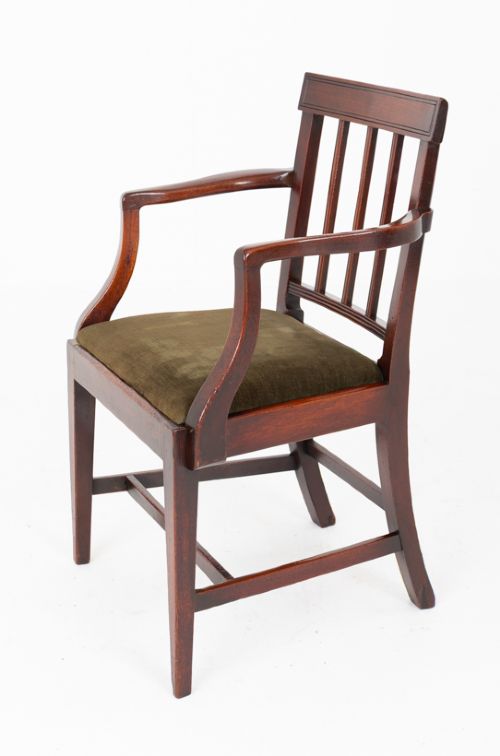
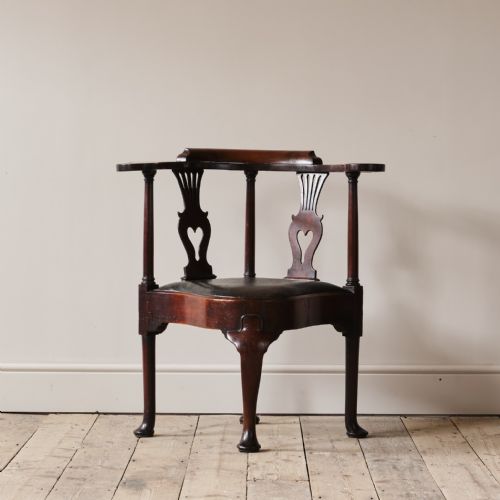
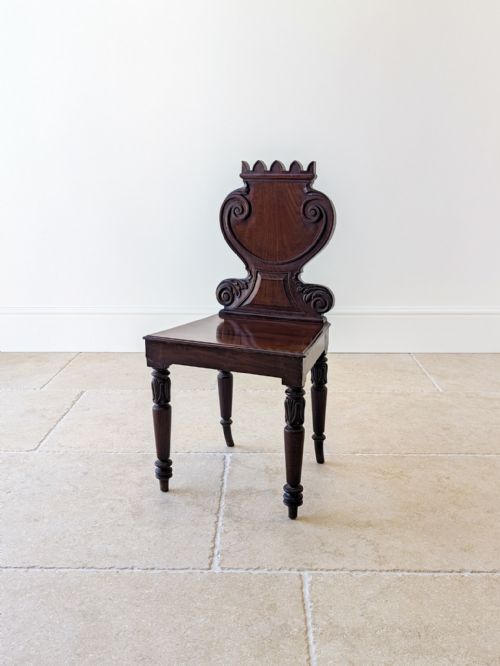
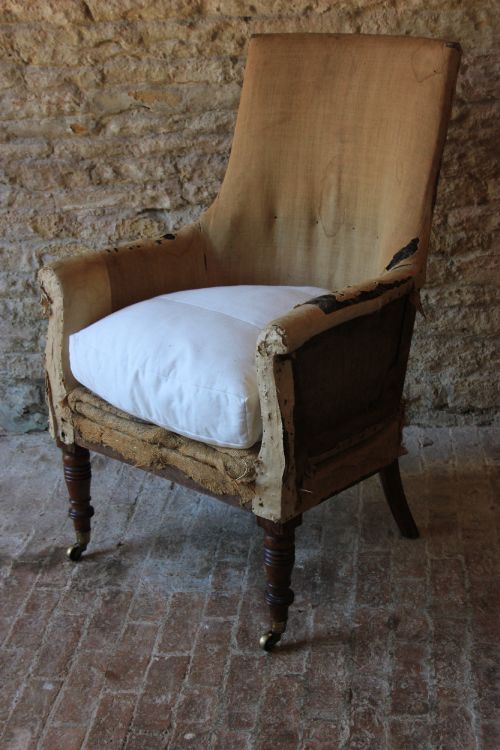
A georgian mahogany accent chair encompasses a variety of seating forms from the eighteenth and nineteenth centuries, including armchairs, side chairs, hall chairs, and library chairs. These items originate from periods spanning the Georgian era, Regency, and subsequent revival movements.
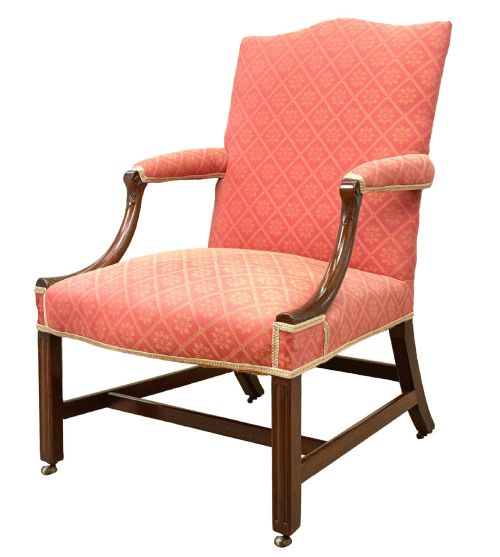
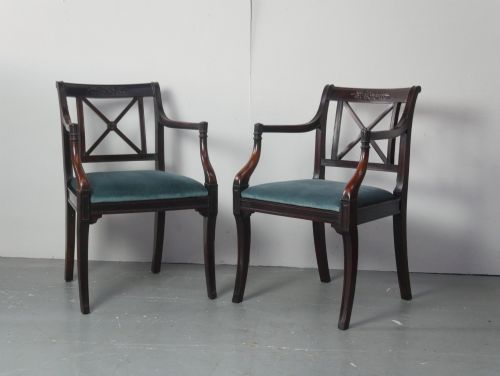
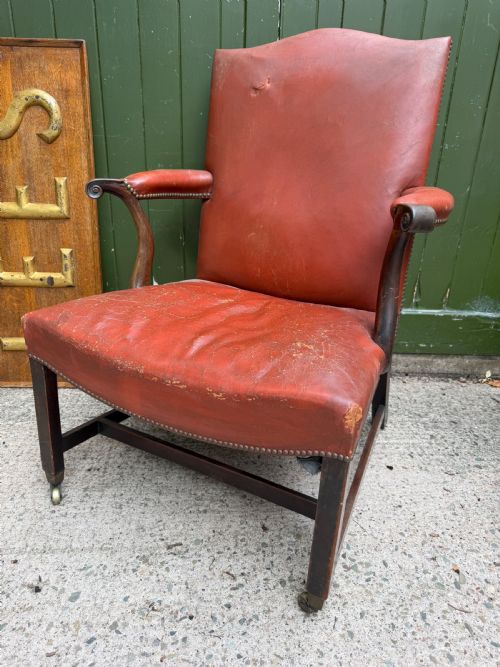
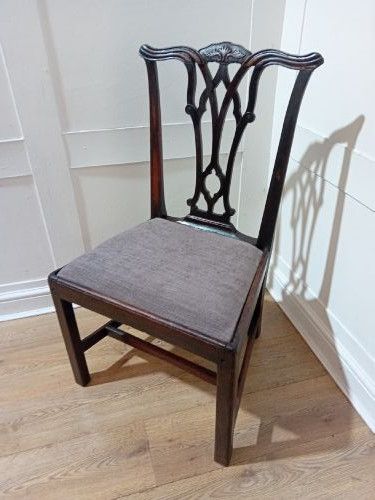
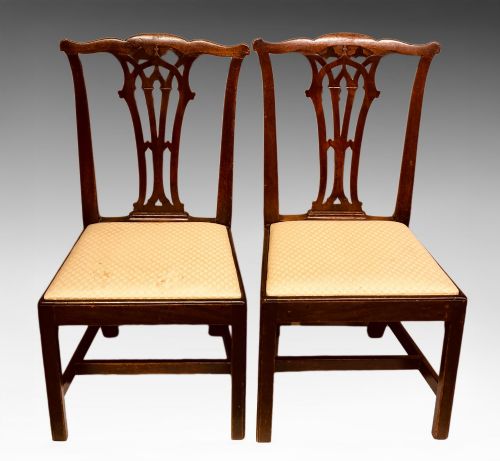
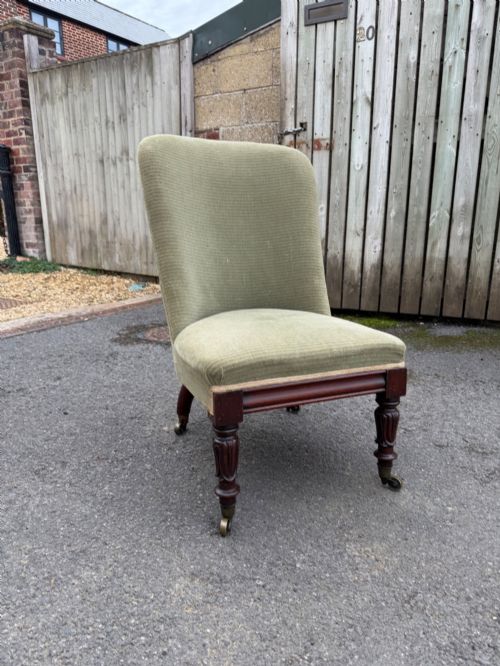
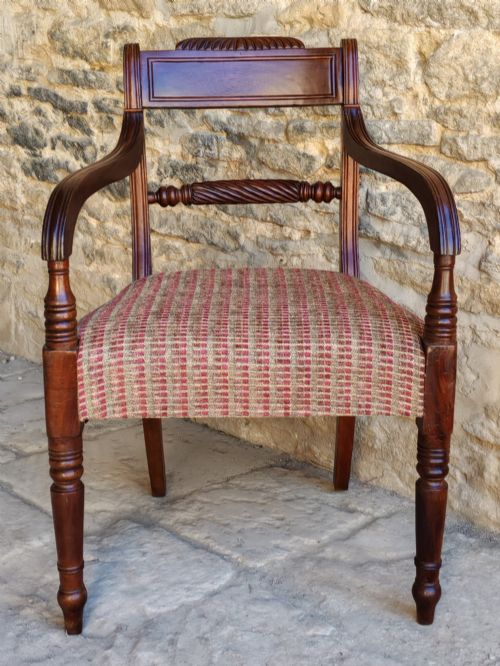
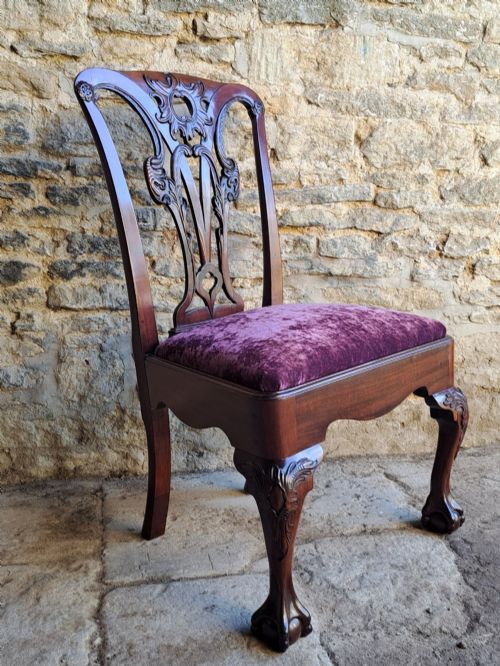
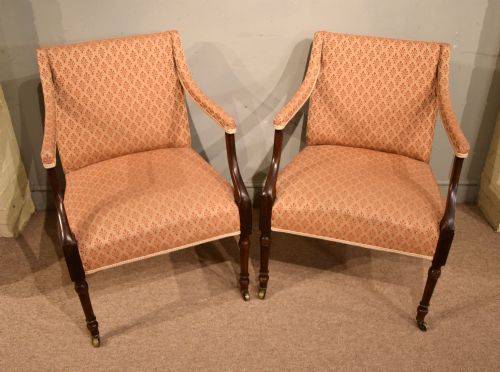
The version most commonly met on this page is the mahogany arm chair or side chair, often displaying stylistic influences associated with Chippendale, Hepplewhite, or the Regency period. Many examples feature timber frames paired with upholstered elements in leather, velvet, calico, or damask.
Makers and craftsmen of these centuries produced diverse seating designs tailored for parlours, libraries, and halls, utilising native and imported hardwoods. Today, these chairs function as decorative and practical additions to domestic interiors.
How they were made
Cabinetmakers constructed these frames primarily from mahogany, prized for its dense grain and durability, sometimes combined with secondary timbers for internal framing. Joinery relied on traditional mortise and tenon techniques to ensure structural stability without excessive metal fasteners.
Upholstered versions utilised webbing, stuffing materials, and coverings such as leather, horsehair, or fabric secured with brass tacks. Carved details on splats, rails, and legs were executed by hand using chisels and gouges to achieve styles like Chinese Chippendale or ropeback designs.
Listings feature items from the eighteenth and nineteenth centuries, including George II, George III, Regency, and William IV periods.
What varies in quality
The refinement of hand-carved ornamentation on the crest rails, splats, and cabriole or straight legs distinguishes finer examples from simpler vernacular pieces. Crispness in the execution of motifs such as ribbons, scrolls, or blind fretwork indicates superior workshop output.
The selection of figured mahogany timber with rich grain patterns elevates the visual merit of a piece. Additionally, the retention of original structural integrity and early upholstery foundations influences the overall character and historical standing of the chair.
The Georgian Mahogany Accent Chair Glossary
- Carver
- An armchair, usually designed with open arms to accommodate the wider clothing of the eighteenth century, often matching a set of single dining chairs.
- Gainsborough chair
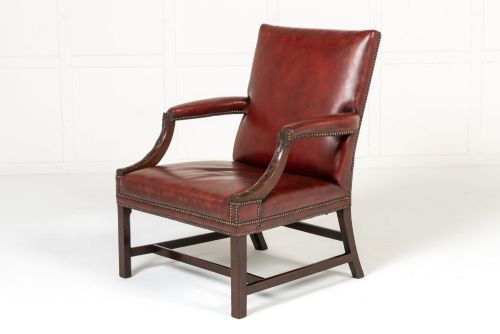
- A wide-seated, upholstered armchair with open padded arms, originating in the mid-eighteenth century and frequently used in libraries or studies.
- Ropeback
- A chair design featuring a carved top rail resembling a twisted rope, characteristic of the Regency period around eighteen hundred.
- Splat
- The vertical wooden strip down the centre of a chair back, often pierced and shaped in Chippendale or Hepplewhite styles.
- Drunkard's chair
- An eighteenth-century armchair featuring an unusually wide seat or distinctive proportions, traditionally associated with relaxed seating after dining.
Georgian Mahogany Accent Chair: Frequently Asked Questions
How do I identify a Georgian chair?
Examination of the timber, joinery techniques, and stylistic markers helps determine the period. Makers of the eighteenth century utilised solid mahogany and traditional hand-cut joinery.
Design motifs such as carved splats, ball and claw feet, or straight legs provide further clues to dating the item accurately within the Georgian timeline.
Were these chairs used for dining?
Many side chairs and armchairs served dining purposes, while others functioned as hall chairs, library seating, or salon accents. Armchairs were often placed at the heads of tables or in reception rooms.
Larger library chairs and wingbacks were intended for comfort in studies rather than formal dining settings.
What is a Gainsborough armchair?
A Gainsborough chair is a spacious upholstered armchair featuring short open arms and a square back. These pieces were designed for reading and writing in private libraries.
They typically stand on straight or cabriole legs and are upholstered in leather or fine fabrics.
How should I care for antique mahogany?
Maintaining antique mahogany involves keeping the timber away from direct heat sources and strong sunlight to prevent drying and fading. Regular dusting with a soft, dry cloth preserves the polished surface.
Application of appropriate waxes can nourish the wood periodically without building up excessive residue.