
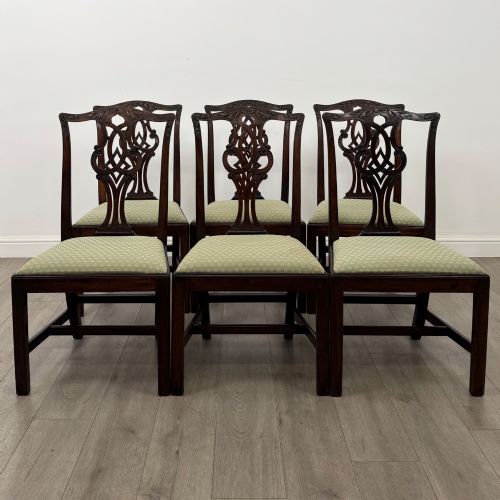
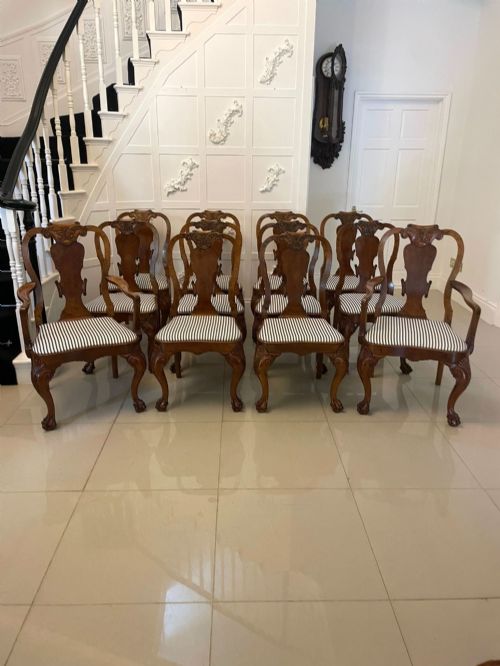
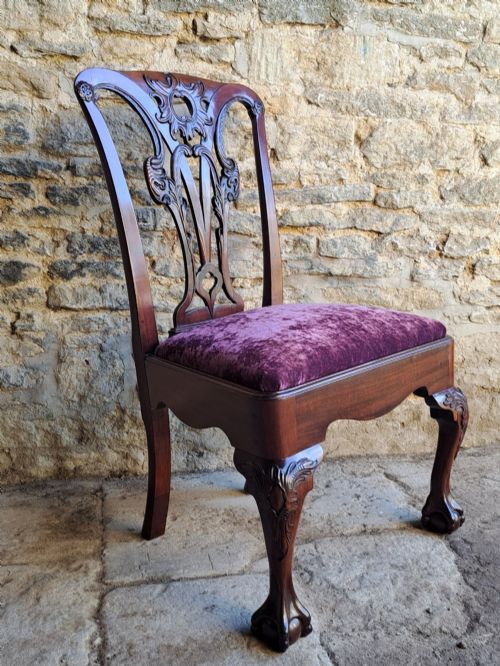
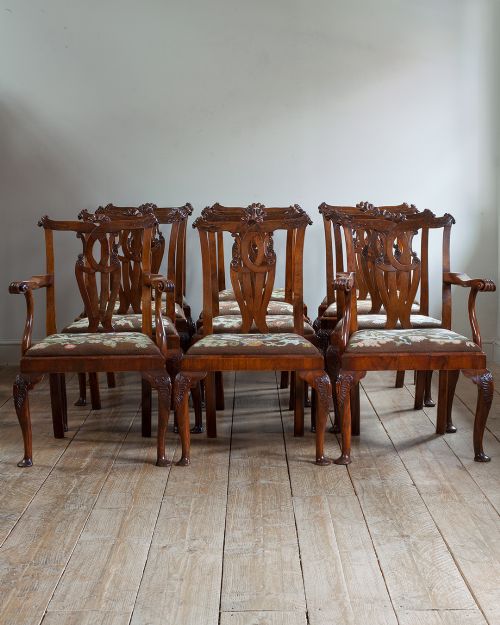

Chippendale Carved Side Chair
A chippendale carved side chair brings eighteenth-century elegance into a modern room, offering distinct carving and sturdy timber.
Chippendale Carved Side Chair
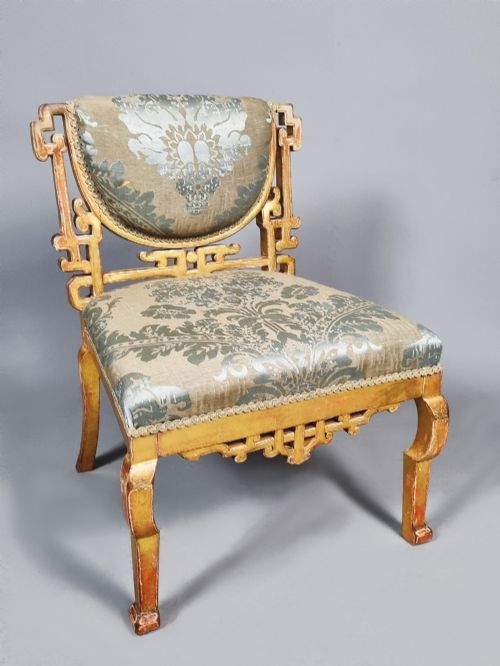
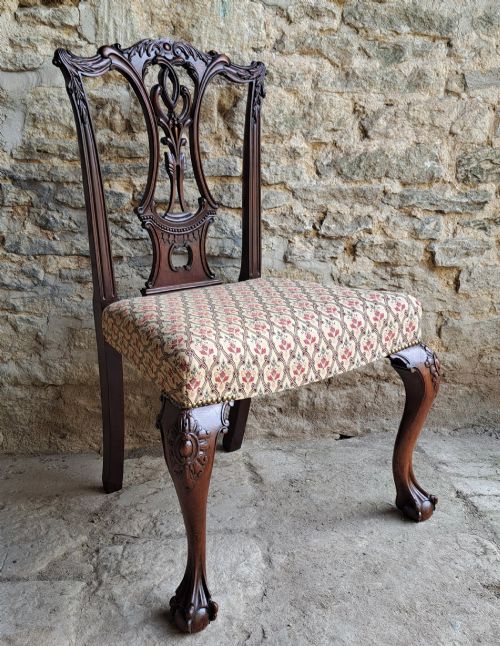
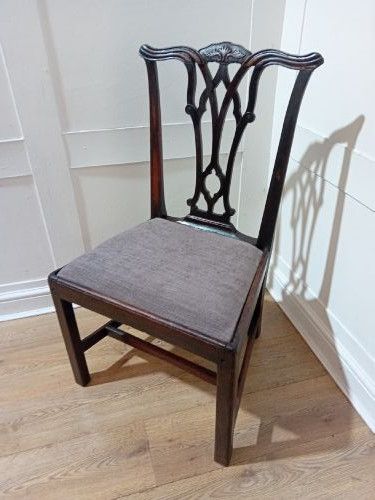
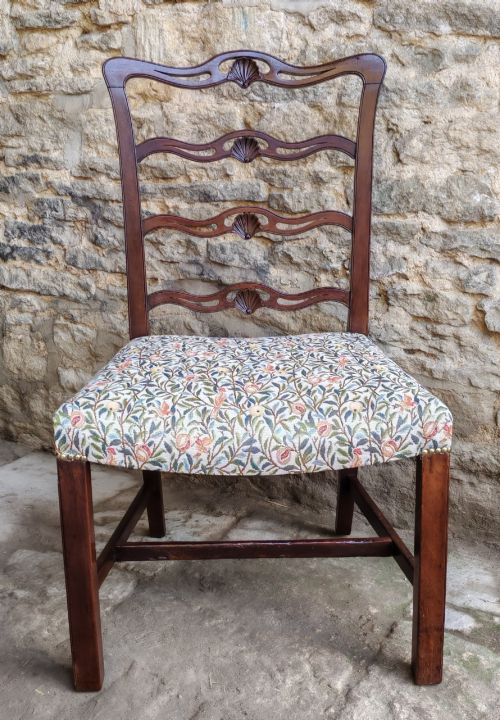
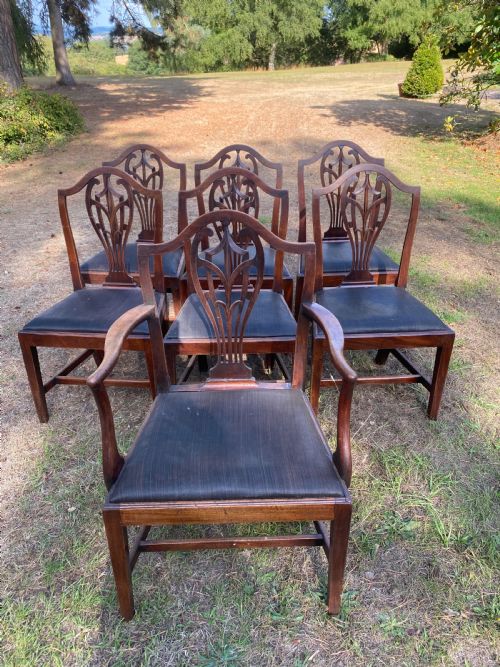
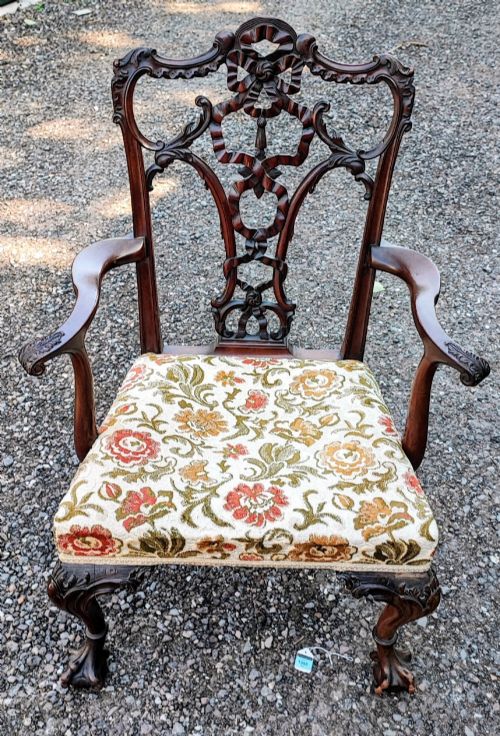
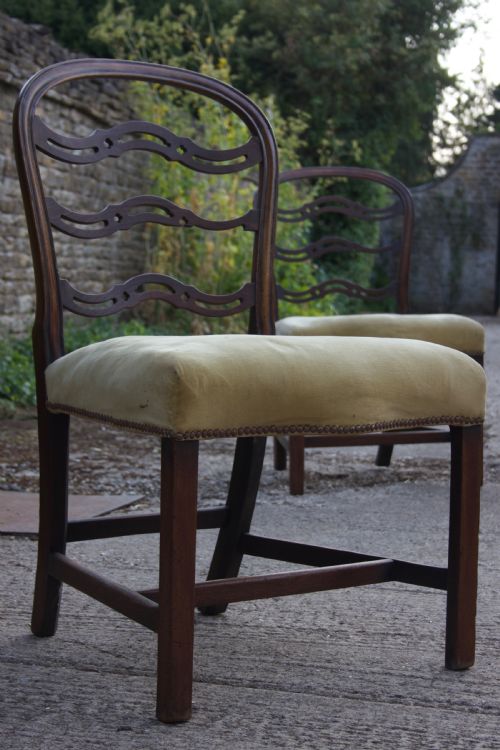
A chippendale carved side chair is a seat designed without arms, intended originally for dining rooms and halls during the Georgian period and later revived in Victorian and Edwardian times. The selection on this page ranges from authentic mid-eighteenth-century examples to later Chippendale revival interpretations.
How they were made
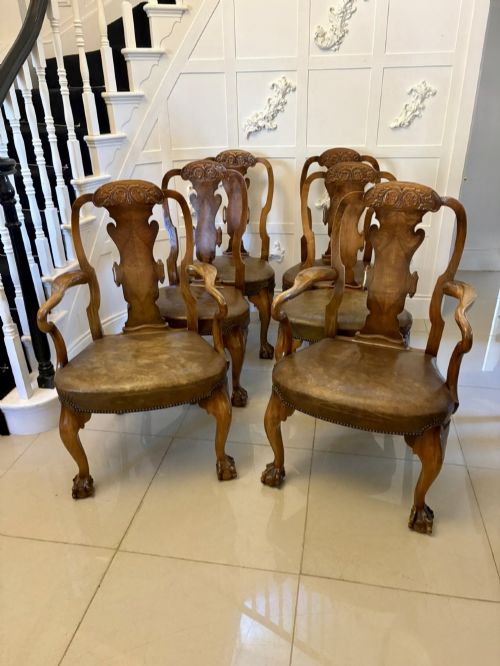
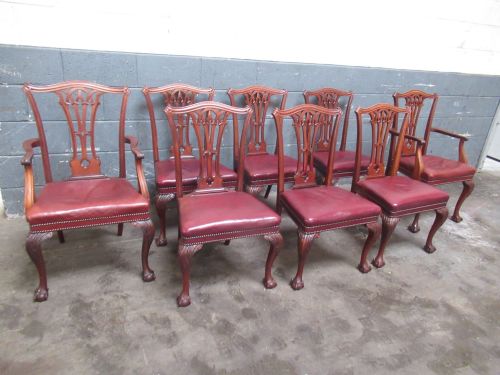
Cabinetmakers worked predominantly in dense timbers like mahogany and walnut, occasionally using oak, carving the splats and top rails by hand. Seats were upholstered in leather, fabric, or tapestry, secured with brass tacks.
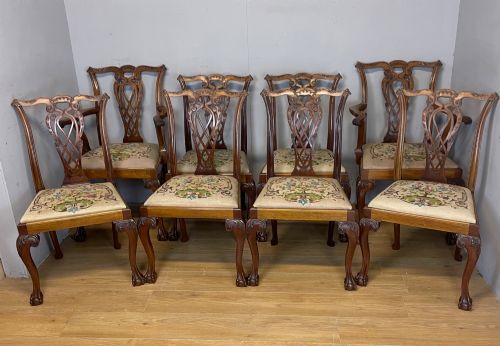
Revival pieces from later centuries applied these traditional joinery and carving methods to reproduce the distinctive pierced splats and cabriole legs of the original period.
One listed item is specifically designated as an oak gossip chair, designed for seated conversation in Edwardian hallways.
What varies in quality
The standard of a chippendale carved side chair rests on the crispness of the hand carving along the crest rail and the depth of detail in the pierced splat. Early eighteenth-century originals demonstrate tighter joinery and finer grain selection in the timber.
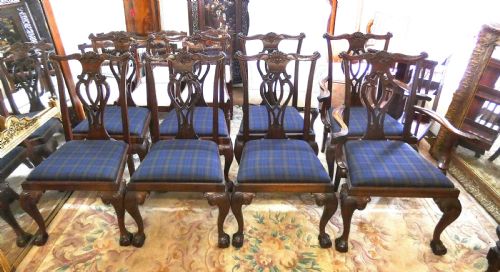
Later revival sets vary according to the consistency of the carving across multiple chairs and whether the upholstery retains its original materials.
Waugh and Son·Warings·Wheelers of Arncroach
The Chippendale Carved Side Chair Glossary
- Pierced splat
- The central vertical slat of a chair back, cut through to form an openwork pattern. This is a defining characteristic of many mid-eighteenth-century seating designs.
- Crest rail
- The uppermost horizontal member of a chair back. It often bears the primary carved ornamentation.
- Cabriole leg
- A furniture leg that curves outward at the knee and tapers inward toward the ankle, ending in a foot. It echoes animal forms common in Georgian design.
- Giltwood
- Wood that has been covered with a thin layer of gold leaf. It appears on high-status decorative furnishings from the Georgian and later eras.
Chippendale Carved Side Chair: Frequently Asked Questions
Are these chairs comfortable for daily dining?
Most antique side chairs were built with upright wooden backs and firm upholstered drop-in seats, offering a supportive posture rather than a deep lounge experience.
Buyers often pair sets of these chairs with modern dining tables to mix historical character with everyday function.
How do I spot a revival piece?
Revival chairs usually date from the late nineteenth or early twentieth century, showing machine-assisted uniformity in the timber and standardised carving.
Examining the underside and the wear patterns on the wood helps distinguish an eighteenth-century original from a Victorian copy.
Can I mix different sets together?
Mixing single side chairs or smaller pairs around a larger table creates a collected, eclectic look that reflects historic dining habits.
Matching timber tones such as mahogany or walnut helps unify chairs gathered from different periods.
What maintenance do antique chairs require?
Regular dusting with a dry cloth and occasional application of appropriate wood wax keeps the timber finish nourished without building up residue.
Upholstered drop-in seats can be easily recovered if the existing fabric or leather shows wear.