
Georgian Burr Walnut
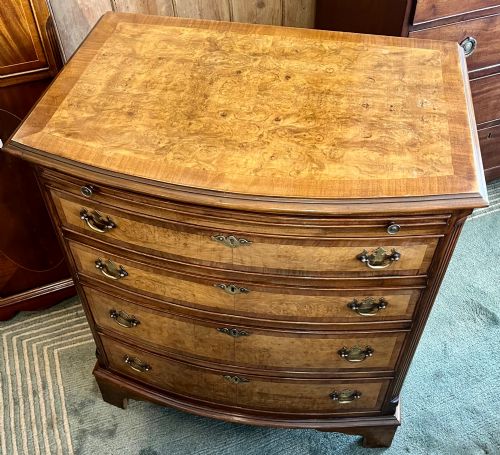
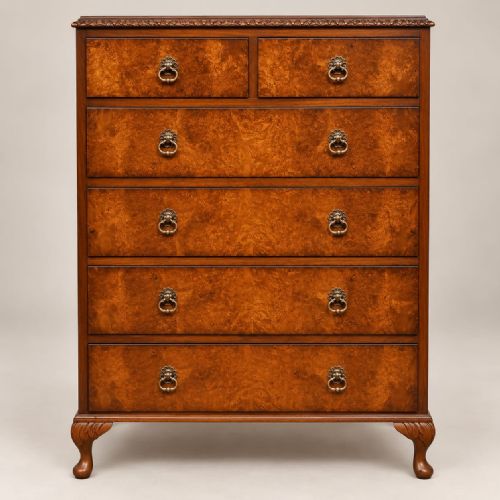
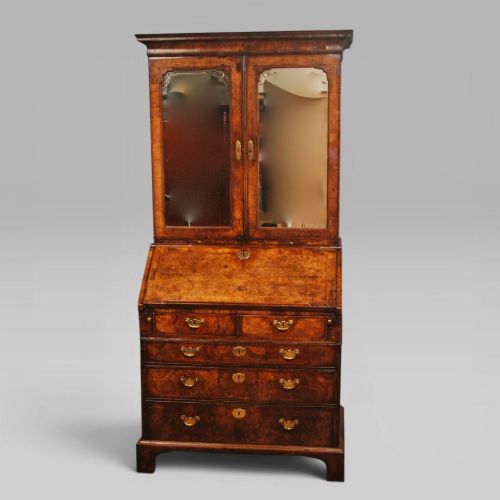
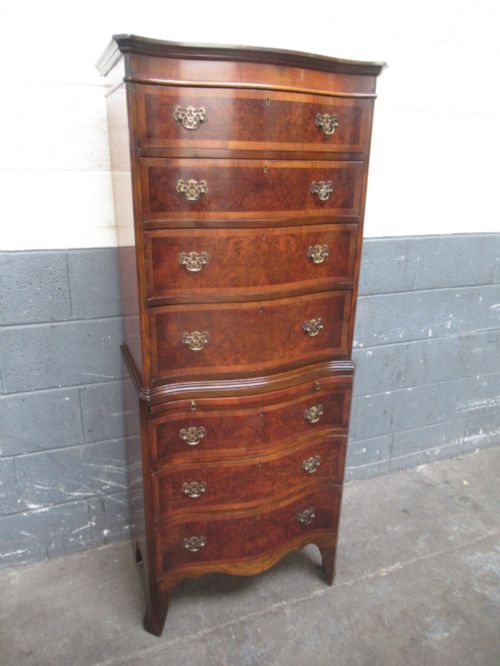
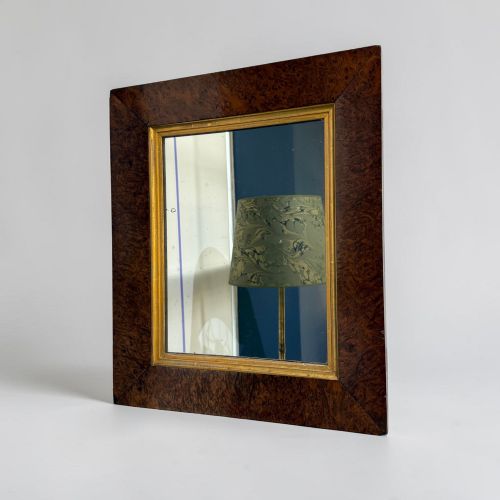
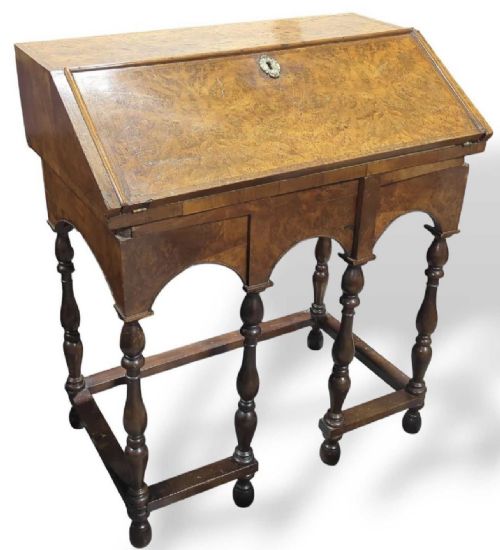
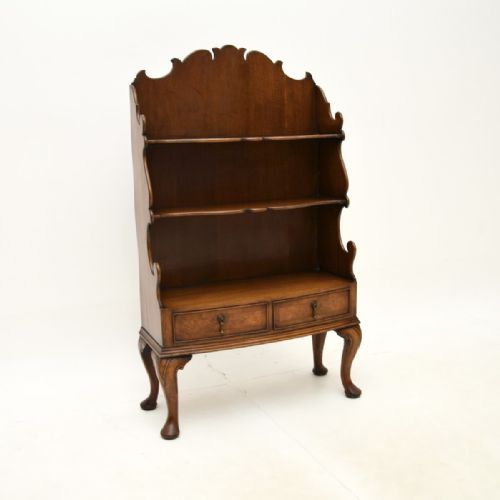
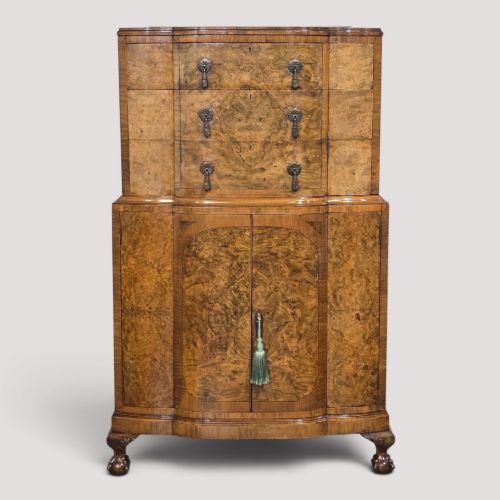
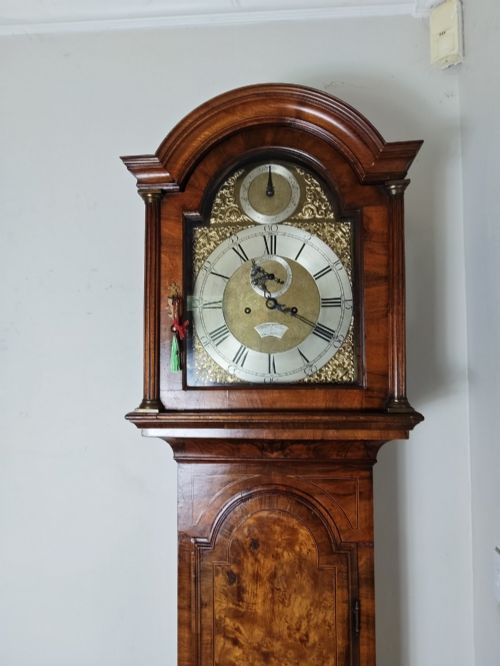
When you explore georgian burr walnut, you encounter figured timber cabinets, desks and tables valued for their swirling grain patterns.
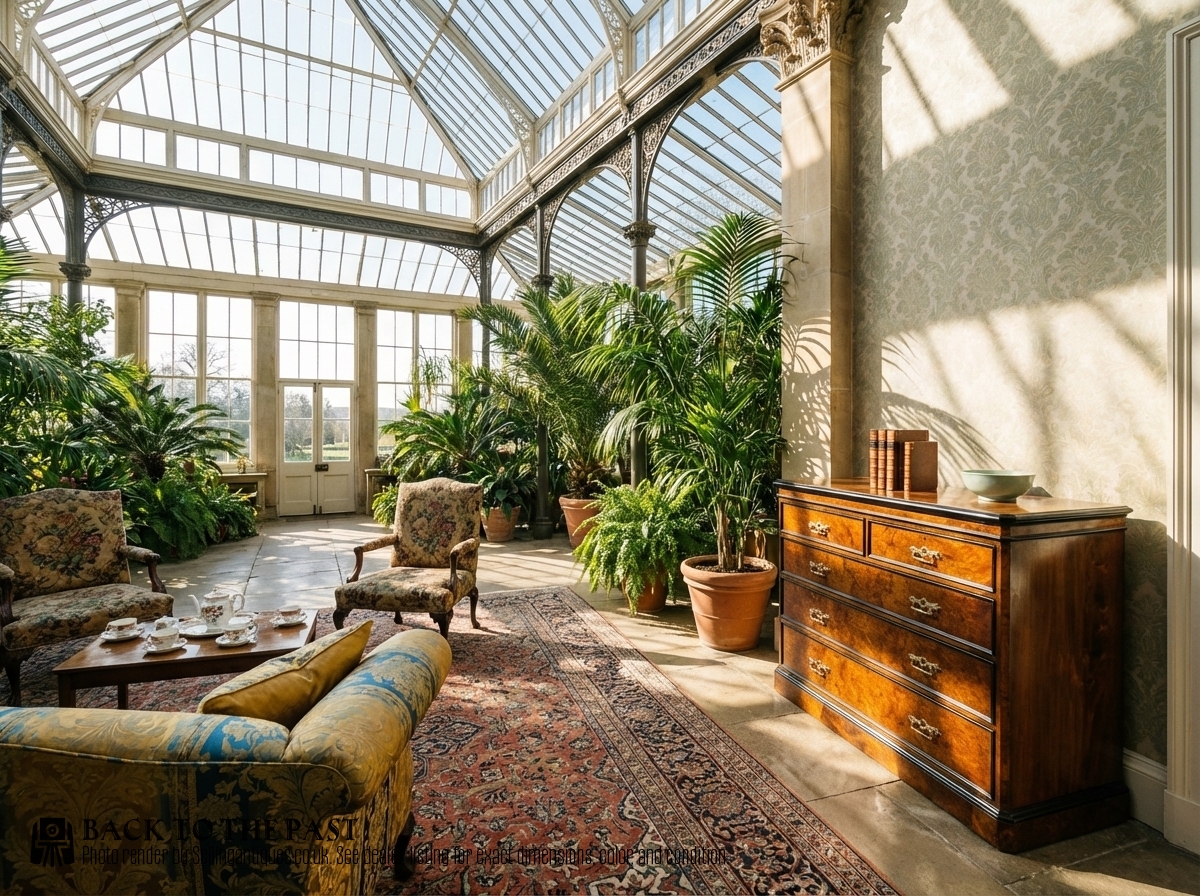
Georgian Burr Walnut
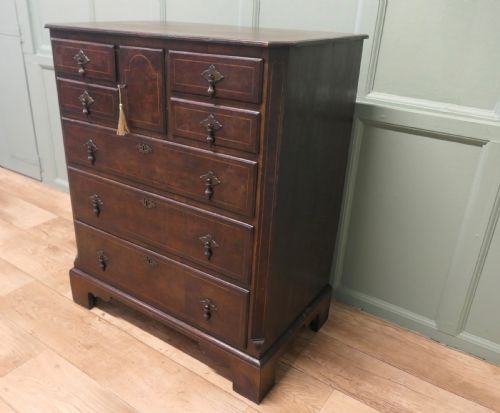
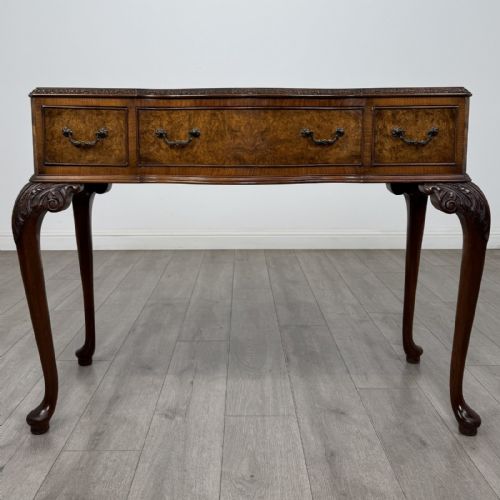
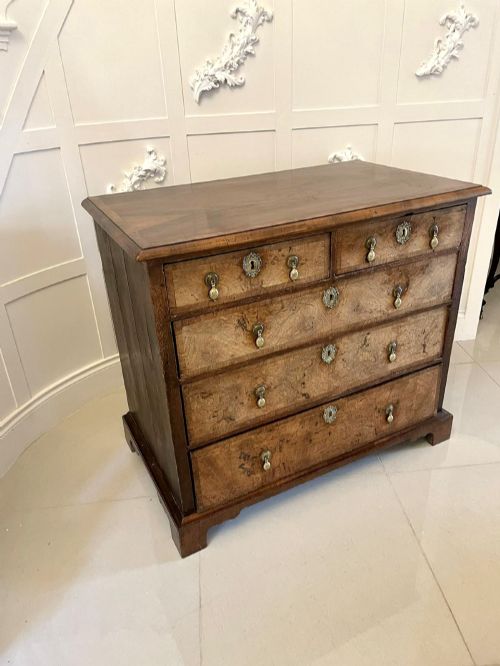
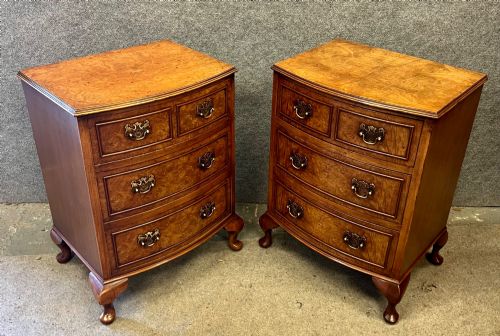
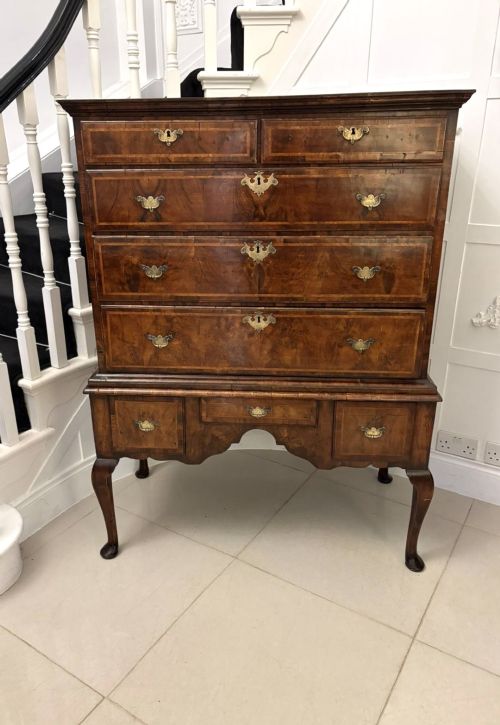
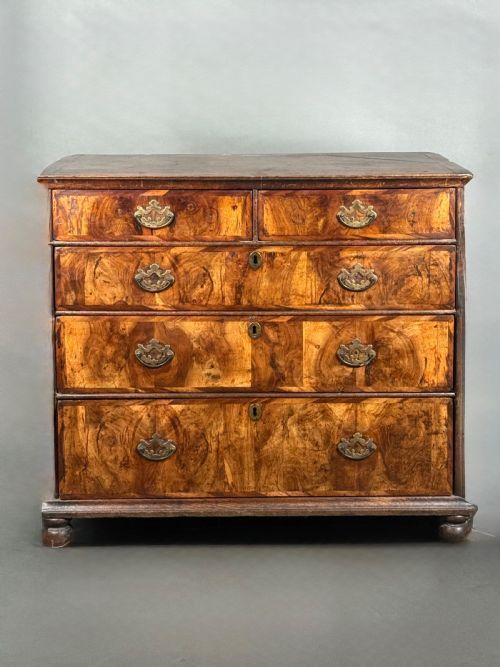
Items associated with georgian burr walnut span practical household furniture created for storage and writing, including chests of drawers, bureaux, lowboys and writing desks.
A significant portion of the selection comprises period pieces alongside later revivals from the twentieth century executed in historical styles.
Buyers frequently select these forms to introduce rich wood figures into traditional and modern interiors alike.
How they were made
Cabinetmakers applied thin slices of burr walnut veneer over secondary woods like oak and pine to showcase intricate knot patterns.
Detailed decoration often involved crossbanding, herringbone inlay and featherbanding to frame the swirling grain.
Hardware typically consisted of cast brass handles and escutcheons suited to drawer fronts and desk lids.
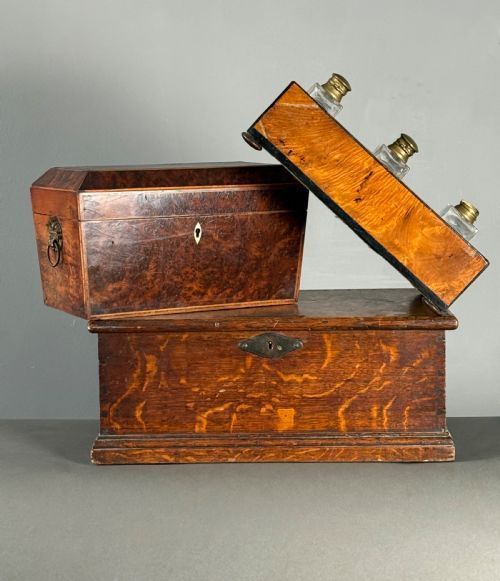
Listings feature items spanning the seventeenth century through to the mid-twentieth century, incorporating oak, brass, leather and burr walnut veneer.
What varies in quality
The visual impact depends largely on the density and symmetry of the burr figuring across the principal surfaces.
Construction standards reveal themselves in the precision of the veneer matching and the integrity of secondary timbers used inside drawers.
The Georgian Burr Walnut Glossary
- Burr walnut
- A wood harvested from walnut tree growths that produces highly figured, swirling grain patterns. It requires careful slicing into veneer for furniture surfaces.
- Crossbanding
- A decorative technique where veneer strips are laid perpendicular to the main grain. This creates a contrasting border around drawer fronts or tabletops.
- Bureau bookcase
- A writing cabinet featuring a sloping desk flap that folds down above drawers, surmounted by a glazed or panelled shelving section. These combine storage and workspace.
- Lowboy
- A small side table fitted with one or more tiers of drawers, commonly supported on slender legs. They served various domestic functions in period rooms.
- Featherbanding
- An inlay method using small diagonal veneer slips arranged to form a chevron or herringbone motif. It outlines panels with precision.
Georgian Burr Walnut: Frequently Asked Questions
How do I care for burr walnut furniture?
Keep these items away from direct sunlight and heat sources to prevent the wood veneer from drying out or splitting over time. Regular dusting with a soft, dry cloth maintains the polished finish without requiring heavy chemical polishes.
Maintain stable room humidity levels to protect the underlying timbers and the historic glues used in veneer application. Gentle handling of drawers and writing flaps ensures the longevity of original joints.
Where were these pieces used in a home?
Desks and bureau bookcases typically furnished studies, libraries or private sitting rooms for correspondence and record-keeping. Chests of drawers and commodes provided essential bedroom storage for clothing and linens.
Smaller tables and lowboys functioned in hallways and reception rooms as decorative display surfaces or auxiliary tables.
What is the difference between period and revival pieces?
Period items date directly to the eighteenth century or earlier eras, displaying construction methods and material ageing consistent with that time. They carry the marks of extensive domestic use.
Revival pieces date from later periods like the early twentieth century, constructed using historical designs and burr veneers while employing contemporary workshop techniques.
How can I identify different furniture forms?
Chests of drawers feature stacked horizontal storage compartments, whereas bureaux incorporate a hinged writing flap that opens to reveal internal pigeonholes and small drawers. Lowboys appear as compact tables with integrated drawers beneath the surface.
Desks often provide dedicated kneeholes or leather-lined writing inserts intended for seated tasks.