

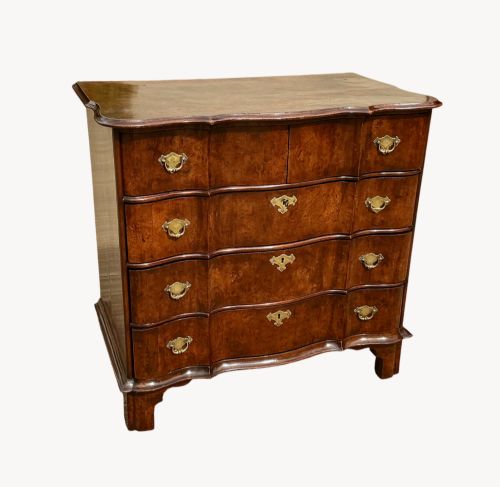
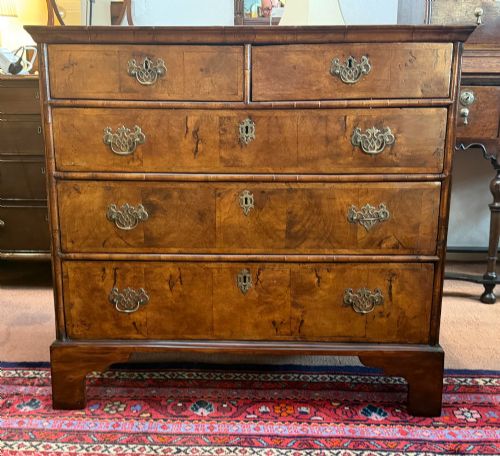
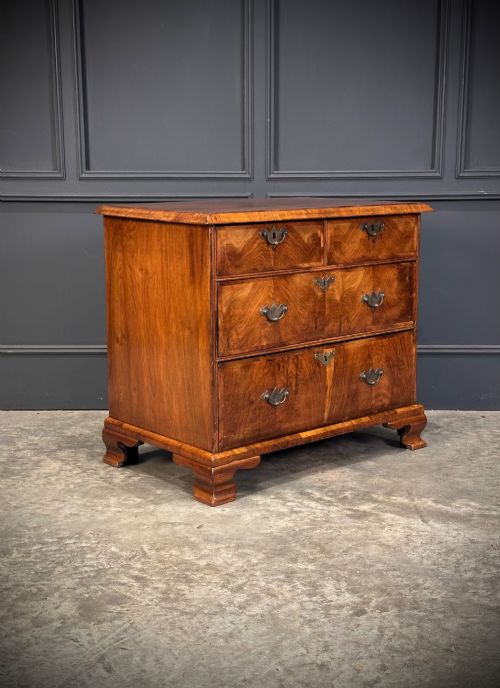
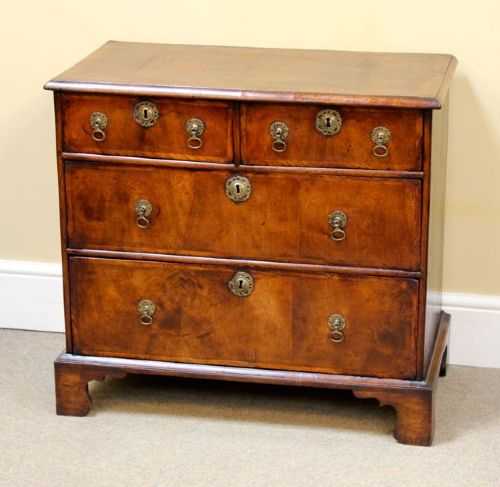
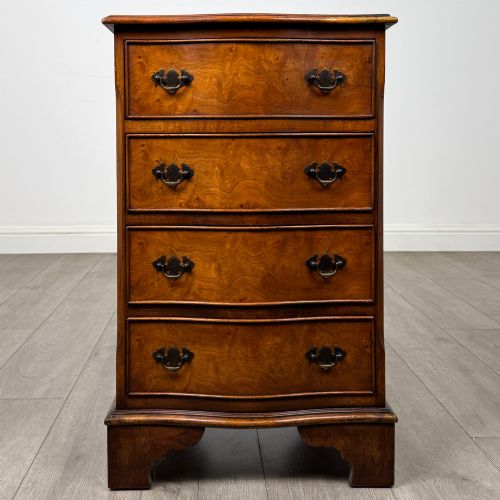
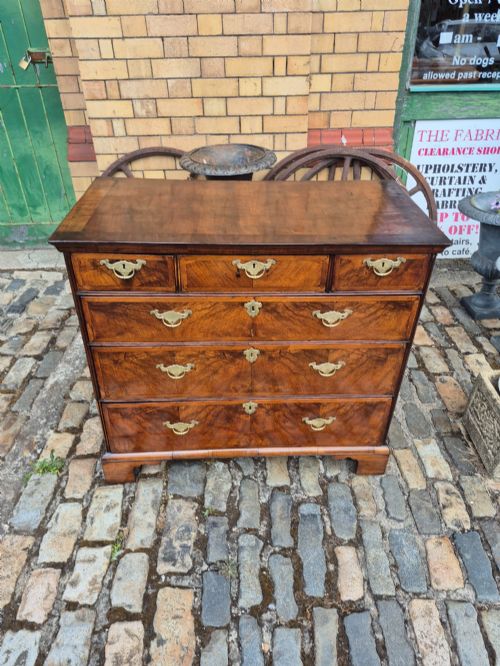
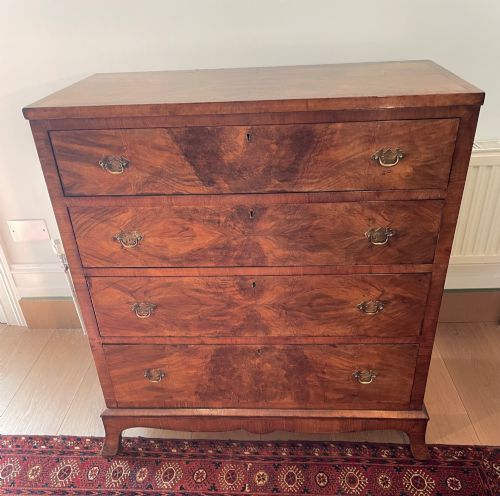
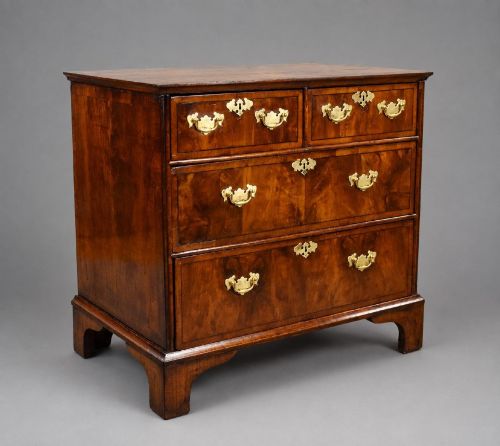
Georgian Burr Walnut Commode
A georgian burr walnut commode brings magnificent timber grain and refined storage to a room, showing the artistry of eighteenth-century cabinet making.
Georgian Burr Walnut Commode
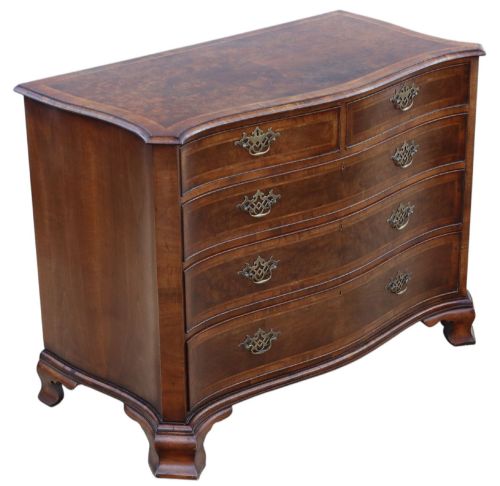
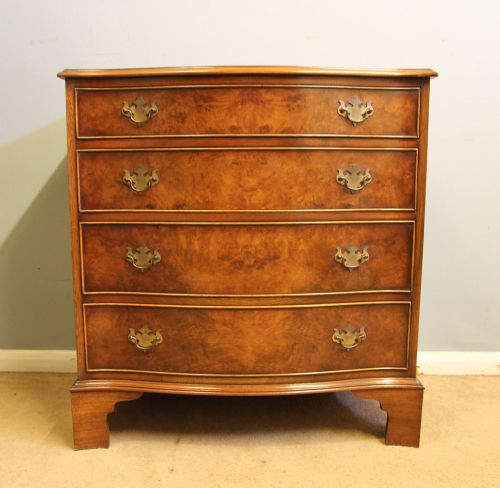
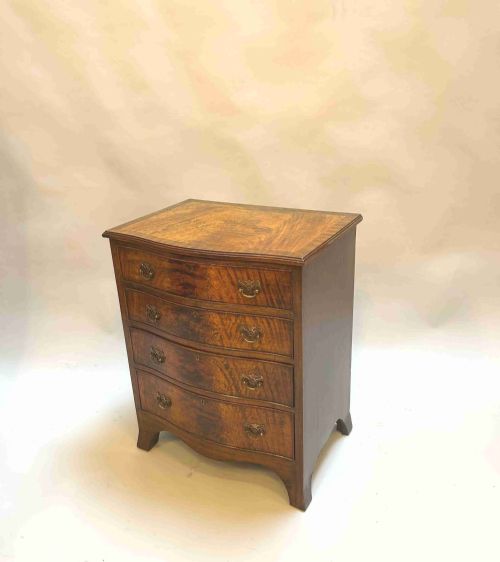
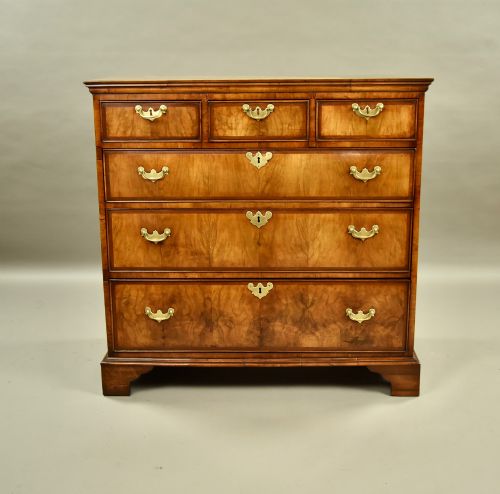
When you search for a georgian burr walnut commode, you encounter a sophisticated form of case furniture designed to hold garments and valuables. These items serve primarily as chests of drawers, often taking serpentine or bow front shapes alongside traditional straight profiles.
The pieces appearing on this page span several eras, originating from the eighteenth century through to later revival periods in the twentieth century. While authentic eighteenth-century examples command intense interest, later iterations from the nineteen-twenties and thirties also populate the selection.
Makers fashioned these chests in various proportions, ranging from small miniature furniture and bedside cabinets up to large tall chests. Oak and pine frequently form the secondary woods inside these carcases, hidden beneath the decorative exterior veneers.
What varies in quality
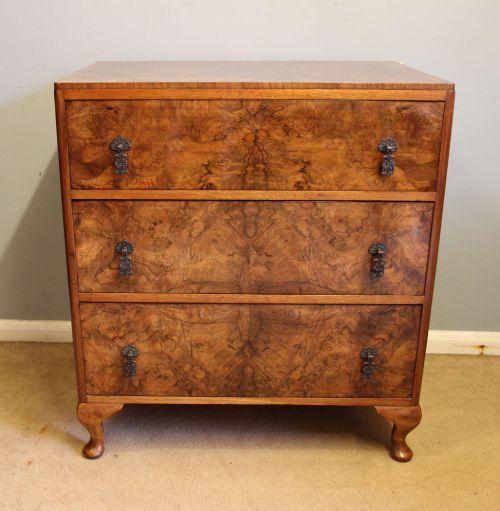
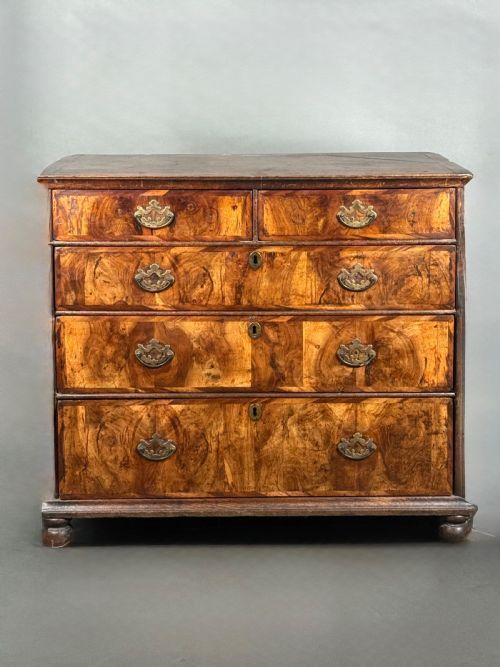
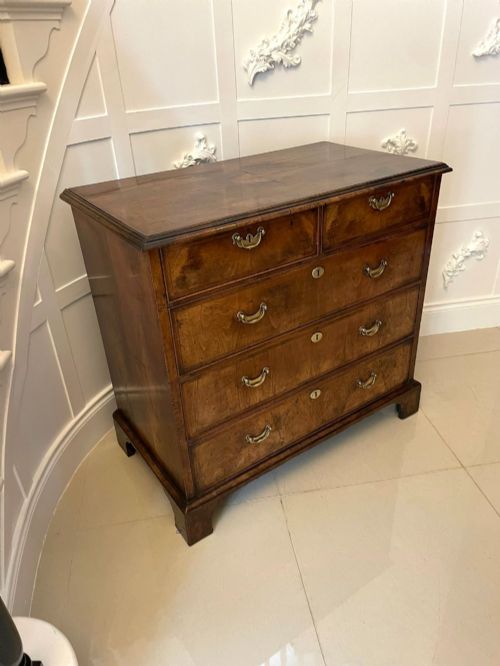
The richness and density of the burr walnut grain pattern heavily dictate the visual appeal of a commode. Highly figured timber displays intricate swirls and knots that elevate the aesthetic standing of the piece.
Construction methods and timber selection within the secondary woods show the original maker's skill. Expertly fitted drawer linings made of clean oak alongside crisp crossbanding indicate superior workshop standards.
Current listings feature pieces spanning the eighteenth century through to the nineteen-thirties, incorporating both solid walnut and oak carcases.
The Georgian Burr Walnut Commode Glossary
- Burr walnut
- A prized timber harvested from walnut tree growths, featuring swirling, mottled patterns that create highly decorative furniture surfaces.
- Serpentine
- A curved shape on the front of a chest of drawers that sweeps outward in the centre and inward at the sides.
- Crossbanding
- A decorative technique where a border of veneer is applied around the edges of a panel with the grain running perpendicular to the centre.
- Bow front
- A convex, outward-curving front profile found on certain chests of drawers.
- Escutcheon
- A protective plate surrounding the keyhole of a drawer or cabinet door, frequently cast in brass.
Georgian Burr Walnut Commode: Frequently Asked Questions
How do I spot a true eighteenth century commode?
Examine the secondary woods inside the drawers, such as oak or pine, and look for hand-cut dovetails that show age and handmade execution. Eighteenth-century pieces also display distinct patination and timber shrinkage consistent with centuries of use.
Check the construction of the backboards and drawer bottoms to ensure they align with period methods. Walnut veneers from this era were thicker and applied with organic glues that age differently from modern adhesives.
What is the difference between a chest and a commode?
While the terms are often used interchangeably in modern antique trade, a commode traditionally refers to a low, ornate cabinet or chest of drawers. Eighteenth-century examples often feature decorative serpentine fronts and refined proportions.
Chests of drawers can cover a broader range of heights and utilitarian designs, whereas commodes generally lean towards decorative elegance for formal rooms.
Where should I place a walnut commode at home?
Position your chest in a hallway, bedroom, or living room away from direct sunlight and heat sources. Walnut timber is sensitive to rapid temperature shifts and intense light, which can dry out the wood and fade the burr figure.
Ensure the floor is level so the drawers open and close smoothly without twisting the antique carcase.
How do I care for burr walnut veneer?
Dust the surface regularly with a soft, dry cloth and apply a quality beeswax periodically to nourish the timber. Avoid using modern silicone sprays or household cleaners that can damage the antique finish and soften the old polish.
Maintain a stable indoor humidity level to prevent the delicate burr walnut veneer from lifting or cracking over time.