


Georgian Bureau Cabinet Top
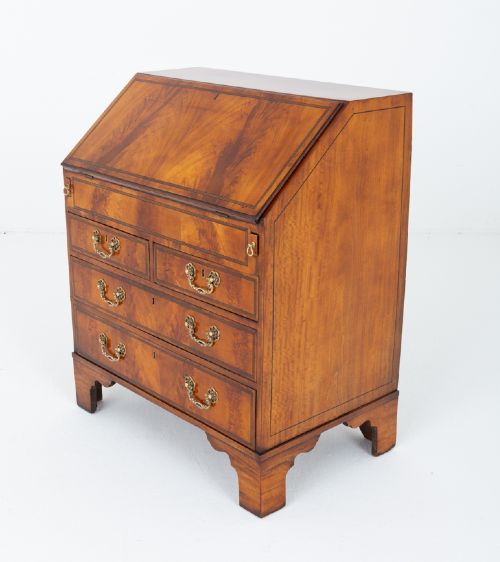
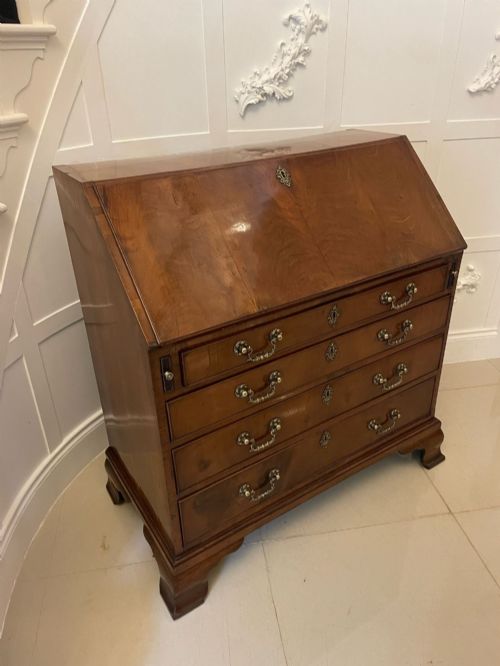
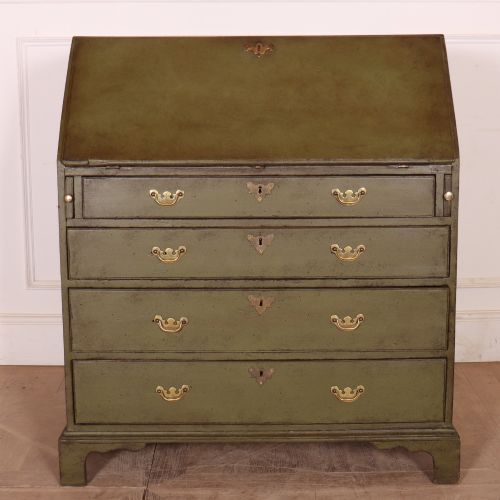
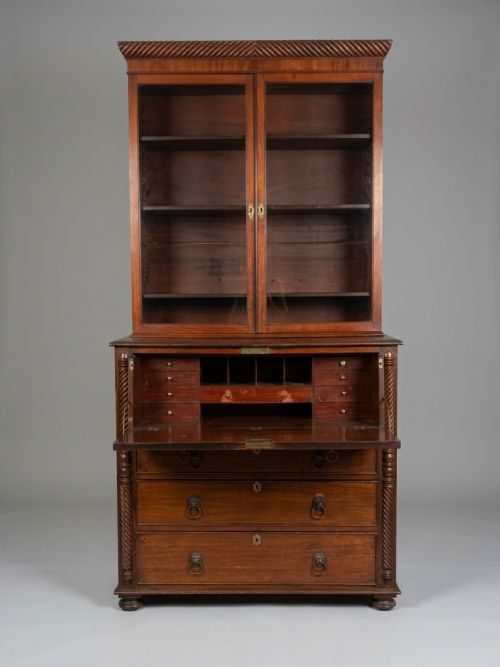
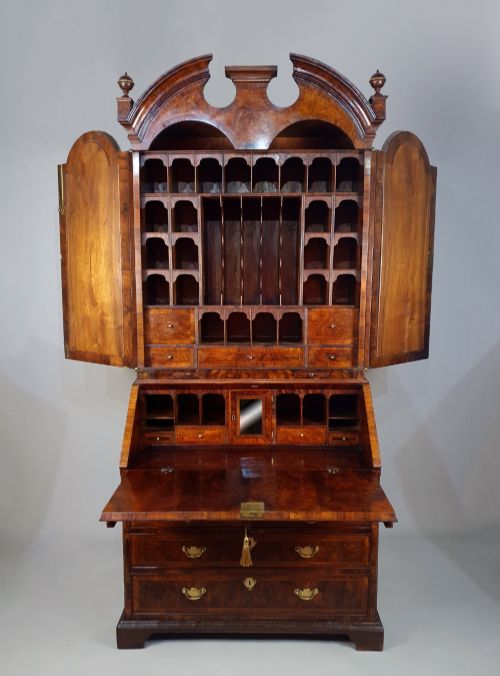
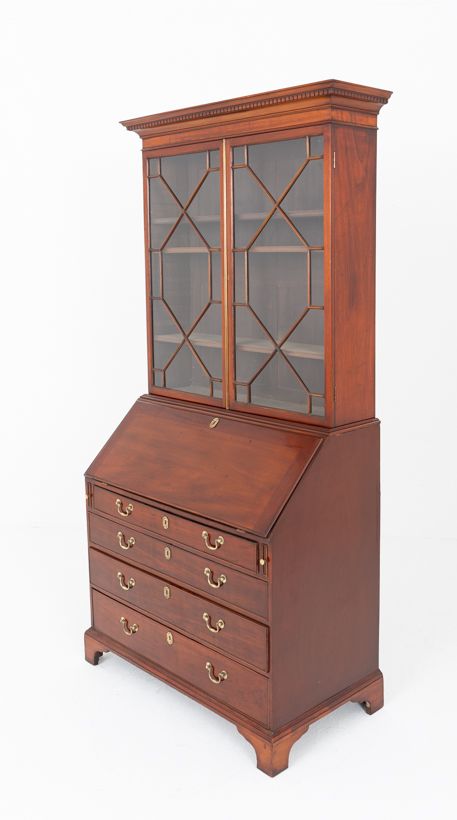
A georgian bureau cabinet top unites architectural presence with practical storage, offering a fitted interior behind glazed or solid doors.
Georgian Bureau Cabinet Top
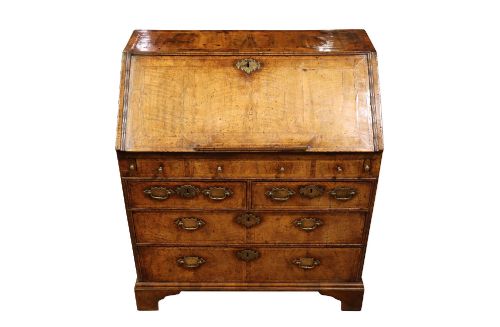
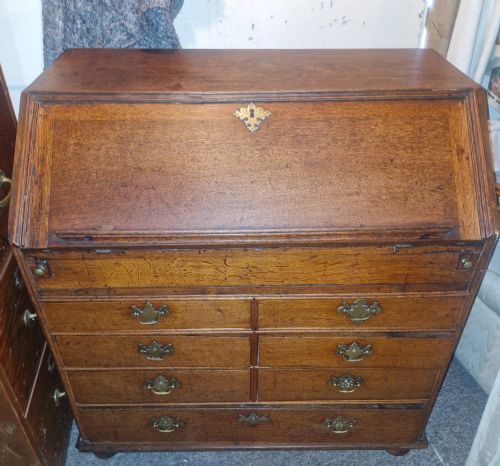
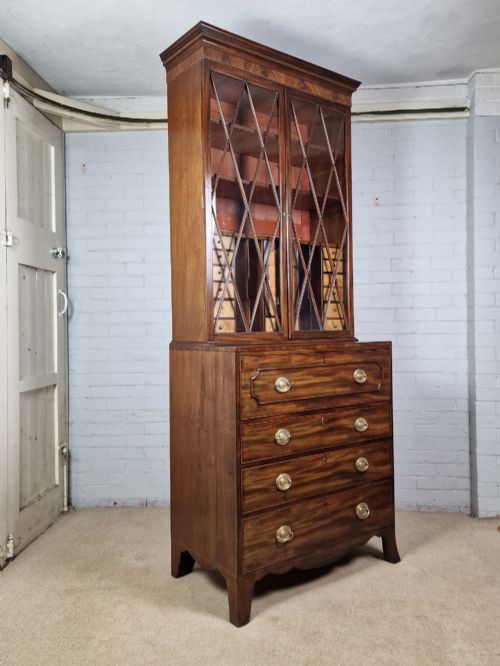
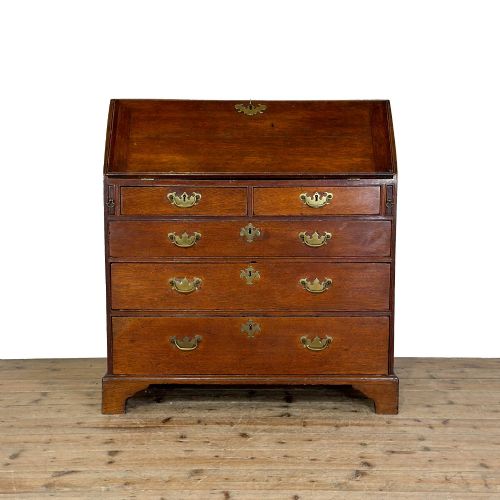
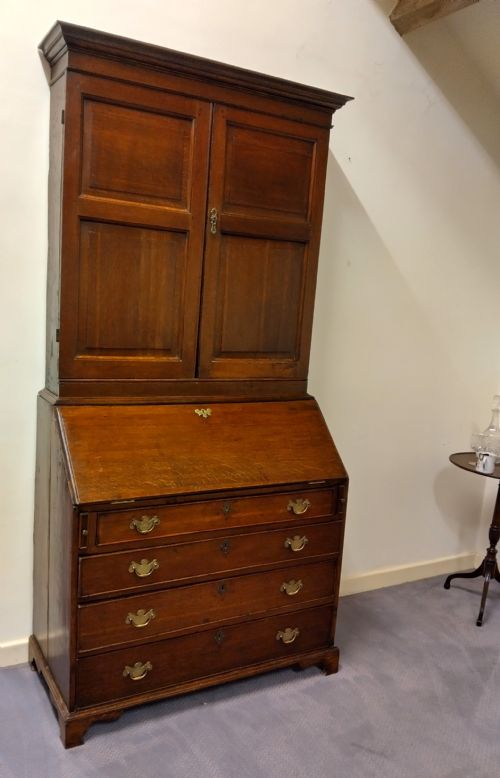
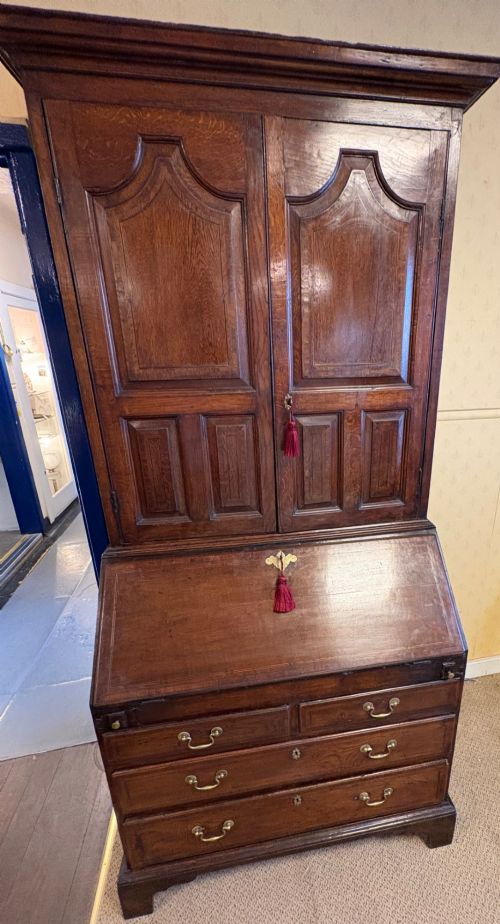
When you search for a georgian bureau cabinet top, you encounter case furniture designed for writing and display, frequently combining a lower desk section with an upper bookcase or cabinet. The most common examples span the eighteenth century and the Regency period, though earlier seventeenth-century styles and later Edwardian revivals also appear.
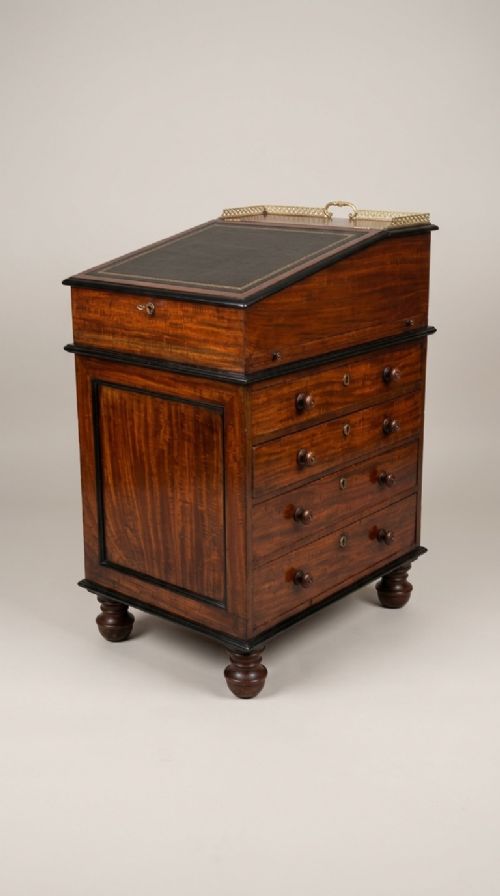
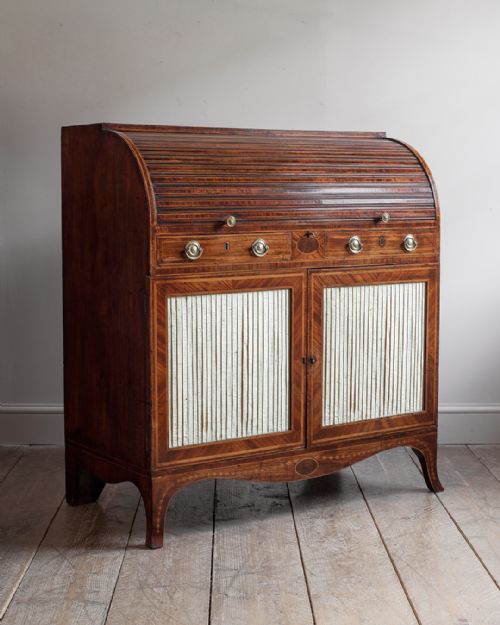
These pieces encompass bureau bookcases, secretaire bookcases, cylinder cabinets, and Davenport desks. Materials range from solid oak and walnut to figured mahogany, satinwood, and burr walnut, often featuring detailed crossbanding or herringbone inlay.
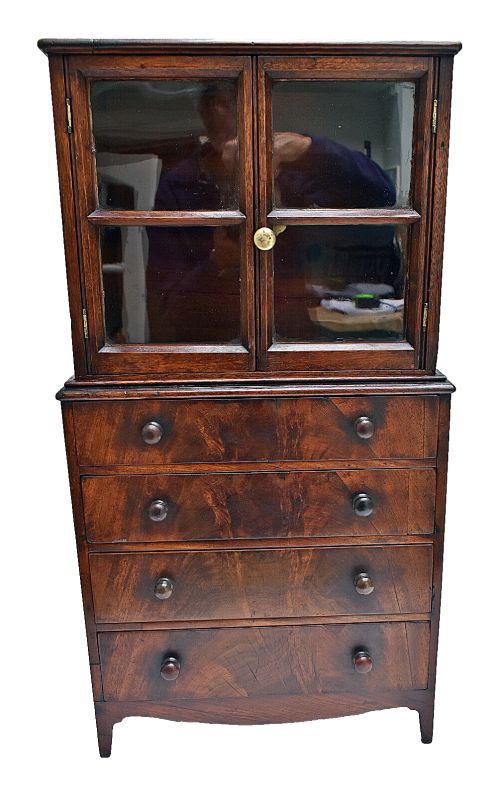
The upper sections typically feature glazed doors for displaying books or porcelain, whilst lower portions provide fitted writing compartments with pigeonholes and small drawers. Occasional vernacular or regional pieces offer simpler lines, contrasting with the sophisticated architectural pediments of high-style urban workshops.
Construction and Materials
Cabinet makers relied primarily on mahogany, oak, and walnut, selecting dense timbers for structural stability and figured veneers for decorative surfaces. Secondary woods like deal or pine frequently appear on internal drawer linings and backboards.
Joinery techniques included dovetailed drawer construction and mortise and tenon frames, ensuring the heavy upper bookcase remained secure atop the lower desk. Fine brass hardware, including drop handles, escutcheons, and hinges, completed the assembly of these multi-section pieces.
Georgian Bureau Cabinet Top Retail Price Guide 2026
Typical asking prices for georgian bureau cabinet top among the pieces listed under this phrase on Sellingantiques today, from the lower quarter to the upper quarter. They describe what is for sale here now, not the wider market.
One remarkably adaptable early oak bureau bookcase managed to transition from holding calfskin folios to concealing a modern television.
Judging Quality and Execution
The sophistication of the internal fittings distinguishes standard utilitarian furniture from exceptional cabinet work. Secret compartments, stepped pigeonholes, and finely carved prospect doors demonstrate the hand of a skilled maker.
Figure matching across drawer fronts and cabinet doors reveals the maker's mastery of veneer selection. Continuous grain patterns and crisp inlay work elevate the visual harmony of the piece, whilst clumsy timber substitution or heavy alterations detract from the integrity.
Gillows of Lancaster·Tudor and Burrey Shrewsbury·John Mclean
The Georgian Bureau Cabinet Top Glossary
- Bureau bookcase
- A dual-component furniture form featuring a sloping-front desk beneath an upright glazed or panelled cabinet. This combined storage solution became popular during the late seventeenth century and remained a staple of domestic interiors through the Georgian era.
- Cylinder desk
- A writing cabinet characterised by a quarter-circle rotating wooden cylinder that conceals the writing surface and internal pigeonholes when closed. These mechanisms required precise carpentry to operate smoothly within the surrounding cabinet frame.
- Herringbone inlay
- A decorative banding technique where small pieces of veneer are laid diagonally in a V-shaped pattern resembling a fish skeleton. Cabinet makers utilised this border detail to frame drawer fronts and principal panels on walnut furniture.
- Escutcheon
- A protective metal plate surrounding a keyhole, usually cast in brass and pierced for aesthetic effect. These fittings often help date a piece by their silhouette and method of attachment.
- Crossbanding
- A border of veneer laid perpendicular to the grain of the primary surface to create a contrasting frame. This technique highlights the edges of drawer fronts and table tops on formal eighteenth-century case pieces.
Georgian Bureau Cabinet Top: Frequently Asked Questions
What is a bureau cabinet top?
A georgian bureau cabinet top refers to the upper glazed or panelled bookcase section designed to sit upon a lower writing desk base. These architectural units were built to house libraries and display collections within the main living rooms of grand houses.
Over time, upper cabinets and lower desks were sometimes separated or swapped between similar case pieces. Examining the jointing at the base of the cabinet clarifies whether it was originally paired with the desk below.
How do I date a bureau cabinet?
Dating relies on examining construction methods, timber choices, and hardware styles. Walnut predominated in the early eighteenth century, giving way to rich mahogany and eventually satinwood by the late Georgian period.
Internal drawer construction also shifts from early side-hung oak linings to later mahogany runs with machine-cut dovetails in nineteenth-century revivals. Secondary woods at the back provide further clues to regional origin and workshop practices.
Where should I place a bureau cabinet?
These tall pieces require a stable wall with sufficient vertical clearance, as upper cabinet heights can test standard ceiling limits. Position them away from direct sunlight and strong heat sources to protect fragile eighteenth-century veneers from drying out.
Because many examples divide into two distinct sections for transport, assembly should take place near the final room location. Ensure the floor is level so the heavy doors swing true and the writing slope operates smoothly.
What are candle slides used for?
Pull-out candle slides mounted beneath the upper cabinet doors provided auxiliary lighting for the writing surface below before the advent of gas and electric illumination. Users slid them forward to hold taper sticks, directing light onto documents without risking wax drips on the desk.
These functional ledges appear primarily on early walnut and mahogany bureau bookcases from the first half of the eighteenth century. Their presence adds authenticity and highlights the domestic rituals of the period.