
Georgian Brown Furniture
Georgian brown furniture comprises enduring timber tables, chests, and seating shaped by centuries of use.
Georgian Brown Furniture
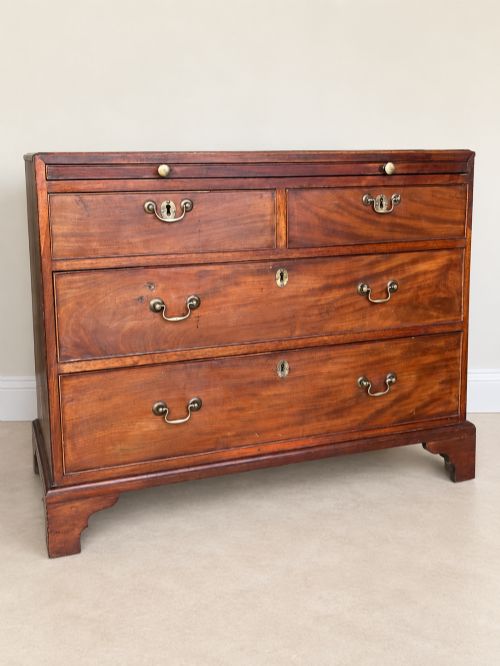
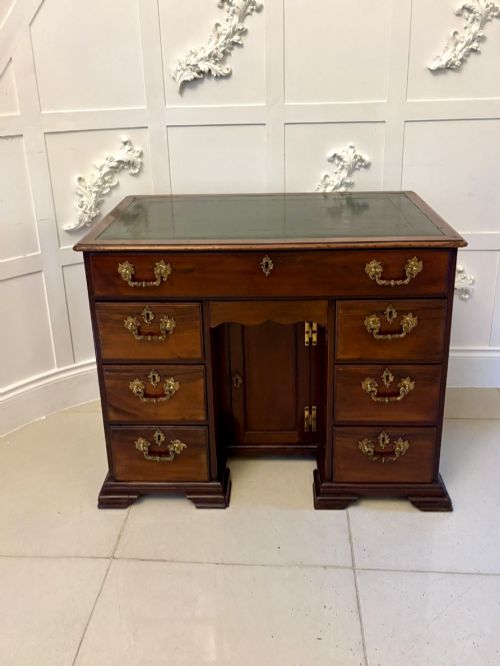
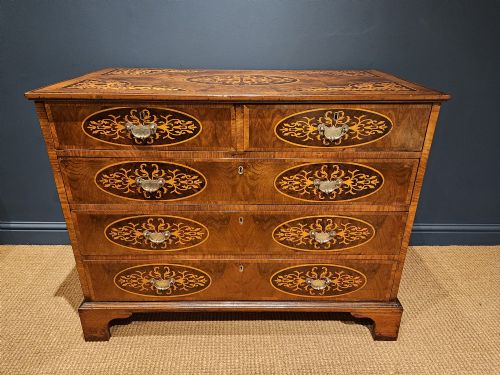
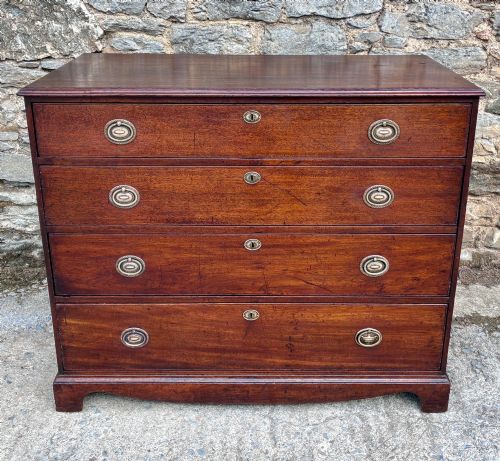
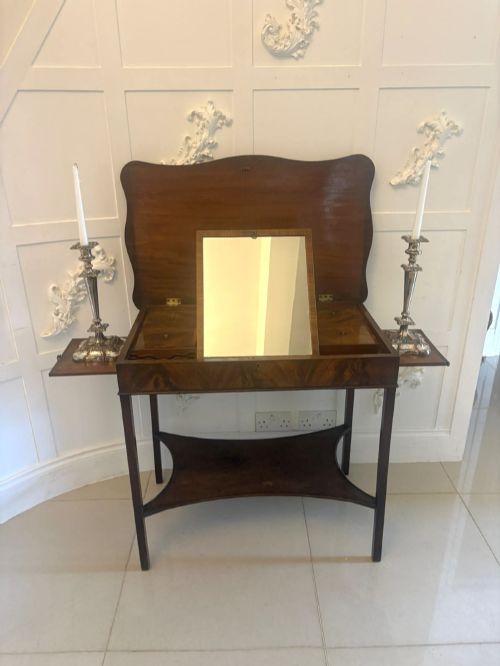
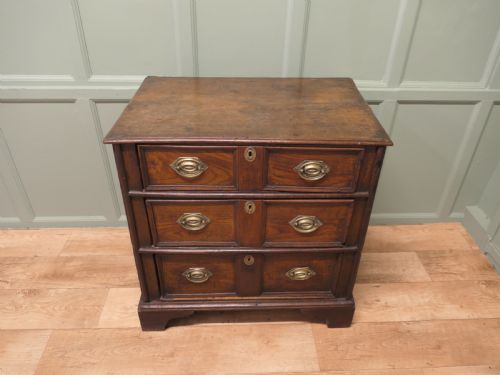
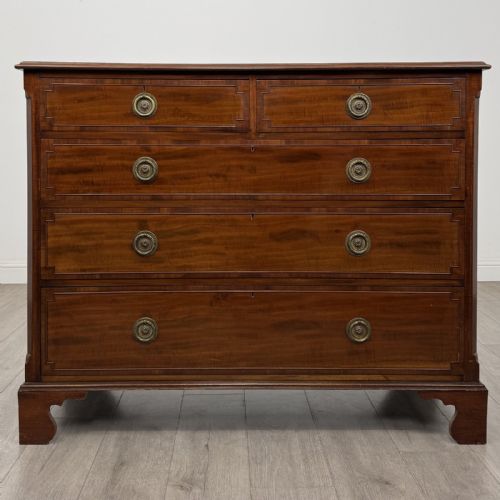
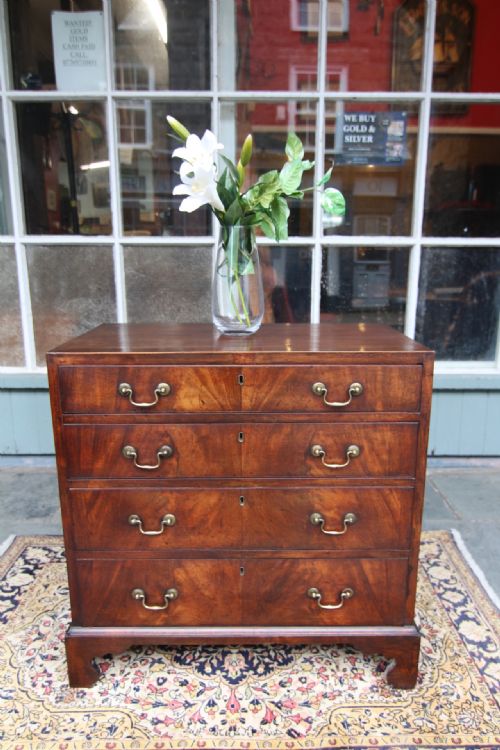
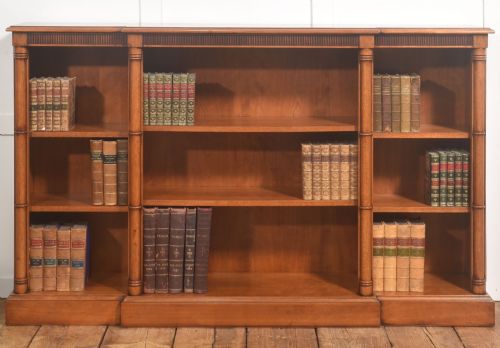
Georgian brown furniture brings together practical timber items created across the Georgian era and later revivals. Buyers seeking this category typically encounter chests of drawers, side tables, dining chairs, and dressing tables formed in rich woods.
The selection ranges from vernacular oak pieces to refined mahogany chests and walnut bureaus. Many items reflect formal Georgian, Regency, or George II and George III periods alongside later revival interpretations.
How they were made
Cabinet makers utilised dense hardwoods such as mahogany, oak, walnut, elm, and yew, often selecting burr or plum pudding varieties for decorative impact. Brass handles, brackets, and fixtures provided robust functional contrast to the dark grain.
Joinery techniques prioritised sturdy frame construction, dovetailed drawer boxes, and carved cabriole legs or bracket feet. Timber surfaces were polished or painted depending on whether the piece served a formal parlour or a country interior.
Listings feature mahogany, oak, walnut, elm, yew, and ash alongside brass and fabric elements.
What varies in quality
Quality rests in the selection of timber figures, from plain boards to highly figured mahogany and burr walnut. Refined proportions and crisp carving set superior examples apart from simpler utilitarian pieces.
Original hardware, untouched surface patination, and intact structural joinery distinguish fine workshop production from later adaptations or heavy restoration.
HEPPLEWHITE
The Georgian Brown Furniture Glossary
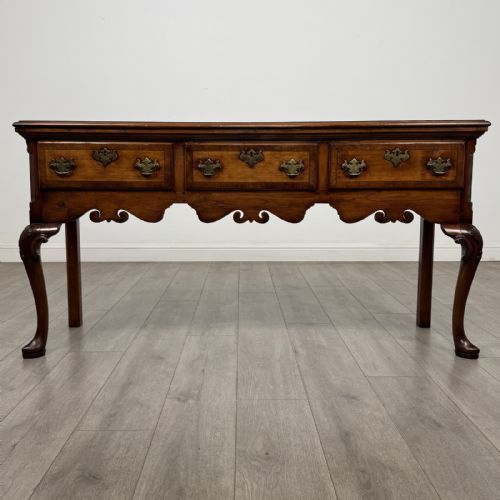
- Lowboy
- A small side table featuring one or more rows of drawers beneath the top surface, frequently set on cabriole legs. These tables served multiple domestic purposes in bedrooms and parlours.
- Bracket foot
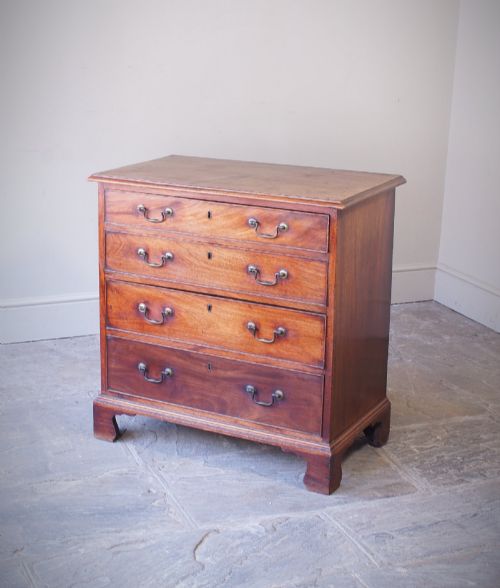
- A structural foot supporting the base corners of a chest of drawers or cabinet, shaped in an L-form mitred at the angle. This style replaced earlier ball feet during the eighteenth century.
- Chest on chest
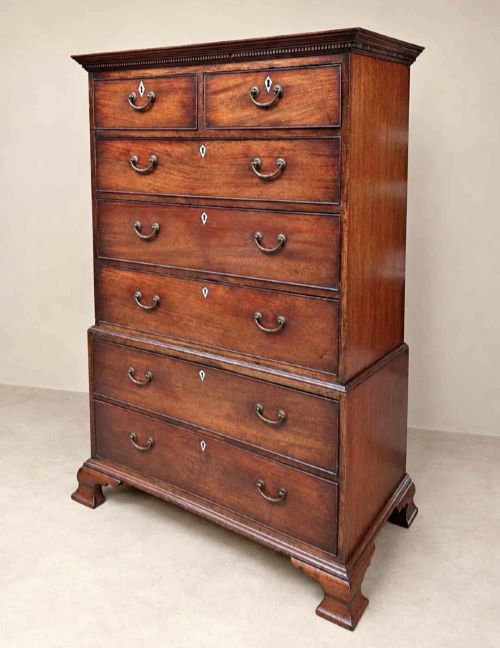
- A tall storage unit composed of a larger lower chest carrying a smaller upper chest on top. This form maximised vertical storage space using dense timbers like walnut or mahogany.
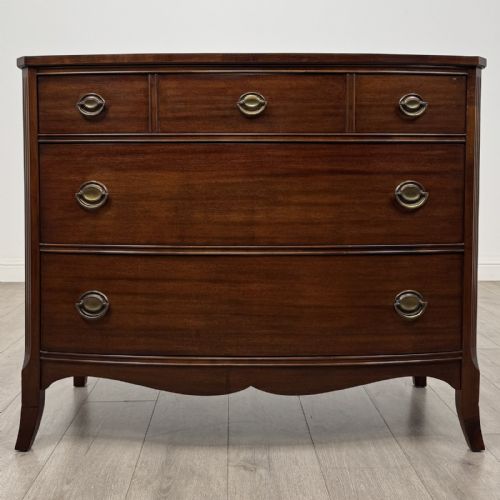
- Bow front
- A convex curved front profile applied to chests of drawers and side cabinets. This shaping softened rectangular room layouts while increasing internal capacity.
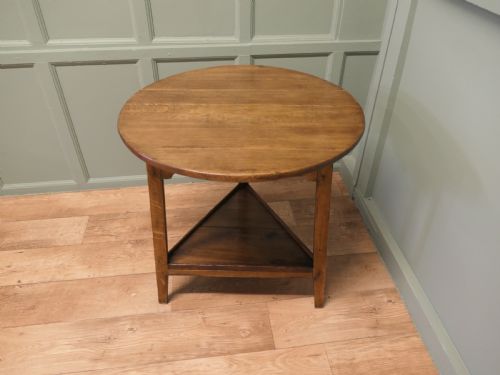
- Cricket table
- A small, lightweight occasional table typically supported by three splayed legs and a triangular underframe. Originally designed for uneven cottage floors.
Georgian Brown Furniture: Frequently Asked Questions
How do I identify a genuine period piece?
Examine the timber grain, secondary woods inside drawer boxes, and hand-cut joinery details. Tool marks and construction methods reveal the historical era of production.
Compare the proportions and hardware against documented examples from the eighteenth and nineteenth centuries to confirm period authenticity.
Where should I place a chest of drawers?
Place chests of drawers in bedrooms, hallways, or living spaces where solid timber tones anchor the room design. Ensure they stay away from direct heat sources to protect the wood.
Allow enough clearance for drawers to open fully without obstruction from other furniture.
How do I care for antique wood surfaces?
Maintain timber surfaces by dusting with a soft, dry cloth and applying traditional beeswax sparingly. Avoid modern chemical sprays that can degrade historic polishes.
Keep rooms at a stable humidity level to prevent timber from splitting or warping over time.
What is the difference between oak and mahogany pieces?
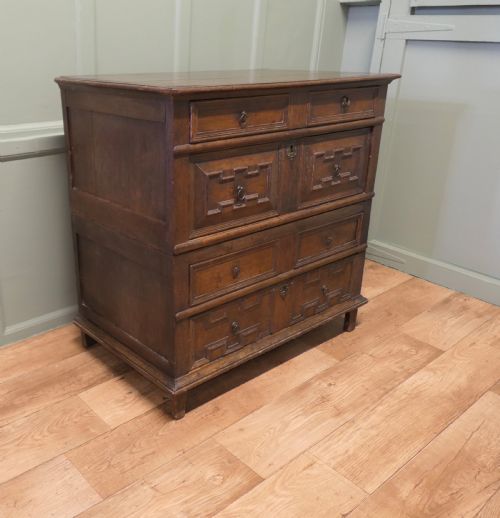
Oak items generally display visible growth rings and a heavier, vernacular character associated with early country houses. Mahogany pieces often exhibit reddish-brown grain patterns suited to formal urban interiors.
Both timbers provide durability but reflect distinct eras of stylistic preference and material availability.