
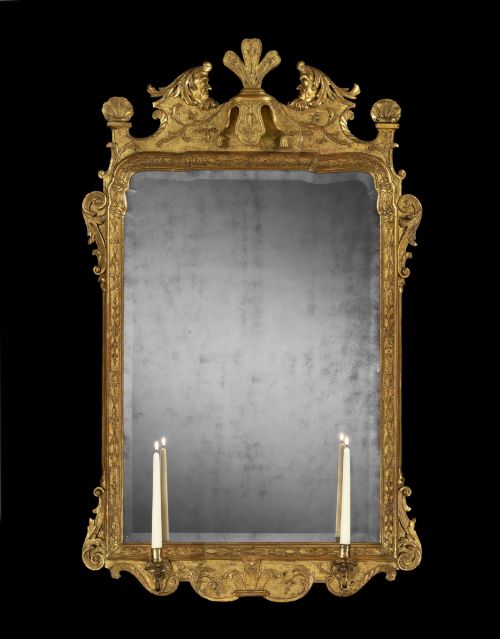
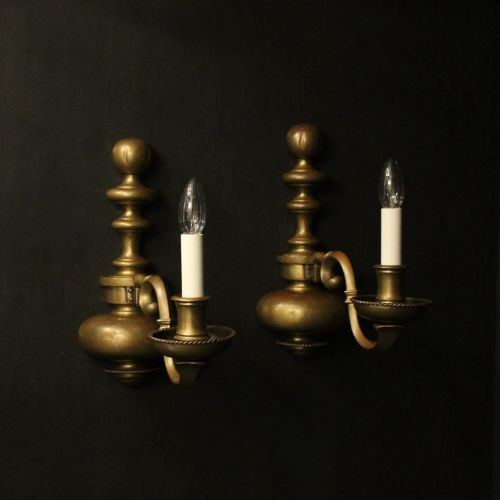


Georgian Brass Sconces
Georgian brass sconces bring genuine period candlelight into a room, offering warm metal finishes and classic wall-mounted candleholders.
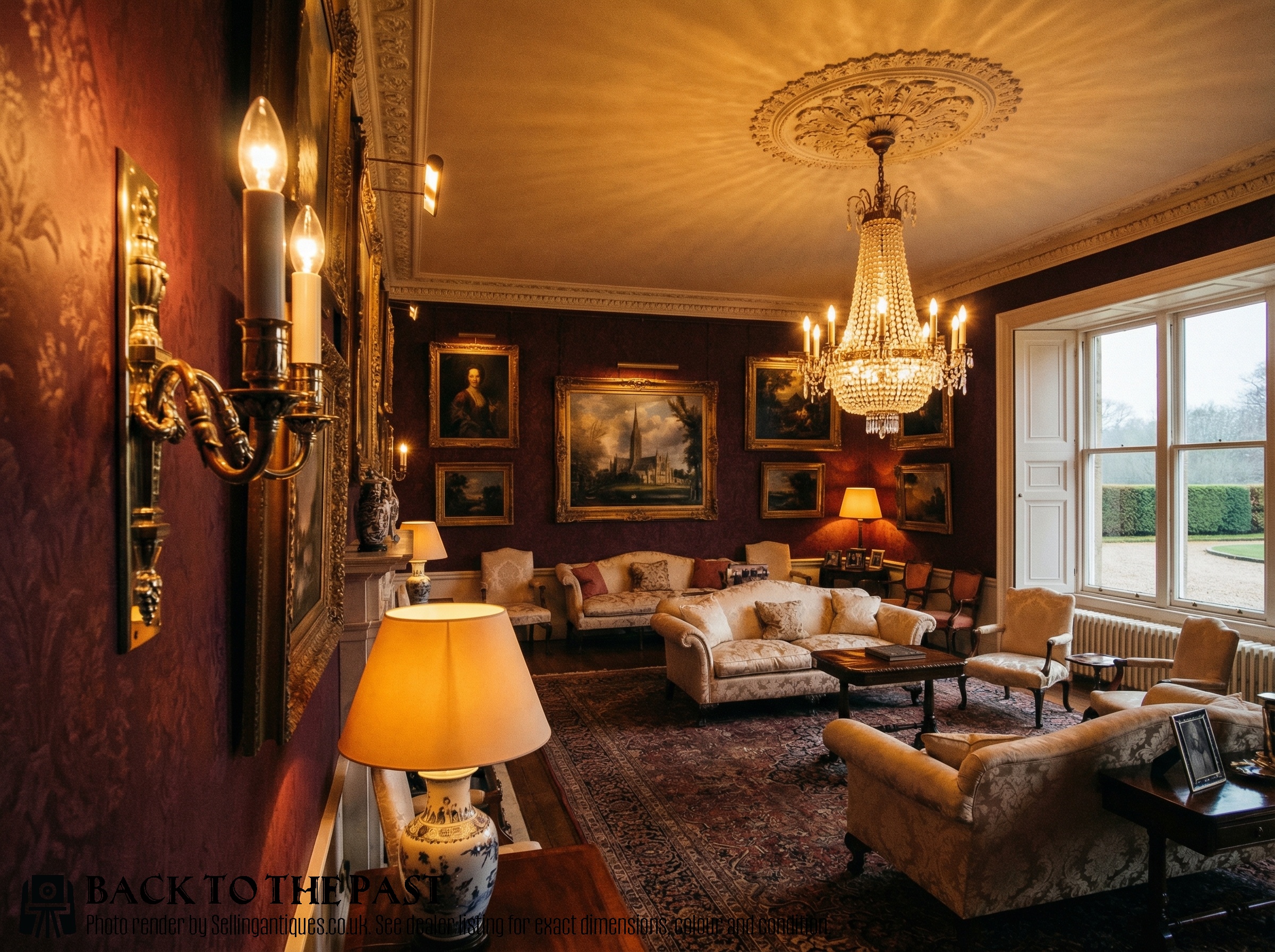
Georgian Brass Sconces
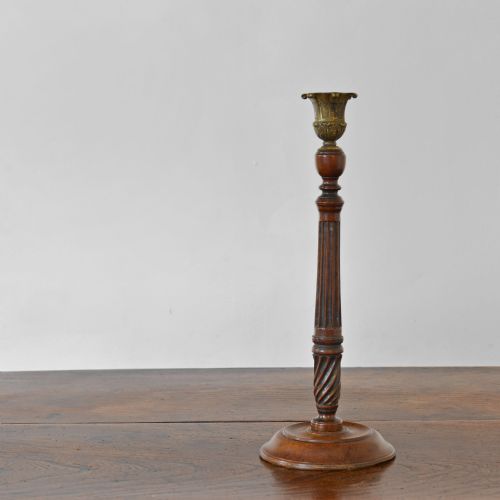
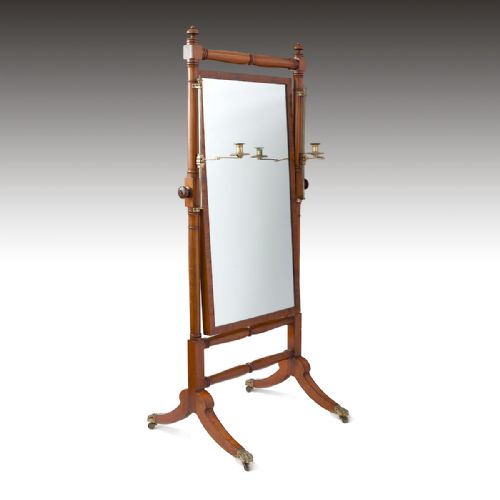
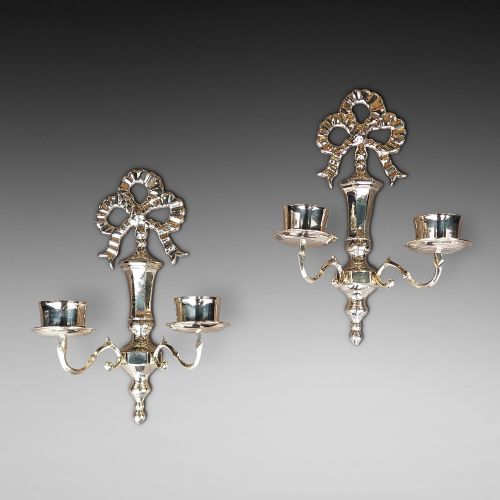
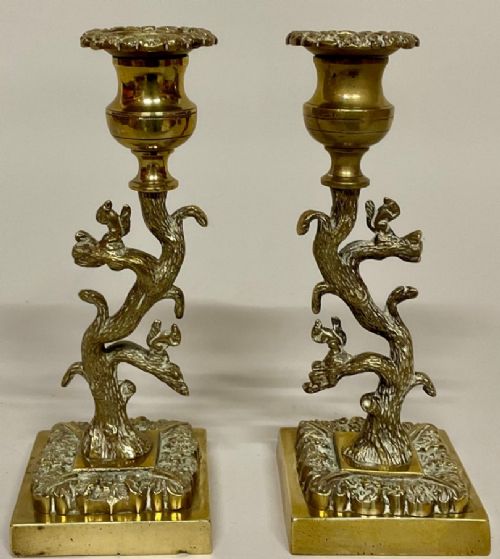
When you search for georgian brass sconces, you encounter wall-mounted lighting and candlesticks spanning eighteenth-century origins, Georgian styles, and later nineteenth-century revivals. The selection includes paired wall lights, candleholders, and girandole mirrors that combine functional illumination with period decorative appeal.
The majority of pieces you meet bridge authentic Georgian manufacture and Regency or Adam Revival interpretations, often utilising brass alongside mahogany and bronze. These wall lights reflect traditional domestic lighting arrangements before the arrival of electricity.
How they were made
Makers shaped these items using cast and turned brass, frequently pairing the metal with solid mahogany or incorporating gilt bronze and gesso details. Foundry work and metal-turning produced the columns, drip pans, and backplates characteristic of the period.
Craftsmen utilised traditional joining methods, combining turned wooden components with cast brass sockets and arms. Surface finishing relied on hand-polishing and natural patination rather than modern protective lacquers.
What varies in quality
Quality rests in the crispness of the brass casting and the weight of the metal components used in the arms and backplates. Superior examples display sharp detail in the turned columns and clean proportions without excessive wear.
The integrity of paired sets and the original matching of brass parts separate finer specimens from assembled or altered items. Patina and the retention of original mounting hardware further distinguish better pieces.
Gillow
The Georgian Brass Sconces Glossary
- Sconce
- A wall-mounted lighting fixture designed to hold candles or tapers. Early versions used reflective backplates to increase illumination.
- Girandole
- An ornamental wall mirror featuring attached candle branches or sconces. The glass surface helps amplify the candlelight within the room.
- Adam Revival
- A decorative style drawing on neoclassical eighteenth-century motifs popularised by the Adam brothers. Pieces often incorporate classical urn and swag ornamentation.
- Campana
- A bell-shaped socket or candle cup found on candlesticks and wall lights. This form derives from classical antiquity.
- Gilt Bronze
- Bronze metal coated with a thin layer of gold, providing a bright and durable metallic finish. It appears on finer decorative wall lights.
Georgian Brass Sconces: Frequently Asked Questions
How do I mount georgian brass sconces safely?
Wall lights require secure fixings into solid masonry or appropriate wall studs to support the combined weight of the metal and any wooden backplates.
Professional installation ensures the fixtures remain stable and plumb against the wall surface.
Are these sconces wired for electricity?
Most examples retain their original configuration as candleholders, designed for wax tapers rather than electrical fittings. Converting them requires discreet internal wiring without damaging the historic brass structure.
Many buyers choose to burn actual candles to maintain the authentic period atmosphere.
How do I clean antique brass?
Gentle dusting with a soft, dry cloth preserves the aged surface and prevents the buildup of dirt. Avoid harsh commercial metal polishes that strip away the historical patination.
Preserving the natural dark or warm tone maintains the character built up over centuries.
How can I tell original Georgian pieces from later revivals?
Examination of the casting techniques, tool marks, and brass composition helps distinguish eighteenth-century production from later nineteenth-century revivals. Original items often show hand-finished surfaces and period-specific assembly methods.
Revival pieces frequently reflect Victorian or twentieth-century interpretations of classical Georgian design motifs.