

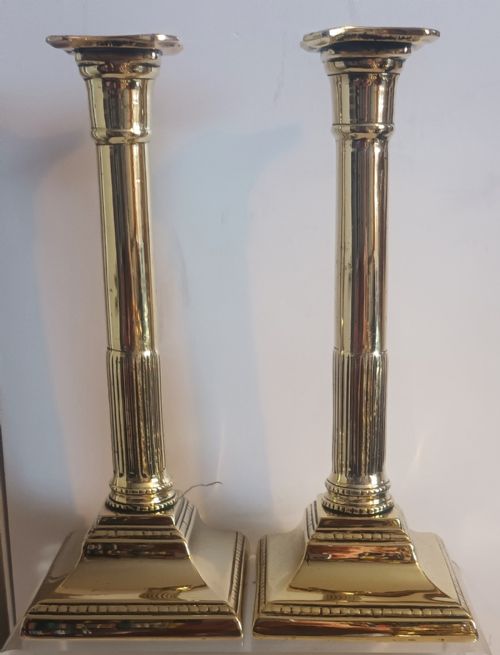
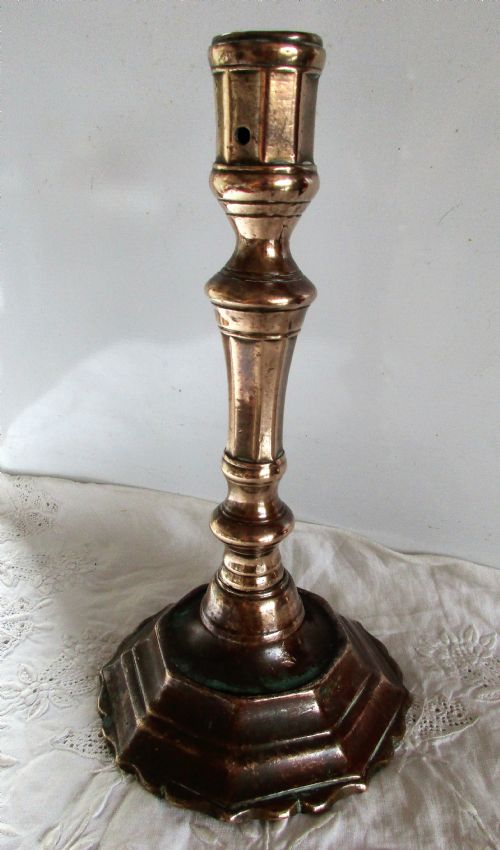
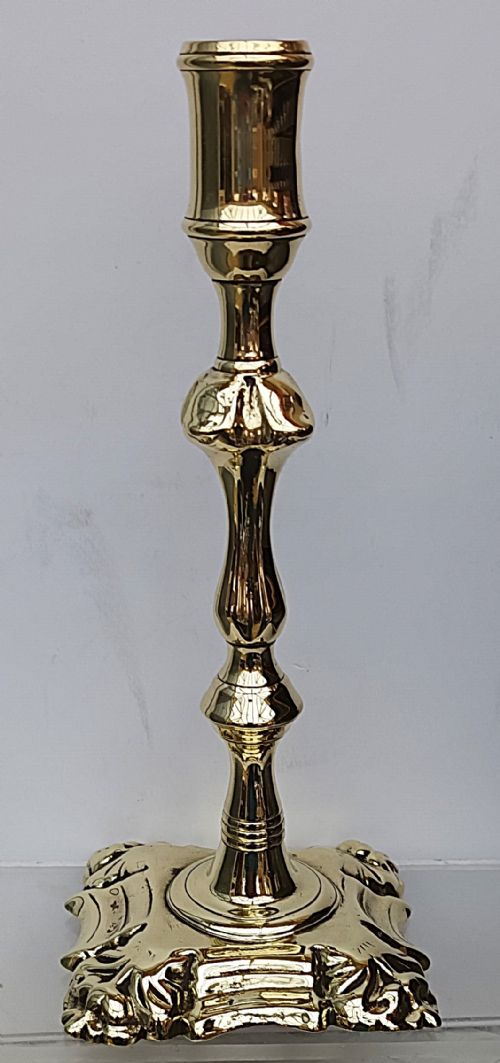
Georgian Brass Candle Stand
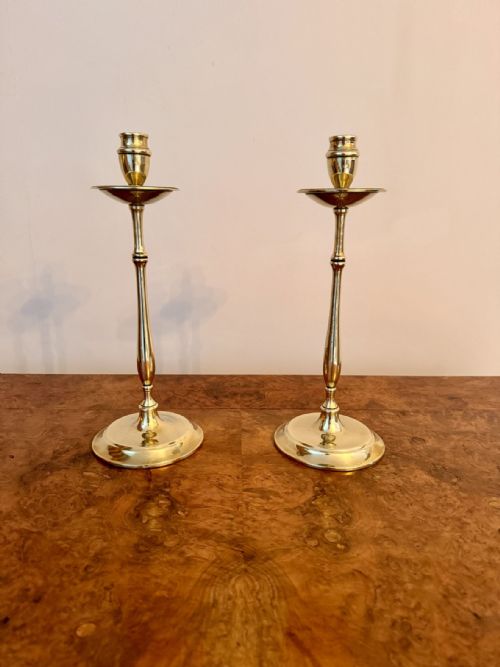
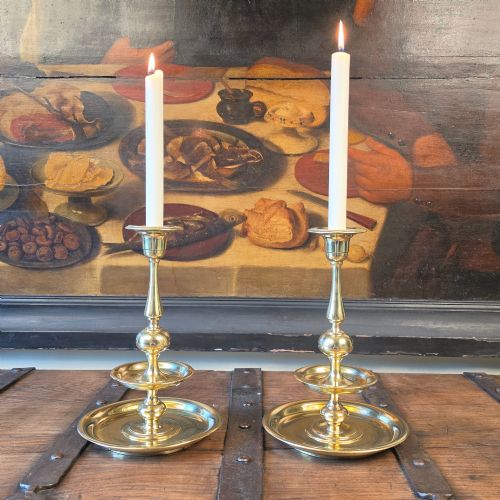
A georgian brass candle stand brings useful light and heavy metal substance to a room, exactly as it did centuries ago.
Georgian Brass Candle Stand
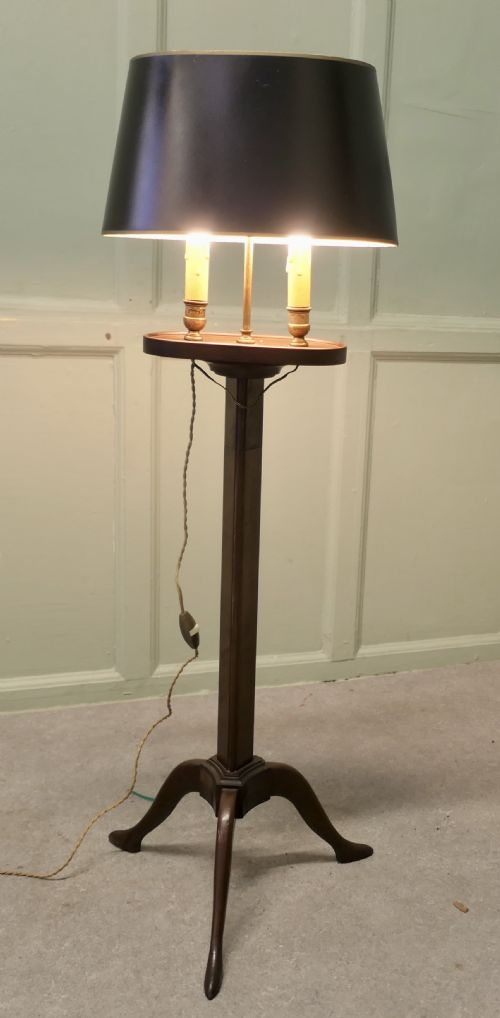
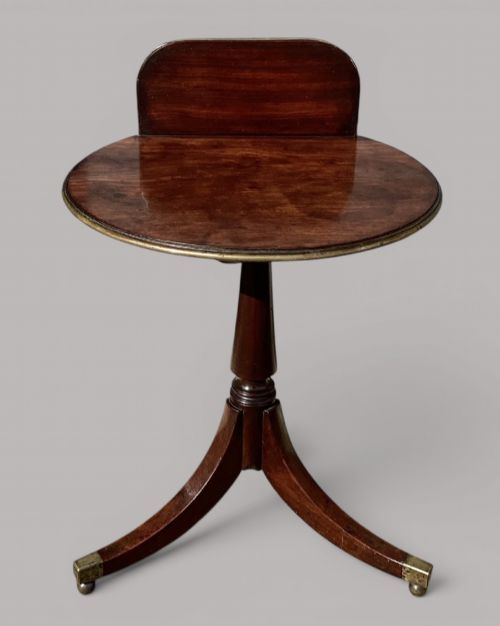
When you search for a georgian brass candle stand, you encounter sturdy lighting pieces intended to hold wax candles safely on tables or floors. The inventory shows that brass dominates these objects, though mahogany, rosewood, and paktong also appear alongside occasional tables and music stands.
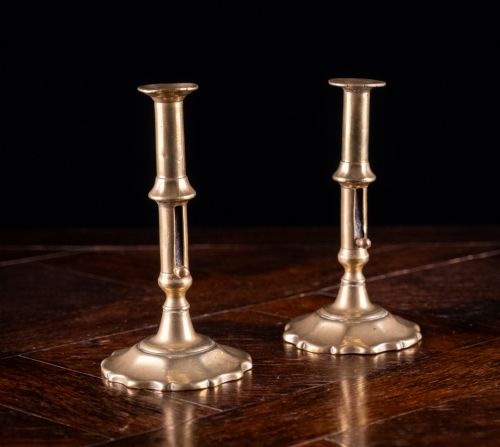
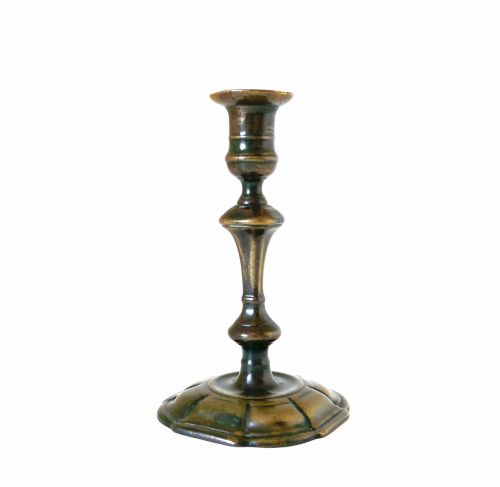
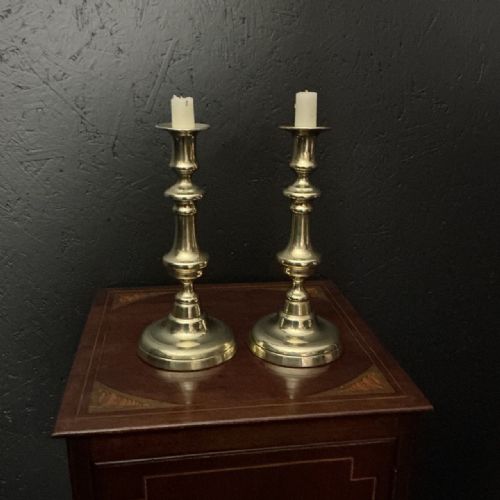
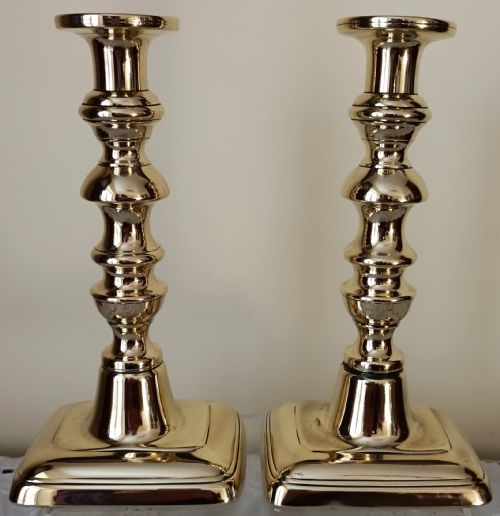
Most pieces on this page take the form of candlesticks from the eighteenth and nineteenth centuries, including matched pairs with ejector mechanisms or petal bases. Styles span George II, Regency, and Victorian periods, giving you a choice of simpler column designs or more sculptural interpretations.
Materials and construction methods
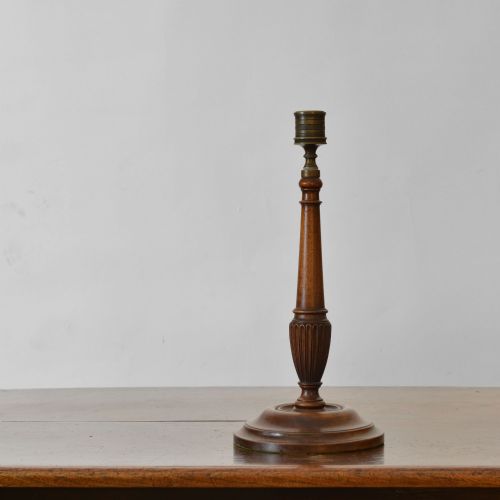
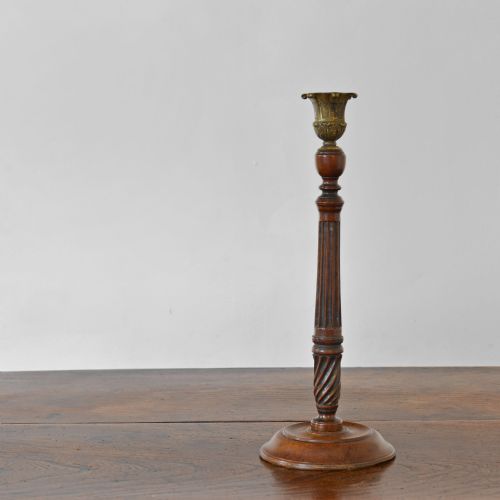
Metal components rely primarily on brass and cast brass, shaped through casting and seaming techniques that leave subtle evidence of manufacture along the shafts. Certain examples incorporate paktong or bronze, while timber versions combine mahogany and rosewood with brass fittings.
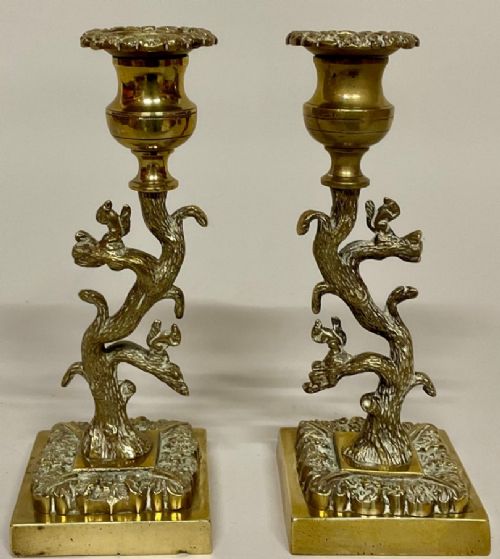
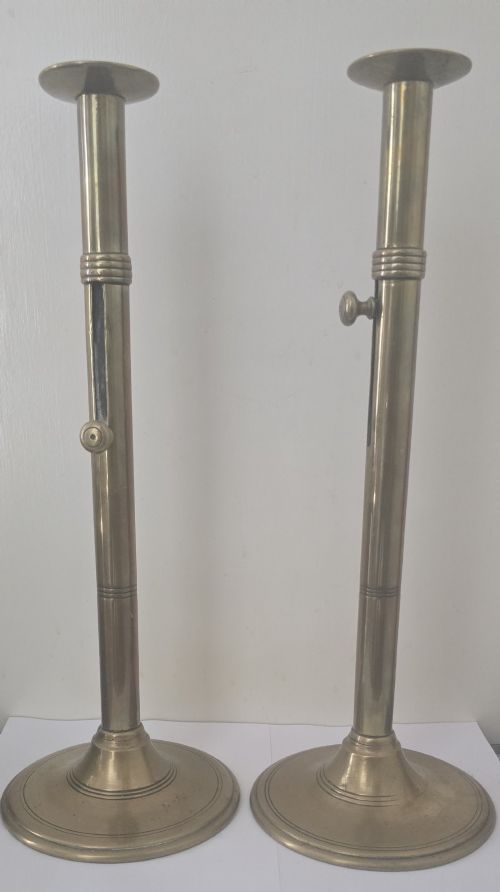
Mechanisms on adjustable pieces and telescopic designs utilise threaded stems or side ejectors to alter height and clear residual wax. Cast ornament, such as campana sconces and square bases, involves detailed mould work characteristic of the period.
Differentiating quality across examples
Substance and finish separate standard items from superior pieces, evident in the weight of the cast metal and the crispness of turned details. Heavier gauge brass retains structural integrity better and maintains cleaner lines around the mouldings.
The integrity of original components, such as ejector mechanisms and matching bases, determines the consistency of a pair. Finer specimens display careful finishing at the seams and balanced proportions across the stem and foot.
J.T. & Co·Harrison Patent
The Georgian Brass Candle Stand Glossary
- Ejector
- A concealed internal rod or side lever designed to push a remnant candle stump out of the socket. This mechanism helps clear spent wax without damaging the interior metal.
- Pricket
- A sharp metal spike set in the centre of the drip pan to impale a candle securely. This form appears frequently on ecclesiastical or larger altar pieces.
- Paktong
- A copper, nickel, and zinc alloy originating from China, used to imitate silver in high-end lighting pieces. It has a bright, silvery tone distinct from standard yellow brass.
- Campana
- A vase-shaped candle socket resembling an inverted bell, typical of neoclassical design. The flared rim catches dripping wax effectively.
- Telescopic
- An adjustable shaft design allowing the height of the candlestick to extend through a sliding mechanism. Harrison Patent examples utilise this construction.
Georgian Brass Candle Stand: Frequently Asked Questions
How do I use a georgian brass candle stand today?
Place candlesticks on mantelpieces, sideboards, or dining tables where their heavy metal bases provide stable support for taper candles. Adjustable stands and floor lamps fit well beside reading chairs to supply ambient illumination.
Ensure you match the candle diameter correctly to the socket size to prevent tilting. Clean out old wax gently using warm water rather than sharp metal tools that scratch the brass surface.
How do I distinguish 18th century brass from later copies?
Eighteenth-century pieces typically show seamed construction lines where sheet brass was rolled and brazed, or heavy sand-cast surfaces with hand-filed detailing. Bases often feature distinct petal or square shapes with worn tool marks underneath.
Later Victorian reproductions tend to have uniform machine-finished surfaces with less variation in the metal thickness. Examining the base interior and the wear patterns around the socket reveals the age of the piece.
What is paktong and how does it differ from brass?
Paktong is a historic copper-nickel-zinc alloy imported from Asia that resembles polished steel or silver rather than yellow brass. It possesses a cool, silvery lustre and substantial weight.
This material was costly to work and transport, making items made from it uncommon compared to standard brass. Over time, paktong develops a subtle grey patina rather than the golden-green tarnish seen on older brass.