

Georgian Bedside Drawers
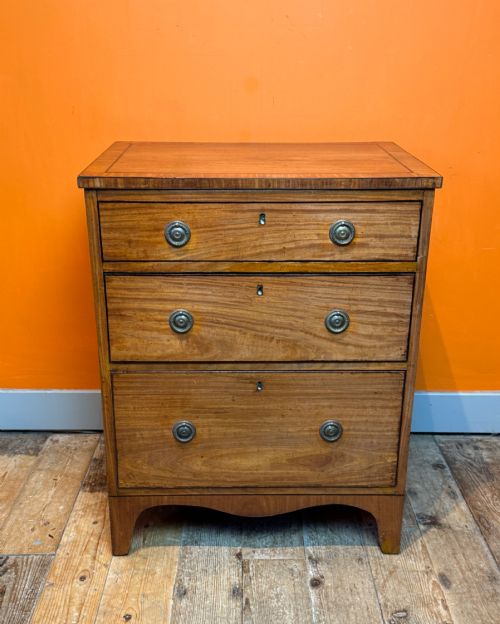
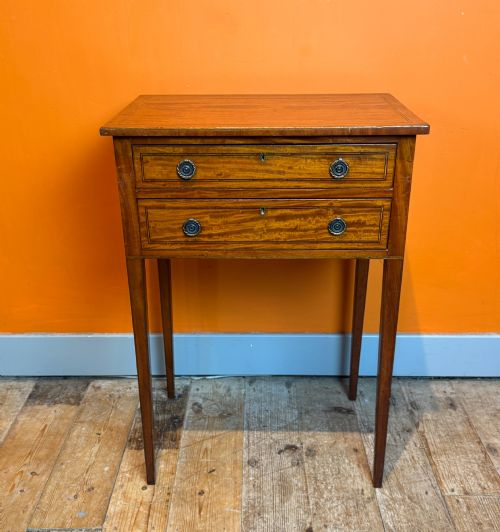
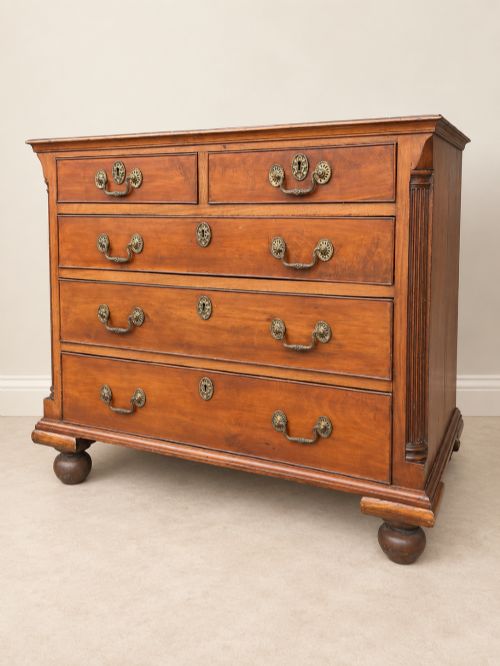
Georgian bedside drawers bring compact historical utility to a room, appearing in forms from narrow side tables to small chests.
Georgian Bedside Drawers
When buyers search for georgian bedside drawers, they encounter a range of compact domestic pieces designed for personal storage in bedrooms or private chambers. These objects span periods from the eighteenth century through the nineteenth century, alongside later revival pieces produced in the twentieth century.
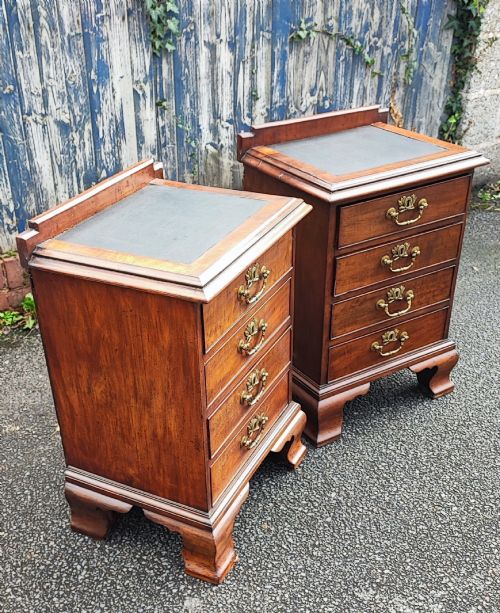
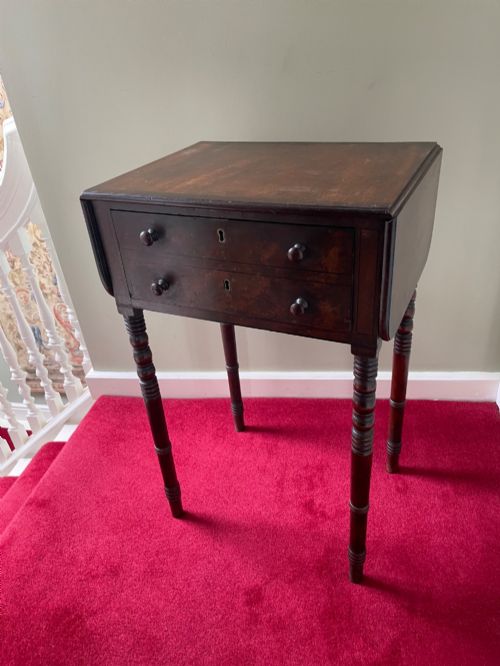
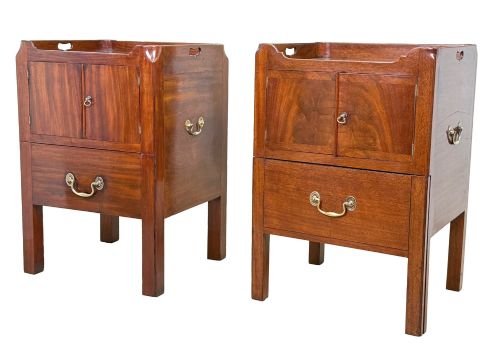
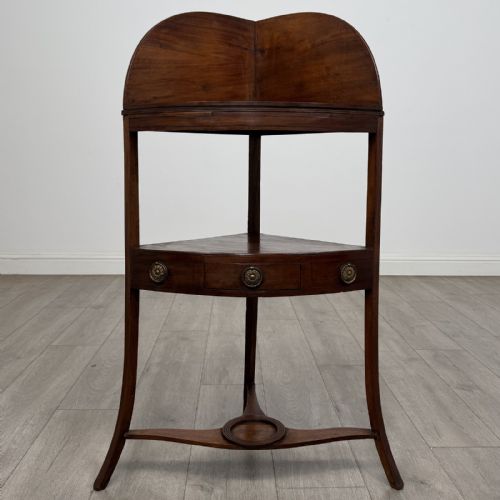
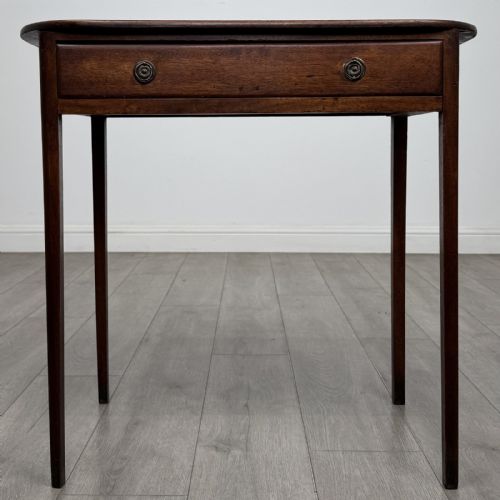
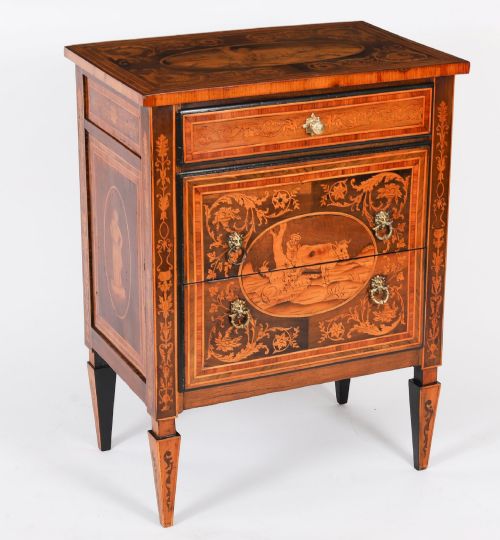
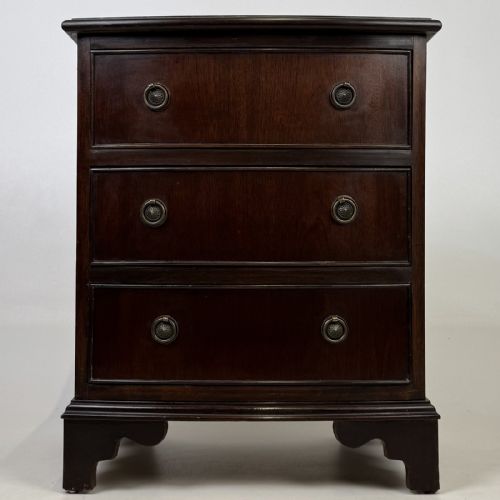
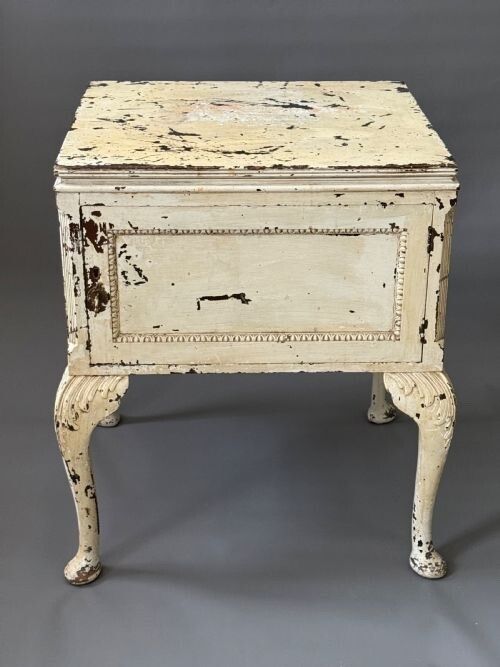
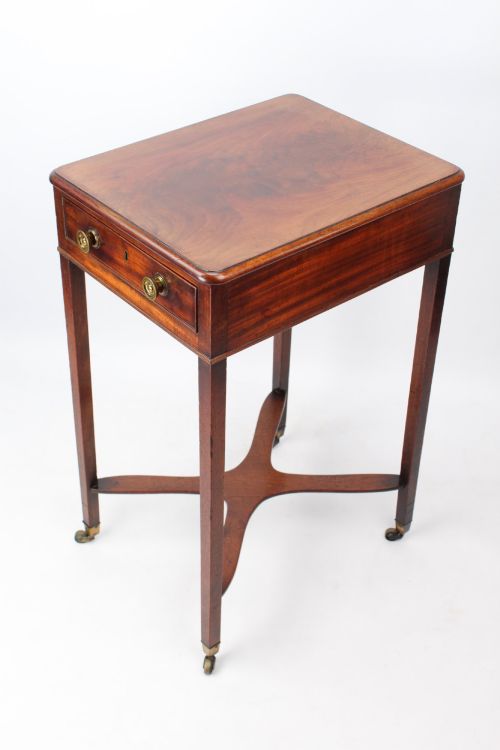
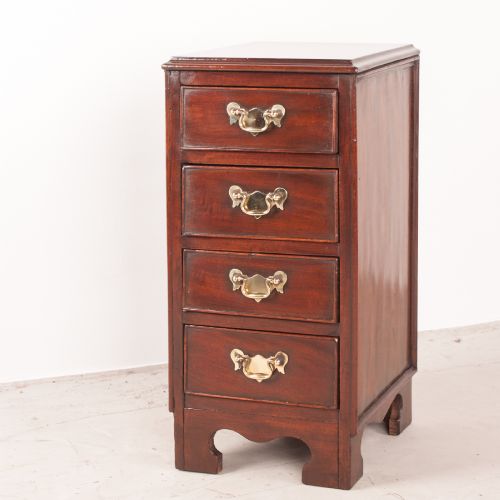
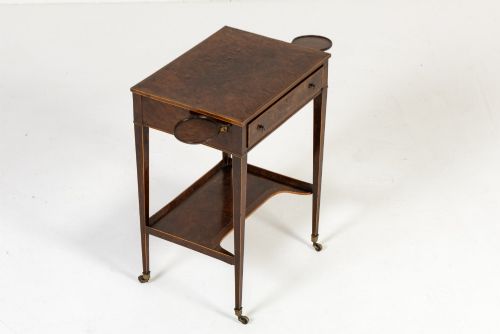
The forms appearing here include side tables with single drawers, small chests of drawers, bedside cabinets, and occasional lamp tables. Many examples exhibit bow fronted or serpentine shapes, while others take the form of close stools adapted into small bedside chests.
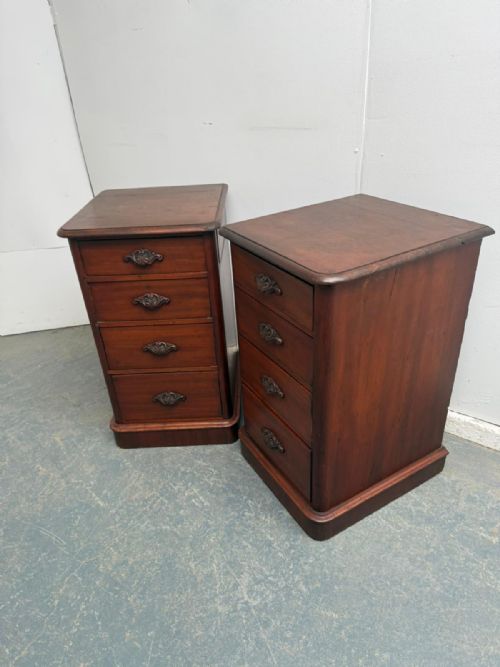
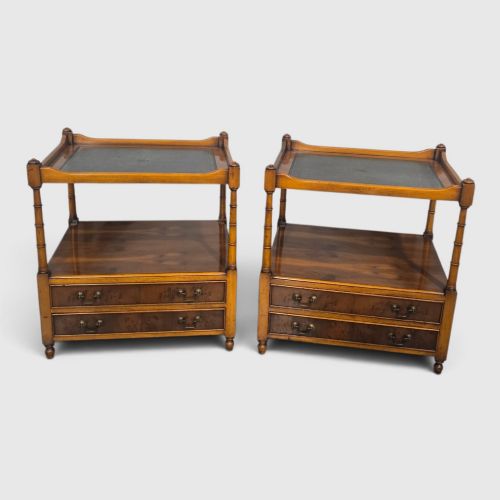
Mahogany forms the dominant wood across the selection, accompanied by walnut, burr walnut, oak, burr oak, elm, yew, and satinwood. Buyers frequently meet pairs of lamp chests or bedside tables alongside individual side tables fitted with drawers.
Materials and Construction
Cabinet makers utilised solid hardwoods and veneers, applying mahogany, walnut, and satinwood to primary surfaces. Marquetry work appears on continental pieces, while native English items rely on the natural grain of figured mahogany or burr oak.
Drawer construction involves traditional joinery methods paired with brass handles and pulls. Selected pieces incorporate inset leather writing surfaces or delicate inlay work along the edges and legs.
Georgian Bedside Drawers Retail Price Guide 2026
Typical asking prices for georgian bedside drawers among the pieces listed under this phrase on Sellingantiques today, from the lower quarter to the upper quarter. They describe what is for sale here now, not the wider market.
Several items started life as eighteenth-century indoor sanitation disguised rather convincingly as polite bedside furniture.
Assessing Quality
The distinction between standard domestic pieces and finer examples rests upon the selection of timber and the precision of the cabinet work. Highly figured flame mahogany or carefully matched burr walnut veneers elevate the visual presence of a small chest.
Proportion and restraint define the superior pieces in this range. Neat dimensions, crisp detailing on bracket feet or tapered legs, and integrated design elements indicate a higher standard of original workshop production.
The Georgian Bedside Drawers Glossary
- Serpentine
- A curved front shape featuring a convex centre flanked by concave sides. This undulating contour demands skilled carpentry to execute cleanly.
- Bow fronted
- A convex curved cabinet or chest front that swells outward. The design softens room angles and provides extra internal depth.
- Bracket feet
- Small supporting feet projecting from the lower corners of a case piece, shaped in an L-bracket profile. They lift small chests cleanly off the floor.
- Marquetry
- Decorative patterns formed by fitting together thin slices of various coloured woods and materials onto a surface. It appears on continental cabinet work.
- Close stool
- An eighteenth-century piece of furniture enclosing a chamber pot, often constructed in the form of a small bedside chest with a hinged top.
Georgian Bedside Drawers: Frequently Asked Questions
What counts as a bedside drawer?
Bedside drawers encompass small chests, side tables with single drawers, and enclosed cabinets designed for personal use beside a bed.
These compact items provide enclosed storage for small personal items while maintaining a neat footprint in a room.
Are these pieces from the eighteenth century?
The selection includes authentic pieces from the Georgian and Regency periods alongside twentieth-century revival items made in the same style.
Makers across different eras reproduced these compact forms using traditional hardwoods like mahogany and walnut.
How do I identify a revival piece?
Twentieth-century revival items often display standardisation in timber selection and joinery methods that differ from eighteenth-century workshop practices.
Examining the interior secondary woods and the character of the fixings helps distinguish earlier production from later interpretations.
What woods were used?
Mahogany is the primary timber found in these listings, complemented by walnut, burr walnut, oak, yew, elm, and satinwood.
Selected items feature decorative veneers or inlaid details that highlight the natural grain of the wood.