


Georgian Barware
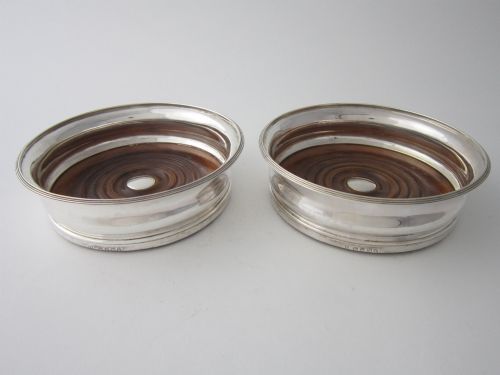
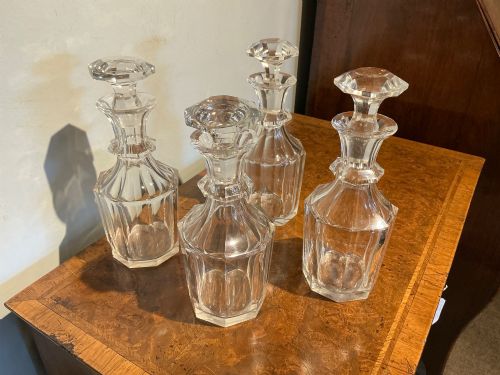
When you handle georgian barware antique pieces, you hold heavy lead crystal and sterling silver made for the dining table and sideboard.
Georgian Barware
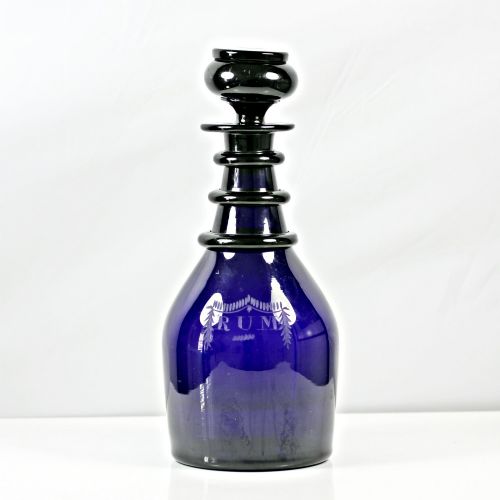
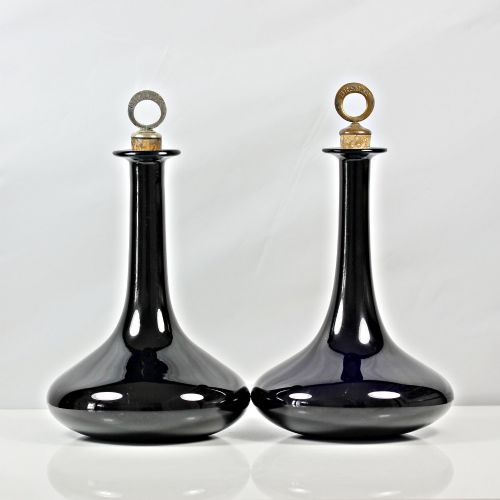
When you search for georgian barware antique, you encounter decanters, wine coasters, toddy ladles and silver labels designed to serve drinks during the eighteenth and nineteenth centuries. These drinking vessels and serving implements reflect the dining customs of the period, from private dining rooms to large formal dinners.
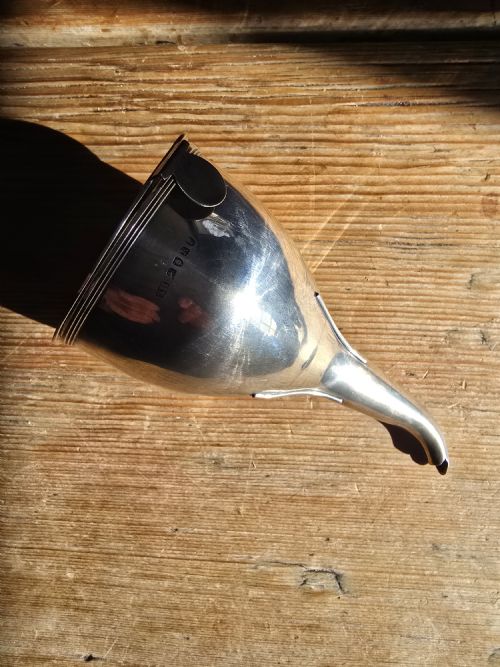
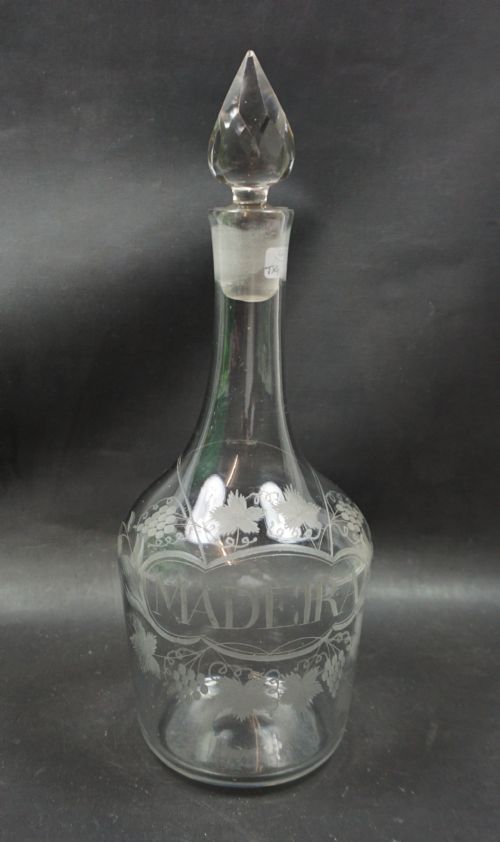
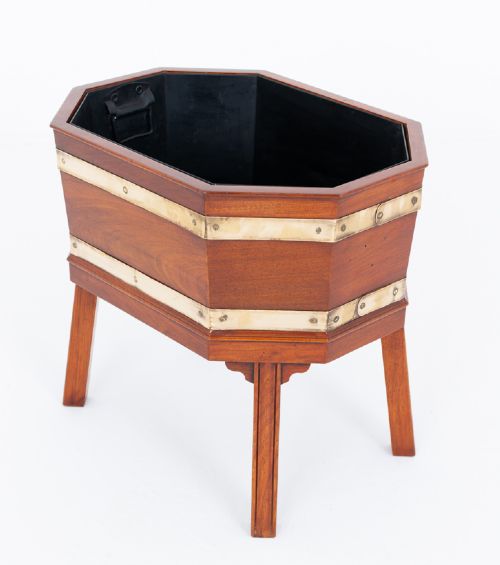
The pieces on this page span the Georgian, Regency and Victorian eras, alongside later revivals. Lead crystal decanters and silver wine funnels appear frequently alongside mahogany wine coolers and cellarettes.
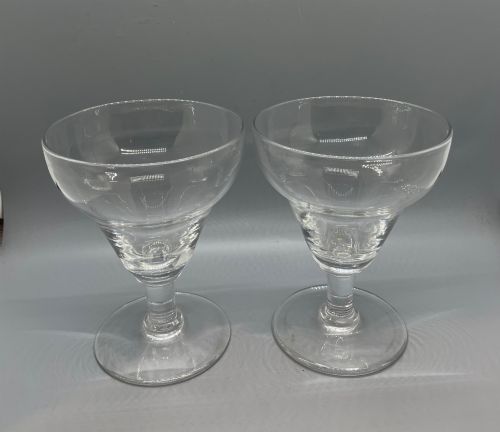
Smaller items such as silver bottle tickets, corkscrews and dram glasses complete the grouping. Each object served a specific role in storing, pouring or labelling wine, spirits and beer.
Materials and construction
Makers shaped lead crystal through cutting, rib moulding and engraving to create decanters, tumblers and dram glasses that caught the candle light. Glasshouses utilised blowing and cutting techniques to produce heavy rings and shoulder patterns.
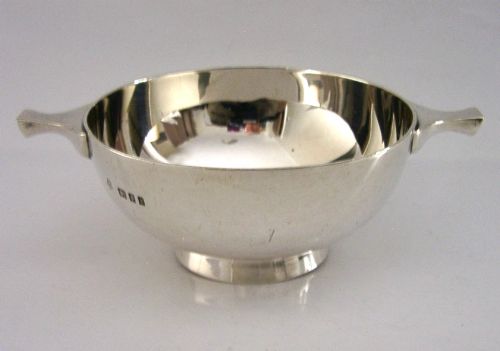
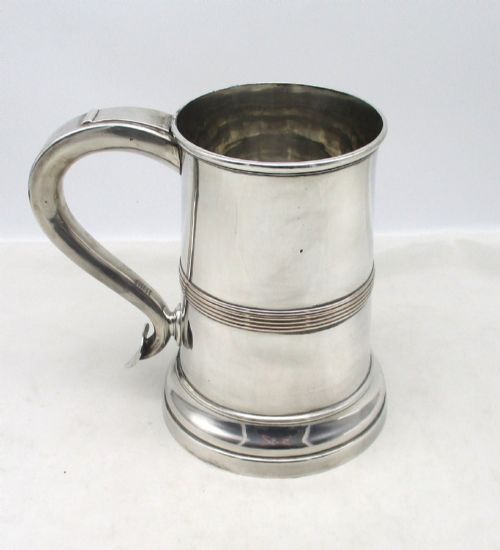
Silversmiths hammered and cast sterling silver and Old Sheffield plate into tankards, brandy warmers, wine funnels and delicate labels. Artisans engraved these silver surfaces with inscriptions and crests.
Cabinetmakers constructed wine coolers and cellarettes from solid mahogany, incorporating wooden turnings and metal linings to hold ice and bottles. Treen workers turned wood for items like negus strainers.
Georgian Barware Retail Price Guide 2026
Typical asking prices for georgian barware among the pieces listed under this phrase on Sellingantiques today, from the lower quarter to the upper quarter. They describe what is for sale here now, not the wider market.
Assessing quality
Quality rests in the crispness of the cut glass facets and the weight of the metal. Heavier lead crystal and thicker gauge sterling silver denote superior execution by skilled makers.
Provenance and maker marks elevate certain pieces, particularly those bearing clear town hallmarks and silversmith stamps. Hand engraving that remains sharp and deep demonstrates higher craftsmanship than faint or worn decoration.
Elizabeth Morley·Solomon Hougham·Samuel Blatchford
The Georgian Barware Glossary
- Cellarette
- A lockable container used to store bottles of wine near the dining table. They often feature fitted wooden interiors and stand on legs or castors.
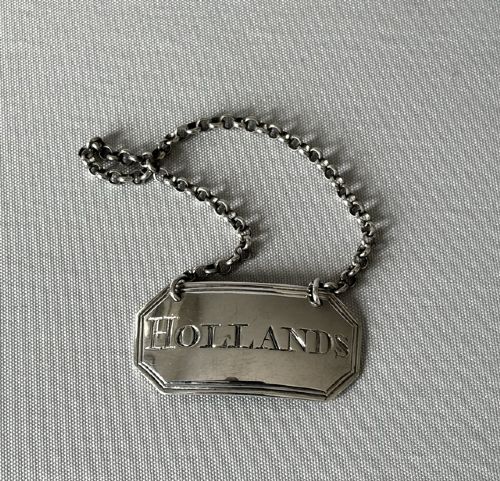
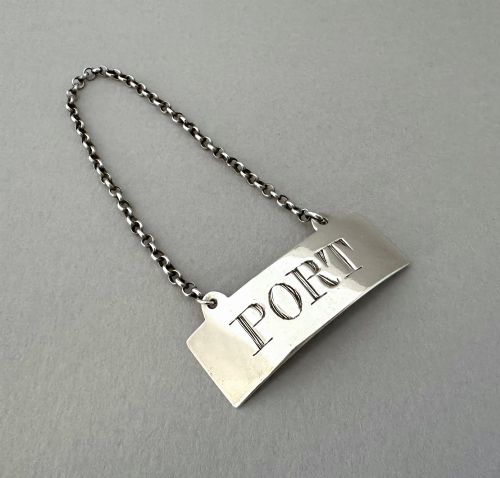
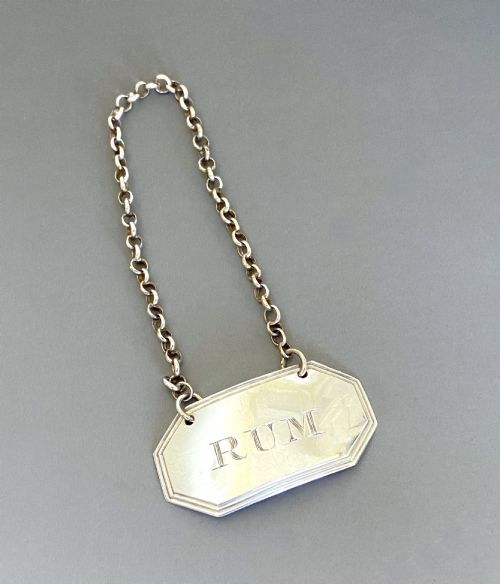
- Decanter label
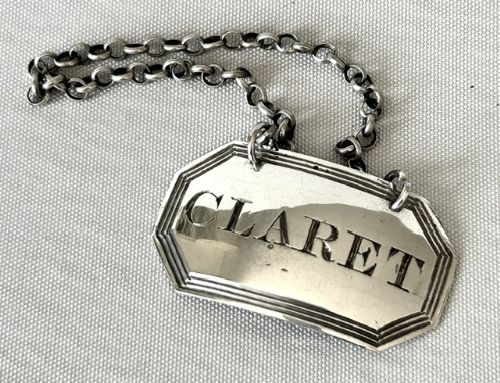
- A small metal tag hung by a chain around the neck of a decanter to identify the contents. They appear in silver and silver plate with names like Madeira, Rum or Claret.
- Old Sheffield plate
- A composite material made by fusing a thin sheet of silver to a thicker copper base. This technique preceded modern electroplating.
- Toddy ladle
- A small silver spoon with a twisted whalebone or wooden handle used for mixing hot water and spirits. They often feature inset coins at the base of the bowl.
Georgian Barware: Frequently Asked Questions
What is a decanter label?
A decanter label is a small piece of silver or silver plate hung around the neck of a bottle to name the drink inside.
Silversmiths shaped these tags to indicate contents like brandy, sherry or rum.
How do I use a wine funnel?
A wine funnel sits in the neck of a decanter to strain sediment as wine pours from the bottle.
The removable mesh insert catches solid particles while liquid passes through.
What materials were used?
Makers worked primarily in sterling silver, lead crystal, glass and mahogany.
Old Sheffield plate and copper also appear across various serving vessels and coolers.
How do I identify a cellarette?
A cellarette is a large wooden box or cabinet designed to hold multiple wine bottles securely.
They often feature internal partitions and sit near the dining table for easy access during meals.