




Georgian Architectural Salvage
Georgian architectural salvage brings historic character into a modern interior through rescued structural elements.
Georgian Architectural Salvage
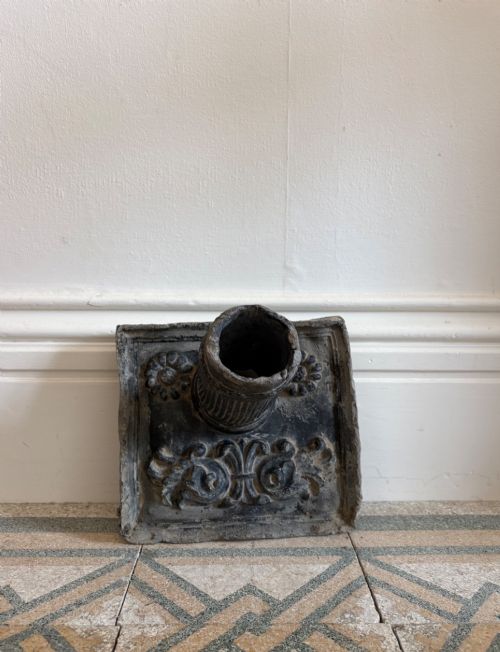
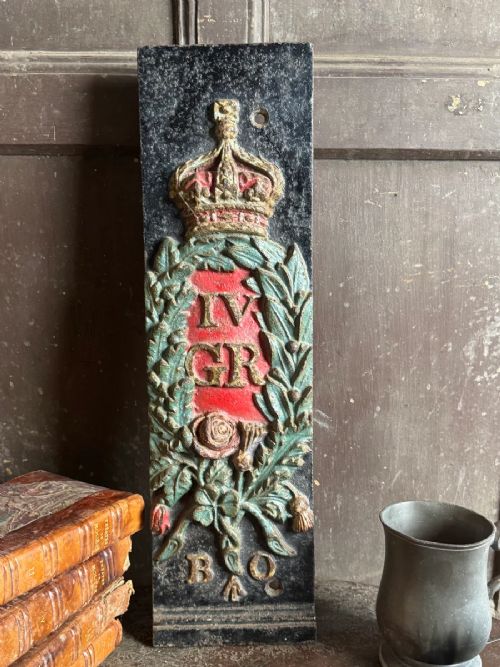
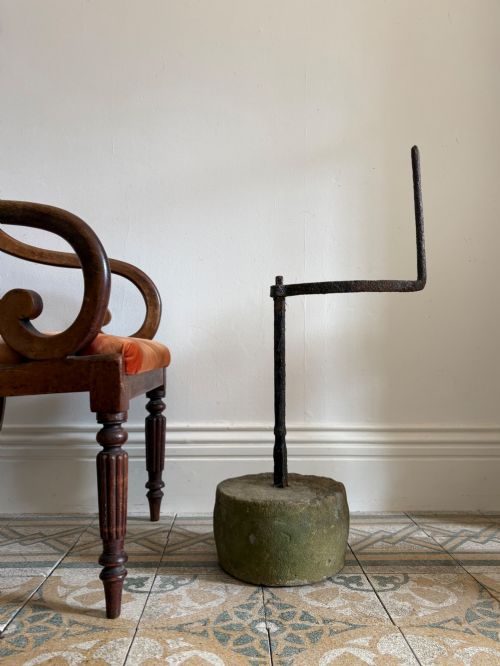
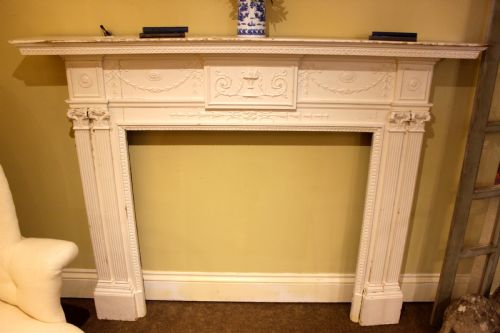
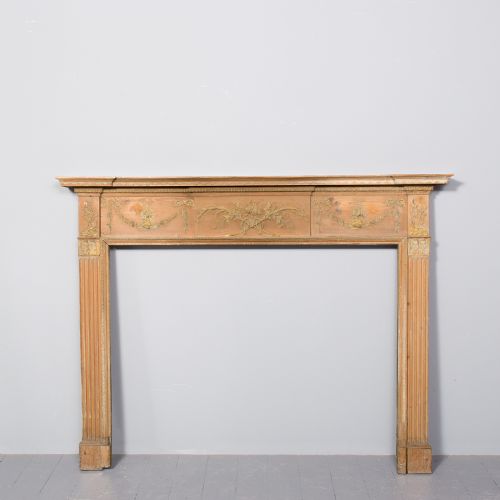
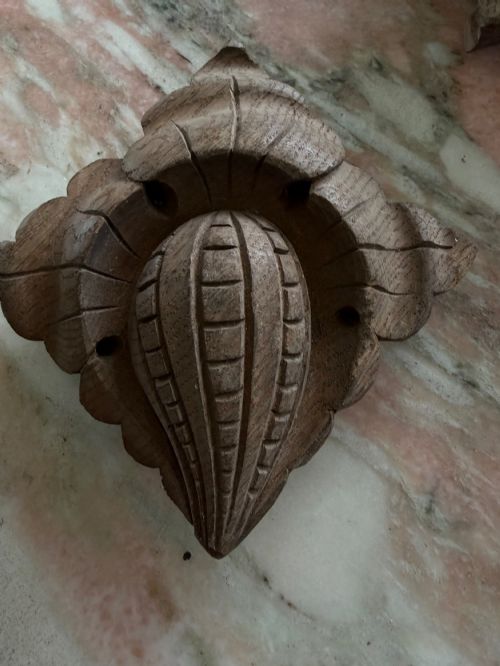
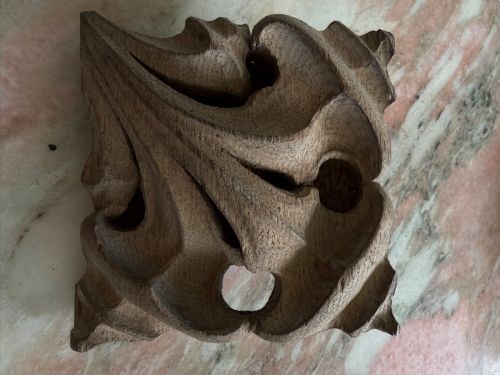
When you search for georgian architectural salvage, you encounter a diverse array of structural and decorative elements rescued from historic buildings. The selection ranges from substantial stone fire surrounds and millstones to smaller items such as brass door knockers and carved wooden ceiling bosses.
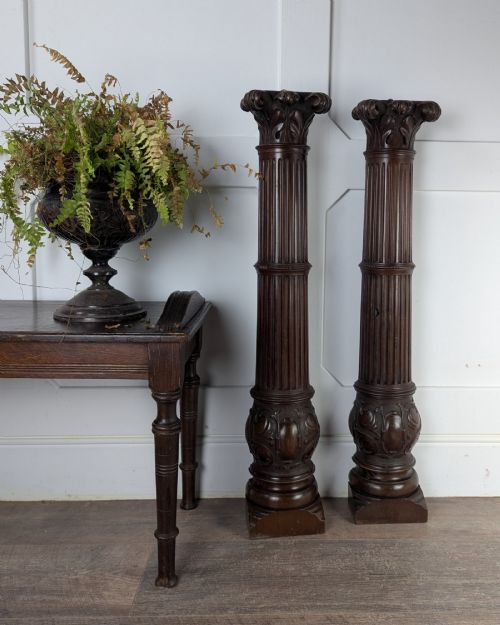
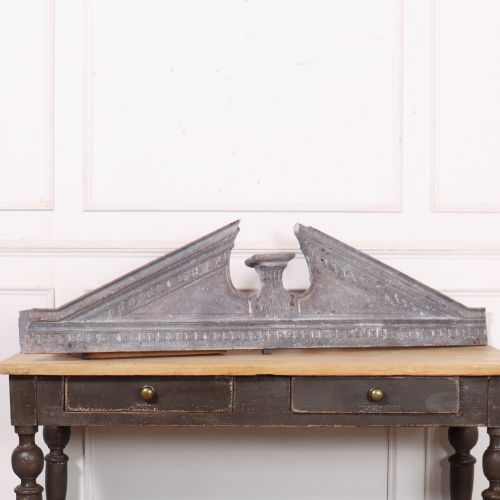
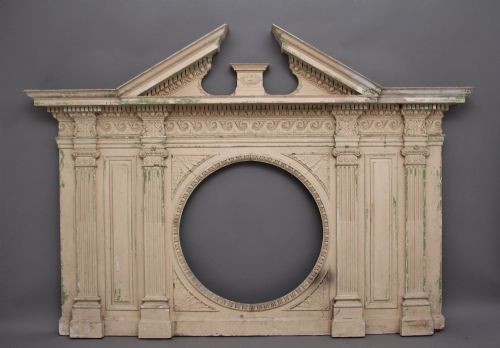
The objects stem predominantly from the 18th century and the Georgian period, though influences and items stretch into the Regency and 19th century eras. Typical forms include mantelpieces, overdoor pediments, corbels, gates, and column fragments suited for period restoration or interior design projects.
How they were made
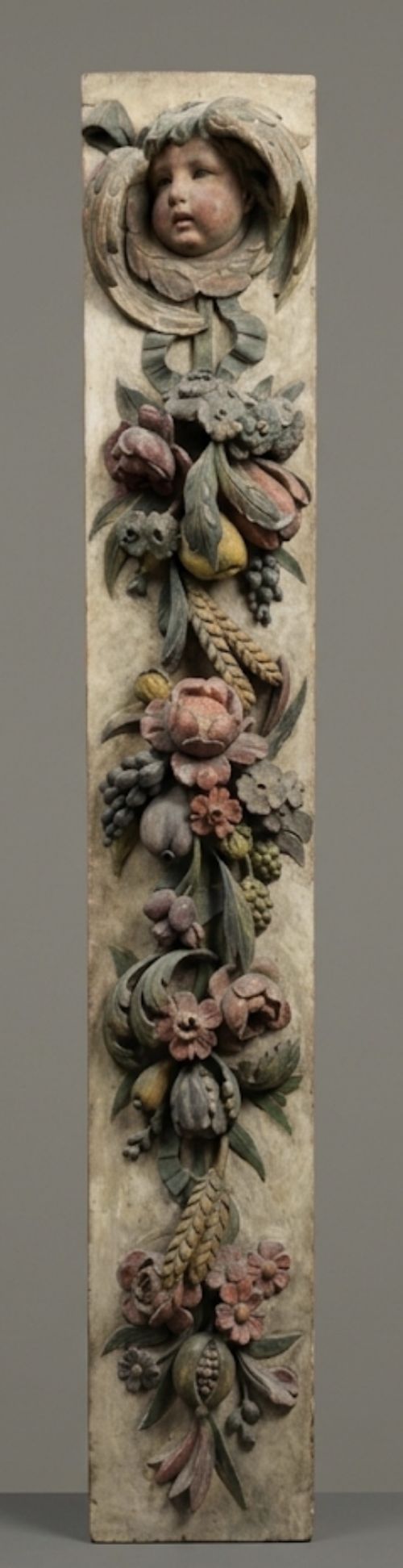
Makers utilised traditional materials such as oak, mahogany, stone, wrought iron, and cast iron, often shaped through hand carving and blacksmithing. Wooden components display fine joinery and detailed relief work in gesso or paint, while metal items show hand-forged or cast construction methods typical of the period.
Surfaces frequently retain layers of original paint, natural weathering, or polished patination built up over centuries of exposure and use. Stonework and granite items, such as staddle stones and fire surrounds, demonstrate manual masonry techniques.
What varies in quality
The depth and crispness of hand carving separate exceptional decorative pieces from simpler vernacular items. Fine limewood and mahogany carvings exhibit intricate detail in architectural motifs like acanthus leaves and classical orders.
Material selection and structural integrity define the higher tiers of the range, visible in substantial oak timbers, well-preserved stone mouldings, and robust blacksmith-made ironwork rather than standard mass-produced castings.
The Georgian Architectural Salvage Glossary
- Corbel
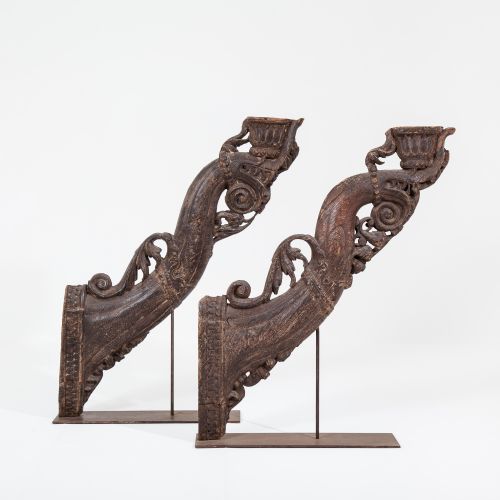
- A structural piece of stone, wood, or metal projecting from a wall to carry a weight. These decorative brackets often feature carved leaf or scroll designs.
- Overmantel
- A decorative panel or mirror frame situated above a fireplace mantelpiece. They frequently incorporate carved wood, pediments, or classical friezes.
- Staddle Stone
- A mushroom-shaped stone support originally used to elevate granaries and ricks off the ground to protect against damp and vermin. They now serve widely as garden ornaments.
- Pediment
- A triangular or segmental architectural gable placed above doors, windows, or overdoors. They add a classical proportion to interior and exterior facades.
- Ceiling Boss
- A decorative keystoned block placed at the intersection of vaulted ribs in a ceiling. These carved wooden panels display Gothic or classical foliage patterns.
Georgian Architectural Salvage: Frequently Asked Questions
What is georgian architectural salvage?
Georgian architectural salvage consists of rescued building materials and decorative fixtures originating from the 18th and early 19th centuries. Items range from large structural stone surrounds to small brass door furniture.
These pieces retain the craftsmanship of the period and offer authentic details for historic home restoration or interior design projects.
How were fire surrounds used?
Fire surrounds acted as the main decorative framing for domestic hearths and fireplaces during the Georgian period. They provided a focal point for the room and often incorporated carved wood, marble, or stone.
Homeowners install these historic mantels today to restore period character to living spaces.
How do I identify Regency pieces?
Regency items generally date from the early 19th century and reflect a refined neoclassical aesthetic influenced by Greek and Roman design. Look for cleaner lines, restrained ornamentation, and specific brass hardware.
Objects from this era often bridge the gap between late Georgian exuberance and Victorian mass production.
Can exterior salvage be used indoors?
Exterior architectural salvage, including stone troughs, granite staddle stones, and wrought iron gates, suits garden and landscape display. Many buyers also repurpose stone elements and large brackets inside homes.
Weathered finishes and durable materials allow these items to withstand both indoor and outdoor environments.