

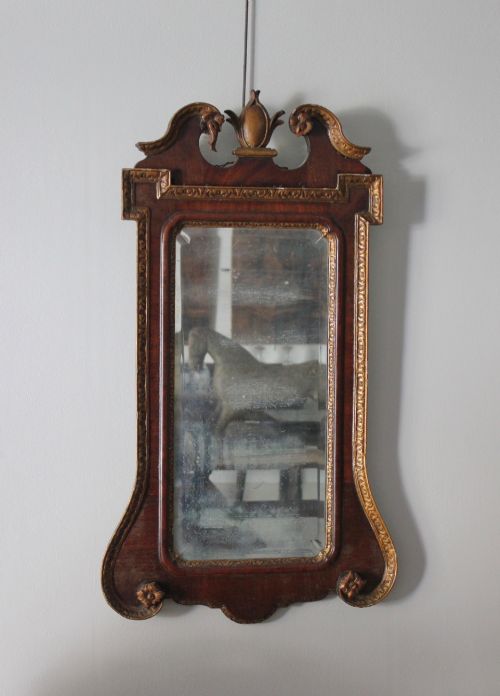
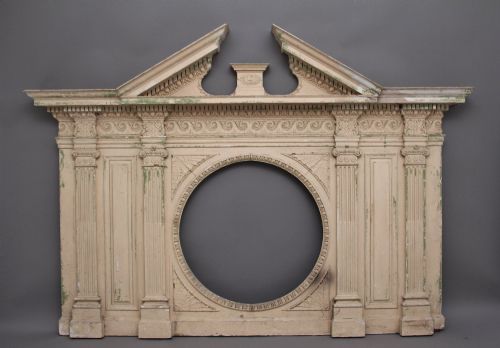


Georgian Carved Wood Pediment
A georgian carved wood pediment delivers classic architectural dignity to an interior, bringing substantial presence above a doorway or fireplace.
Georgian Carved Wood Pediment
When you search for a georgian carved wood pediment, you encounter architectural elements and decorative furnishings originating mainly from the eighteenth and nineteenth centuries.
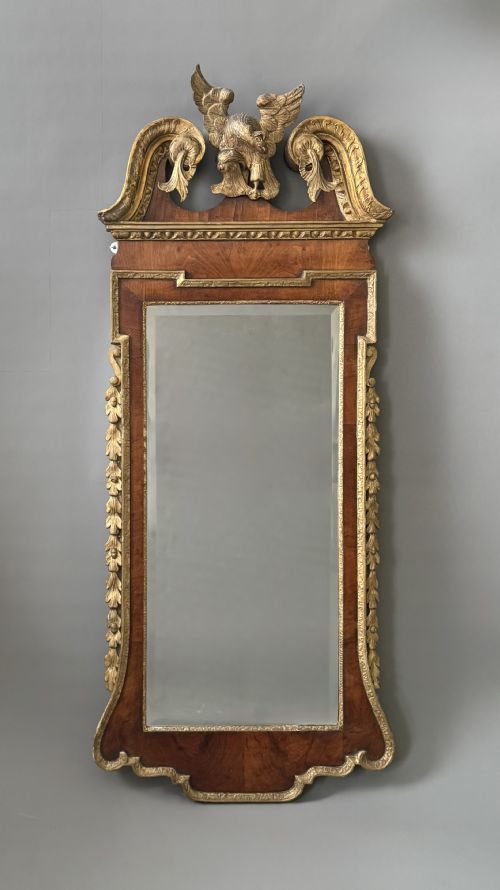
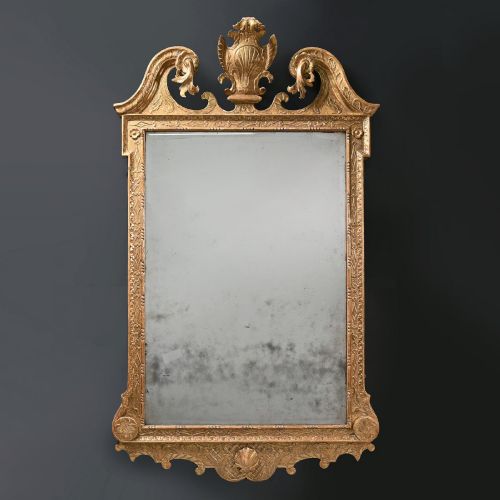
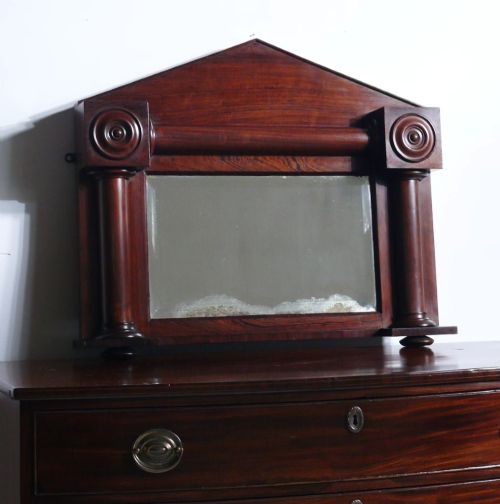
The selections span architectural salvage and fitted joinery, alongside wall mirrors and overmantels that incorporate architectural pediment structures into their framing.
You meet variations in timber and gilding, with walnut, oak, mahogany and giltwood appearing frequently across the different forms.
What varies in quality
The standard of carving defines the distinction between pieces, where crisp depth in foliage and moulding reveals the hand of a skilled joiner.
Original surfaces and period gilding command greater appreciation than later painted or regilded finishes.
Georgian Carved Wood Pediment Retail Price Guide 2026
Typical asking prices for georgian carved wood pediment among the pieces listed under this phrase on Sellingantiques today, from the lower quarter to the upper quarter. They describe what is for sale here now, not the wider market.
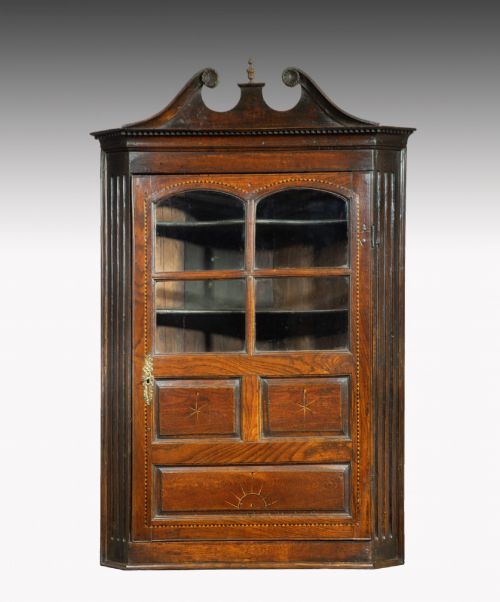
Listings span the eighteenth and nineteenth centuries, featuring walnut, mahogany, oak, and giltwood across mirrors, cabinets, and architectural salvage.
The Georgian Carved Wood Pediment Glossary
- Pediment
- A triangular or segmental architectural crown surmounting a doorway, window, or piece of furniture. It forms the primary focal point of classical architectural composition.
- Gesso
- A plaster mixture applied to wood as a smooth preparation surface for gilding. It allows for intricate relief ornamentation before leaf application.
- Parcel Gilt
- A decoration method where only specific carved details are highlighted in gold leaf against a contrasting wood background. This technique accentuates the architectural lines.
- Trumeau
- A decorative wall mirror or panel featuring an upper painted or carved section above the glass plate. It typically originates from grand eighteenth-century interior schemes.
Georgian Carved Wood Pediment: Frequently Asked Questions
Where should a pediment be placed?
These architectural elements sit naturally above internal doorways, overmantels, or tall case furniture to create a strong focal point. They elevate the proportions of a standard room by drawing the eye upward.
Ensure the scale matches the width of the frame or opening below it. Proper placement honours the architectural logic of the period.
How do I identify a Georgian piece?
Look closely at the timber selection, construction joints, and the crispness of the hand-carved details. Eighteenth-century joinery typically employs native hardwoods and traditional pegging.
Proportions offer another reliable indicator of period authenticity. Later revivals often display subtle differences in weight and decorative symmetry.
Can I hang a heavy wooden pediment?
Secure mounting requires anchoring directly into wall studs or structural masonry using appropriate hardware. The substantial weight of solid hardwood and gesso demands robust support.
Consult a professional fitter if the piece lacks integrated hanging brackets. Safety remains paramount when displaying heavy architectural salvage.
What is parcel gilt?
Parcel gilt refers to woodwork where gold leaf is applied selectively to highlight prominent carved motifs. The remaining areas display the natural grain of walnut or other hardwoods.
This technique creates a sophisticated contrast between warm timber and gleaming metal. It was widely utilised on high-status mirrors and furniture.