
Antique Carved Overmantel
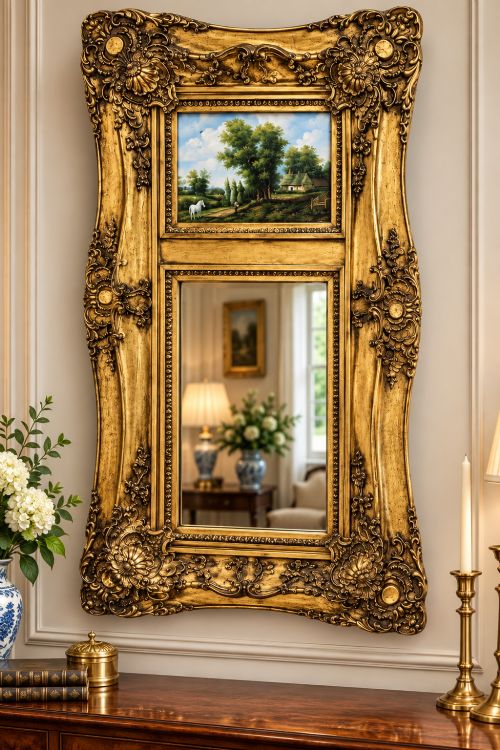
These antique carved overmantel pieces bring grand scale and historic craftsmanship to a room, anchoring a fireplace with gilded and wooden framing.
Antique Carved Overmantel
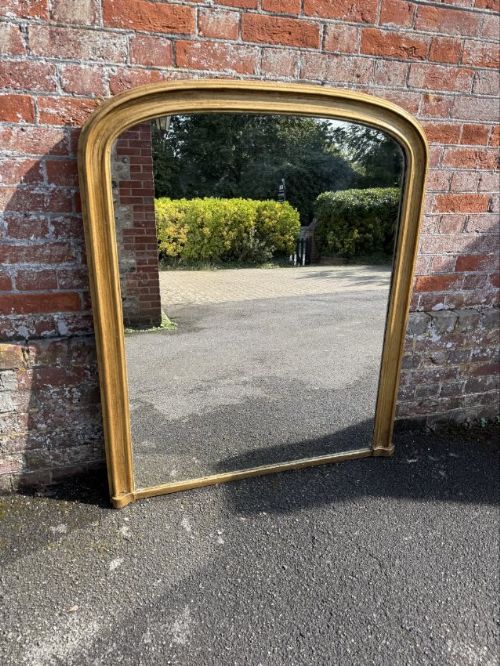
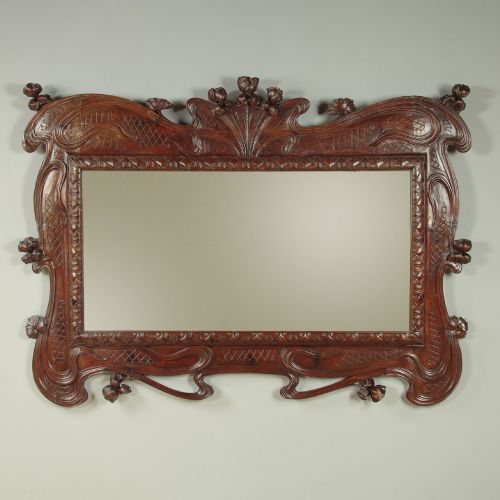
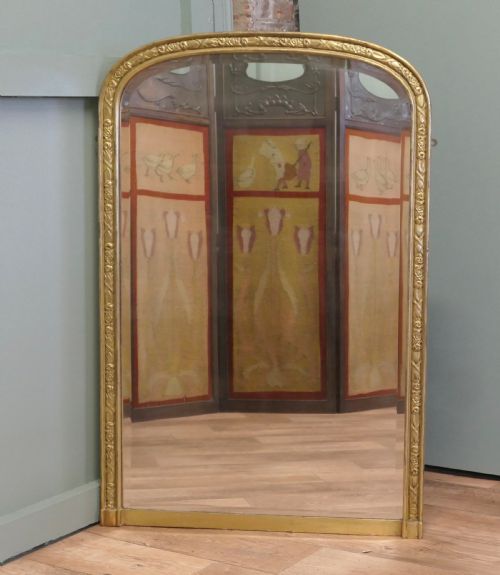
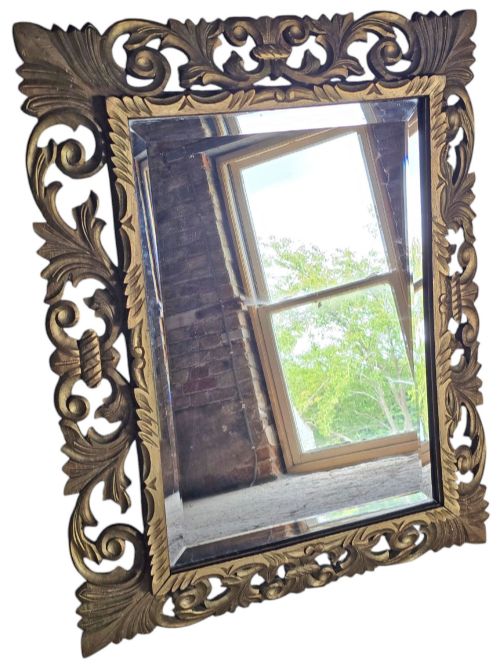
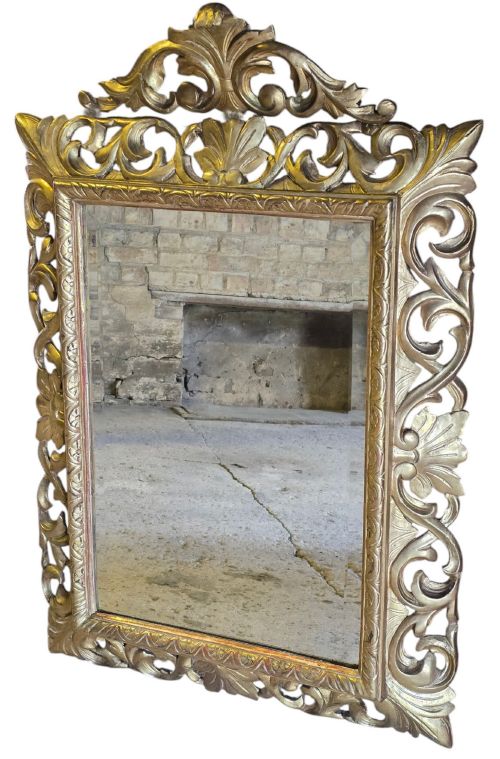
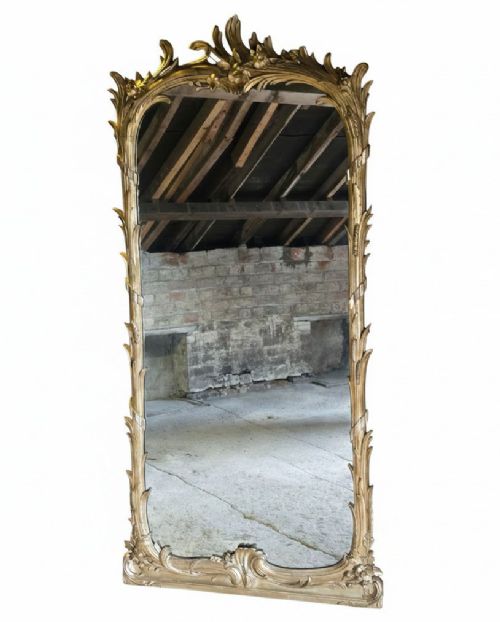
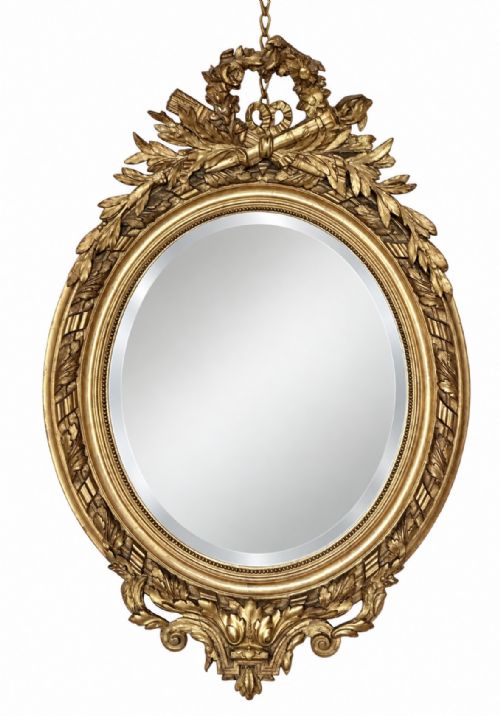
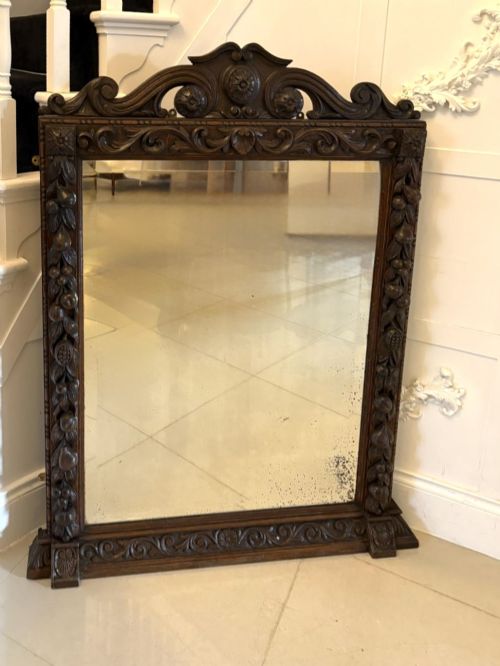
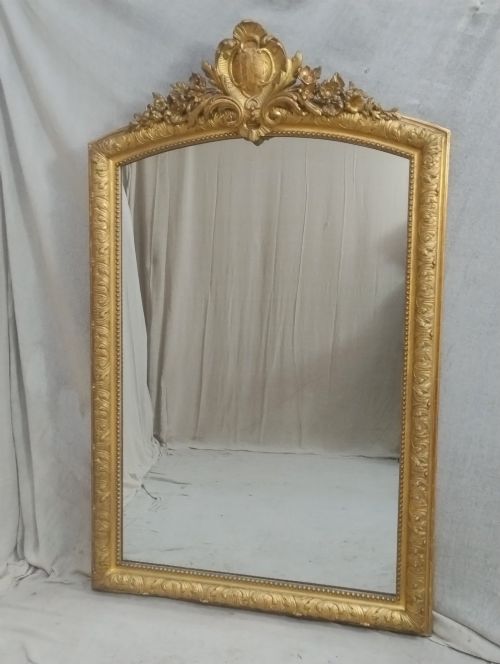
An antique carved overmantel is a large mirror or decorative panel designed specifically to sit above a mantelpiece, serving as the visual anchor of a traditional fireplace wall. The selection ranges widely across the nineteenth century, encompassing grand French and English designs featuring arched tops, rectangular proportions, and shaped frames.
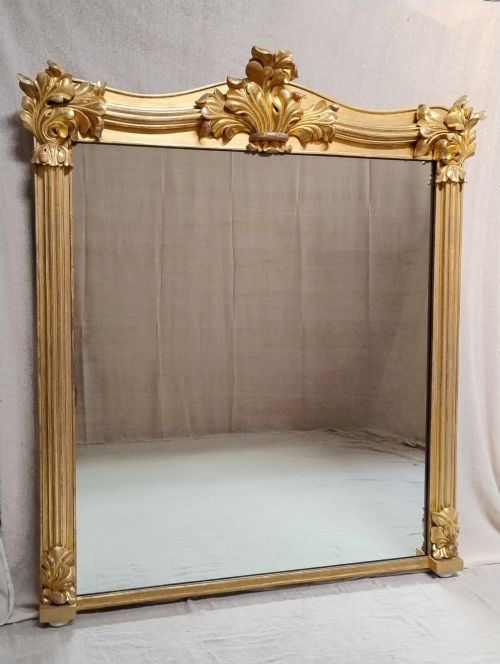
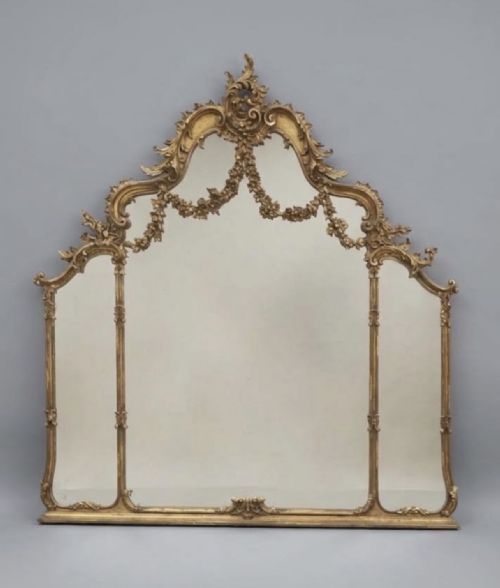
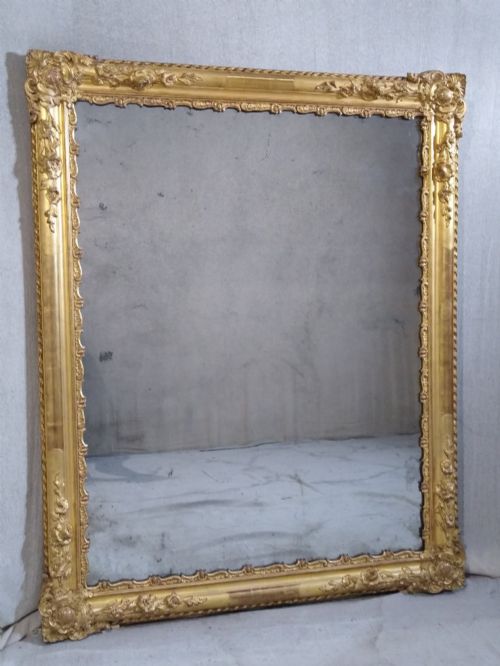
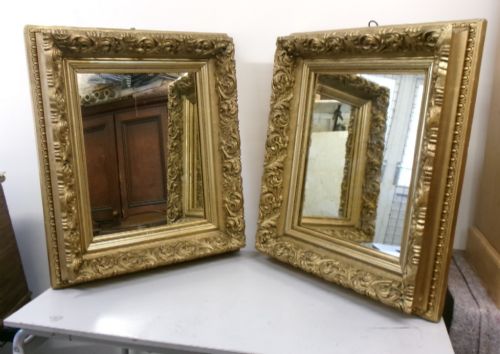
The most common examples encountered on this page are nineteenth-century English and French mirrors featuring carved wood and gesso frames. These pieces typically display arched or shaped tops, finished in either original gold leaf or painted surfaces, designed to reflect light and expand the sense of space in a reception room.
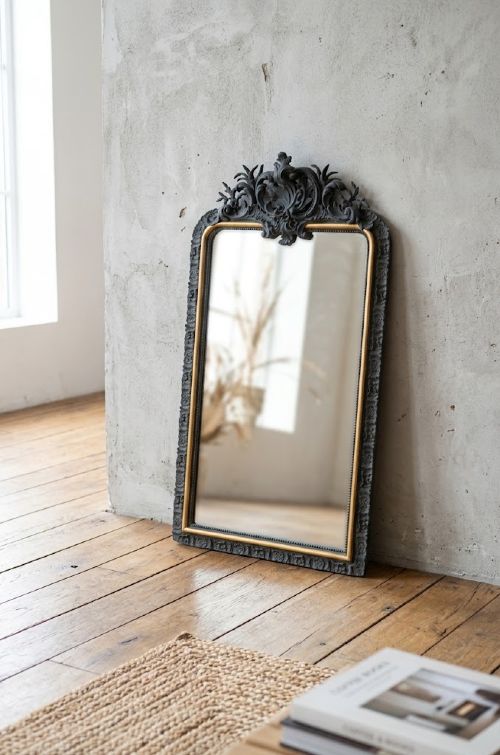
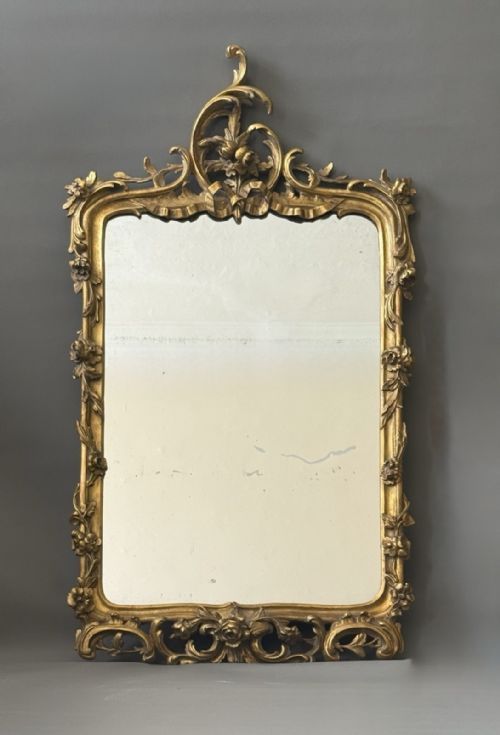
Beyond standard gilt mirrors, the category includes pier mirrors, leaner mirrors, and oak panels from the Victorian and earlier periods. Buyers will find distinct stylistic influences represented in the framing, from Rococo Revival and Regency to Chinese Chippendale and Napoleon III designs.
How they were made
The construction of these frames typically relies on carved wood foundations built from timber such as oak or pine. Artisans applied layers of gesso - a mixture of plaster and glue - over the wooden base to build up intricate relief details like acanthus leaves, scrolls, and rope twists.
Gilding was achieved by applying thin sheets of gold leaf over the prepared gesso surface, often burnished to create contrasting matte and bright areas. Alternatively, many pieces received painted finishes or distressed treatments, while mirror plates incorporated historical techniques resulting in foxed mercury glass.
Some nineteenth-century mirrors hide centuries of domestic life behind foxed glass that has watched generations tidy their hair by the hearth.
What varies in quality
The depth and crispness of the carving separate standard decorative frames from exceptional examples. Superior pieces exhibit hand-carved relief work where floral motifs, acanthus scrolls, and crests retain sharp definition through layers of historical gilding.
Originality of components dictates the standing of a piece within the range. Frames retaining their original mercury glass plates, uncompromised gesso layers, and initial gilding hold greater integrity than those with replaced glass or stripped surfaces.
The Antique Carved Overmantel Glossary
- Gesso
- A plaster-based mixture applied to wooden frame foundations to create a smooth surface for carving and gilding. This material allowed makers to fashion deep, elaborate decorative reliefs.
- Overmantel
- A large mirror or panel constructed to fit precisely above a fireplace mantel. These pieces were proportioned to dominate the chimney breast.
- Mercury glass
- A type of antique mirror glass produced using a silvering process involving mercury amalgam. It often develops a characteristic mottled or foxed appearance over time.
- Pier mirror
- A tall mirror designed to hang on the wall space between two windows, frequently matching the grandeur of companion overmantel pieces.
- Giltwood
- Timber framing covered with a thin layer of gold leaf. This finish provided interior spaces with reflective warmth and formal elegance.
Antique Carved Overmantel: Frequently Asked Questions
How do I hang a heavy overmantel mirror?
Due to their substantial weight and large scale, these mirrors require secure wall fixings anchored directly into masonry or heavy wall studs. Professional installation is strongly recommended to support the load safely.
Many period pieces also include floor-leaning capabilities, allowing them to rest securely against the wall with appropriate anti-tip hardware.
What is the difference between an overmantel and a pier mirror?
An overmantel mirror is specifically proportioned in width and height to sit above a fireplace mantelpiece. They often feature arched or landscape orientations suited to chimney breasts.
Pier mirrors are typically taller and narrower, originally designed to fit the narrow wall space between windows to maximise interior light.
How should I clean antique gesso and gilt frames?
Gently dust the carved wooden and gesso surfaces using a very soft, dry brush to remove particulate matter. Avoid liquid cleaners, chemical sprays, or abrasive cloths which can damage fragile gold leaf and historical finishes.
Care must also be taken around mirror plates to prevent moisture from seeping behind the glass and accelerating the degradation of old silvering.
How can I tell the period of an overmantel?
Dating relies on examining the framing style, such as Regency neoclassical lines or exuberant Rococo Revival scrolls, alongside construction methods. The backboards, fixings, and the characteristics of the mirror plate provide further clues to age.
Glass featuring foxing or distinct irregularities often points towards eighteenth or early nineteenth-century French and English manufacture.