



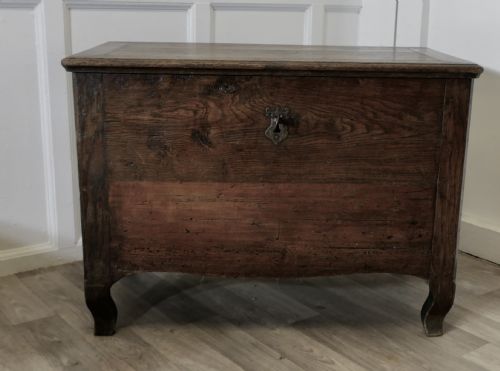

18th Century Wooden Lock
An 18th century wooden lock offers the quiet security of a bygone age, built from solid oak and walnut with iron and brass mechanism parts.
18th Century Wooden Lock
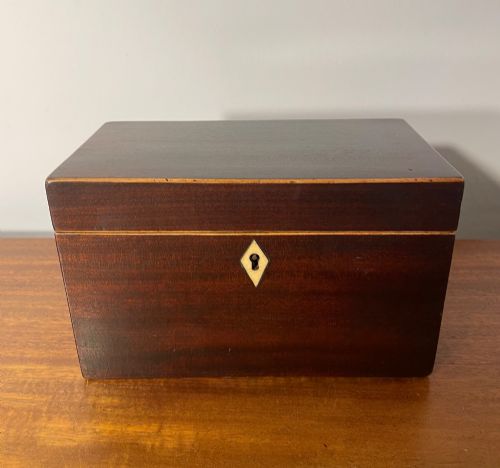
When you search for an 18th century wooden lock, you find robust structural security and small domestic storage items fitted with traditional locking devices. The material evidence on this page spans oak boxes, cupboards, coffers, and tea caddies from the Georgian period.
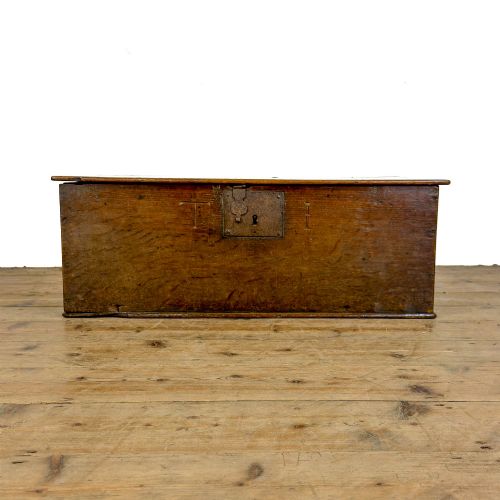
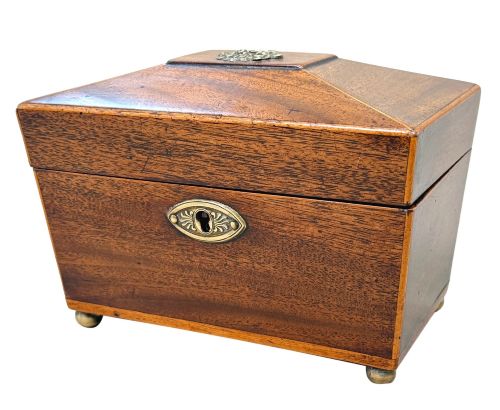
Most examples you meet are integrated into larger pieces of furniture, such as primitive cupboards and strong boxes, or mounted upon tea caddies with original keys. The geographical range extends from English oak and mahogany items to Spanish walnut boxes and Ottoman firearms featuring distinct mechanisms.
Materials and construction
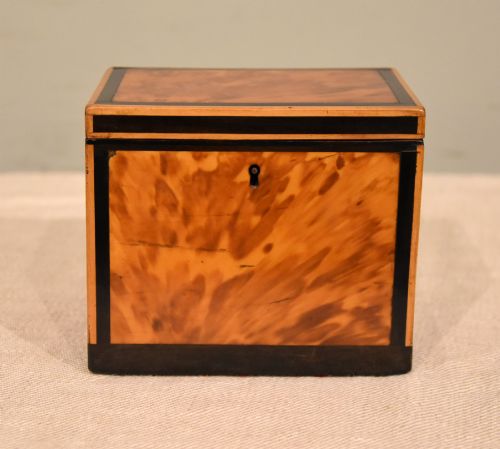
Makers relied on dense hardwoods like oak, walnut, and mahogany to provide a solid foundation for locks and hinges. These timbers were joined with traditional methods, often incorporating boxwood, ebony, and tortoiseshell veneers on smaller container items.
Internal mechanisms and exterior mounts utilise hand-forged iron, wrought iron, and bright brass. Blacksmiths shaped these metal components individually to fit each wooden housing, securing them with hand-cut screws and pins.
18th Century Wooden Lock Retail Price Guide 2026
Typical asking prices for 18th century wooden lock among the pieces listed under this phrase on Sellingantiques today, from the lower quarter to the upper quarter. They describe what is for sale here now, not the wider market.
Geographical origins span English country workshops, Spanish domestic spaces, and North African Ottoman armouries.
Quality variations
The distinction between standard domestic utility pieces and finer examples rests upon the integration of the locking mechanism and the selection of timber. Figured mahogany, tortoiseshell, and partridge-wood denote higher status container boxes destined for polite rooms.
Simpler primitive country items display plain oak boards and visible blacksmith locks, prioritising functional durability over decorative surface treatment. The survival of the original working key and unpolished brass mounts elevates the standing of any piece.
The 18th Century Wooden Lock Glossary
- Box lock
- A self-contained locking mechanism housed within a wooden box or chest frame. These were commonly fitted to Bible boxes and strong coffers.
- Sarcophagus
- A container shape featuring a domed or sloping lid rising from a pedestal base. This silhouette is frequently observed on Georgian tea caddies.
- Toe-lock
- A specific firearm locking mechanism characteristic of North African Ottoman long guns. It operates via a distinctive downward-pressing trigger arrangement.
- Cofer
- A heavy wooden chest designed for storage and travel, often reinforced with iron straps. Smaller French examples served as strong boxes for valuables.
- Partridge-wood
- A dense tropical timber exhibiting a mottled grain pattern resembling partridge feathers. Cabinet makers utilised this decorative wood for luxury tea caddies.
18th Century Wooden Lock: Frequently Asked Questions
How do I make an 18th century wooden lock work?
Operating these historic mechanisms requires patience and a light touch with the original key. Iron levers and wooden pins settle over centuries, so forcing the turn can damage internal parts.
Applying a minute amount of dry graphite lubricant helps free stubborn bolts without harming the surrounding timber or metal surfaces.
Are keys usually original to these locks?
Many surviving pieces retain their matching period key, particularly tea caddies and small storage boxes. Blacksmith-made box locks on primitive cupboards sometimes feature replacement keys fashioned to fit the original ward pattern.
Checking the fit within the keyhole reveals whether the key has worked the bolt for generations or represents a later addition.
What woods were used for these items?
Makers selected dense native hardwoods like oak and walnut for sturdy domestic furniture and strong boxes. Exotic imports such as mahogany, ebony, and partridge-wood appear on refined Georgian containers.
Secondary woods often include pine or oak internally, depending on the regional workshop and the intended destination of the piece.
How do I date a Georgian tea caddy?
Stylistic cues such as the sarcophagus shape, bracket feet, and veneer choices point towards specific decades within the Georgian era. The construction of the internal foil lining and the sophistication of the escutcheon plate provide further chronological clues.
Comparing the lock plate style with dated examples confirms the manufacturing period.