


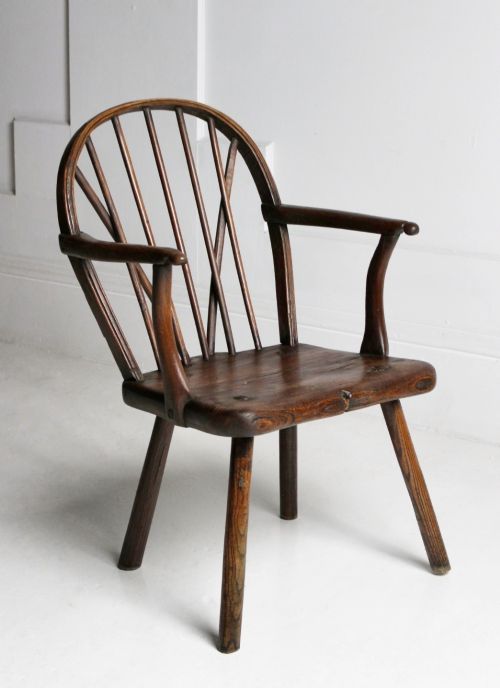


Antique Timber Spindle
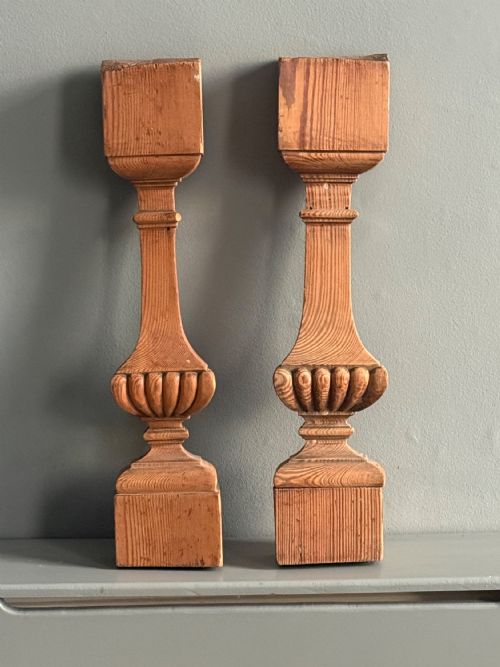
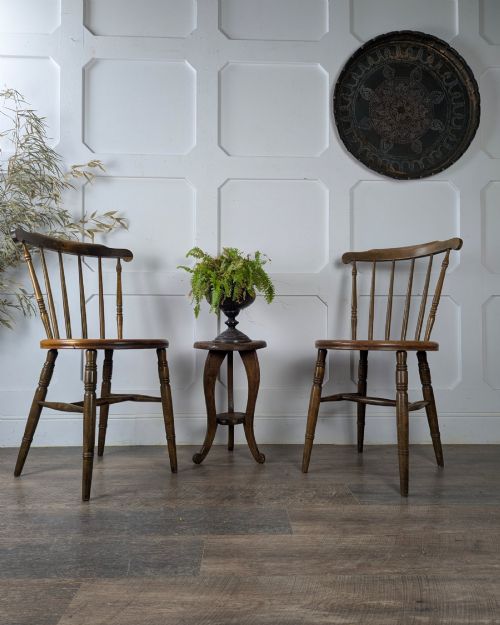
An antique timber spindle forms the structural rhythm of vernacular seating, architectural screens, and country chairs found across this selection.
Antique Timber Spindle
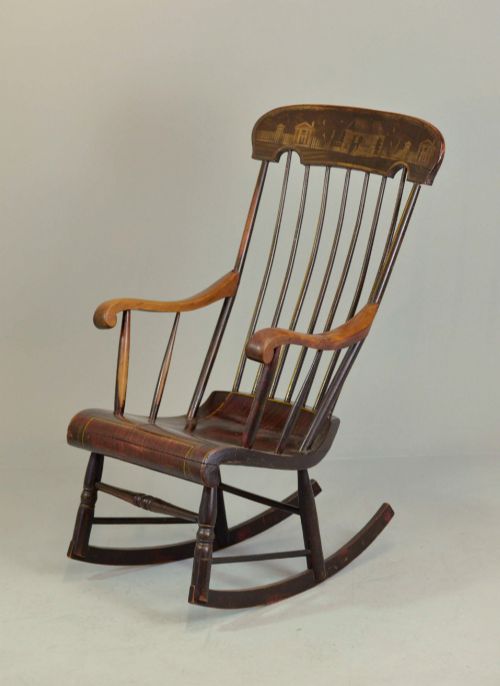
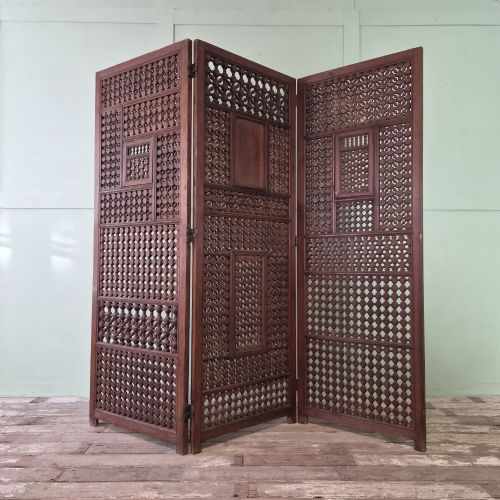
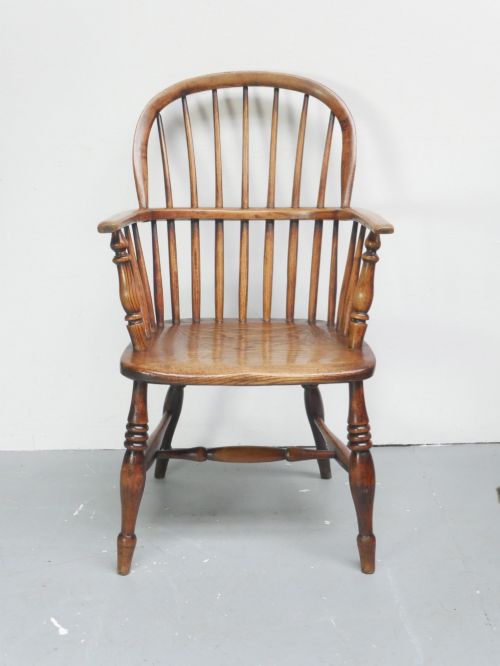
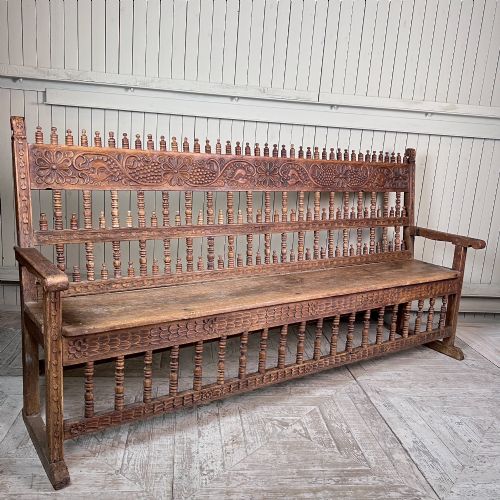
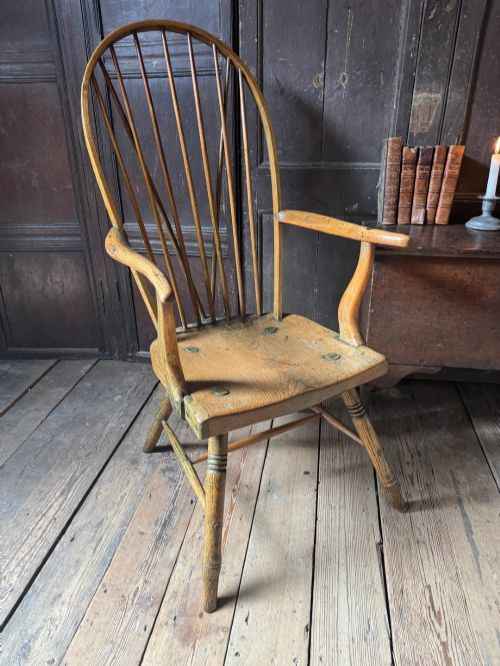
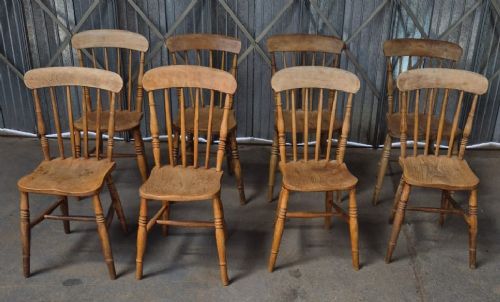
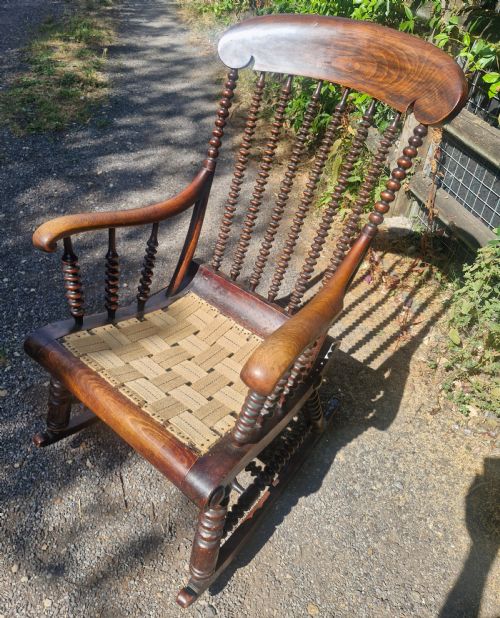
When you search for an antique timber spindle, you encounter turned wooden components integrated into the framework of 18th-century, 19th-century, and early 20th-century seating, architectural salvage, and storage furniture. These elements appear on Windsor armchairs, kitchen chairs, settles, benches, rocking chairs, and room dividers.
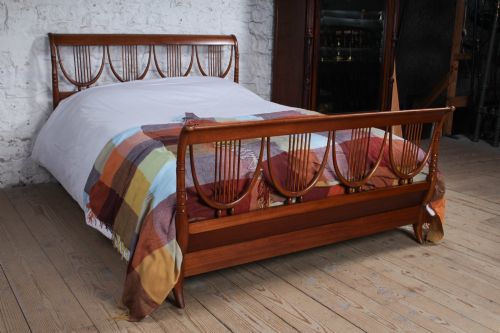
The pieces on this page span vernacular English country styles, French provincial furniture, American Colonial designs, and revival pieces. You meet spindles primarily as structural stretchers, back supports, and decorative balusters within larger seating and architectural frameworks.
Originating from periods including the Georgian, Victorian, and Edwardian eras, these turned components reflect regional wood-turning traditions across Britain, Europe, and America. The inventory leans heavily toward utilitarian country chairs and architectural elements rather than isolated decorative turned pins.
Materials and turning techniques
Makers utilised native hardwoods such as elm, ash, beech, oak, and pine, selecting timber based on its structural strength and responsiveness to the lathe. Elm and ash provided the resilient bending properties needed for Windsor chair hoops and spindles, while beech and oak formed rigid legs and stretchers.
Turners shaped these components using foot-powered or water-driven pole lathes, carving profiles by hand with gouges and chisels while the wood spun. This process resulted in subtle irregularities and tool marks that distinguish hand-turned spindles from later mass-produced cylindrical shafts.
Antique Timber Spindle Retail Price Guide 2026
Typical asking prices for timber spindle among the pieces listed under this phrase on Sellingantiques today, from the lower quarter to the upper quarter. They describe what is for sale here now, not the wider market.
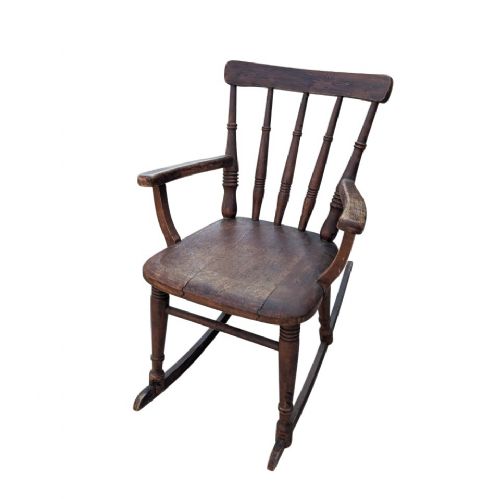
A tiny child's rocking chair sits quietly among the heavy oak settles and grand staircase balusters, offering diminutive turned spindles scaled for the nursery.
Distinctions in construction and character
The standard of a turned element depends upon the balance of its profile and the integrity of the timber selection. Superior examples display crisp, well-defined turning rings and balanced proportions that complement the structural load of the chair or screen.
Preservation of the original surface finish, whether waxed fruitwood, scrubbed pine, or stained hardwood, dictates the visual authority of the piece. Replacements or heavily sanded replacements diminish the historical coherence of the turned assembly.
Worksop Allsop
The Antique Timber Spindle Glossary
- Spindle
- A slender, turned rod of wood used as a baluster, leg, or back support in furniture construction. These elements provide both rigidity and visual rhythm.
- Windsor chair
- A wooden chair built with a solid saddle-shaped seat into which the legs and back spindles are separately tenoned. They often incorporate elm and ash.
- Stretcher
- A horizontal wooden brace connecting the legs of a chair or table to increase stability. Spindles frequently serve this stabilizing function.
- Baluster
- A vertical architectural support with a swelled or turned profile. Larger versions appear in staircase components and room dividers.
- Vernacular
- Everyday domestic furniture made by local craftsmen for functional use rather than high-style court production. These pieces rely heavily on traditional turning methods.
Antique Timber Spindle: Frequently Asked Questions
What woods were used for spindles?
Makers relied on native hardwoods such as elm, ash, beech, and oak for durability and turning clarity.
Pine and fruitwood also appear in regional vernacular pieces and children's chairs.
How do I date a turned chair?
Dating relies on the combination of wood species, tool marks, joinery methods, and overall regional style.
Turned profiles shifted from heavier Georgian forms to slender Victorian and Edwardian shapes.
Were these pieces painted?
Many country pieces retained natural wood finishes like polished elm, oak, or ash.
Some regional items feature original painted surfaces or stains applied by the maker.
Where were turned chairs made?
Production occurred across English regional workshops, French provincial areas, and American colonial centres.
Local timber availability heavily influenced the choice of wood used for the spindles.